




















1.The working principle of dried straw biomass pellet processing equipment
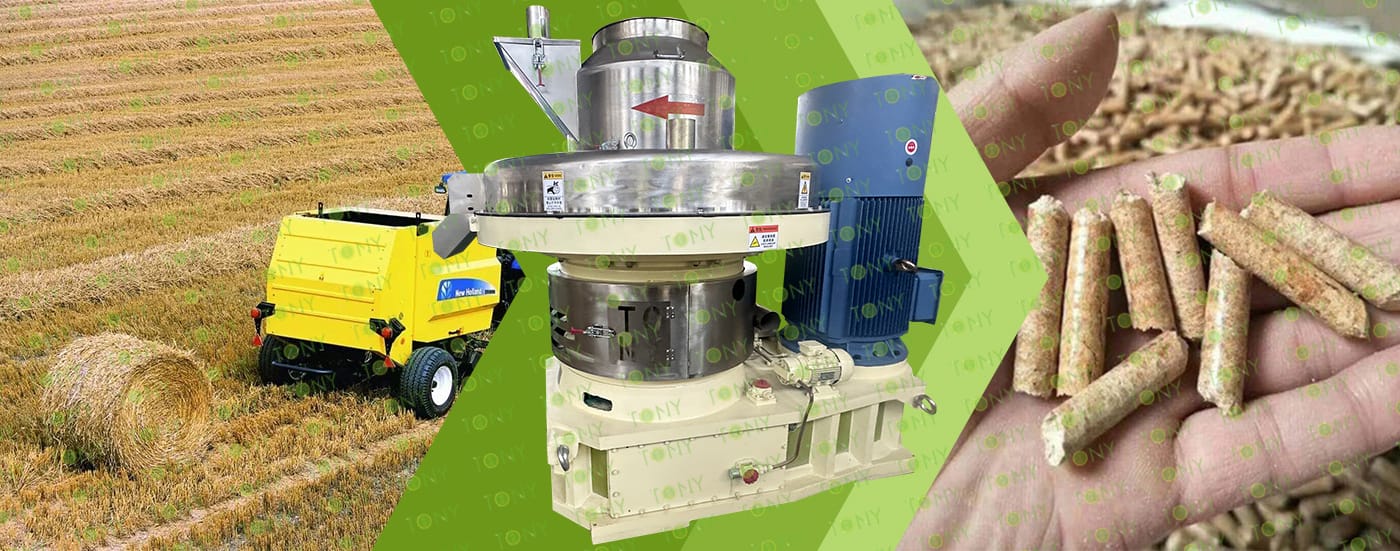
(1)Feeding:The crushed dry straw material is fed into the pelletizing chamber of the pelletizer at a uniform speed by the feeder to avoid feed jamming caused by over-drying of the material.
(2)High-pressure extrusion:The roller in the pelletizing chamber presses the material tightly against a ring die with a die hole (diameter 6-12mm). Under the action of high pressure, the material is squeezed into the die hole to form a continuous cylindrical strip. The friction of dry straw is relatively small, and some equipment will appropriately increase the pressure of the roller to ensure the molding density.
(3)Cutting and cooling:The cylindrical strip is cut into 5-15mm pellets by a high-speed cutter. Since the friction heat generated by dry straw during extrusion is relatively small, the pellet discharge temperature is usually 50-80℃. Some small equipment can omit the cooling step and directly air cooling can meet the standard; large-scale production lines need to be equipped with a cooler to ensure that the pellet temperature drops to room temperature to avoid agglomeration during storage.
2.Characteristics of dried straw biomass pellet processing equipment
(1)Simplified pretreatment process: No drying required, reducing equipment complexity
This is the core feature of dry straw equipment. It is directly adapted to low-moisture raw materials, eliminating the key link of wet straw equipment
(2)High molding stability: Adapting to the characteristics of dry materials, reducing failures
In view of the characteristics of dry straw being brittle and weak in adhesion, the equipment has made targeted optimizations in the molding process to ensure production continuity.
(3)Better energy consumption and cost: Strong long-term operating economy
From equipment operation to later maintenance, the cost advantage of dry straw equipment is more obvious, especially suitable for long-term large-scale production.
(4)Adaptability to large-scale production: High production capacity and automation compatibility
Dry straw equipment is easier to achieve high production capacity and automated control, suitable for large energy companies or centralized processing projects.
3.Application scenarios of dried straw biomass pellet processing equipment
(1)Agricultural drying fuel:Farmers and grain drying factories use the heat generated by the combustion of pellets to dry grains such as corn, rice, and wheat, replacing traditional coal drying or natural drying methods. The combustion temperature of the pellets is stable (up to 800-1000°C), with high drying efficiency and no grain odor, meeting food safety standards.
(2)Auxiliary for organic fertilizer production:During the fermentation process of organic fertilizers, dry straw pellets can be burned to provide stable heat for the fermentation pile (maintaining a fermentation temperature of 55-65°C), accelerating the decomposition of organic matter; at the same time, the ash after the combustion of the pellets is rich in potassium, calcium, etc., and can be directly added as raw materials for organic fertilizers, achieving a complete chain recycling of "straw - energy - fertilizer".
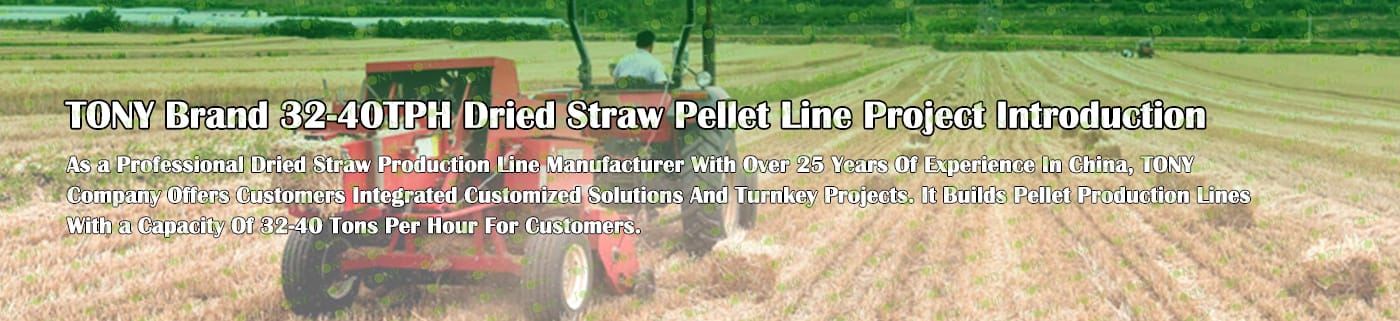
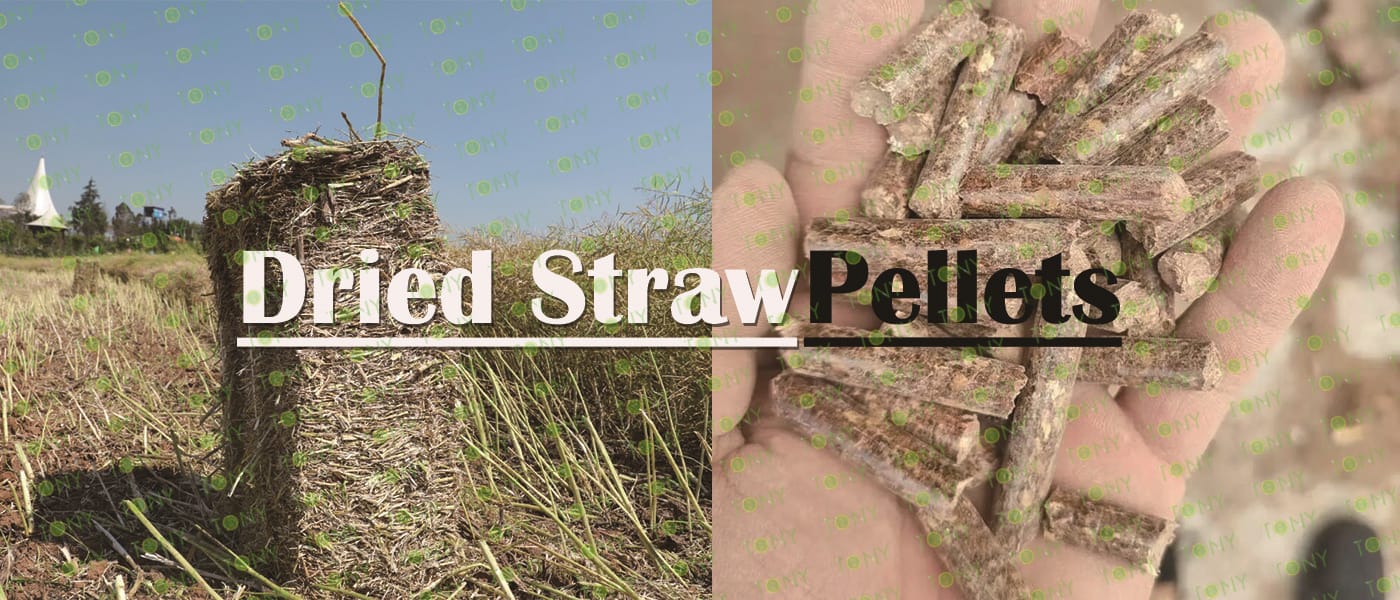
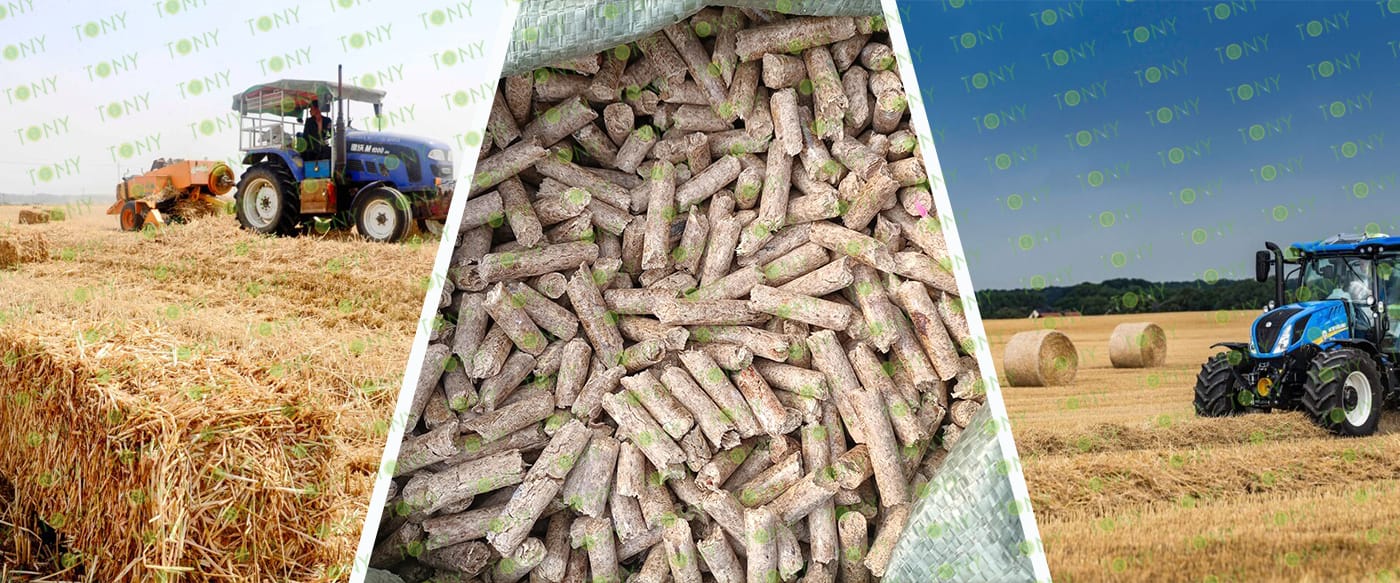
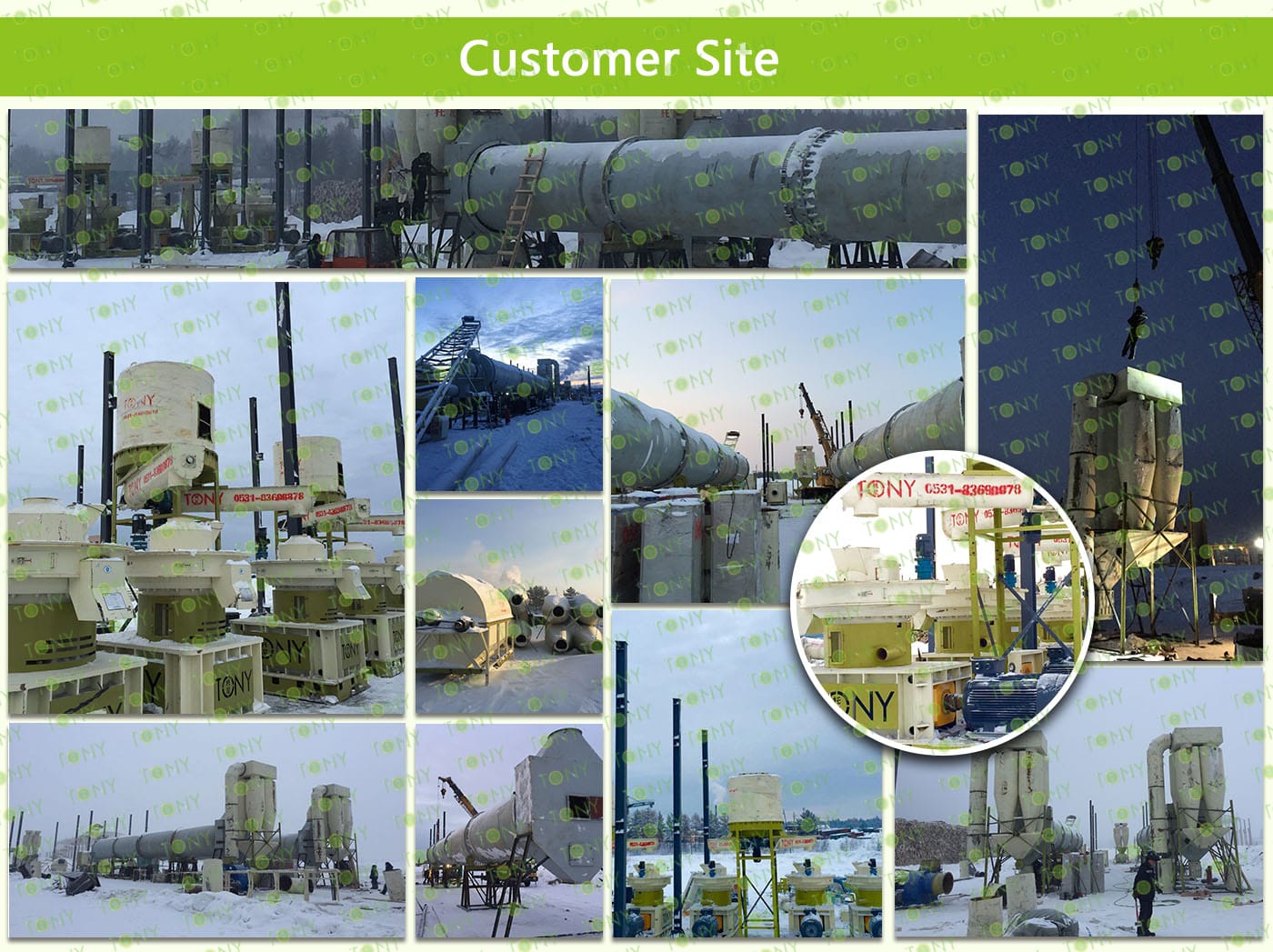
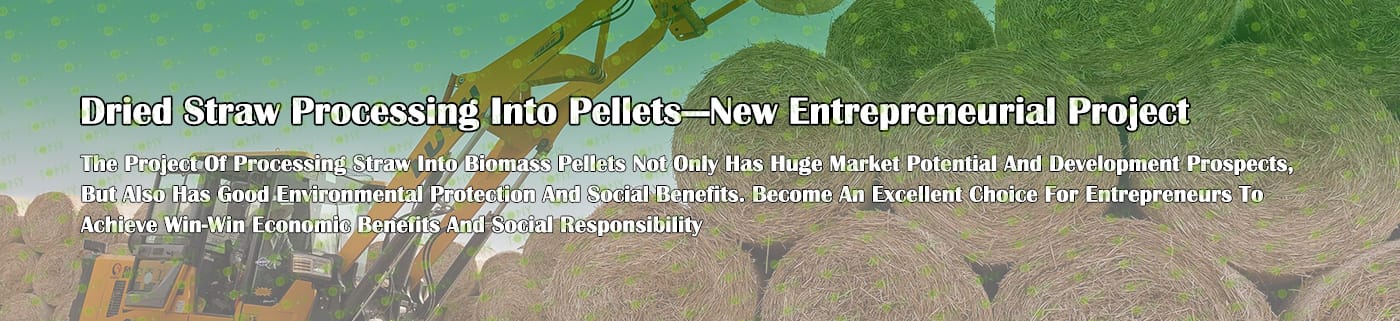
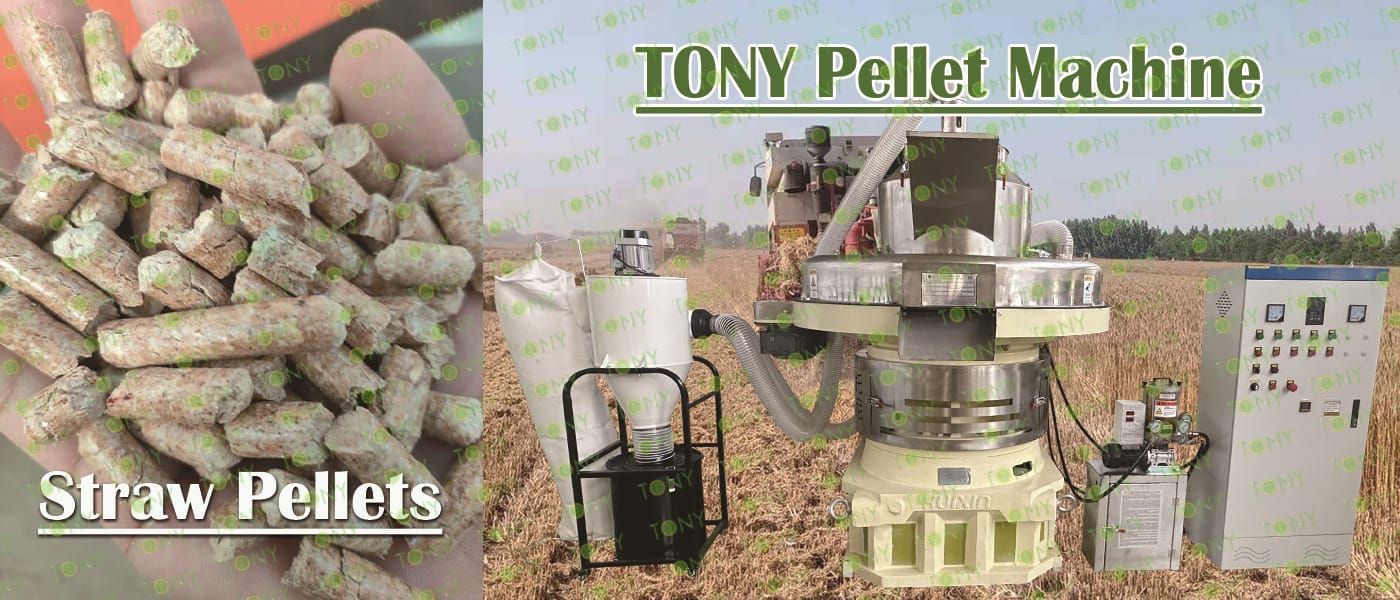
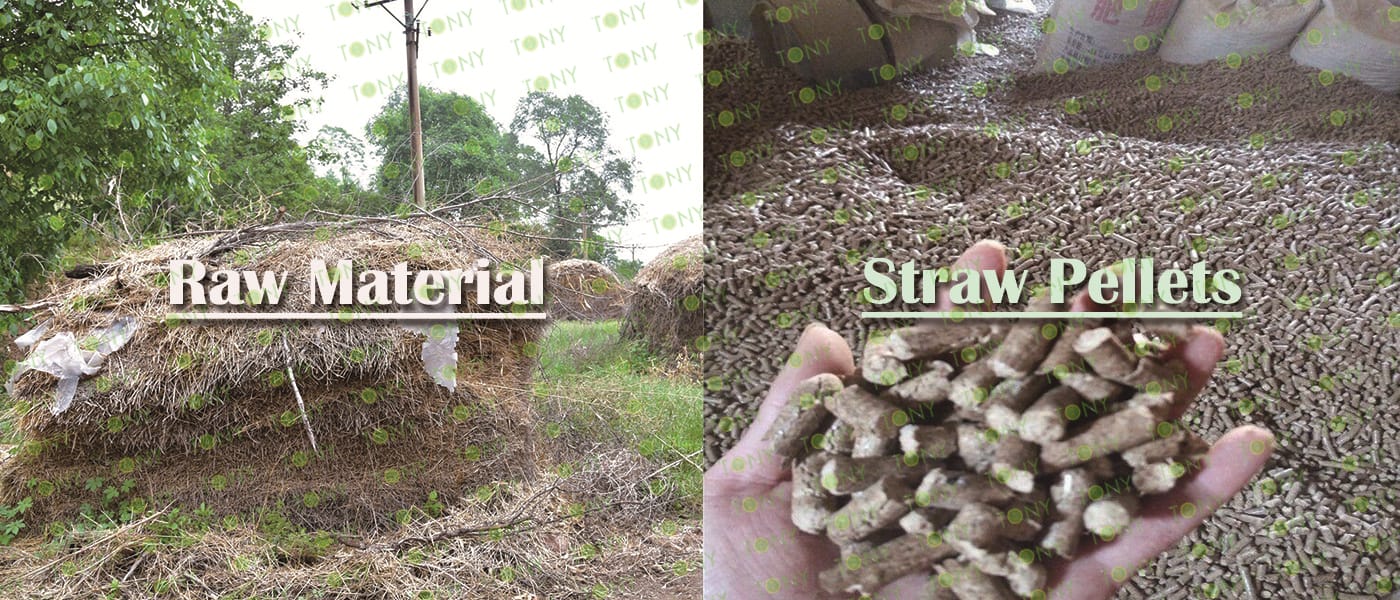
TONY Brand 32-40TPH Dried Straw Line can process dried straw and various biomass materials related to agricultural waste into biomass pellets. Straw processing into biomass pellets has a wide range of uses .As fuel: straw pellet fuel can be used as boiler fuel for power plants, industrial boilers, civil heating and other fields. Its calorific value is similar to coal, but the price is lower, and the combustion process produces fewer pollutants, is a more environmentally friendly fuel. As feed: Straw pellets processed by straw pellet machining can be used as feed for livestock. This method can make full use of crop straw, reduce feed costs, and also help solve the problem of straw disposal. These uses can not only effectively use agricultural waste, reduce environmental pollution, but also create economic benefits and promote sustainable agricultural development.
1. Capacity: 32-40Ton/Hour
2. Raw materials: Dried straw, including dried corn straw, dried wheat straw, dried cotton straw, dried flax straw, dried beet straw and other agricultural straw
3. Moisture: About 10-15%
4. Application: All kinds of biomass materials suitable for pellet production.
Suitable customers: Green energy companies, agricultural cooperatives, and small - scale rural processing units that have ready access to straw and related agricultural residues.
5. Finished Pellets Markets: Large power plants, domestic heating systems in rural and suburban areas, industrial heating facilities in rural - based industries, combustion heat applications in local manufacturing units, heating systems in rural schools and community centers, boiler rooms in small - scale rural enterprises, and canteens in rural educational institutions.,farms, feed mills.
1. Project Name: Dried Straw Production Line
2. Raw Material: Bales of Dried Straw
3. Moisture Content of Raw Material: 10-15%
4. Capacity: 32-40TPH
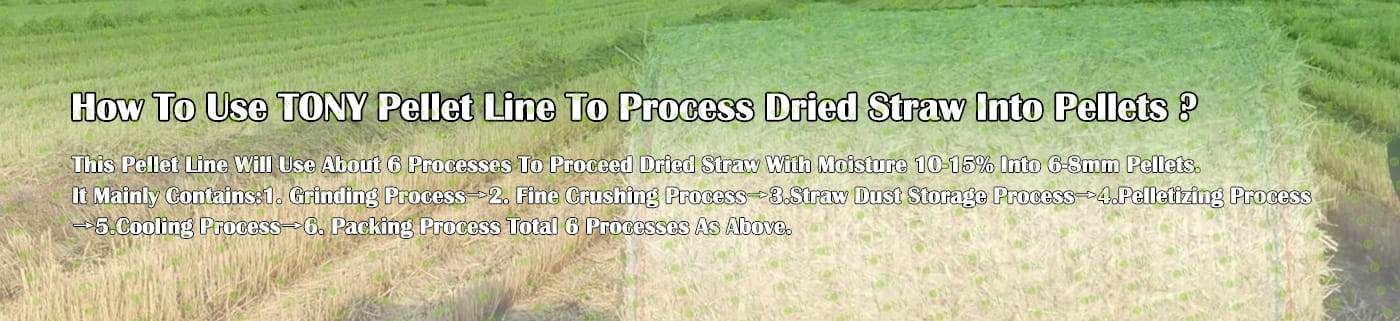
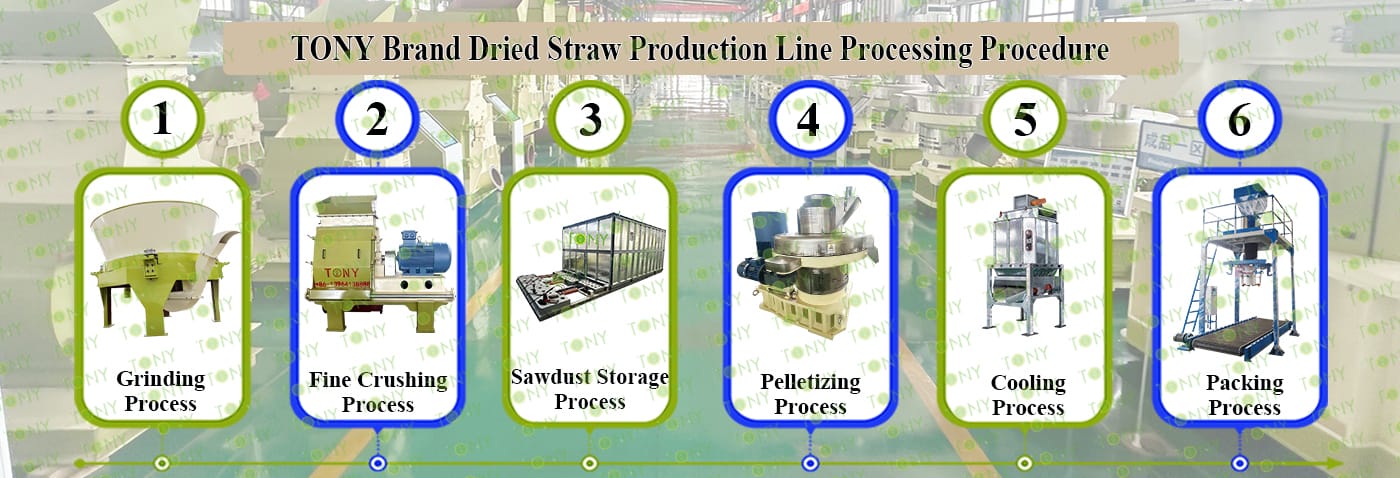
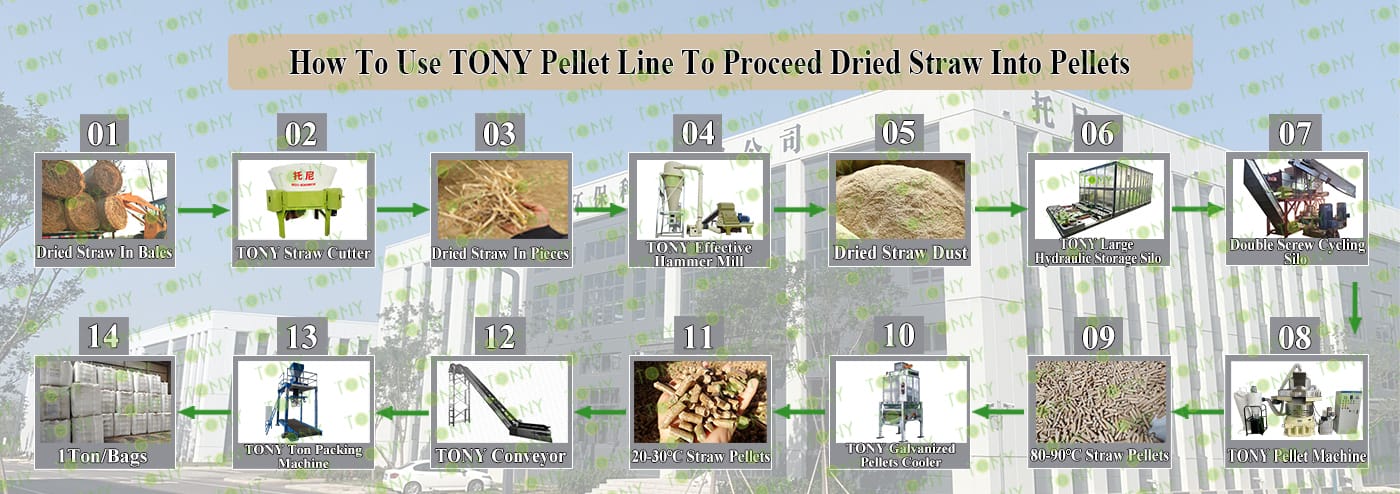
5. Process: Grinding Process - Fine Crushing Process - Straw Dust Storage Process-Pelletizing Process - Cooling Process - Packing Process
6. Main Equipment: Straw Cutter -TPX3500-160KW, Effective Hammer Mill- TFD100-200-315KW, TONY Large Hydraulic Storage Silo,TONY Pellet Machine-TYJ860-III-280KW, Galvanized Pellets Cooler, Ton Packing Machine and Belt Conveyors
|
How To Use TONY Pellet Line To Proceed From Dried Straw Into Pellets? It mainly contains the following steps and machines as following: 1.Use TONY straw cutter to grind dried straw bales φ ≤3m into 60-70mm dried straw pieces. 2.Use TONY effective hammer mill to crush 60-70mm dried straw pieces into 8-14mm dried straw dust. 3.Use TONY large hydraulic storage silo to storage 8-14 mm dried straw dust. 4.Use TONY vertical ring die pellet machine to products pellets with φ6-8mm. 5.Use TONY galvanized pellets cooler to cool pellets from 80-90℃ to 20-30℃. 6.Use TONY ton packing machine to pack the pellets into 1 ton/bags. You can contact TONY to get for more details information and quotation. TONY can supply you all the products as above with competitive price and excellent quality. |
|
||||||||||||||||||||||||||||||||||||||||||||||||||
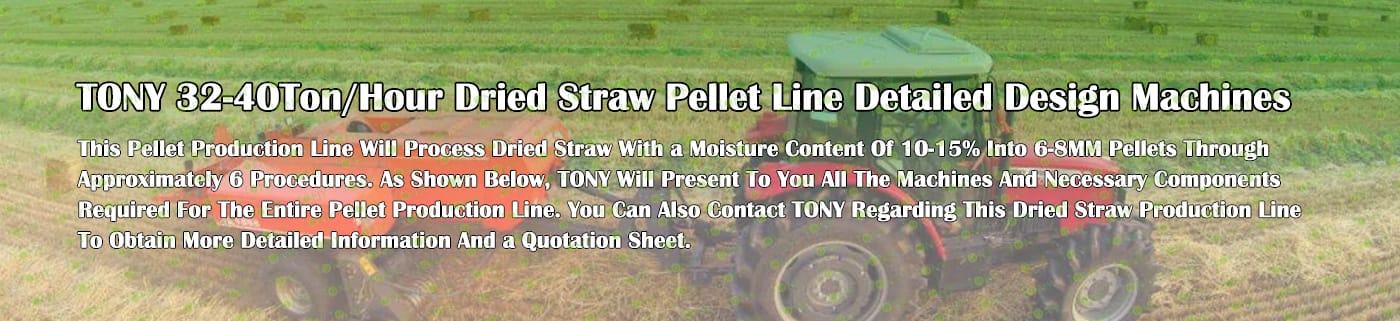
| Next, TONY Will Introduce To You All The Necessary Machinery That Will Be Used For The Whole Pellet Production Line. Some Machines Can Be Custom - Made By Customers According To Different Customers' Detailed Demands. Contact TONY For More Details, Including Quotation And Layout. | ||
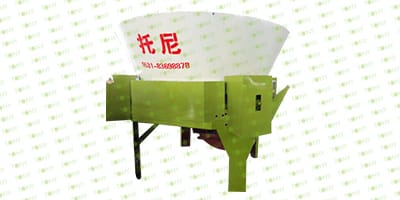 |
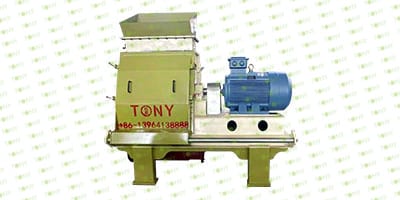 |
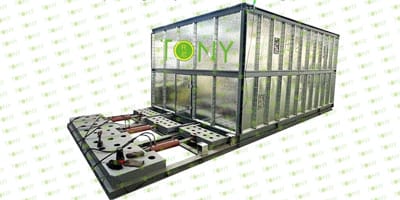 |
| Straw Cutter | Effective Hammer Mill | Large Hydraulic Storage Silo |
| 1.To Grind Dried Straw Bales Diameter ≤3 m Into 60-70mm Dried Straw Pieces 2.Model:TPX3500-160KW*4Sets 3.Capacity:8-11Ton/Hour/Set |
1.To Crush 60-70mm Dried Straw Pieces Into 8-14mm Dried Straw Dust. 2.Model: TFD100-200-315KW*3Sets 3.Capacity:12-14Ton/Hour/Set |
1.To Storage Dried Straw Dust Before Pellet machine 2.Model: TCY-35*3Sets 3.TONY Uses Galvanized Material |
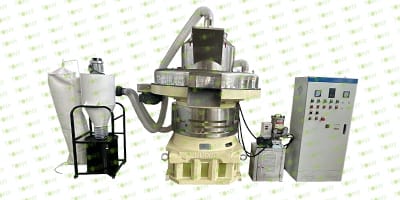 |
 |
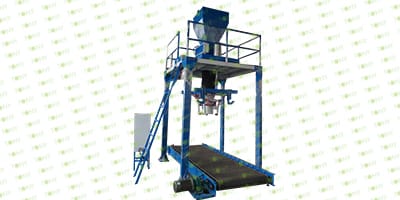 |
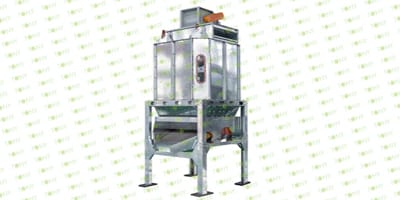
| Vertical Ring Die Pellet Machine | Galvanized Pellets Cooler | Ton Packing Machine |
| 1.To Press Straw Dust Into 6-8mm Biomass Pellets 2.Model: TYJ860-III-280KW*8Sets 3.Capacity:4-5Ton/Hour/Set 4.New 304SS Type |
1.To Cool Pellets From 80-90℃ to 20-30℃ 2.Model:TCN-10*2Sets 3.Capacity:32-40Ton/Hour |
1.To Pack Pellets Into 1 Ton/Bags. 2.Model: TBD*2Sets 3.Capacity: 32-40Ton/Hour |
1.Grinding Process
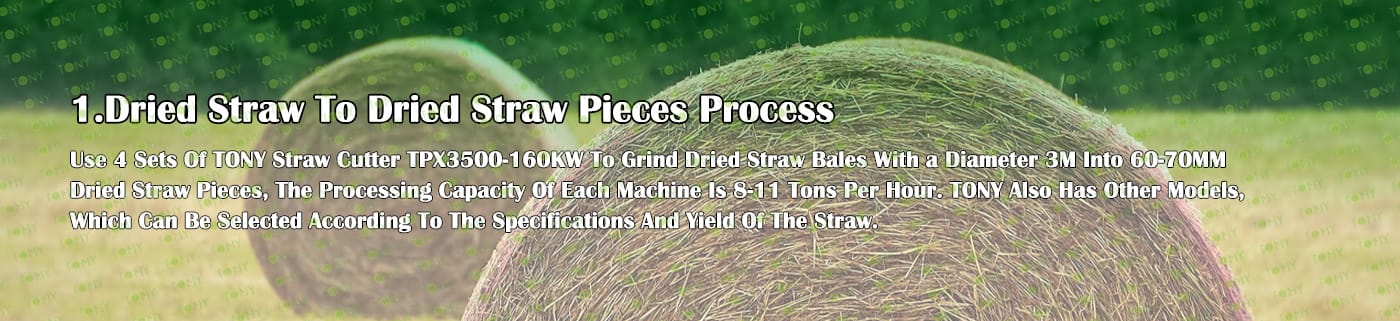
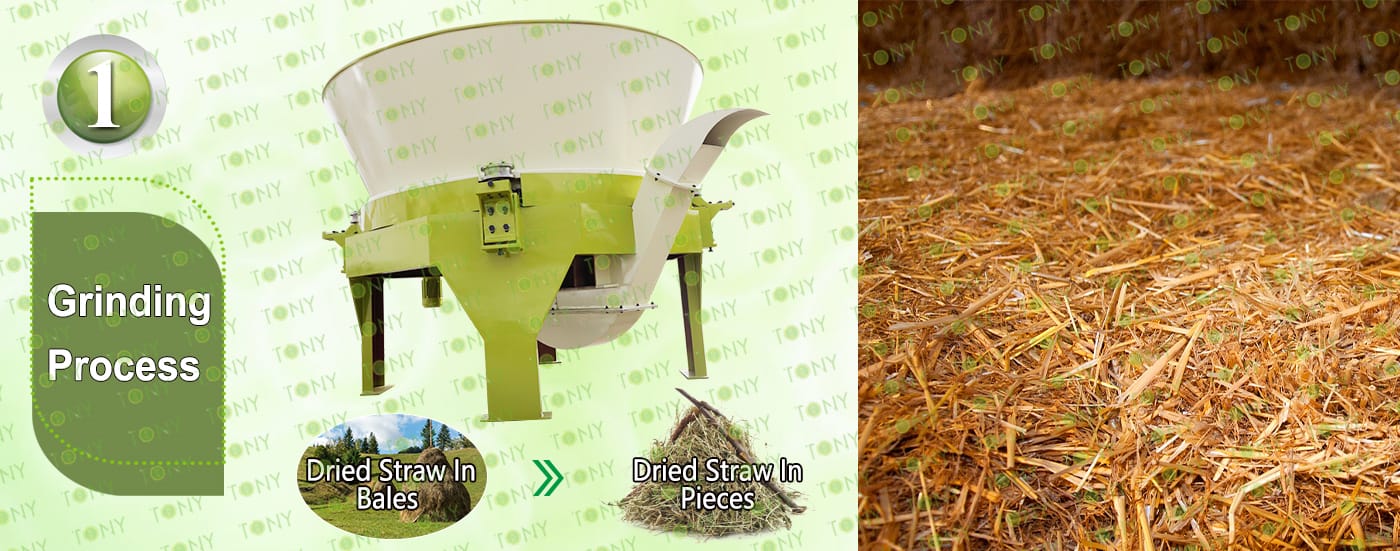
A.The process is mainly used to grind dried straw within 3m in diameter into dried straw pieces. The rotary cutting mode of the outer chain of the gear, the rotary cutting rotor blade is sharp, and the blade types are various, which can be rotated to cut various bales of straw with different diameters, different thicknesses, different lengths and different water contents
B.TONY brand straw cutter TPX3500-160KW models *4sets
C.Capacity:8-11Ton/Hour/Set
Main Parts:
(1)Tony's New Straw Cutter
(2)Enlarged Turntable
(3)Rotary Cutting System
(4)Drive system
(5)Electrical Cabinet.
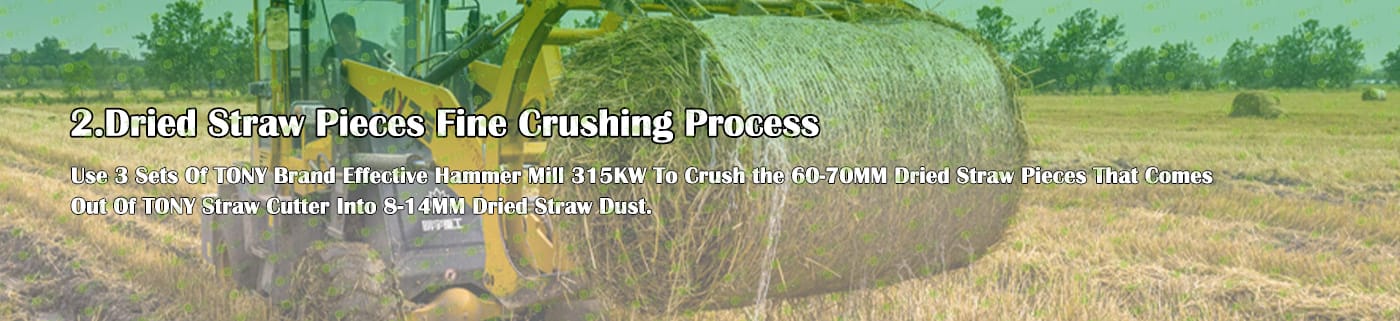
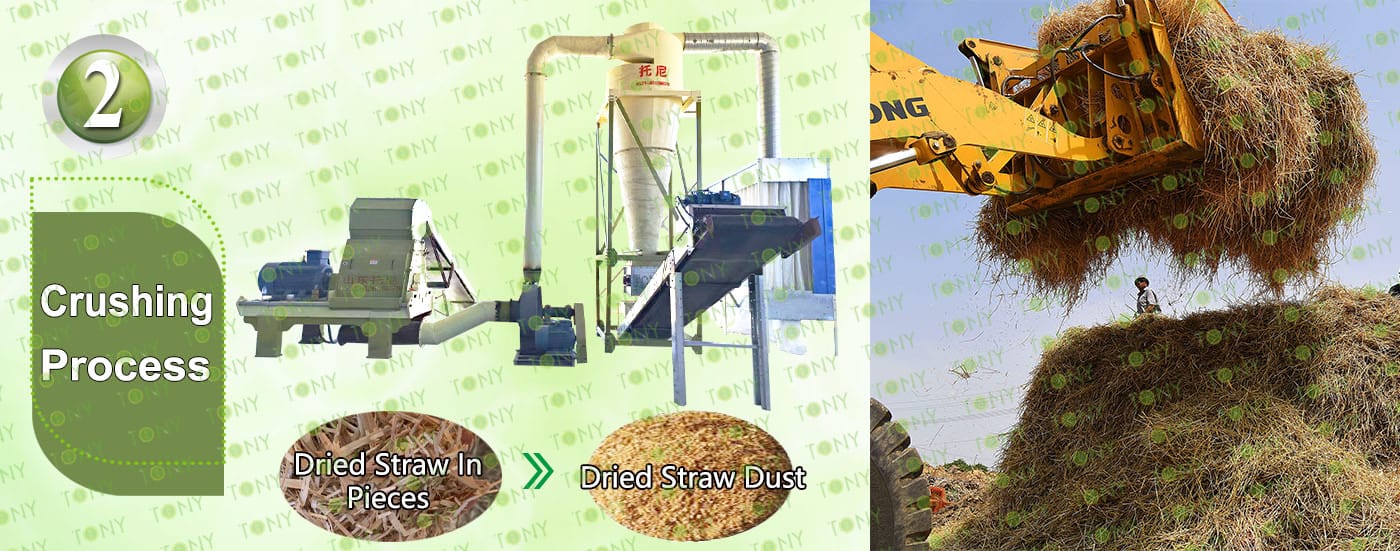
2.Fine Crushing Process
A. The process is mainly used to crush 60-70mm dried straw pieces into 8-14mm dried straw dust.
B.TONY brand effective hammer mill TFD100-200-315KW*3sets.
C.Capacity: 32-40Ton/Hour.
Main parts:
(1)TONY Effective Hammer Mill
(2)Galvanized Dust Collector.
(3)Sawdust Conveying Fan.
(4)Cyclone With Airlock.
(5)Electrical Cabinet.
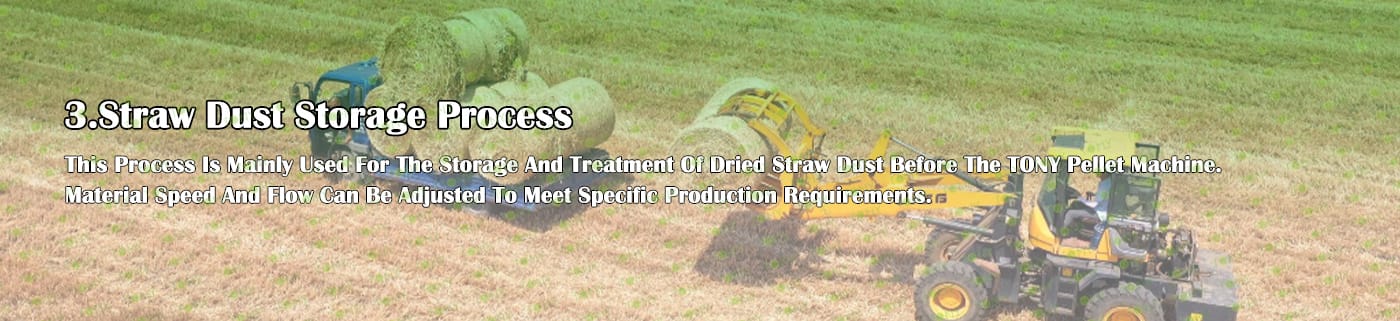
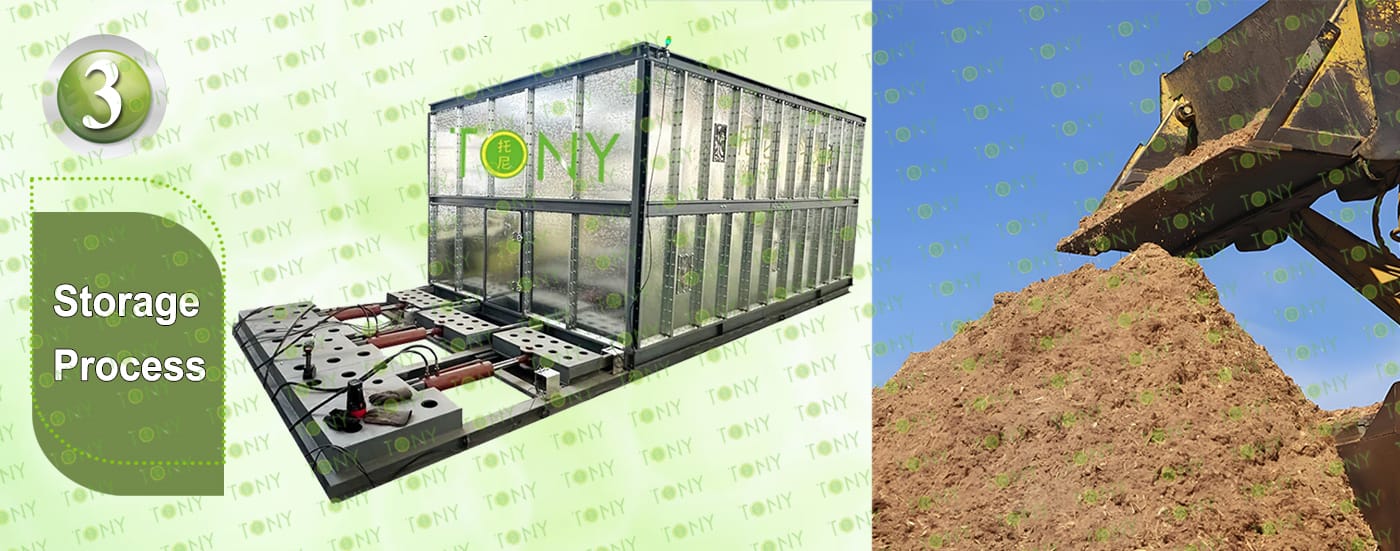
3.Straw Dust Storage Process:
A. This process is mainly used to storage the straw dust that comes out of the hammer mill.It is hydraulic galvanized storage silo which is more stable and straw dust in it is not easy to be blocked.
B.TONY Brand Large Hydraulic Storage Silo to storage the straw dust that comes out of the hammer mill.This process can be optional by customer.If customer do not chose the storage bin,he can storage the sawdust on the ground directly which may need some labour.
Main Parts:
(1)TONY's New Large Hydraulic Storage Silo.
(2)With Screws Inside the Storage Bin to Prevent Straw Dust Blocked.

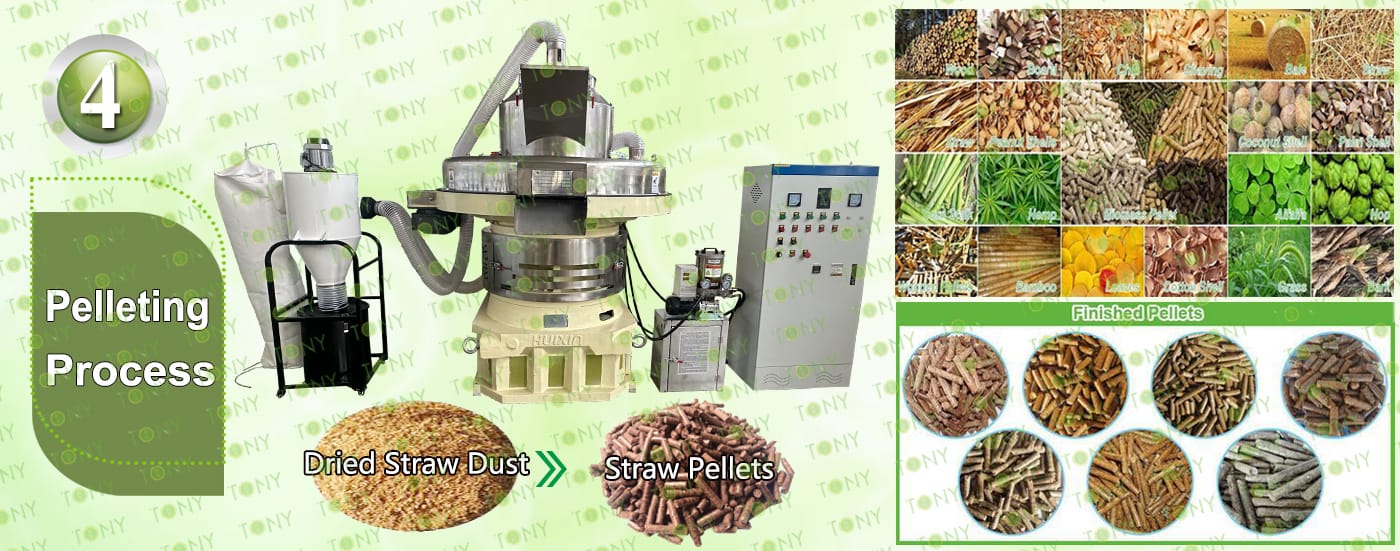
4.Pelletizing Process:
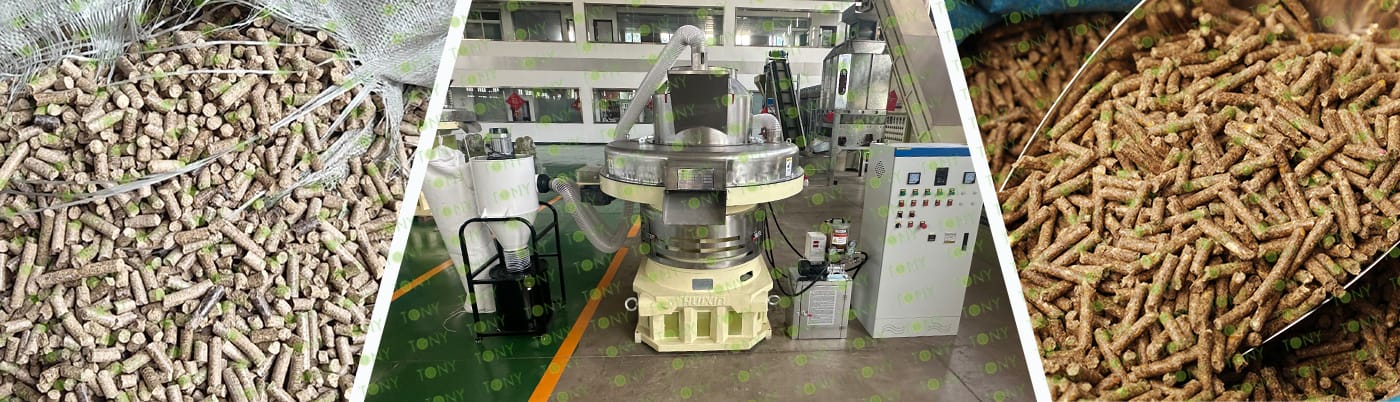
A.This process is mainly used to products pellets with φ6-8mm.
B.TONY brand vertical ring die pellet machine TYJ860-Ⅲ-280KW *8sets
C. Capacity:32-40Ton/Hour.
D.Double Screw Cycling Silo is added above the pellet machine, which has the advantages of saving space, saving labor, intelligently controlling the feeding speed, not easy to block the material, and improving production efficiency.
Main Parts:
(1)TONY New Vertical Ring Die Pellet Machine.
(2)Cyclone And Bags Dust Collectors.
(3)Bearings Automatic Lubrication System.
(4)Electrical Cabinets.
For more equipment details and information, you can contact TONY
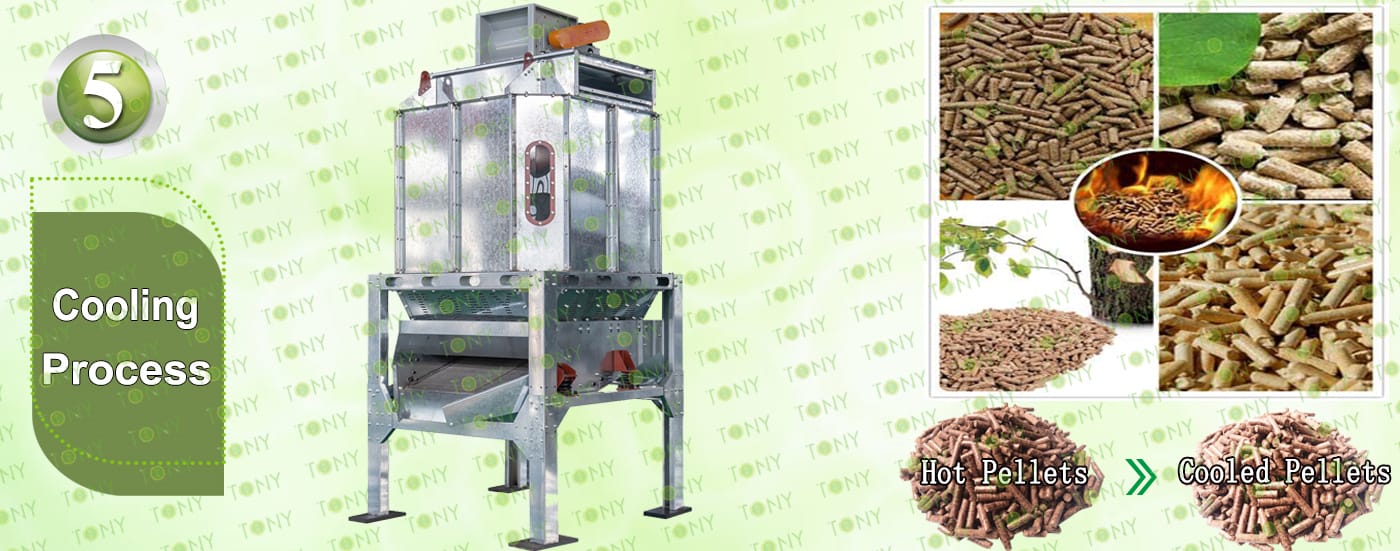
5.Cooling Process:
A.This process is mainly used to cool pellets from 80-90℃ to 20-30℃
B.TONY brand galvanized pellets cooler*2sets
C.Capacity:32-40Ton/Hour.
Main Parts:
(1)TONY's New Galvanized Pellets Cooler Separator With Vibrating Screen.
(2)Cyclone and bags dust collectors.
(3)Fan Blower.
(4)Connect Pipes.

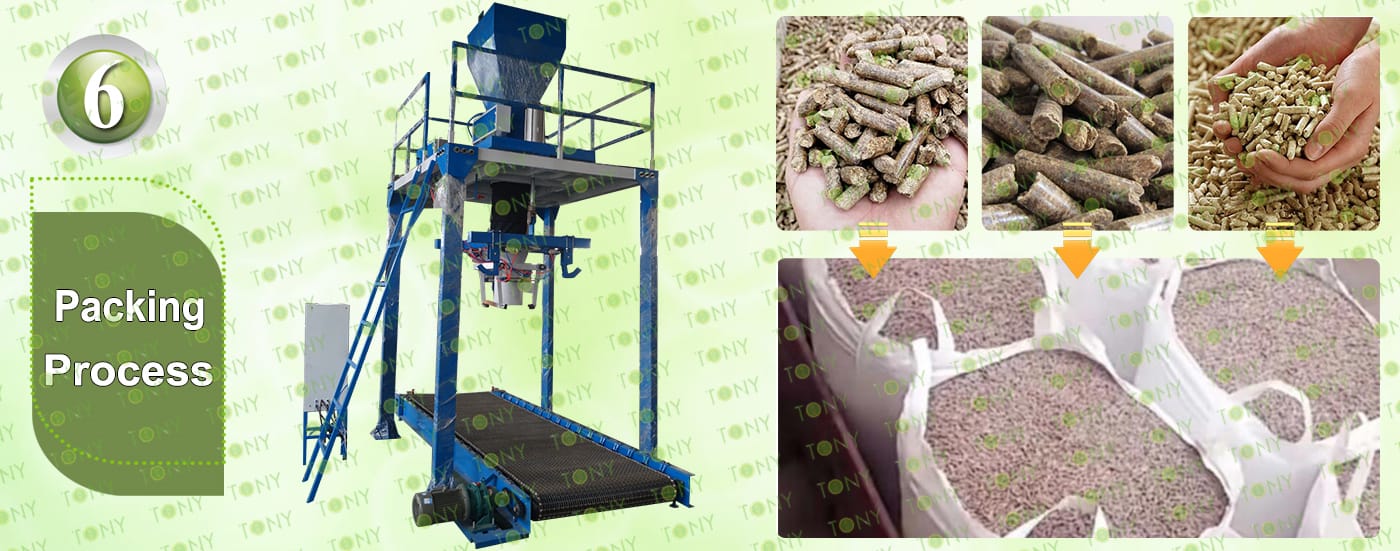
6. Packing Process:
A.This process is mainly used to pack pellets into 1ton/bags.
B.TONY brand ton packing machine*2sets
C.Capacity: 32-40Ton/Hour
Main Parts:
(1)TONY Ton Packing Machine
(2)Electronic Platform Scale Metering System
(3)Automatic Tare, Zero, and Drop Correction Functions
(4)Feeding System Features Fast, Medium, and Slow Feeding Speeds to Ensure Measuring Accuracy

Cost Advantages of Dry Straw to Biomass Pellets
Cost control is key to project profitability. Dry straw projects offer significant advantages in both initial investment and long-term operations. Dry straw to biomass pellet projects require low equipment investment and low operating energy consumption, lowering the threshold for profitability.
1.Lower Equipment Investment:
There is no need for the costly drying systems (such as drum dryers and hot air furnaces) required for wet straw projects. Total equipment investment is 25%-35% lower than for wet straw projects, significantly reducing initial capital pressure.
2.Lower Operating Energy Consumption:
Dry straw has already reached the desired moisture content (10%-15%), resulting in 30%-50% lower energy consumption per ton of pellet processing than for wet straw projects, saving 20%-30% in annual electricity costs.
3.Low raw material storage costs:
Dry straw is less susceptible to mold and can be stored for long periods (6-12 months) in ventilated, rainproof sheds. This eliminates the need for silage pits or temperature-controlled warehouses required for wet straw projects, reducing storage facility costs by over 60% and eliminating the need for additional costs such as mold inhibitors.

1.Eliminating pollution from straw burning:
Converting straw, which previously produces PM2.5 and sulfur dioxide, into solid pellets reduces pollutant emissions by over 90%, solving the straw disposal problem at the source and avoiding environmental penalties.
2.Renewable and zero land occupation:
Using agricultural waste as the raw material, there is no need to mine it like coal or oil, nor does it require arable land like grain crops. The straw resource can be recycled annually.
3.Zero waste throughout the entire supply chain:
Pellets produced during production can be recycled, and the ash from combustion/feeding can be used as organic fertilizer. This achieves a resource utilization rate of over 95%, creating a closed loop of "straw - pellets - ash - fertilizer" with no residual waste.
4.Significantly Reduced Storage and Transportation Costs:
With a density of 1.1-1.3g/cm³ (energy pellets) or 0.8-1.0g/cm³ (feed pellets), these pellets are 10-20 times denser than loose straw. One ton of pellets requires only 1-1.5m³ of space, reducing storage costs by 80%. Transportation losses are less than 3% (compared to 10%-15% for loose straw), resulting in a 40%-60% reduction in freight costs.
5.Improved Efficiency and Stability:
Energy pellets boast a combustion efficiency exceeding 85% (compared to 50% for loose straw), a stable calorific value of 15-18MJ/kg, and precise temperature control. Feed pellets also improve palatability (cattle and sheep feed intake increases by 20%-30%) and digestibility by 15%-20%, addressing the inefficiency and instability associated with loose straw.


2025 Tony Machinery - All Rights Reserved. Map