





















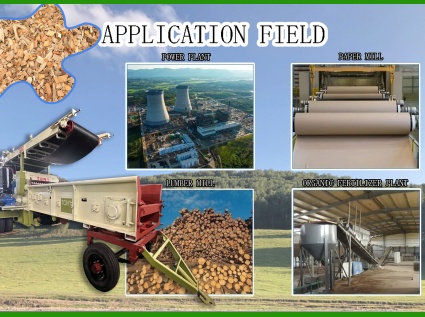
In the biomass pelleting production process, crushing is the first core step. The uniformity and stability of raw material processing directly determine the pellet forming quality, production efficiency, and finished product appearance. Traditional stationary crushing equipment is severely limited b
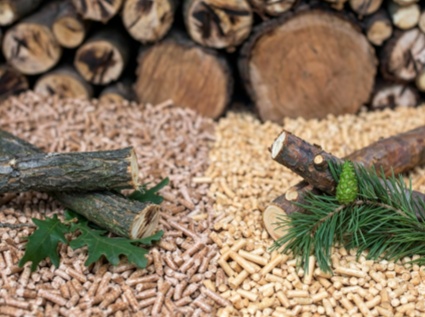
Every year, agricultural and forestry production generates massive amounts of waste materials such as straw, sawdust, branches, rice husks, and bamboo shavings. Previously, these wastes were mostly burned on-site or haphazardly piled up, not only occupying land and polluting the environment but also
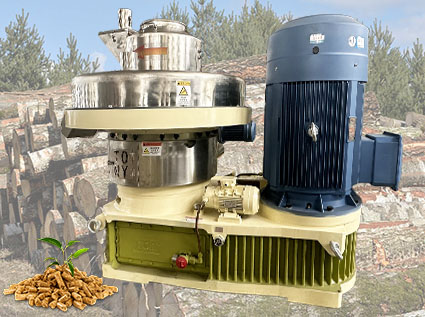
Biomass pelleting and feed pelleting are currently low-barrier-to-entry, high-return entrepreneurial projects. Waste materials such as sawdust, straw, rice husks, and forage can all be transformed into valuable resources, with stable sales and strong market demand. However, the key to long-term prof

Under the dual-carbon strategy, the core of energy development is no longer simply energy conservation and emission reduction, but rather the construction of a green energy system that is recyclable, sustainable, low-consumption, and low-pollution. The traditional fossil fuel consumption model, char

There is no unified fixed cycle for lubricating oil in wood pellet machine. It needs to be differentiated according to different parts of the equipment and the operating time. Standardized lubricating oil filling is the core maintenance method to reduce component wear, avoid equipment failure, and e
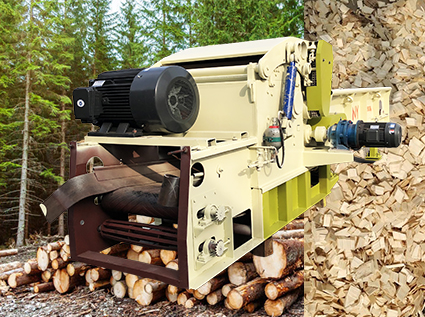
The core of biomass pellet production lies in the quality of raw materials. Irregular raw material shapes, uneven sizes, and impurities are the main causes of pelleting blockages, equipment wear, and high defect rates. As a core piece of equipment for raw material pretreatment, the comprehensive cru
2025 Tony Machinery - All Rights Reserved. Map