






















The ring die is the core forming component of the biomass pellet machine; prolonged use leads to issues such as aperture wear, inner wall coking, deformation, and clogging, all of which directly impact pellet formation rates and product quality. Regular ring die replacement is crucial for ensuring s
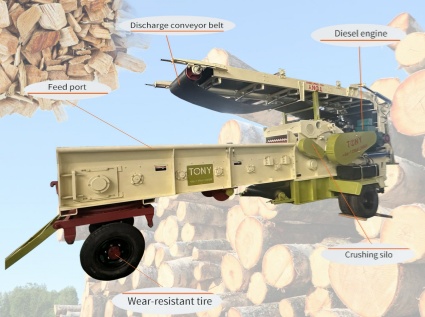
Biomass feedstocks are diverse and geographically dispersed, often consisting of mixed piles of branches, straw, scrap wood, and offcuts. Traditional stationary crushers are constrained by power supply and site limitations, making the processing of mixed materials difficult and transport costs high.

Field crop stalks, forest trimmings, and wood processing offcuts—once-neglected agricultural and forestry waste—posed significant environmental challenges for rural areas and processing industries; haphazardly piled, they occupied valuable land, while open-air burning caused pollution. Today, these
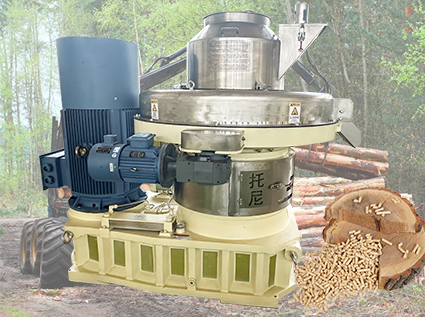
Within the entire pellet production process, equipment such as crushers, pulverizers, dryers, and cooling/screening units plays a supporting role, whereas the pellet mill stands as the critical core and the engine of productivity for the entire line. The quality of the output, the integrity of the p

When comparing total energy costs, the cost-effectiveness of biomass pellets is particularly striking. For the same calorific output, the unit price of biomass pellet fuel is far lower than that of coal; furthermore, the minimal ash residue generated significantly reduces labor and maintenance costs

Equipment clogging is the most common issue encountered during biomass pellet production line; it not only disrupts schedules and reduces output but also accelerates wear on dies and rollers, thereby increasing maintenance costs. Frequent clogging is rarely due to equipment malfunction itself but ra
2025 Tony Machinery - All Rights Reserved. Map