





















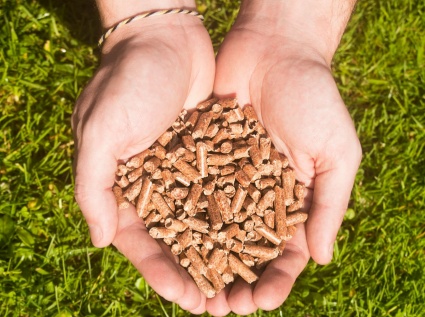
Biomass pellets represent a new type of clean, energy-efficient, and eco-friendly energy source. They are produced from a wide variety of abundant raw materials—including agricultural and forestry waste, herbaceous plants, and industrial scraps—with each material type offering specific advantages fo
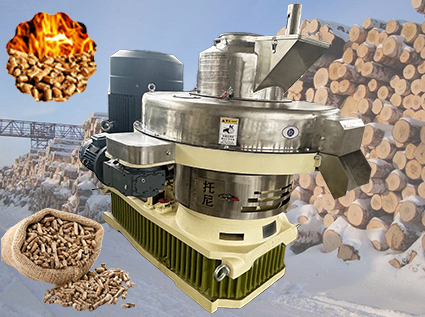
In pellet production, the biggest concerns are fluctuating output, inconsistent pellet quality, and frequent material blockages and shortages. No matter how robust the equipment hardware, without mature core technology, production will remain unstable, and profits will still shrink. A reliable pelle
At the industrial and social value level, biomass pellets have streamlined the waste recycling industry chain, achieving a win-win situation for ecology, economy, and society. Ecologically, they effectively solve the problems of open burning of agricultural and forestry waste and pollution from soli
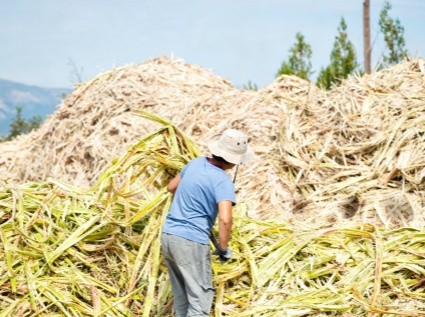
Sugarcane bagasse is a high-quality raw material for biomass pelleting, boasting advantages such as high yield, stable calorific value, and renewability. However, it also has inherent characteristics such as long fibers, high silicon content, low lignin, and large fluctuations in moisture content. C
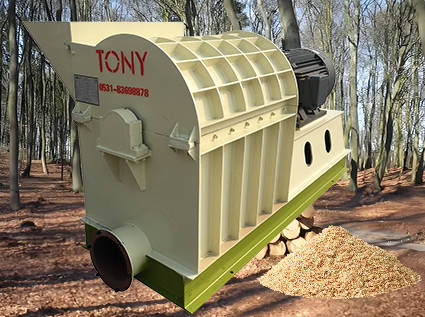
In pellet production line for feed, biomass, and grain processing, many production failures and efficiency losses often stem not from the pellet mill itself, but from the pre-processing steps. As the core pre-processing equipment in a pelleting production line, the multi-functional pulverizer's grin
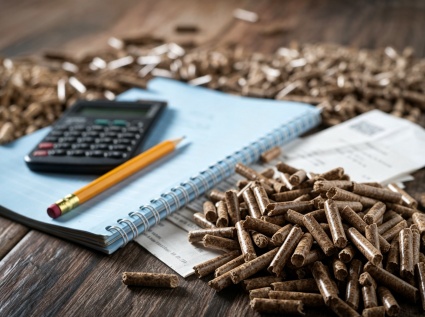
The unified pelleting of diverse raw materials brings about a dual leap in both ecology and economy.From an environmental perspective, the pelleting of everything model maximizes the utilization of various idle and waste resources, eliminating straw burning and solid waste accumulation at the source
2025 Tony Machinery - All Rights Reserved. Map