





















The unified pelleting of diverse raw materials brings about a dual leap in both ecology and economy.
From an environmental perspective, the pelleting of everything model maximizes the utilization of various idle and waste resources, eliminating straw burning and solid waste accumulation at the source, and significantly reducing pollutant emissions. Simultaneously, biomass pellets are a carbon-neutral energy source, burning with low carbon and sulfur content, and producing no excessive emissions of harmful gases, aligning with green emission reduction requirements. The ash from combustion can also be returned to the fields as fertilizer, forming a complete ecological cycle.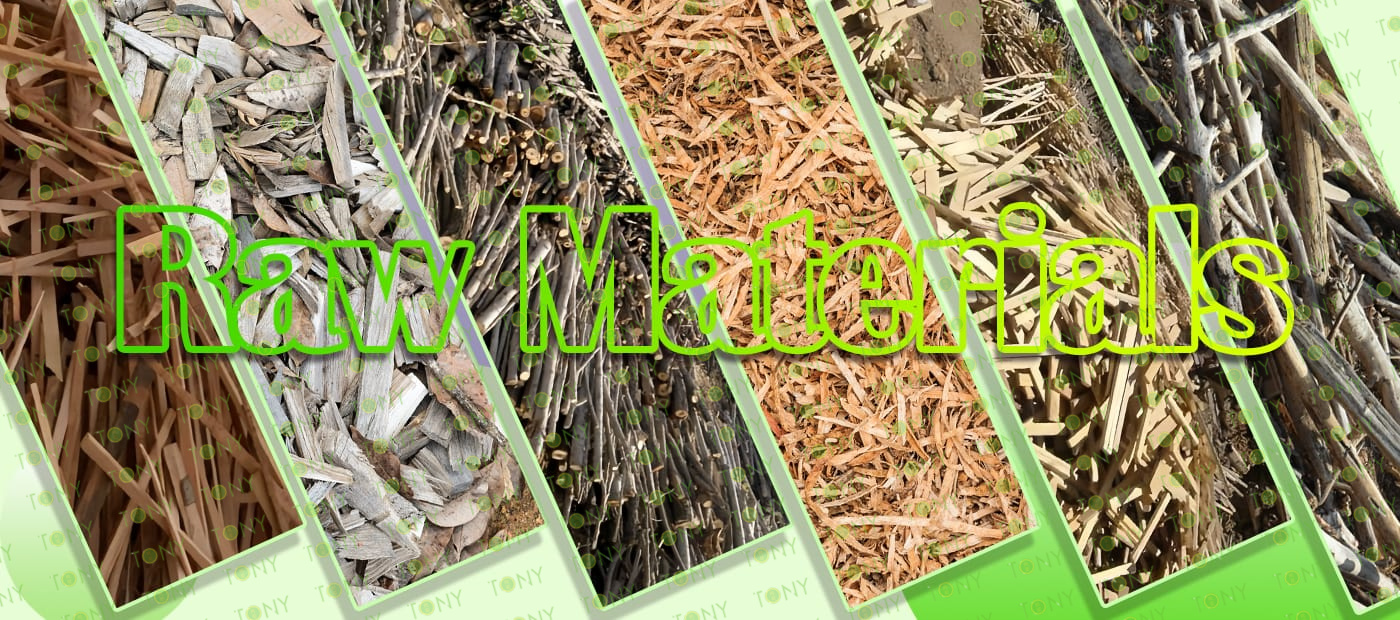
From a practical and economic perspective, the multi-raw material pelleting model ensures the stability and universality of energy supply. Unrestricted by the output, season, or region of a single raw material, local areas can source materials and process them locally, effectively avoiding problems such as energy price fluctuations and supply shortages. The pellet fuel, once formed, burns completely, has stable heat output, and high energy efficiency, making it suitable for various scenarios such as industrial heating, agricultural product drying, and urban and rural heating. Compared to coal, it significantly reduces energy costs, truly achieving environmental protection without price premiums, and energy saving while saving money.
The ability to pelletize everything is essentially a revolution in resource thinking. Breaking away from the conventional wisdom that waste is useless, we can ensure that every piece of agricultural, forestry, and industrial solid waste has value, enabling the recycling and continuous empowerment of waste resources. Under the major trend of energy transition and circular development, biomass pelleting technology, with its advantages of versatility, green and low-carbon characteristics, and economic efficiency, transforms readily available waste into a continuous source of green energy, injecting lasting momentum into industrial low-carbon upgrading, ecological environmental protection, and rural income growth and prosperity.