





















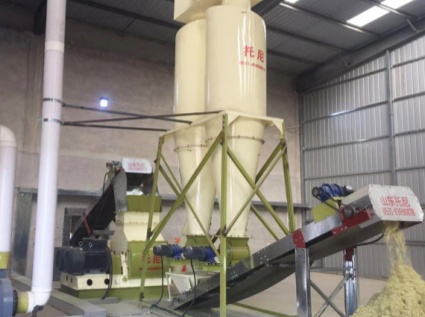
The core challenge in biomass pellet production lies in the nature of the raw materials: they are diverse and irregular, vary in size, and possess tough fibers. Direct processing often leads to issues such as poor pellet formation, machine clogging, and low output. As a key pre-processing unit, the
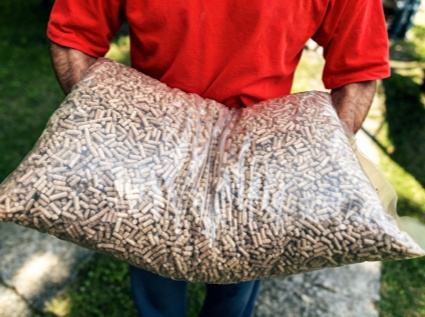
Amid the broader trends of the green energy transition and corporate efforts to cut costs and emissions, new energy solutions must look beyond mere "eco-friendly gimmicks" and prioritize genuine energy efficiency, supply stability, and practical implementation costs. Biomass pellets have secured a f
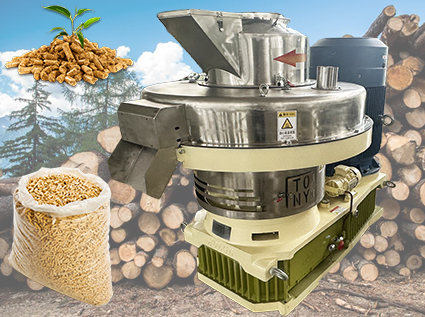
In the pellet processing industry, many operators struggle with equipment-related headaches: inconsistent output, frequent clogging and shutdowns, fluctuating production rates, significant raw material waste, and poor-quality finished products that fail to command a good price. Choosing the right eq

Against the backdrop of industrial energy-saving retrofits, residential heating upgrades, and "dual-carbon" emission reduction goals, finding sustainable, low-cost, and low-pollution alternative energy sources has become a core requirement across various sectors. Produced from recycled agricultural,

EFB (Empty Fruit Bunches) are a major waste product of the palm oil industry; they are abundant and renewable but—in their raw state—are bulky, have high moisture content, and are difficult to store and transport. Direct incineration leads to resource waste and environmental pollution. Processing EF
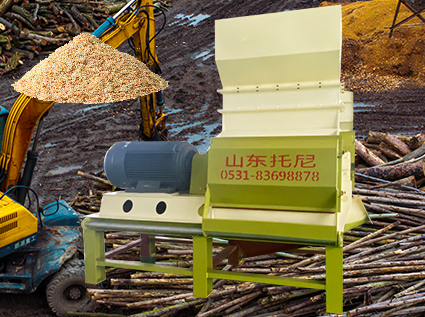
Effective pretreatment for high-efficiency hammer mills begins with ensuring precise control over the grinding particle size. The fundamental principle of granulation relies on the bonding of uniform powder under pressure; if particle sizes are inconsistent, fine powder tends to over-compress and ge
2025 Tony Machinery - All Rights Reserved. Map