





















EFB (Empty Fruit Bunches) are a major waste product of the palm oil industry; they are abundant and renewable but—in their raw state—are bulky, have high moisture content, and are difficult to store and transport. Direct incineration leads to resource waste and environmental pollution. Processing EFB with a biomass pellet mill transforms it into high-quality, clean pellet fuel, enabling the efficient resource utilization of agricultural and forestry waste and aligning with green, low-carbon energy trends.
Biomass pellet mill is specialized equipment designed to handle the specific characteristics of EFB, effectively managing the loose fiber structure and high moisture content of the material. The processing workflow is streamlined and efficient: raw EFB is first crushed and dried to meet moisture standards before being fed into the pellet mill. Inside the machine, high-pressure extrusion between the press rollers and the ring die—combined with frictional heat that softens the lignin within the material—binds the loose fibers together, compressing them into uniform cylindrical pellets. The formed pellets undergo cooling and screening to produce the final fuel product.
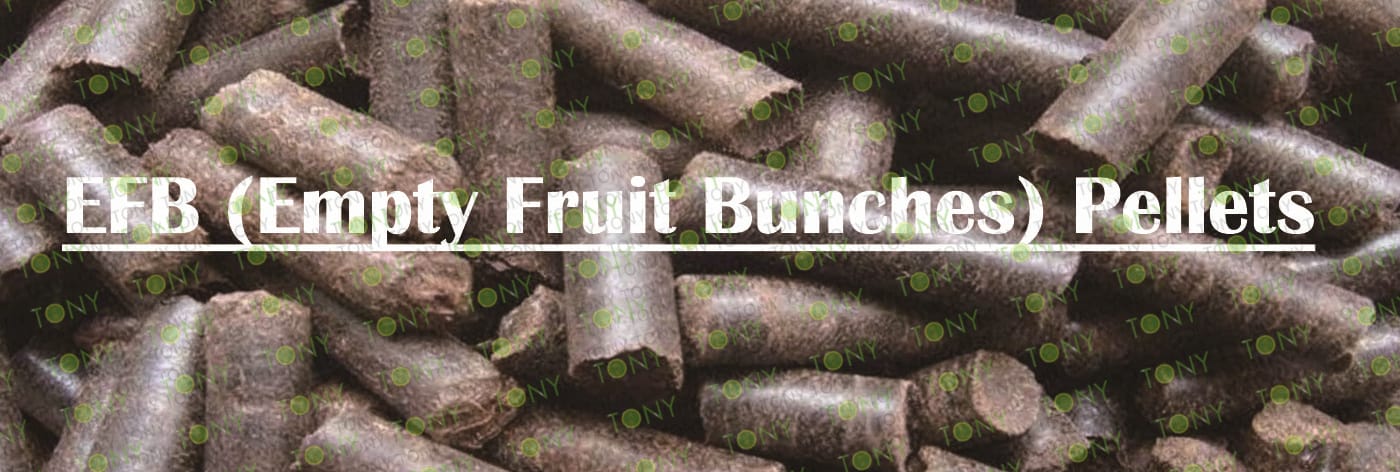
EFB pellets produced in this manner offer significant advantages over raw waste; their density is greatly increased and their volume significantly reduced, leading to substantial savings in storage and transportation costs. Furthermore, the fuel boasts a stable calorific value and burns thoroughly without emitting smoke, dust, or harmful gases, resulting in far less pollution than fossil fuels like coal. With a wide range of applications—including industrial boiler heating, power generation, and residential heating and cooking—it serves as an excellent alternative to fossil fuels.
Using biomass pellet mills to process EFB into fuel solves the pollution problems caused by waste accumulation in the palm industry while revitalizing waste biomass resources and turning waste into a valuable asset. This approach delivers ecological, economic, and social benefits, representing an excellent technological pathway for the circular utilization of agricultural and forestry biomass.