





















Against the backdrop of industrial energy-saving retrofits, residential heating upgrades, and "dual-carbon" emission reduction goals, finding sustainable, low-cost, and low-pollution alternative energy sources has become a core requirement across various sectors. Produced from recycled agricultural, forestry, and industrial waste, biomass pellet fuel offers key advantages—including sustainability, a virtually inexhaustible supply, and cost-effectiveness. It serves as a high-quality green alternative to traditional coal, effectively addressing critical issues such as the depletion of fossil fuels, high coal costs, and immense environmental pressure.
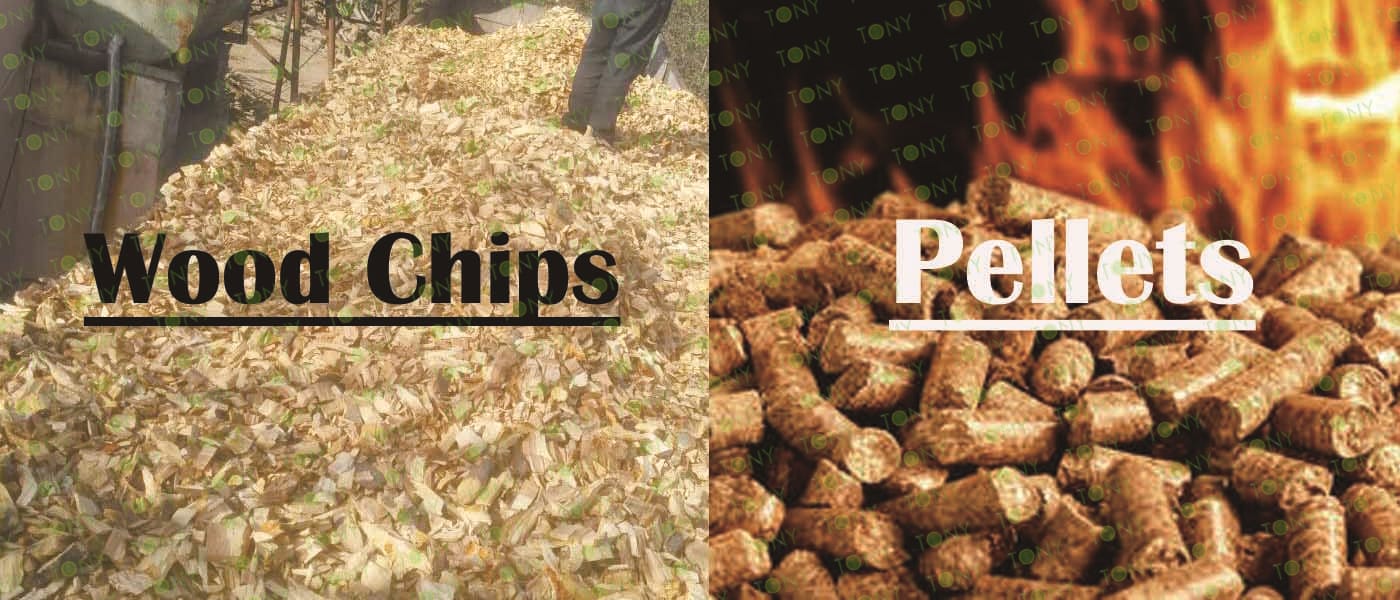
Beyond the advantages of renewable resources, exceptional cost-efficiency is the primary driver behind biomass pellets' ability to fully replace coal; long-term use can significantly lower energy costs for both industrial enterprises and households. Regarding raw materials, agricultural and forestry waste—as well as processing by-products—are typically low-value or even zero-cost resources, resulting in minimal procurement expenses and production costs far lower than those of coal or natural gas. In terms of combustion efficiency, high-pressure molded biomass pellets feature high density, low moisture content, stable calorific value, and near-complete combustion with minimal waste. In contrast, raw coal combustion involves significant impurities and low burnout rates, with substantial heat loss occurring through slag and flue gas; consequently, for the same heating output, the actual utilization efficiency of biomass pellets far exceeds that of standard coal.