






















With the continuous advancement of dual-carbon goals and the accelerated transition to green energy, the shortcomings of traditional fossil fuels—high pollution, high consumption, and non-renewability—are becoming increasingly prominent. Biomass pellets, produced from agricultural and forestry waste

Minor Blockage | Quick On-Site Emergency Unblocking (No Shutdown/Short Stop)Applicable Scenarios: Uneven material output, partial die hole discharge, material jamming, no hard lumps causing blockage1. Oil Soaking Softening Method (Safest, No Damage to Die)Immediately stop dry material feeding. Spray
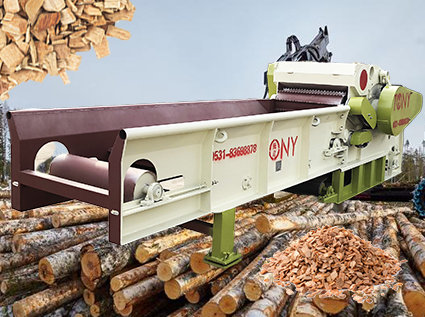
In the production of biomass pellets, the biggest impact on production capacity is not the pellet machine, but the messy raw materials and uneven particle sizes!Logs, board scraps, miscellaneous wood, bark, long straw, bamboo materials, and waste formwork materials are of various sizes, soft and har
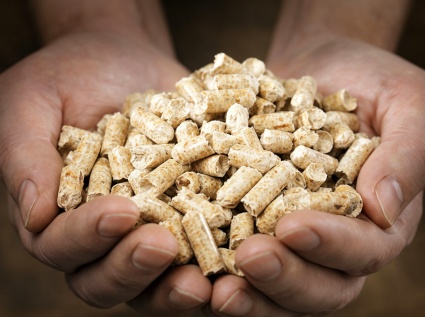
I. Labor Costs (Reducing workforce through automation)1. Upgrade to fully automated production linesImplement automatic feeding, air cooling, screening, and weighing/packaging; reduce staffing from 3 to 1–2 operators per small-scale line, cutting labor costs per ton by half.2. Multi-skilled ro
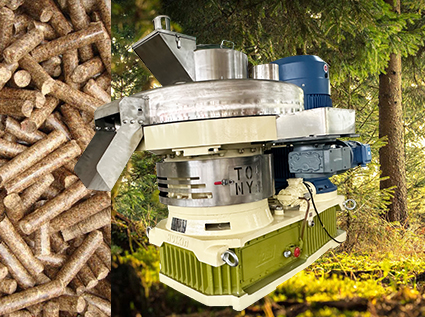
The biggest problems with many inferior pellet mills are: inconsistent output speed, uneven pellet size, loose and brittle texture, and low yield. This not only affects output but also directly lowers the selling price of the pellets, resulting in poor customer repurchase rates.TONY pellet mills rel

Amidst the drive for green development guided by "dual-carbon" goals, issues such as the depletion of traditional fossil fuels, waste pollution, and ecological imbalances have become increasingly prominent. The biomass pellet processing industry, however, leverages a unique resource-cycling model to
2025 Tony Machinery - All Rights Reserved. Map