





















Amidst the drive for green development guided by "dual-carbon" goals, issues such as the depletion of traditional fossil fuels, waste pollution, and ecological imbalances have become increasingly prominent. The biomass pellet processing industry, however, leverages a unique resource-cycling model to revitalize renewable agricultural and forestry waste, establishing a closed-loop system comprising "resource collection, processing and conversion, energy utilization, and ecological regeneration." This approach achieves the sustainable regeneration and efficient use of natural resources, serving as a vital pillar of the green, low-carbon industry.
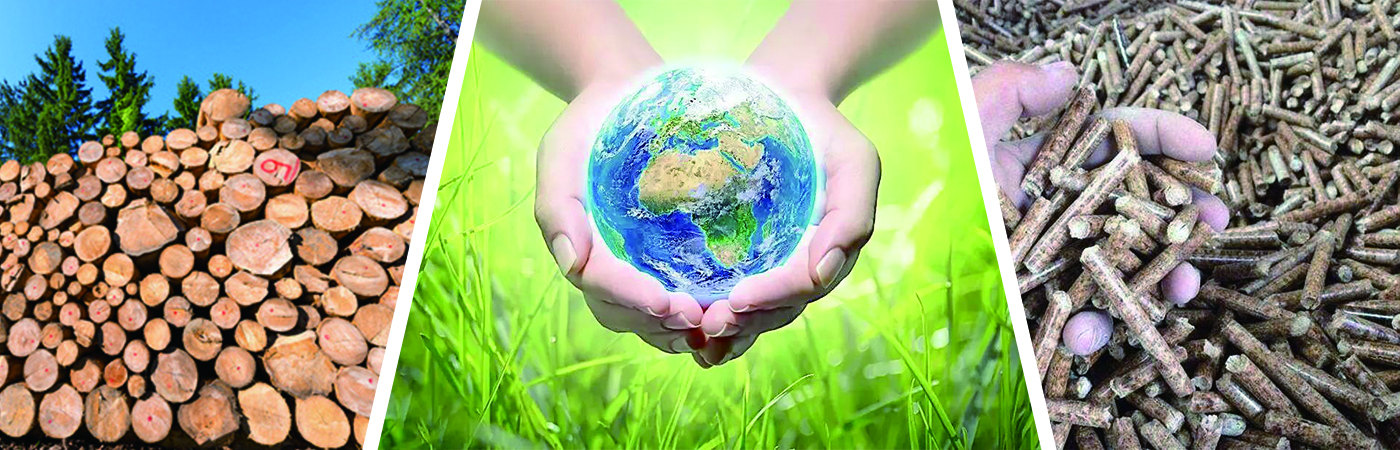
The core of sustainable resource regeneration in biomass pellet production lies in the inherently renewable nature of the raw materials. Unlike non-renewable fossil fuels such as coal and petroleum, these materials consist primarily of agricultural and forestry biomass—including crop stalks, forestry residues, and garden or livestock waste—which are replenished annually through natural cycles, eliminating the risk of resource depletion. While such waste was traditionally burned or discarded—resulting in both resource waste and environmental pollution—the biomass pellet industry consolidates and converts these materials, ensuring a stable, continuous supply of green resources at the source.
Standardized green processing technology is the key to efficient resource regeneration. Through processes such as sorting and impurity removal, fine pulverization, and high-temperature, high-pressure extrusion—and by utilizing the natural binding properties of the biomass's own lignin—loose, hard-to-transport, and low-utility agricultural and forestry waste is transformed into high-density, high-calorific pellet fuel. This process significantly increases material density and optimizes storage, transport, and combustion efficiency; furthermore, it operates with low energy consumption and emissions and generates no secondary pollution, thereby achieving the clean, efficient regeneration and conversion of waste biomass resources.