





















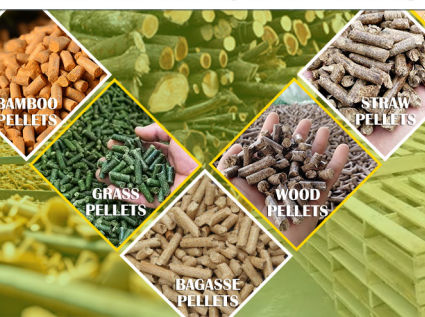
Biomass pellet feedstocks are derived from agricultural and forestry by-products such as straw, sawdust, tree branches, and rice husks. Since crops are cultivated and harvested annually and forests undergo continuous pruning and tending, these resources grow naturally and regenerate cyclically—unlik
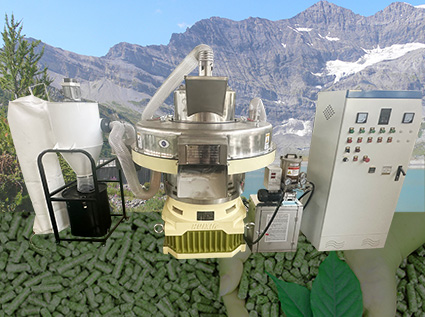
1. New Machine/New Ring Die: Gradual Break-inNew dies and pressure rollers should not be put into full-load production immediately. First, use high-oil sawdust and low-feed material for 2-4 hours to break in, gradually increasing capacity to avoid instantaneous tearing of contact surfaces and perman
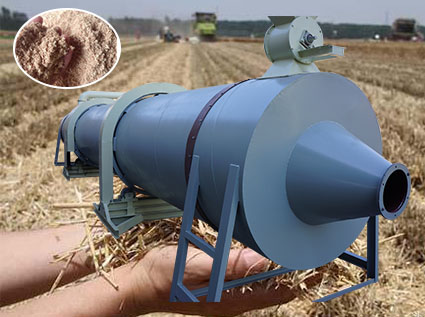
To produce well-formed, high-density, and non-scattering biomass pellets, a rotary drum dryer is an indispensable component of the entire production line.Fresh raw materials such as straw, sawdust, branches, and bamboo shavings generally have a high moisture content, mostly between 30% and 60%. Feed
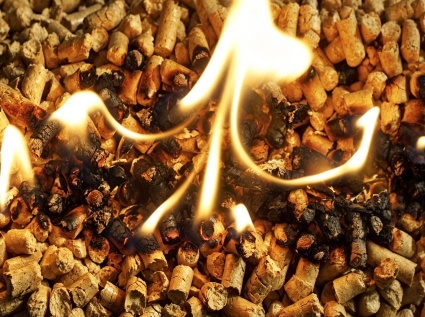
I. Energy Costs (Second largest expense; primarily electricity)1. Electricity Rate StandardsThere is a price difference between industrial electricity rates in industrial parks and agricultural rates for individual rural users.2. Production Line Configuration (Drying vs. No Drying)Crushing and pelle

The raw materials are derived from agricultural and forestry waste such as straw, sawdust, branches, bamboo shavings, and fruit shells, requiring no arable land and turning waste into treasure, achieving resource recycling.After crushing, drying, and extrusion molding, high-density pellets are produ
1. Thoroughly remove impurities to prevent hard objects from entering. Stones, sand, nails, and metal shavings are the number one killers of ring die cracking and pressure roller breakage.Use a front-end magnetic separator + vibrating screen for triple iron and stone removal; screen wood chips first
2025 Tony Machinery - All Rights Reserved. Map