





















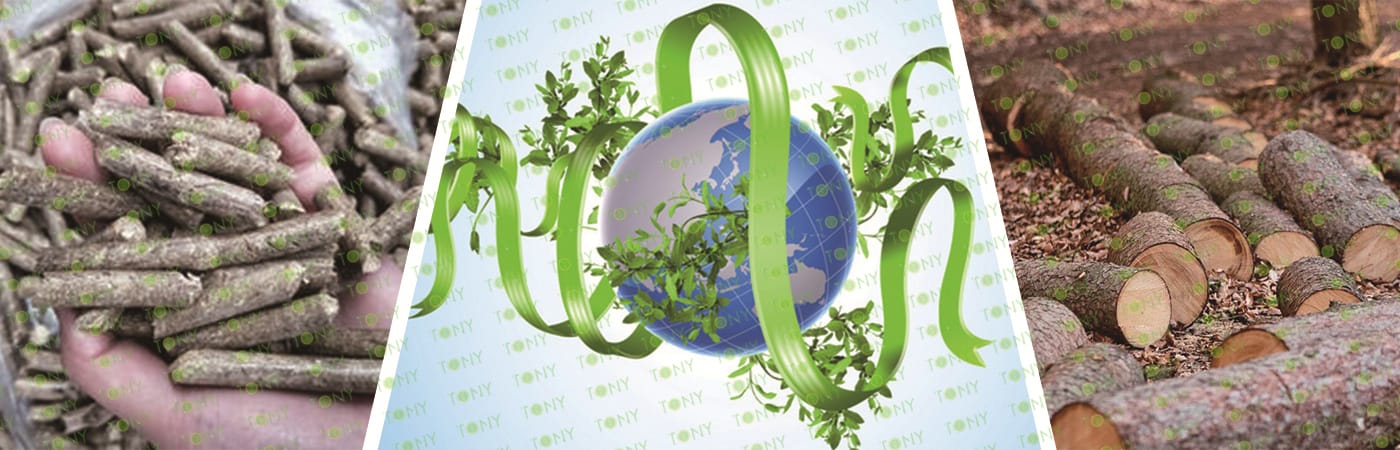
The raw materials are derived from agricultural and forestry waste such as straw, sawdust, branches, bamboo shavings, and fruit shells, requiring no arable land and turning waste into treasure, achieving resource recycling.
After crushing, drying, and extrusion molding, high-density pellets are produced, with stable calorific value and complete combustion. Compared to coal, they produce less smoke and dust and extremely low sulfur and nitrogen emissions, meeting local environmental emission standards.
They are suitable for heating boilers, industrial kilns, livestock hot air furnaces, and residential heating stoves, significantly reducing fuel costs by replacing coal and natural gas.
Five Core Advantages
1. Function + Benefits:
Renewable and recyclable fuel, made from recycled agricultural and forestry waste, ensuring a continuous and stable supply with inexhaustible resources.
2. Pain Points + Solutions:
Coal combustion causes significant pollution, stringent environmental regulations, and high natural gas costs; biomass pellets are low in sulfur and smoke, have easier approval processes, and a lower fuel price per unit.
3. Data + Advantages:
Densely formed pellets with high calorific value, producing less ash upon combustion (only 2%-5% ash content), and boasting thermal efficiency far exceeding that of bulk straw.
4. Scenarios + Value:
Covers all applications including industrial heating, factory heating, livestock heating, biomass power plants, and commercial hot water boilers.
5. Comparison + Advantages:
Significantly lower carbon emissions compared to fossil fuels, making it a carbon-neutral clean energy source, and enjoying support from green energy policies. As a renewable and clean energy source, biomass pellets have a sustainable annual production of raw materials, unlike fossil fuels which become increasingly scarce. Balancing environmental and economic benefits, it is the preferred core new energy fuel for factories, farms, and heating projects.