





















Biomass pellet feedstocks are derived from agricultural and forestry by-products such as straw, sawdust, tree branches, and rice husks. Since crops are cultivated and harvested annually and forests undergo continuous pruning and tending, these resources grow naturally and regenerate cyclically—unlike coal, oil, and gas, which are depleted through extraction. Relying on these sustainably self-renewing resources ensures a stable, long-term supply of biomass fuel, making it a naturally renewable energy source.
Biomass pellets rely on the self-renewal of agricultural and forestry resources, distinguishing them sharply from non-renewable fossil fuels. Crops are planted in annual cycles and forests are managed for sustainable growth, continuously yielding waste materials like straw, sawdust, and branches. Processing these wastes into fuel for heat generation allows the resulting ash to be returned to the fields to nourish crops and trees. This creates a complete closed-loop system—"resource growth → waste pelletization → clean energy use → ash for soil enrichment"—enabling continuous resource regeneration and low-carbon, circular development.
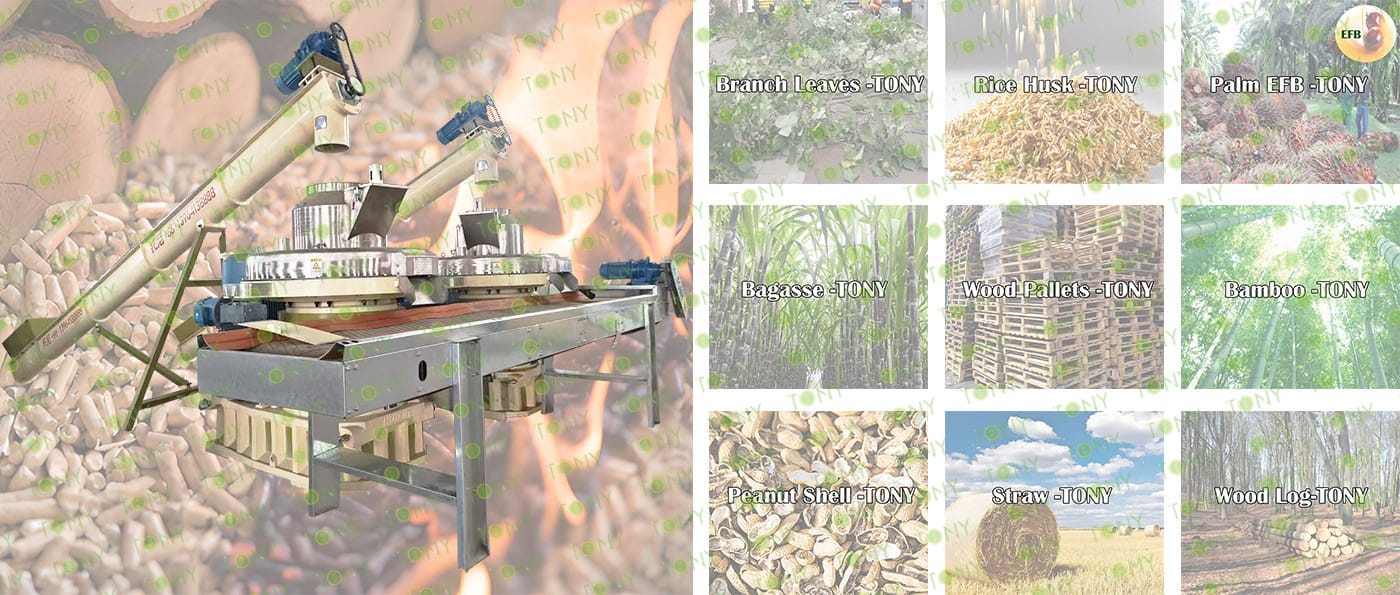
Unlike non-renewable fossil fuels such as coal, oil, and natural gas, biomass pellets are made from feedstocks that naturally regenerate every year—including trees, crops, and agricultural/forestry waste. As plants grow and renew themselves seasonally and annually, the resource supply remains continuous, self-replenishing, and cyclical. By repurposing waste materials like sawdust, branches, and straw, a complete ecological closed-loop is established—"natural carbon sequestration → waste regeneration → clean energy supply → ash returned to soil"—truly realizing sustainable, circular energy development.