





















With the continuous advancement of dual-carbon goals and the accelerated transition to green energy, the shortcomings of traditional fossil fuels—high pollution, high consumption, and non-renewability—are becoming increasingly prominent. Biomass pellets, produced from agricultural and forestry waste and industrial solid waste, have become a green, core energy source with both ecological and practical value, offering new solutions for industrial heating, rural heating, and energy conservation and emission reduction, thanks to their circular nature (turning waste into treasure), clean and efficient combustion performance, and economically inclusive industrial advantages.
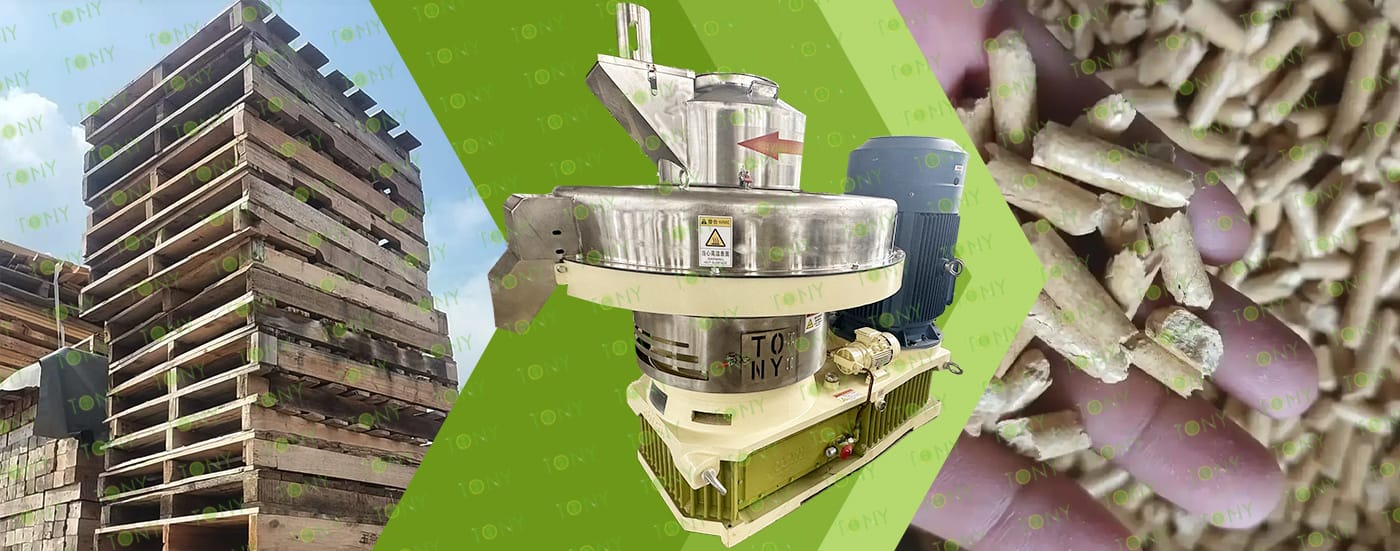
The core appeal of biomass pellets lies in their regenerative nature of "turning waste into gold." Their raw materials are all readily available waste resources, requiring no arable land or primary energy consumption. These include agricultural waste such as crop straw, rice husks, and fruit shells; forestry waste such as branches, bark, and logging and processing residues; and industrial and urban solid waste such as furniture processing scraps, bamboo product offcuts, and garden trimming waste. In the past, these waste materials were mostly burned in the open or dumped haphazardly, which not only wasted resources but also generated large amounts of pollutants such as PM2.5, dioxins, and carbon monoxide, causing air pollution and soil erosion, posing a key challenge to ecological governance. However, through standardized recycling and processing, these waste materials undergo a remarkable transformation. Through a series of physical processes including crushing, drying, high-pressure extrusion, shaping, and cooling, they are converted into uniformly sized, dense cylindrical solid particles, achieving efficient recycling and reuse of waste resources.