





















Amid the broader trends of the green energy transition and corporate efforts to cut costs and emissions, new energy solutions must look beyond mere "eco-friendly gimmicks" and prioritize genuine energy efficiency, supply stability, and practical implementation costs. Biomass pellets have secured a firm foothold in the market through solid performance rather than hype; they are a robust renewable energy source truly suited for diverse applications, including industrial production, residential heating, and drying processes.
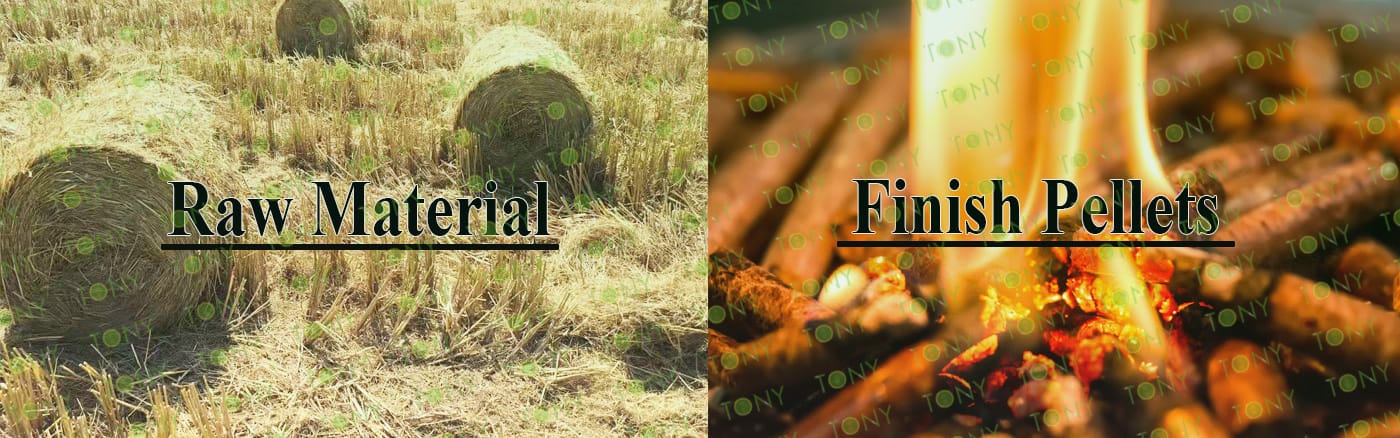
Renewability and inexhaustibility are the core inherent advantages of biomass pellets. Unlike fossil fuels such as coal and oil—which are depleted through use—biomass pellets are derived entirely from naturally renewable agricultural and forestry residues as well as industrial solid waste. Materials such as corn stalks, wheat straw, rice husks, fruit shells, branches, bark, wood scraps, and landscaping trimmings can all be recycled. These materials are generated annually and regenerate cyclically, making them sustainable resources drawn from nature for a circular economy; they effectively bypass the industry challenges of resource depletion and supply constraints associated with fossil fuels, offering a stable, long-term energy supply.
Turning waste into treasure allows discarded materials to realize their green value. In the past, vast quantities of agricultural and forestry residues and processing scraps were often burned on-site or haphazardly piled up. This not only wasted resources but also caused environmental issues like air pollution and soil accumulation, becoming a major challenge for local environmental governance. Biomass pellets, however, utilize purely physical processes—such as crushing, drying, high-pressure compression, and cooling—to transform loose, bulky, and difficult-to-use waste materials into standardized fuel characterized by high density, compact volume, and stable calorific value. This approach not only resolves the solid waste pollution problem at the source and enables resource recycling but also establishes a closed-loop green cycle: "waste recovery—energy utilization—ash return to the soil."