






















As a high-quality clean energy source, biomass pellets offer the dual advantages of being low-carbon and eco-friendly while ensuring high energy efficiency. From an environmental perspective, the feedstock sequesters carbon during growth, and combustion is virtually carbon-neutral; emissions of harm

The roller assembly is a critical, high-wear component of the pellet mill; prolonged operation often leads to issues such as wear, slippage, and surface flaking, which directly impact pellet formation rates and production capacity. Regular replacement of the rollers is essential for ensuring stable
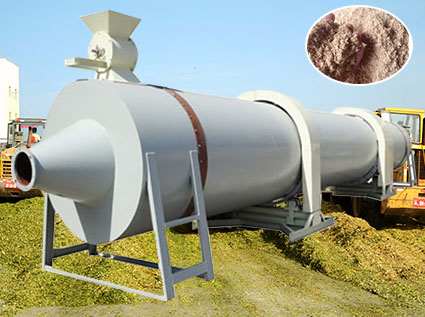
In the biomass pellet production process, controlling raw material moisture is the critical factor determining both finished product quality and production efficiency. Properly managing the drying stage and precisely regulating moisture content can significantly boost productivity, effectively preve
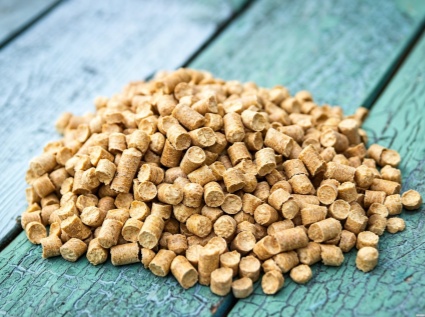
A key advantage of biomass pellet processing is its versatility regarding raw materials; leveraging mature molding technologies and adaptable equipment, the vast majority of organic agricultural and forestry waste can serve as feedstock. This breaks the limitations of traditional fuel processing—whi
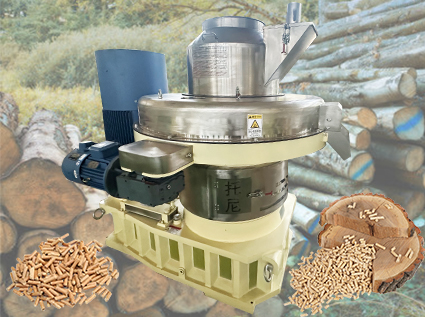
To maximize profits in pellet processing, the core strategy boils down to two points: increasing output and reducing costs. Many processing plants appear busy with non-stop production, yet suffer from sluggish output, high waste, and accumulating hidden costs, resulting in meager profits despite the

With robust energy efficiency, biomass pellets shatter the stereotype that renewable energy lacks performance. Raw agricultural and forestry waste—often loose, damp, and prone to incomplete combustion, inconsistent calorific value, and heavy smoke—is unsuitable for large-scale use. In contrast, high
2025 Tony Machinery - All Rights Reserved. Map