





















As a high-quality clean energy source, biomass pellets offer the dual advantages of being low-carbon and eco-friendly while ensuring high energy efficiency. From an environmental perspective, the feedstock sequesters carbon during growth, and combustion is virtually carbon-neutral; emissions of harmful gases like sulfur dioxide and nitrogen oxides are negligible, and particulate matter emissions are far lower than those of traditional coal. The ash residue is non-toxic and nutrient-rich, making it suitable for direct application to farmland as organic fertilizer; this ensures a pollution-free lifecycle, creating a green, closed-loop ecosystem that integrates agricultural and forestry output, waste recycling, energy utilization, and soil enrichment.
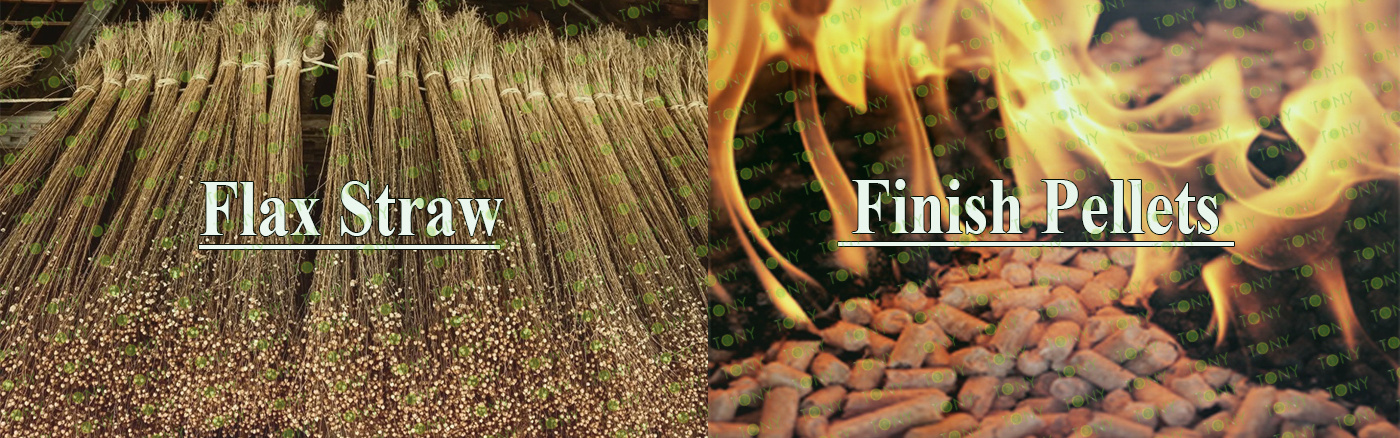
In terms of practical energy efficiency, high-pressure molded biomass pellets offer a stable calorific value, complete combustion, and sustained heat output. They overcome the drawbacks of traditional agricultural and forestry waste—such as excessive smoke, low heat output, and incomplete burning—serving as a viable replacement for conventional fuels like coal and heavy oil. Furthermore, their compact size facilitates storage and transport, and their compatibility with automated equipment allows for diverse applications, including industrial boiler heating, agricultural product drying, urban and rural district heating, and climate control for livestock farming.
Compared to traditional fossil fuels, biomass pellets are produced from locally sourced agricultural and forestry waste. With low feedstock costs and reduced overall energy expenses, they help enterprises cut costs and alleviate operational burdens while significantly easing the pressure to meet environmental compliance standards, thereby balancing economic and ecological benefits.