





















Agricultural and forestry wastes—such as crop stalks, wood chips and branches, and fruit or rice husks—have long been largely burned on-site or haphazardly discarded. This practice not only wastes valuable resources but also causes smoke pollution and consumes land, posing a significant challenge for rural environmental management. However, with the widespread adoption of biomass pellet processing technology, these ubiquitous waste materials can be rapidly converted into high-quality, clean energy. This process transforms waste into a valuable resource, offering both environmental and economic benefits.
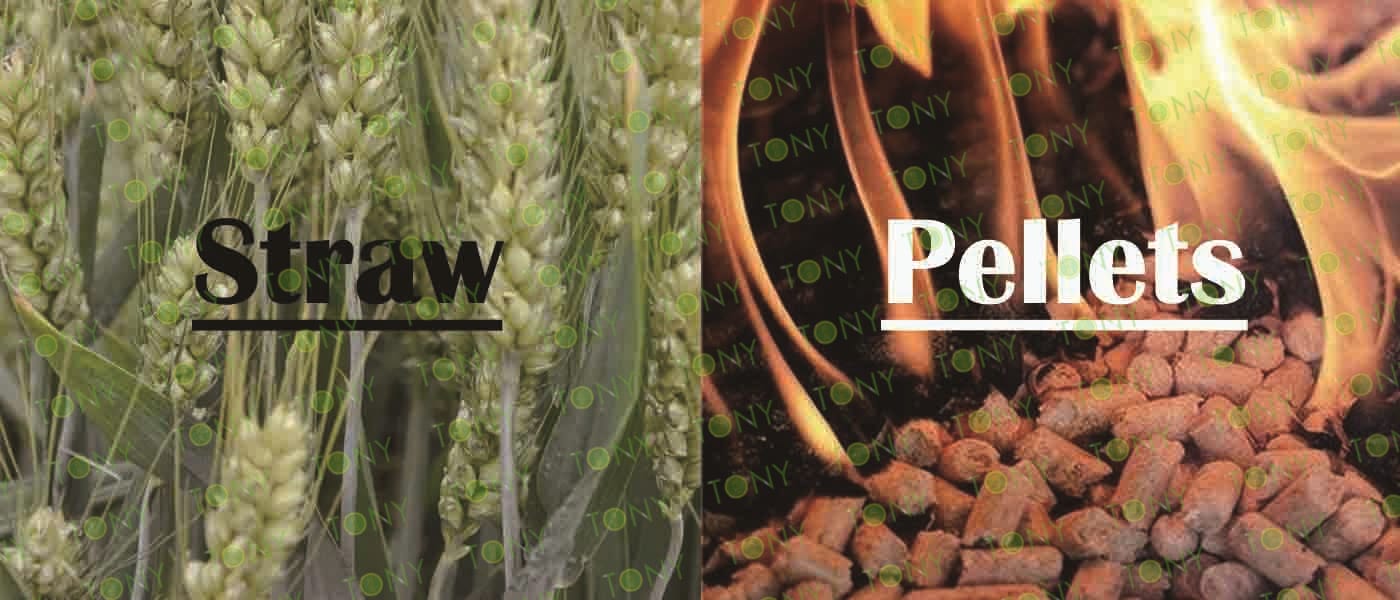
The recycling of agricultural and forestry waste is a simple yet highly efficient process. Through an integrated workflow involving crushing, extrusion, and molding, loose and bulky waste materials are compressed into high-density biomass fuel pellets with high calorific value. The resulting pellets feature uniform texture and burn thoroughly; they offer a calorific value far exceeding that of raw crop stalks while producing minimal smoke and ash. Fully compliant with environmental emission standards, they serve as an ideal clean energy alternative to coal and are widely applicable in settings such as industrial heating, residential heating, greenhouse cultivation, and livestock facility heating.