





















With robust energy efficiency, biomass pellets shatter the stereotype that renewable energy lacks performance. Raw agricultural and forestry waste—often loose, damp, and prone to incomplete combustion, inconsistent calorific value, and heavy smoke—is unsuitable for large-scale use. In contrast, high-pressure molded biomass pellets feature low moisture content, high density, long-lasting combustion, and steady heat output. They achieve far higher burnout rates than loose raw materials and provide stable temperatures, fully meeting energy demands across diverse applications such as industrial boilers, district heating, agricultural drying, and climate-controlled livestock farming. Furthermore, their standardized specifications facilitate storage, transport, and automated feeding, making them highly practical and compatible with modern energy equipment.
They offer clean, low-emission performance that balances environmental protection with economic efficiency. Environmentally, biomass pellets have negligible sulfur and nitrogen content; combustion produces virtually no harmful gases like sulfides or nitrogen oxides, and carbon emissions approach zero. Controlled flue gas emissions significantly alleviate the burden of environmental compliance for enterprises. The residual ash is free from heavy metal contamination and can be returned to the soil as high-quality organic fertilizer, ensuring no secondary pollution. Economically, the use of low-cost, readily available waste materials makes pellet fuel significantly cheaper to procure than coal or natural gas. Coupled with simple equipment maintenance and low consumable wear, this effectively lowers overall energy costs, enabling enterprises to achieve environmental sustainability without price hikes—saving money while conserving energy.
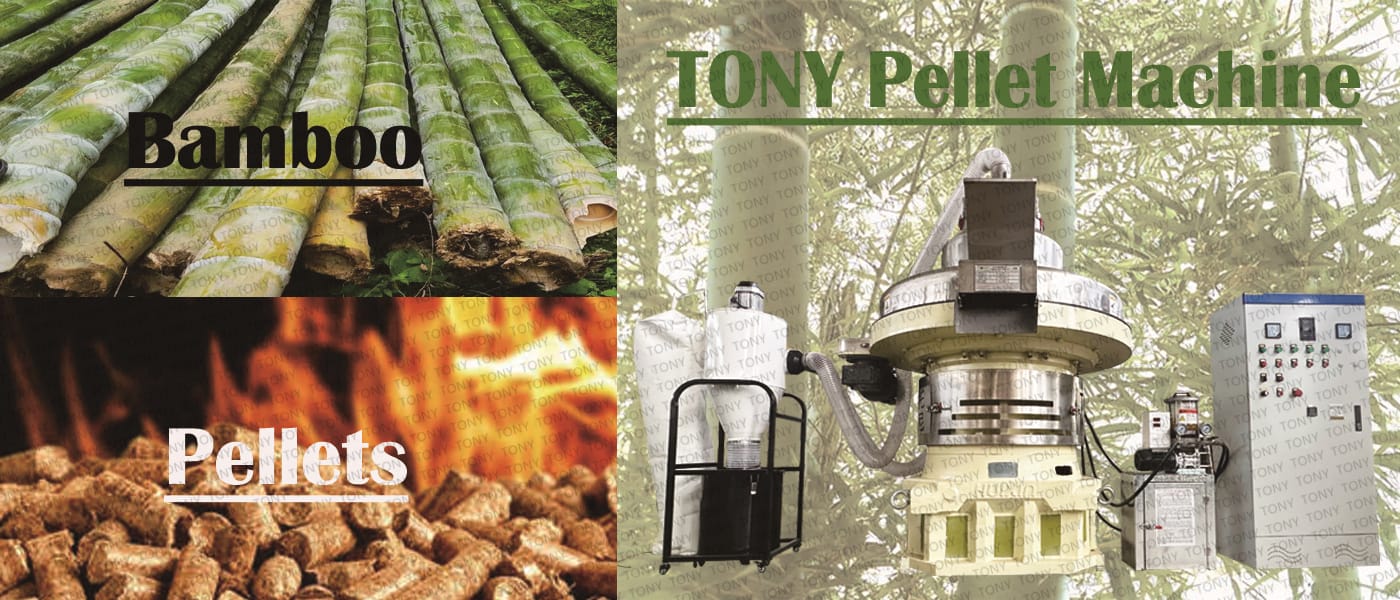
Stable compatibility and universal applicability underscore their status as a powerhouse energy source. Unlike wind or solar power, which are constrained by weather and environmental conditions, biomass pellets offer a stable, year-round supply unaffected by seasons or climate. They provide on-demand energy with superior adaptability and reliability. Whether for factory energy retrofitting, replacing aging coal-fired boilers, providing winter heating in urban and rural areas, or powering agricultural drying processes, they can be rapidly deployed—making them a highly versatile green renewable energy source.
Driven by substance rather than hype, biomass pellets have become a cornerstone for replacing traditional coal and optimizing energy structures, thanks to their renewable resource base, clean and efficient combustion, and practical economic advantages. They are a true "green powerhouse" in the energy sector, continuously delivering core value in the drive toward "dual carbon" goals.