





















When comparing total energy costs, the cost-effectiveness of biomass pellets is particularly striking. For the same calorific output, the unit price of biomass pellet fuel is far lower than that of coal; furthermore, the minimal ash residue generated significantly reduces labor and maintenance costs associated with slag removal and equipment upkeep. In contrast, traditional coal combustion emits large quantities of sulfides, nitrogen oxides, and particulate matter, forcing enterprises to incur substantial expenses for the operation and maintenance of desulfurization and dust-removal equipment, as well as high costs for environmental compliance upgrades. As a clean fuel, biomass pellets have extremely low sulfur content and minimal pollutant emissions, drastically lowering environmental maintenance costs and eliminating the burden of heavy environmental fines or remediation expenses, thereby further reducing overall energy costs.
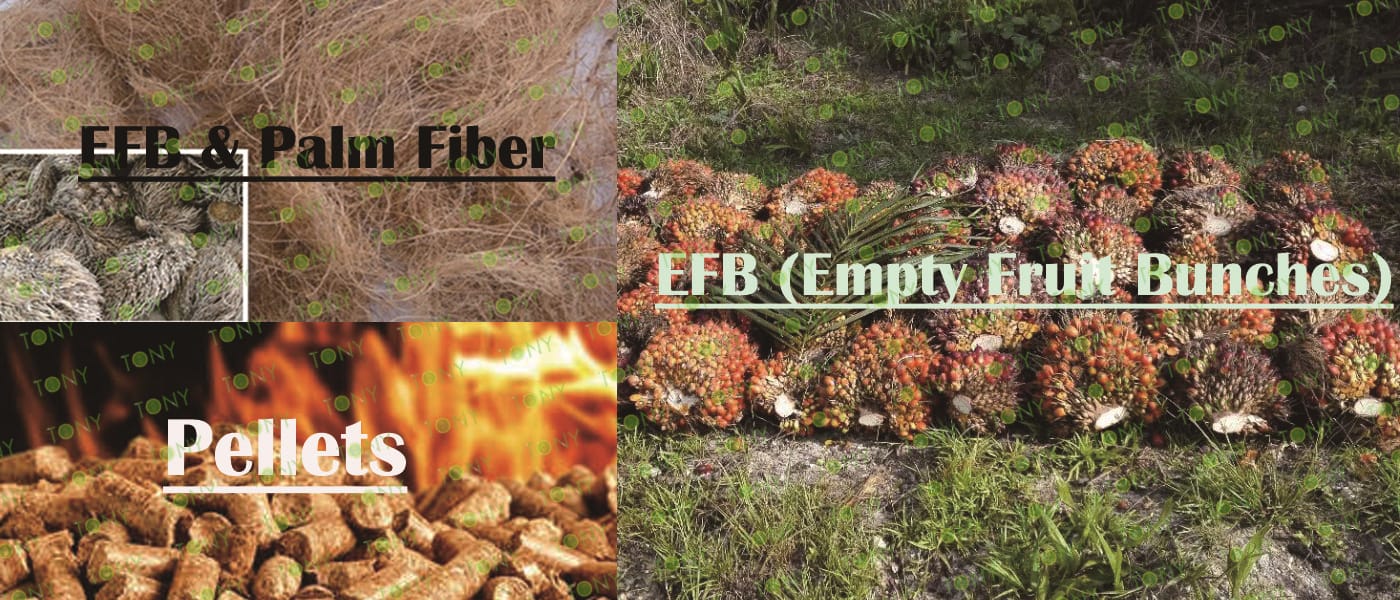
By balancing green, low-carbon attributes with sustainable supply and high economic efficiency, biomass pellet fuel challenges the common perception that clean energy is necessarily expensive. Produced from renewable waste materials, it enables resource recycling and eliminates concerns regarding energy depletion, while outperforming traditional coal through lower combined costs for procurement, maintenance, and environmental compliance. Driven by the dual imperatives of the green energy transition and the need to cut costs while boosting efficiency, biomass pellets have emerged as a premier alternative to coal in both industrial and residential sectors; offering both ecological and economic value, they hold immense potential for future development.