





















Within the entire pellet production process, equipment such as crushers, pulverizers, dryers, and cooling/screening units plays a supporting role, whereas the pellet mill stands as the critical core and the engine of productivity for the entire line. The quality of the output, the integrity of the pellets, hourly throughput, and the product pass rate are all determined by the pellet mill's engineering and operational stability.
When production lines suffer from low output, excessive fines (broken particles), poor product appearance, or frequent clogging and downtime, the root cause rarely lies in the auxiliary equipment; rather, it stems from an outdated, immature, or unstable core pellet mill. Even the best auxiliary equipment cannot compensate for a substandard pellet mill; such a machine leads to wasted raw materials, reduced capacity, and frequent work stoppages, directly eroding overall profitability.
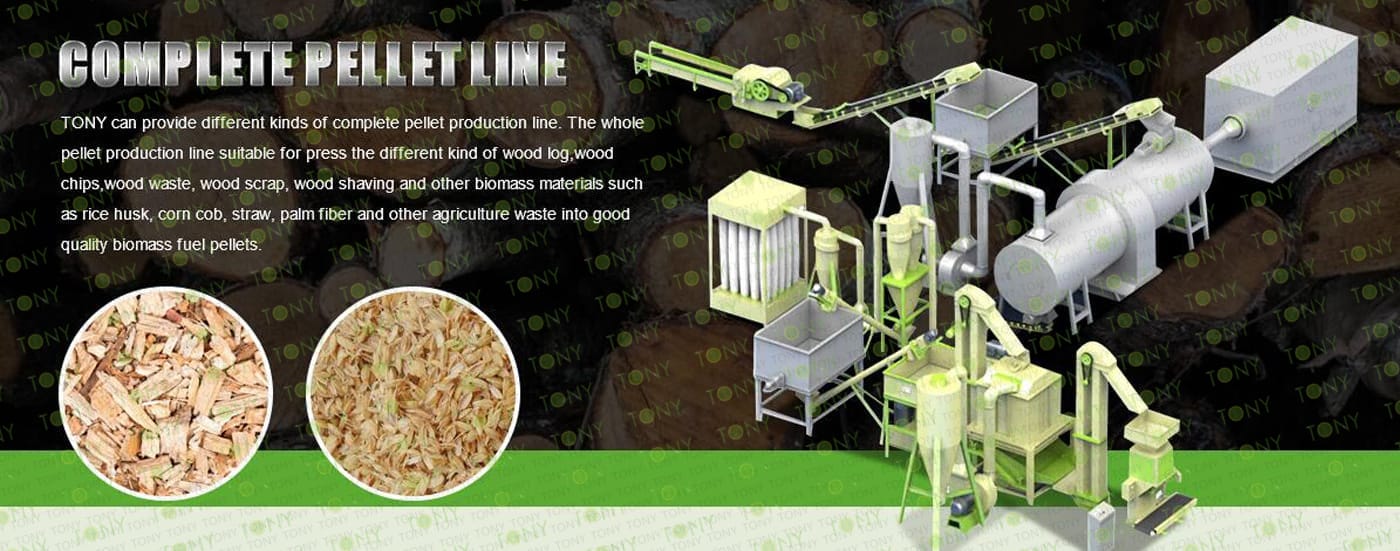
A high-quality pellet mill, backed by mature core technology, robust engineering, and precise extrusion parameters, effectively governs the production rhythm of the entire line. Whether processing biomass fuel pellets—such as sawdust, straw, or rice husks—or various animal feed ingredients, it ensures stable output, dense pellet formation, consistent throughput, and a low failure rate.
As the heart of the pellet production line, it dictates production efficiency, product quality, and long-term returns. Selecting the right pellet mill enables the entire line to operate with high efficiency and stable, high-volume output while minimizing waste, thereby ensuring the pellet processing business remains productive and consistently profitable in the long run.