





















Field crop stalks, forest trimmings, and wood processing offcuts—once-neglected agricultural and forestry waste—posed significant environmental challenges for rural areas and processing industries; haphazardly piled, they occupied valuable land, while open-air burning caused pollution. Today, these ubiquitous waste materials have undergone a successful transformation into clean biomass pellet fuel. This process turns waste into a resource and enables greener energy consumption, breathing new value into discarded agricultural and forestry materials.
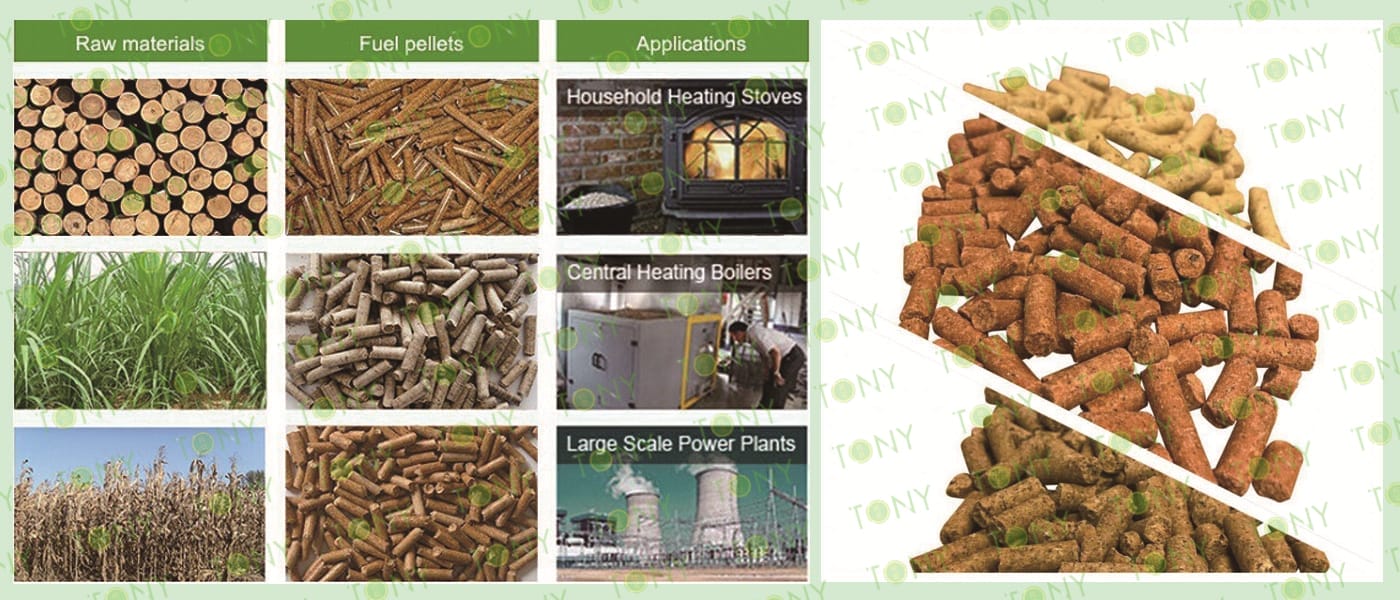
The production of biomass pellets truly realizes the recycling and upcycling of agricultural and forestry waste. Utilizing a wide array of renewable solid waste—ranging from crop residues like wheat straw, corn stalks, rice husks, and peanut shells to forestry waste such as branches, bark, sawdust, and processing offcuts—the raw material supply is abundant, renewable, and virtually inexhaustible. Through purely physical processes—including crushing, drying, and high-pressure densification—loose, moisture-prone, and hard-to-burn raw waste is converted into standardized pellet fuel that is uniform in size, dense in texture, and low in moisture content. This effectively resolves the issues of waste accumulation and environmental pollution.
By turning waste into a resource and an energy source, the recycling of agricultural and forestry waste brings green energy within reach. Rooted in agricultural and forestry resources and embodying circular economy principles, biomass pellets represent a high-quality clean energy source that aligns with market demands and "dual carbon" goals, providing robust support for the green energy transition, environmental protection, and increased income for rural industries.