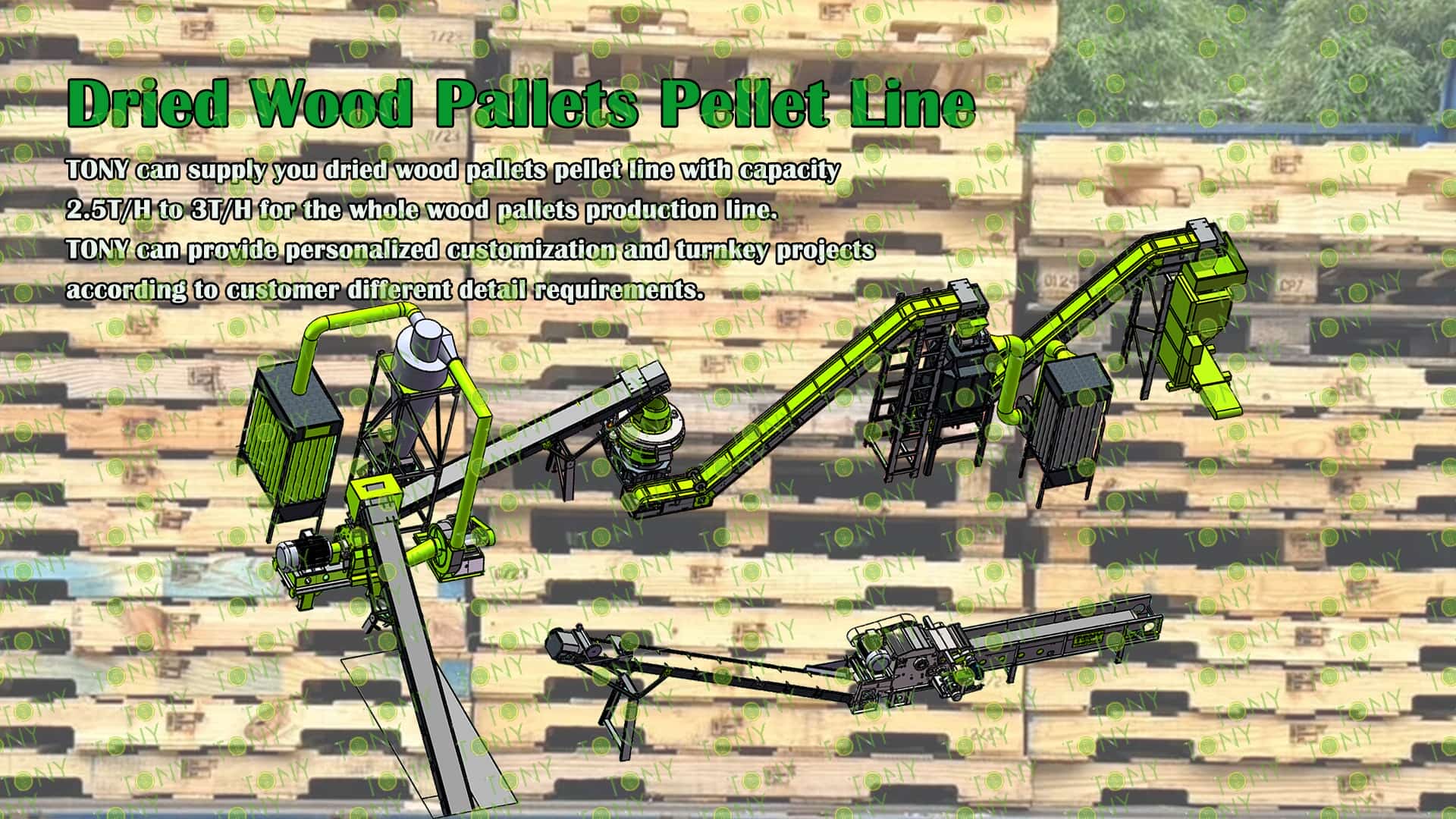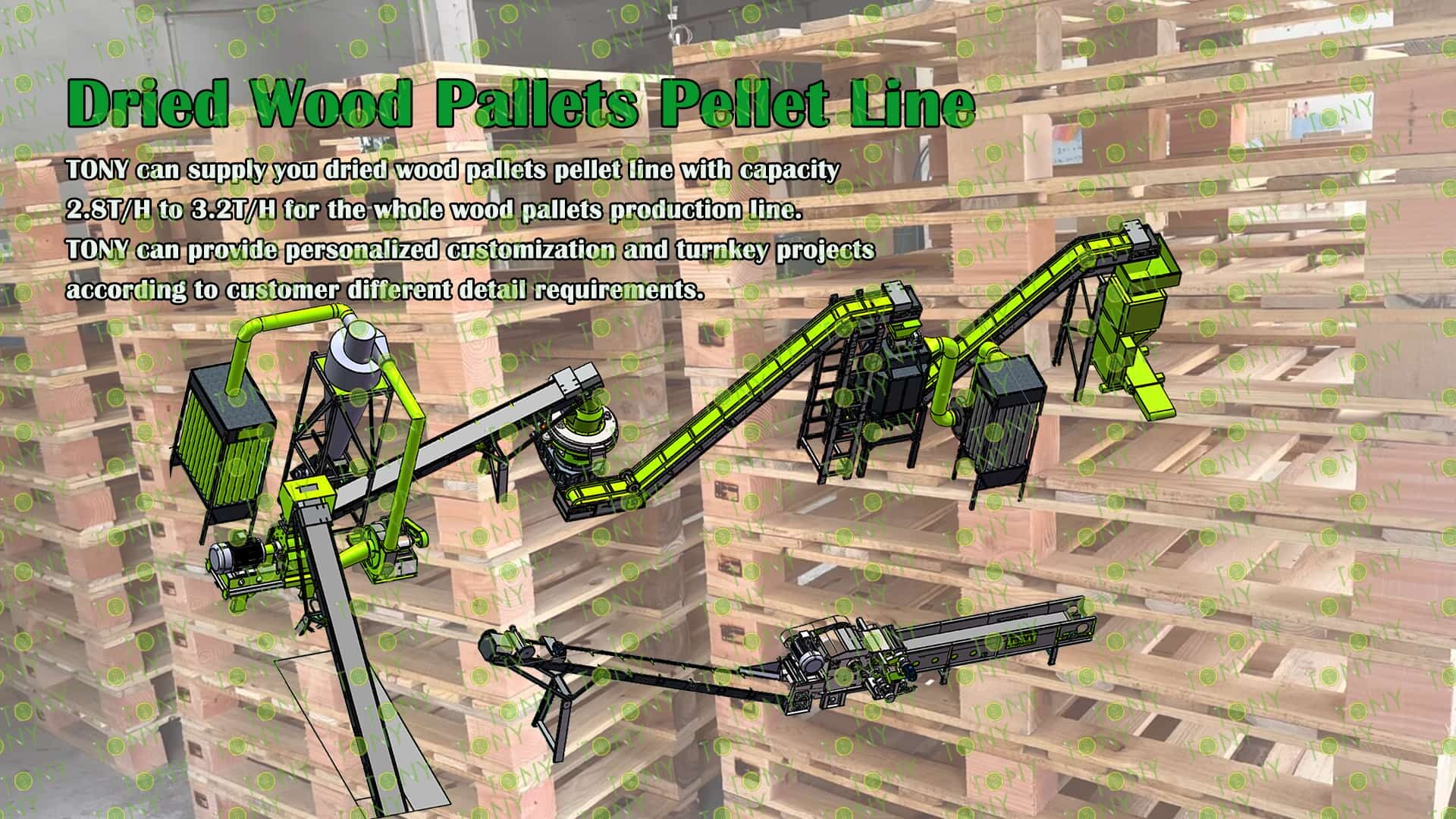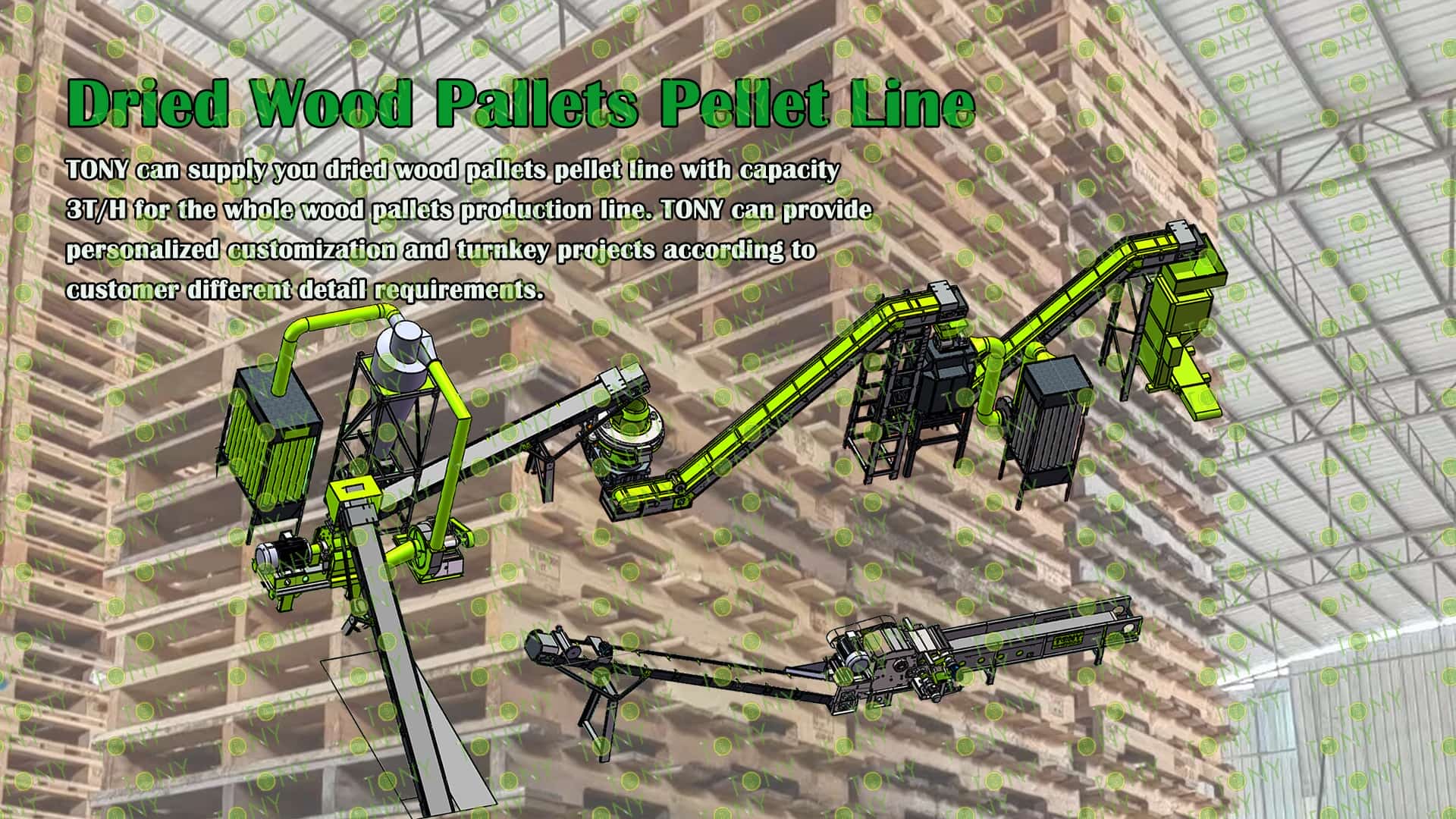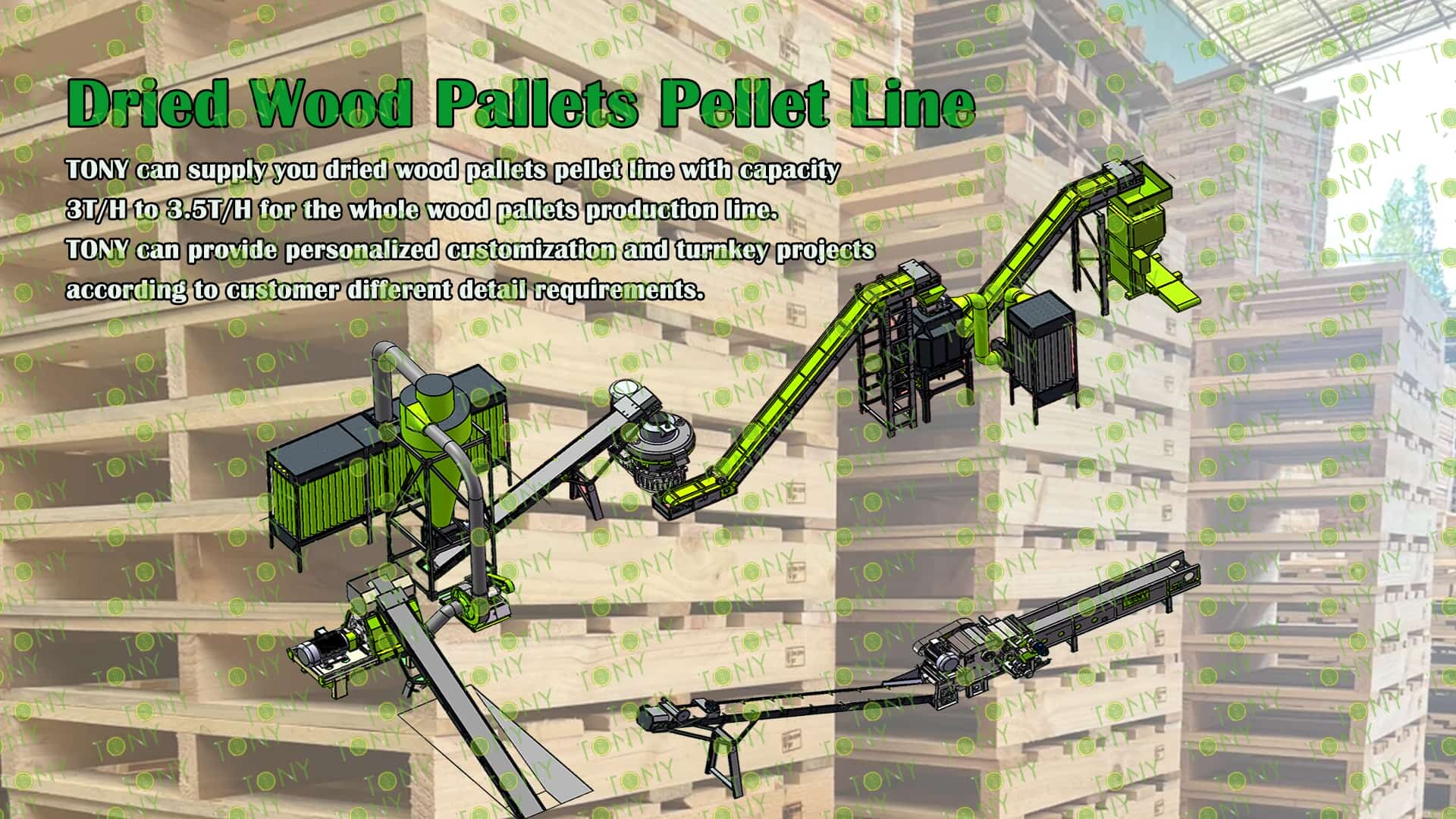




















Project Brief Introduction:
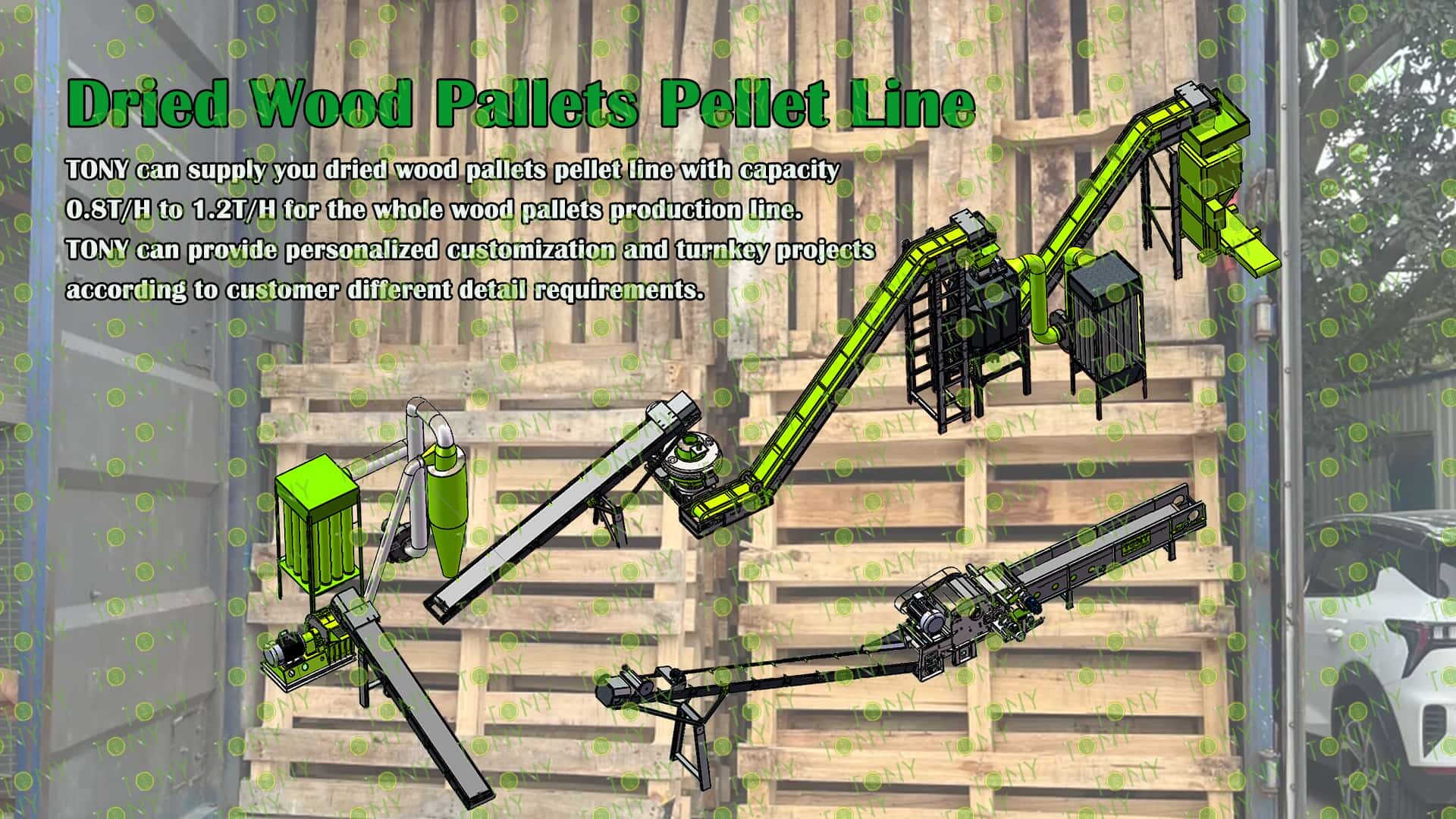
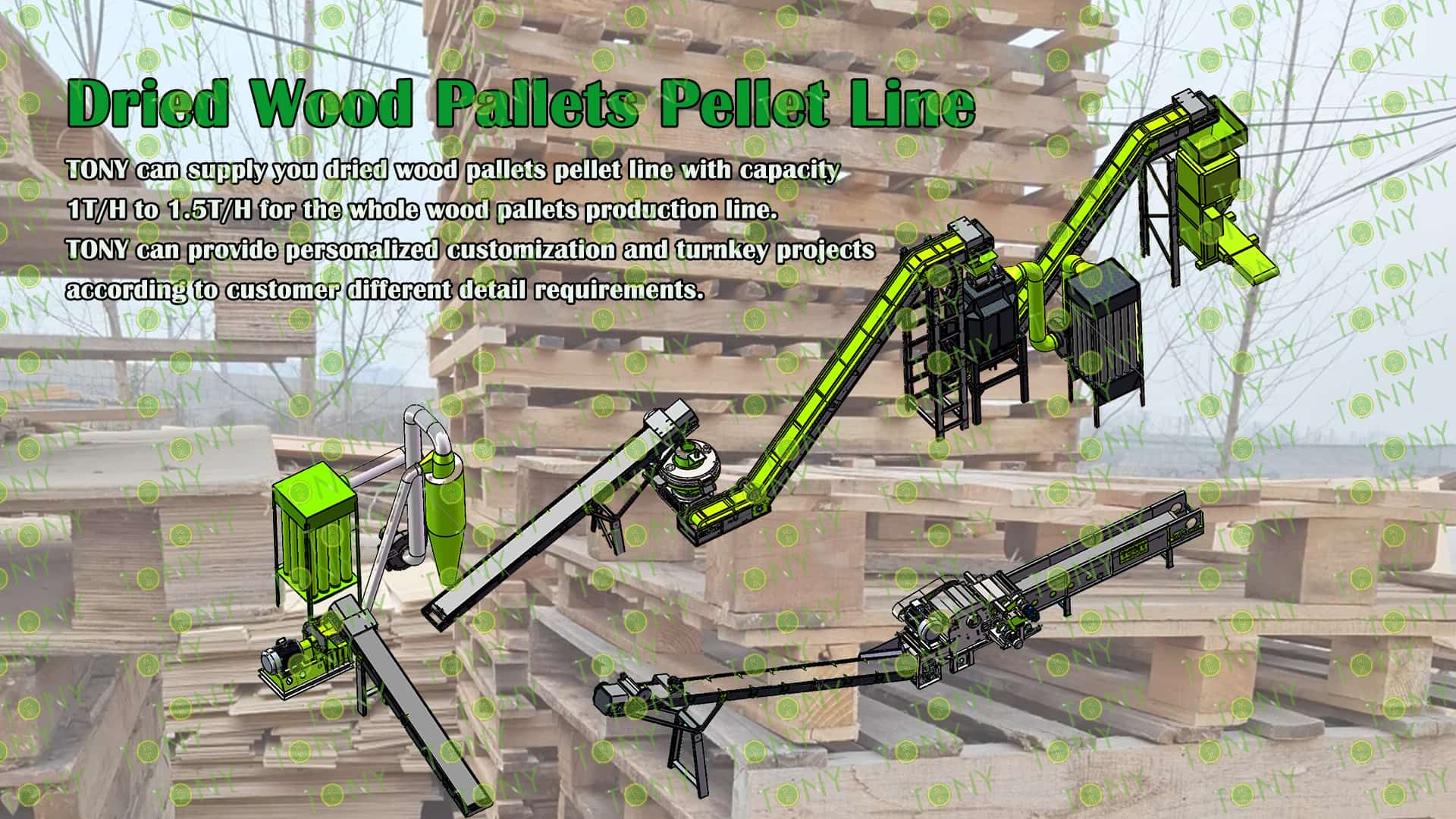
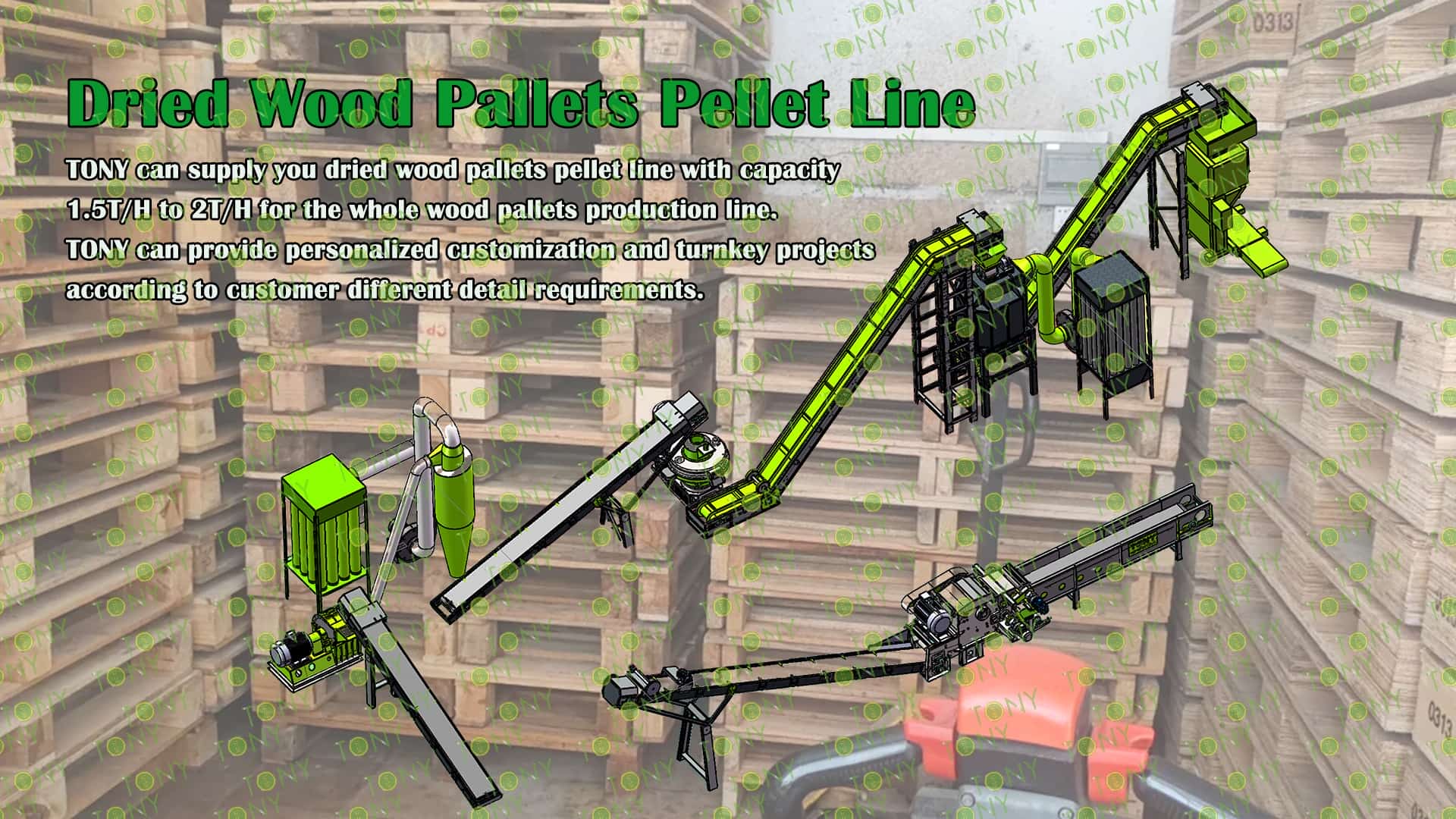
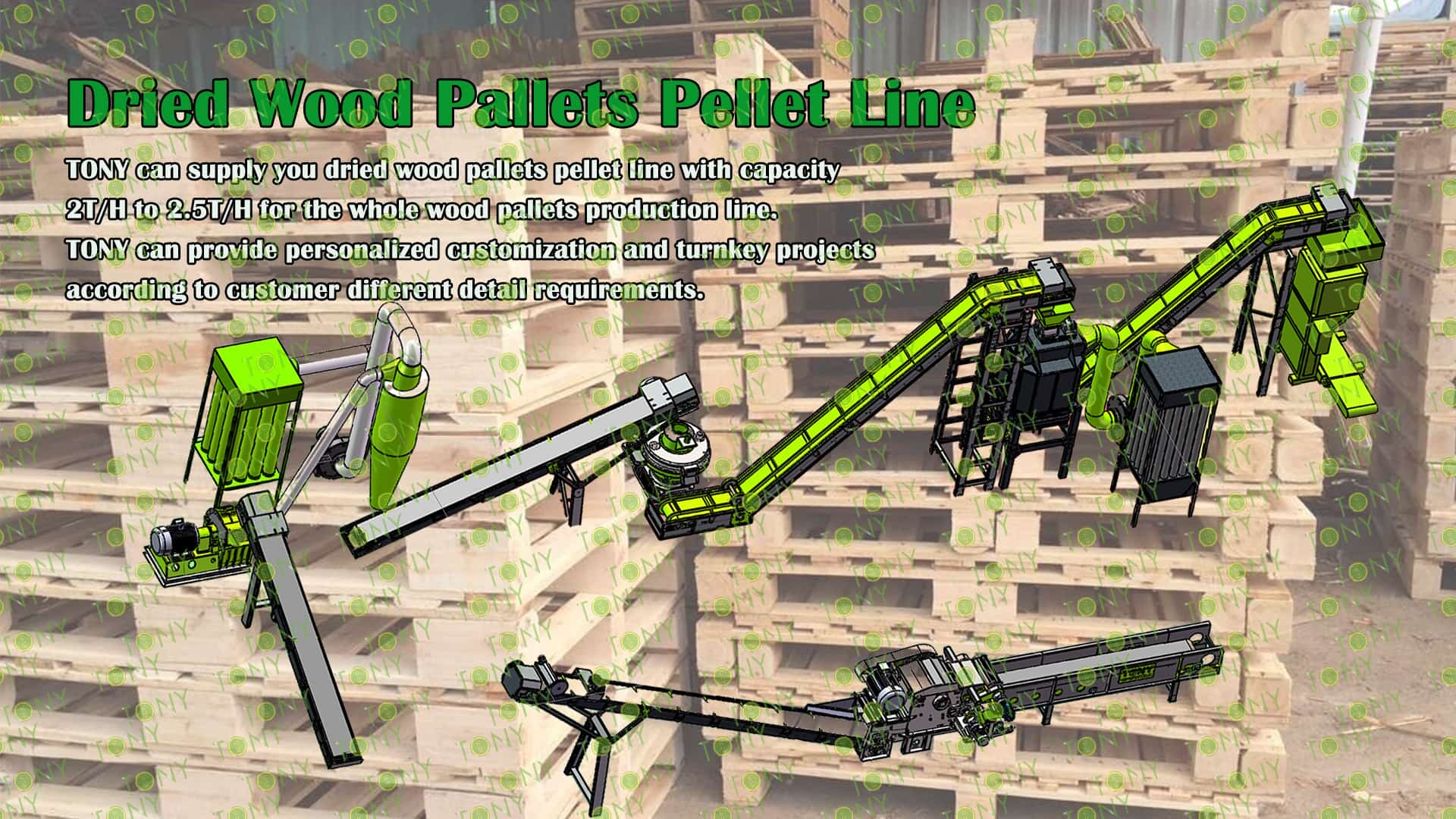
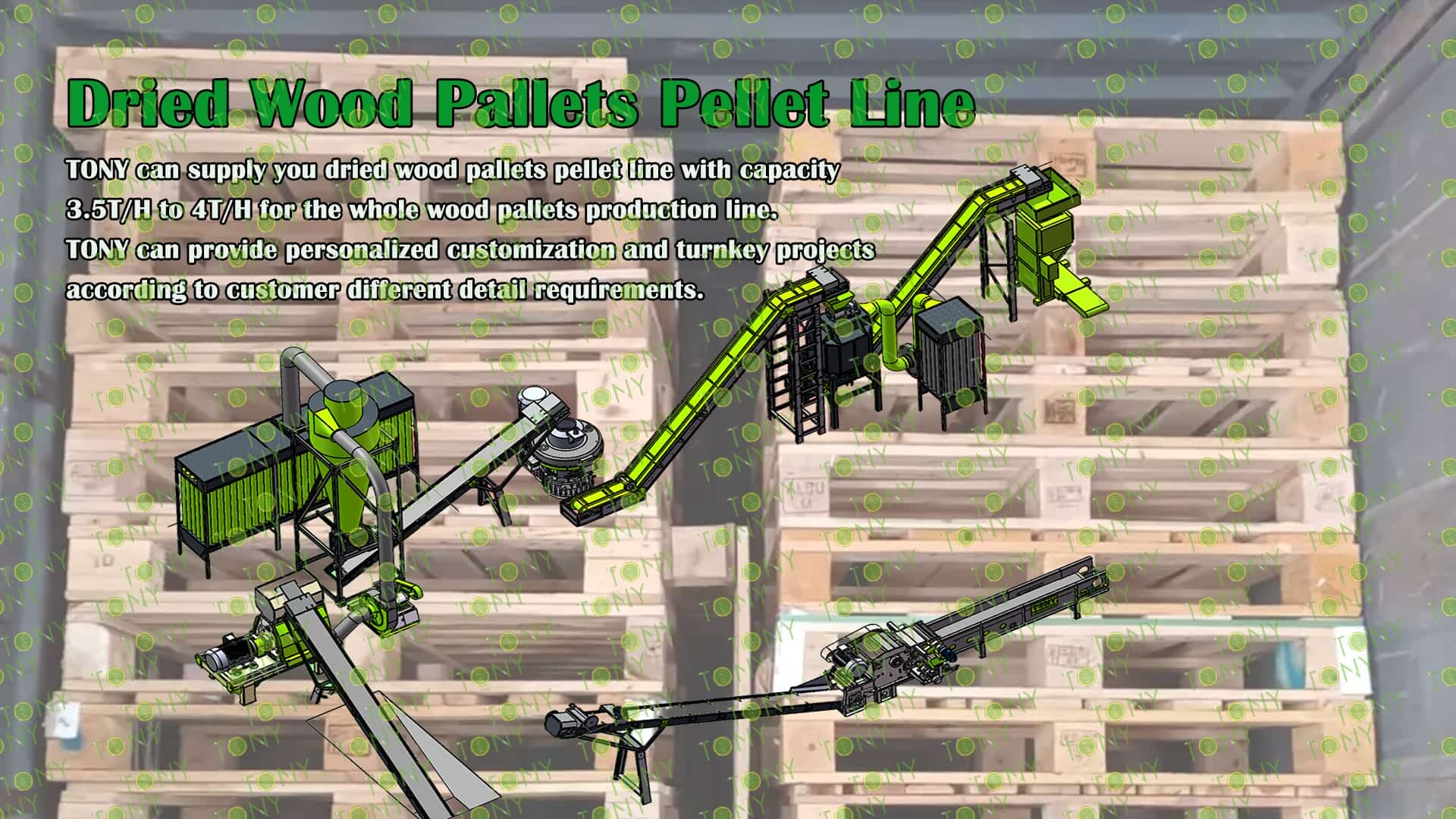
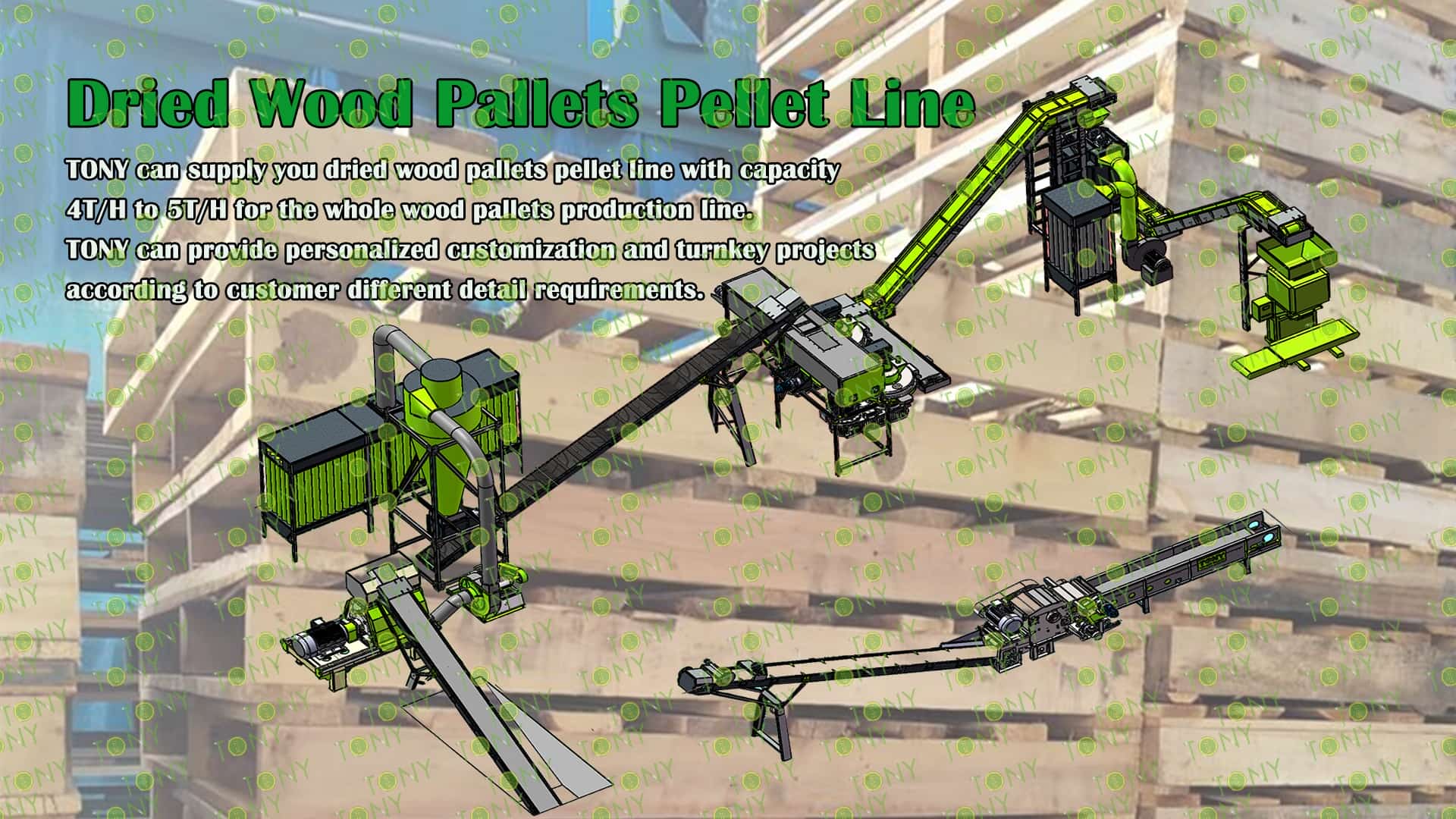
1.Product:Dried Wood Pallets Pellet Line
2.Capacity:18-20T/Hour
3.TONY Brand 18-20Ton/Hour Dried Wood Pallets Pellet Line Project Process
4.Main Machine: Comprehensive Chipper,Hammer Mill,Large Hydraulic Storage Silo,TONY Pellet Machine TYJ860-Ⅲ-280KW,Pellets Cooler,Packing Machine And Belt Conveyors
5.Total Power: About 2290KW
6.Need Area: About ㎡ L: M W: M H: M
Project Layout For Customer:
图片
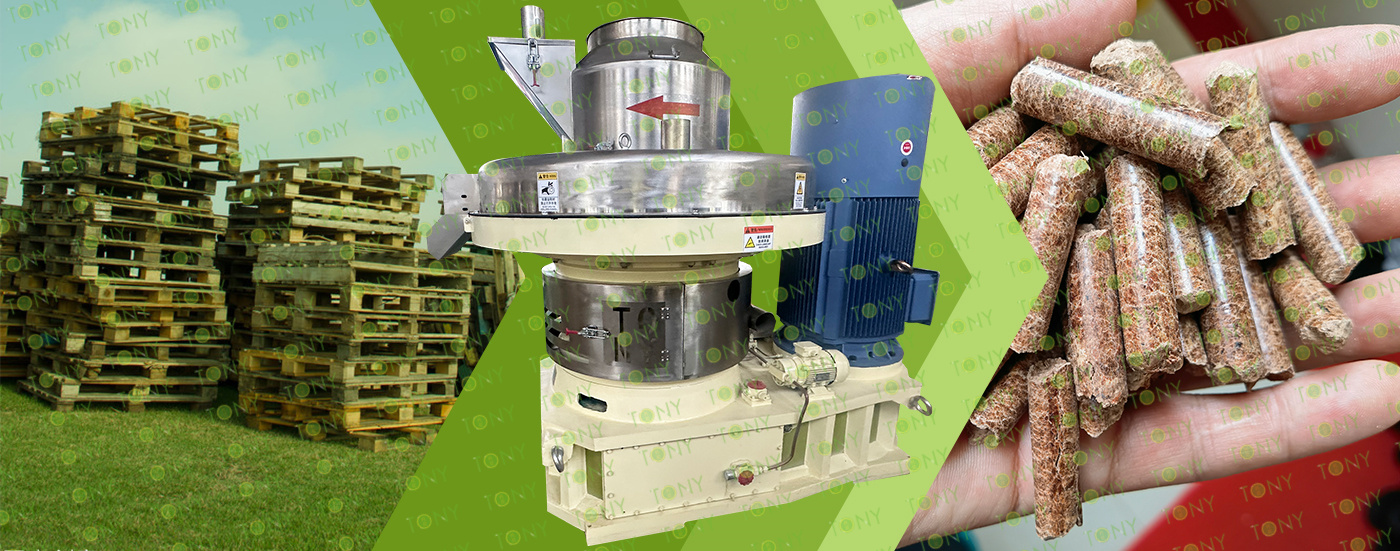
1.The working principle of dried wood pallets biomass pellet processing equipment
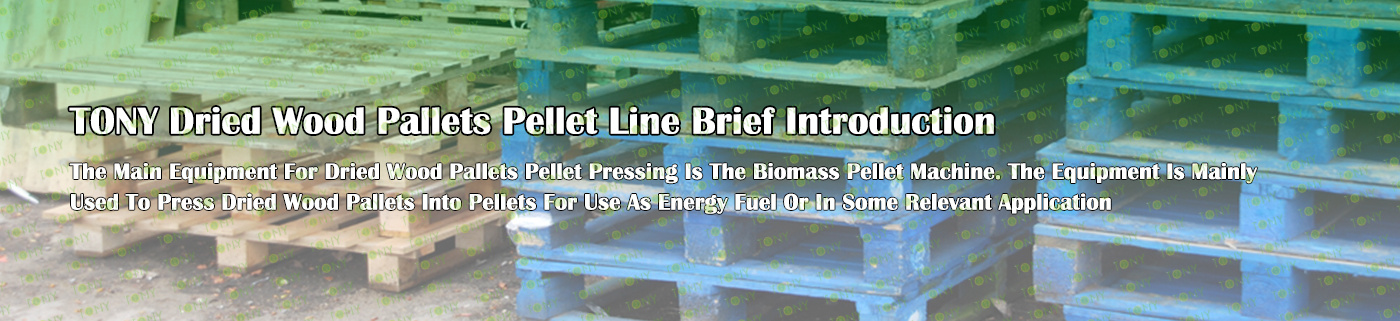
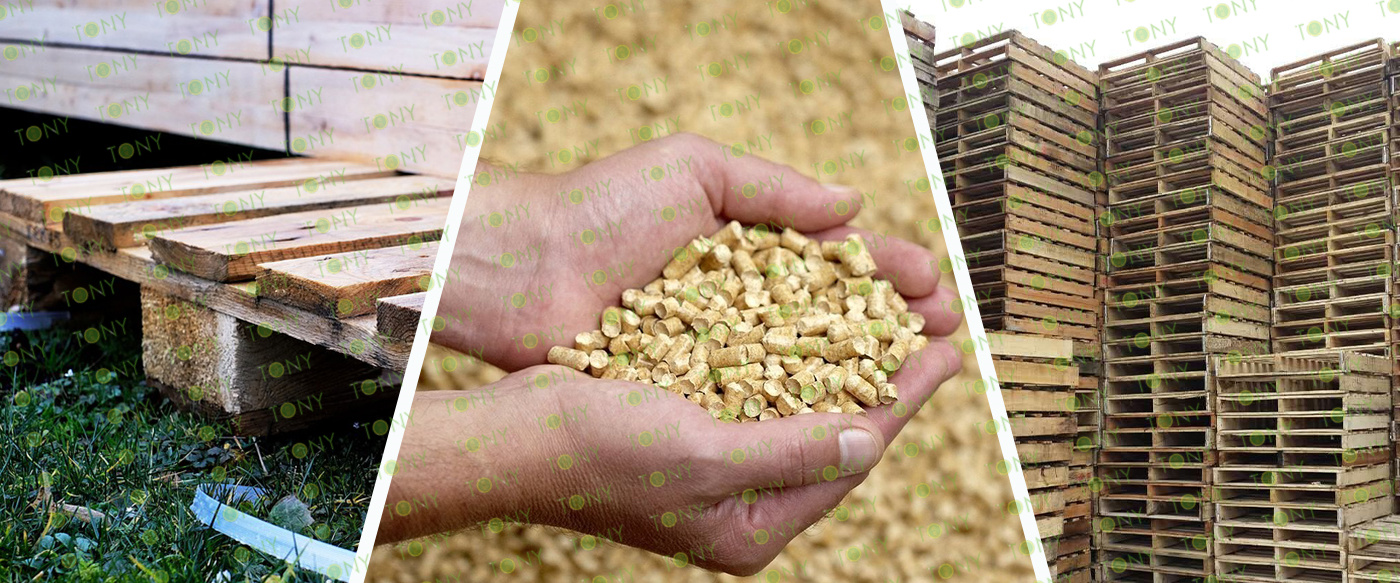
The dry pallet biomass pellet processing equipment uses waste dry pallets as raw material. Through three core steps: pretreatment, extrusion molding, and cooling and packaging, it transforms the loose wood material into high-density biomass pellets. Its operating principles revolve around "raw material adaptation" and "converting mechanical energy into molding force."
First, in the pretreatment stage, the equipment receives dry pallets through a feed system. A crusher breaks the pallets into wood blocks, which are then further pulverized into wood chips by a grinder.
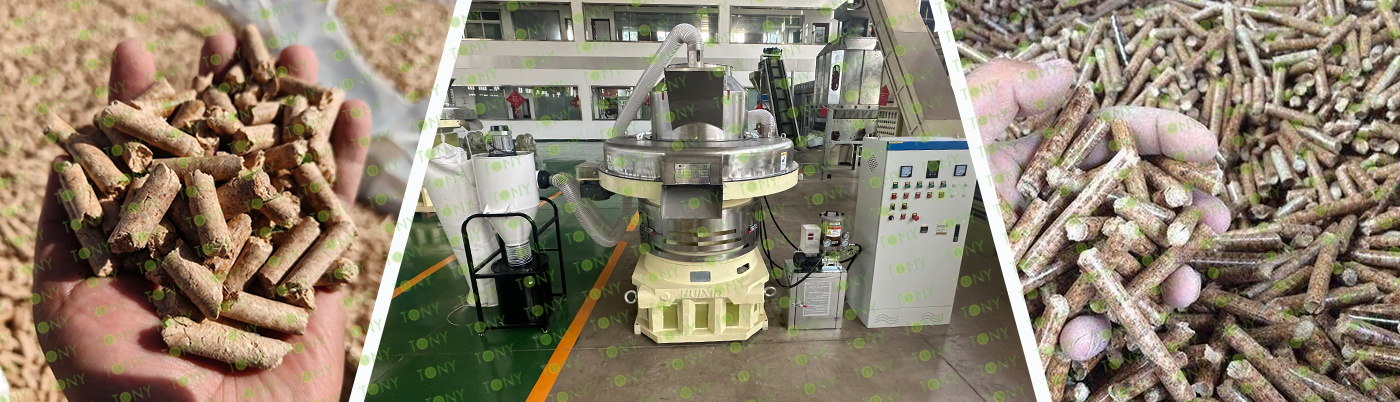
Next, in the core extrusion molding process, a screw feeder evenly feeds the pretreated wood chips into the pelletizer. Inside the pelletizer, a compression roller and an annular die form an extrusion chamber. A motor drives the rollers to rotate at high speed, forcing the wood chips into the die's molding holes. Within the die, the wood chips are subjected to high temperature and pressure, softening the hemicellulose in the wood fibers and creating bonding forces. Finally, they are continuously extruded into cylindrical pellets.
Finally, in the cooling and packaging phase, the pellets enter a cooler where they are cooled by reverse-blowing cold air, bringing the temperature down to room temperature (to prevent moisture and mildew during storage). The cooled pellets are then screened by a vibrating screen to remove broken, fine particles (which can be returned for re-pelleting). Qualified pellets are then sent to the finished product warehouse for storage or packaging, completing the entire processing process. This entire process recycles waste dry wood pallets.
2.Characteristics of dried wood pallets biomass pellet processing equipment
The dry wood pallet biomass pellet processing equipment offers distinctive features and strong adaptability. It can process discarded dry wood pallets with metal connectors. Specialized nail removal and wear-resistant crushing equipment remove impurities and break up the board, eliminating the need for complex sorting.
It prioritizes the quality of the finished product. The pelletizer's "ring die-pressing roller" high-pressure forming method ensures stable calorific value and resists cracking and loosening.
The equipment features a high degree of automation, multi-step assembly line operation, and a PLC control system for automatic parameter adjustment. It is environmentally friendly and energy-saving, reducing energy consumption. It also includes a dust collection device to reduce pollution. Its core components are durable and have low maintenance costs.
3.Application scenarios of dried wood pallets biomass pellet processing equipment
The dry pallet biomass pellet processing equipment's application scenarios focus on "waste pallet recycling" and "clean fuel production," covering three key areas: waste management, energy supply, and specific industry needs. Its practicality and adaptability are outstanding.
In the waste pallet processing sector, it is widely used in logistics parks, warehouses, and pallet recycling stations. These sectors generate large quantities of dry pallet waste annually. The equipment can process pallets with metal connectors on-site or centrally, eliminating the need for additional sorting. It converts solid waste into usable biomass pellets, solving the problems of pallet accumulation, land occupation, and incineration pollution, thereby reducing waste disposal costs for businesses.
In the clean energy production sector, it is suitable for small and medium-sized biomass fuel plants, heating stations, and agricultural cooperatives. The processed pellets are used as an alternative fuel for industrial boiler heating, agricultural greenhouse insulation, and home heating. Compared to traditional fuels such as coal, the equipment features high pellet density and stable combustion efficiency, meeting low-carbon energy needs and making it particularly suitable for areas with strict environmental protection requirements.
It is also suitable for wood processing ancillary industries and resource utilization projects. Wood processing plants can use scraps and used pallets for mixed processing to improve raw material utilization; environmental protection resource projects (such as solid waste treatment centers) can rely on equipment to build a "recycling-processing-application" closed loop, helping to develop a regional circular economy while adapting to the production capacity needs of small and medium-sized enterprises. The investment cost and operation difficulty are low, and the application threshold is friendly.

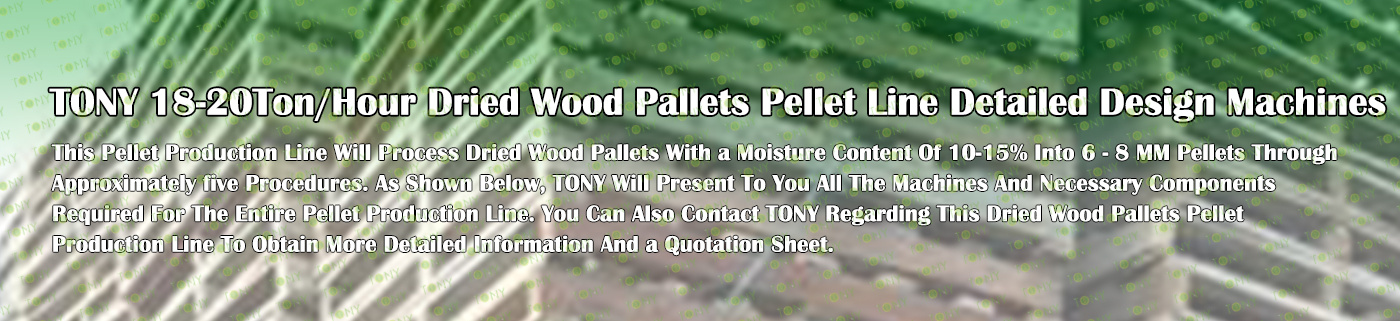
TONY Brand 18-20 Ton/Hour Dried Wood Pallets Pellet Manufacturing Plant can take dried wood pallets, various types of wood - related biomass materials, such as branches, small - diameter logs, and wood shavings. After pretreatment and processing, dried wood pallets is solidified into high - density wood pellet fuel.The content of pollutants such as sulfur dioxide and nitrogen oxides produced by biomass pellets during combustion is extremely low, and the dust emission is also low, which can effectively reduce air pollution. Moreover, the raw material sources of biomass pellets are very wide, and the combustion efficiency is high. Compared with traditional fossil energy, it reduces the production and use costs and has higher economic efficiency. It has received a lot of attention and promotion.
1. Capacity: 18-20Ton/Hour
2. Raw materials: Dried wood pallets
3. Moisture: Dry type, about 10-15%.
4. Application: All kinds of waste wood pallets or more waste wood raw materials
Suitable customers: Logistics and warehousing companies, various manufacturing plants, ports and airports, construction sites, large supermarkets and shopping malls, and other places where waste wood pallets have advantages
5. Finished Pellets Markets: Large power plants ,domestic heating, industrial heating, combustion heat, heating systems, boiler rooms, school canteens, foundry heat sources.


1. Project Name: Dried Wood Pallets Pellet Production Line
2. Raw Material: All kinds of dried wood pallets
3. Moisture Content of Raw Material: 10-15%
4. Capacity: 18-20 tons per hour
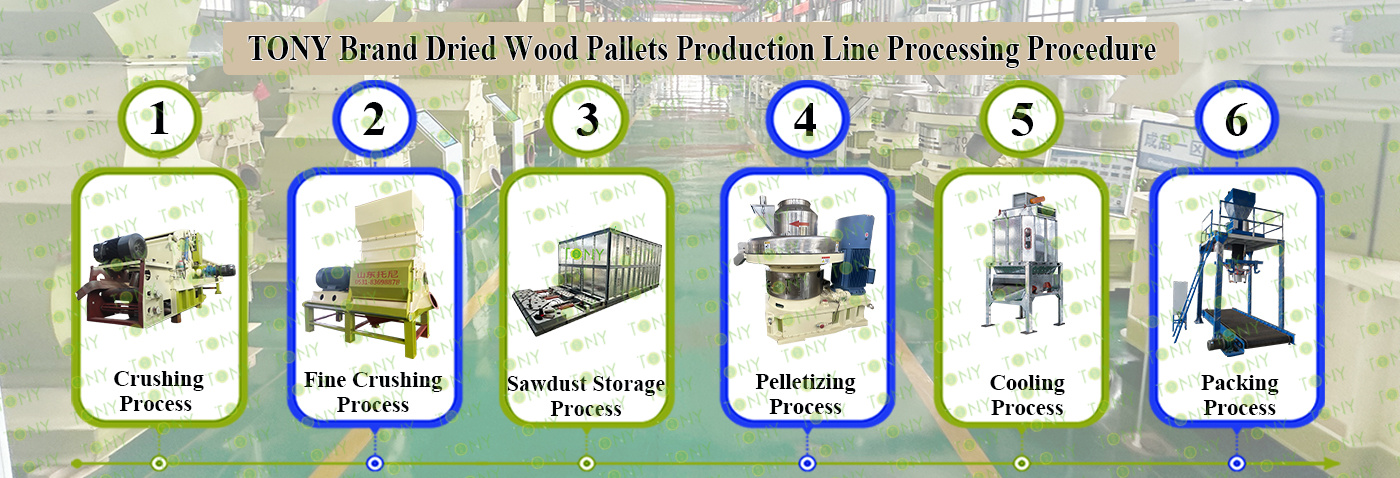
5. Process: Crushing Process - Fine Crushing Process -Sawdust Storage Process- Pelletizing Process - Cooling Process - Packing Process
6. Main Equipment: Comprehensive Chipper TPC1300-600-160KW, Effective Hammer Mill-TFD75*132-132KW, TONY Large Hydraulic Storage Silo,TONY Pellet Machine TYJ860-Ⅲ-280KW, Pellet Cooler, Ton Packing Machine and Belt Conveyors.

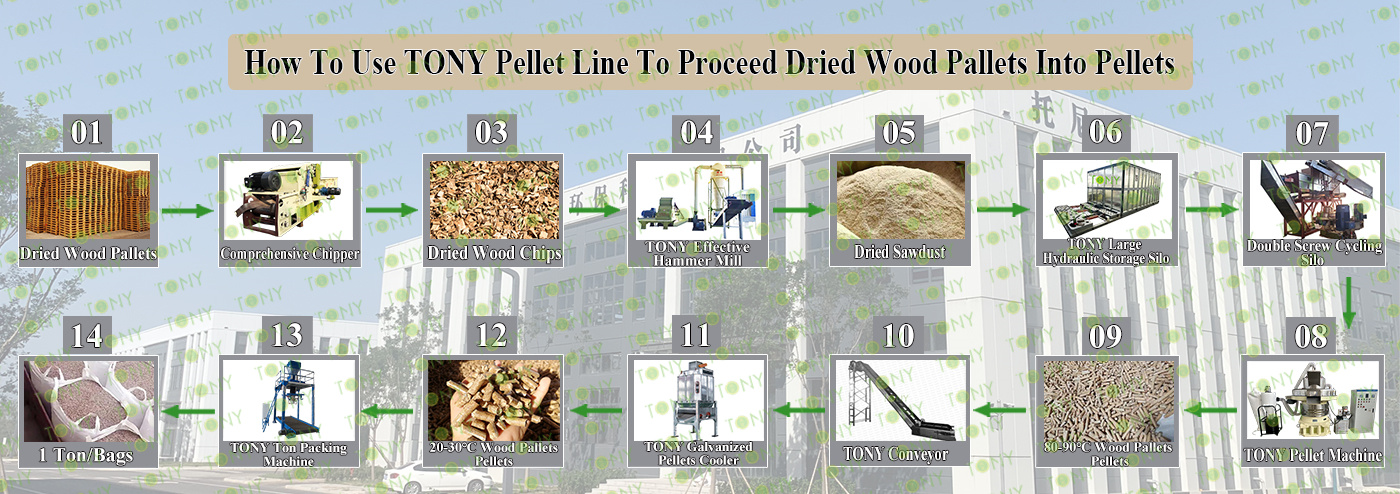
How to use the TONY pellet production line to make pellets from dried wood pallets? The process mainly includes the following steps and equipment: 1. Use TONY comprehensive chipper to grind dried wood pallets with width 1.3m into wood chips 25 - 55 mm in length. 2. Use TONY effective hammer mill to crush the 25-55 mm wood chips into 8-14 mm sawdust. 3.Use TONY large hydraulic storage silo to storage 8-14 mm sawdust 4. Use TONY vertical ring die pellet machine to produce pellets with a diameter of 6-8 mm. 5. Use TONY galvanized pellets cooler to cool the pellets from 80-90°C to 20-30°C. 6. Use TONY ton packing machine to pack the pellets into bags, each weighing 1 ton. For more detailed information and quotations, you can contact TONY. TONY can provide all the above - mentioned products at highly competitive prices and with excellent quality. |
| ||||||||||||||||||||||||||||||||||||||||||||||||||
图片
图片
| Next, TONY Will Introduce To You All The Necessary Machinery That Will Be Used For The Whole Pellet Production Line. Some Machines Can Be Custom - Made By Customers According To Different Customers' Detailed Demands. Contact TONY For More Details, Including Quotation And Layout. | ||
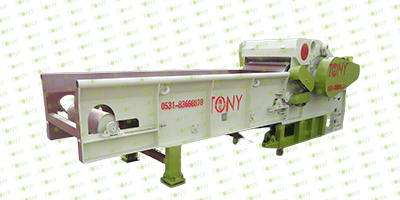 | 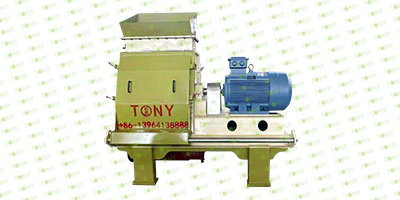 | 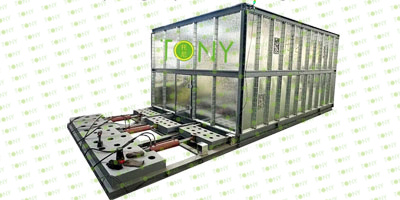 |
| Comprehensive Chipper | Effective Hammer Mill | Large Hydraulic Storage Silo |
| 1.To Grind Wood pallets Width ≤1.3m Into25-55mm Wood Chips. 2.Model: TPC1300-600-160KW With 24 Hammer Heads*2sets 3.Capacity: 12-15Ton/Hour. | 1·rush 25-55mm Wood Chips Into 8-14mm Sawdust. 2.Model: TFD75*132-132KW*4sets 3.Capacity: 4-5Ton/Hour/Set | 1.To Storage Sawdust Before Pellet machine 2.Model: TCY-25*2sets 3.TONY Uses Galvanized Material |
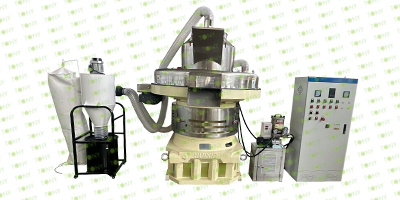 | 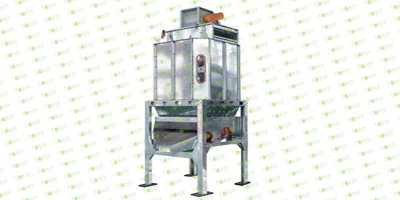 | 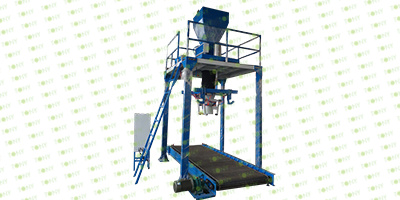 |
| Vertical Ring Die Sawdust Pellet Machine | Galvanized Pellets Cooler | Ton Packing Machine |
| 1.To Press Dry Sawdust Into 6-8mm Biomass Pellets 2.Model: TYJ860-III-280KW*4sets 3.Capacity:4-5Ton/Hour/Set 4.New 304SS Type | 1.To Cool Pellets From 80-90℃ Into 20-30℃ 2.Model: TCN-10*2sets 3.Capacity:18-20Ton/Hour | 1.To Pack Pellets Into 1Ton/Bags. 2.Model: TBD*2sets 3.Capacity: 18-20Ton/Hour |
图片

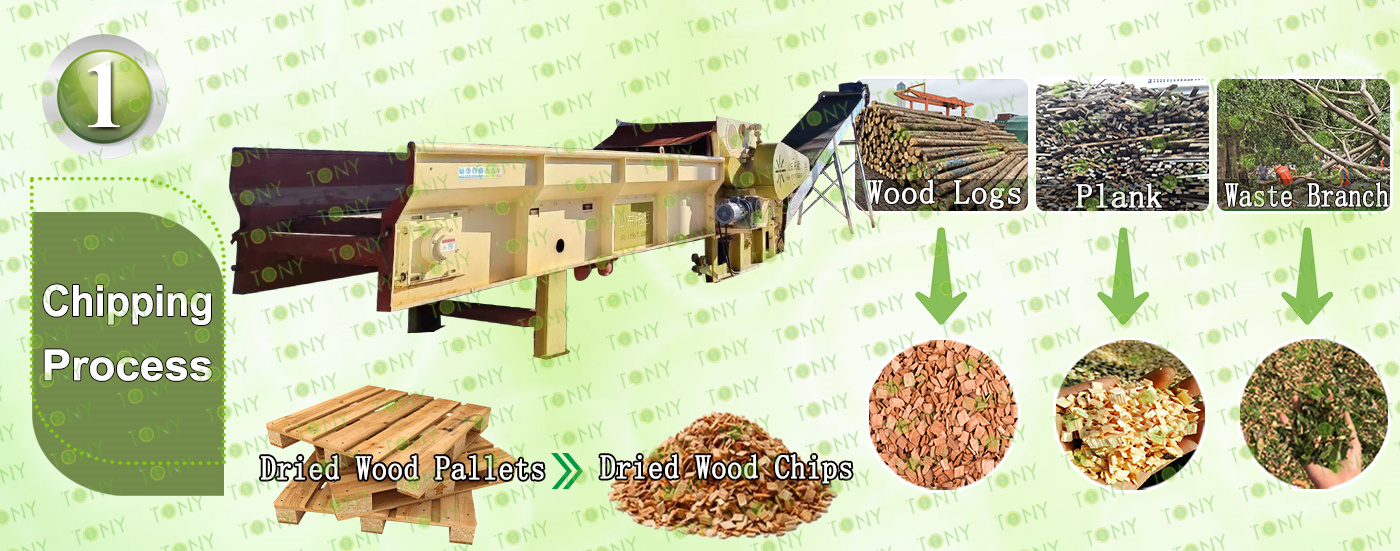
1.Wood Pallets Chipping Process:
A. This process is mainly used to grind wooden pallets with nails less than 1.3 m in width into wood chips with a size of 25-55 mm. The final size of the wood chips can be adjusted by replacing the screen with different sizes and replacing or adjusting the hammer heads with different specifications.
B.TONY brand comprehensive chipper TPC1300-600-160KW model with 24 hammer heads*2sets
C.Capacity:18-20Ton/Hour.
Main Parts:
(1)TONY's Comprehensive Chipper.
(2)Feed And Discharge Belt Frequency Control To Prevent Card Material
(3)Hydraulic System Control Can Be Used For Thicker Materials
(4)Electronic Control System Allows The Equipment To Be Used Normally
Contact Tony For More Details With Quotation

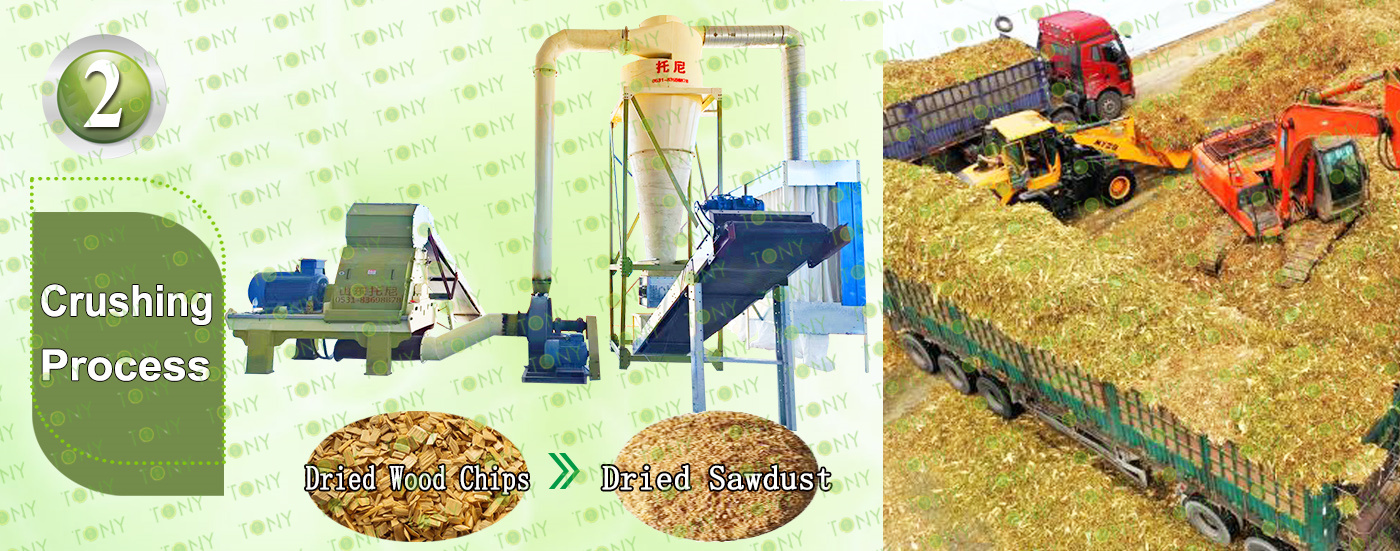
2.Wood Chips Fine Crushing Process:
A.This process is mainly used to crush 25-55mm wood chips into 8-14mm sawdust.
B.Capacity:18-20Ton/Hour.
C.TONY brand effective hammer mill TFD75*132-132KW*4sets
Main Parts:
(1)TONY Effective Hammer Mill.
(2)Galvanized Dust Collector.
(3)Sawdust Transportation Fan Blower.
(4)Cyclone With Airlock.
(5)Electrical Cabinets.
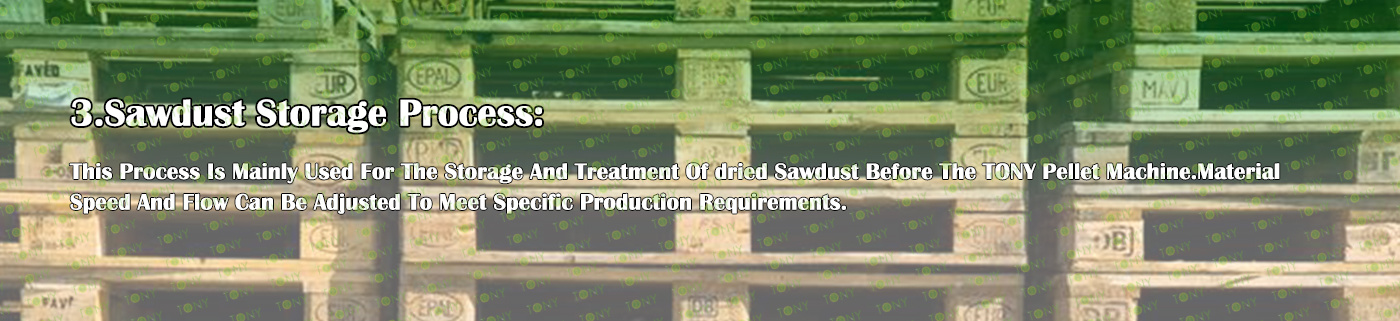
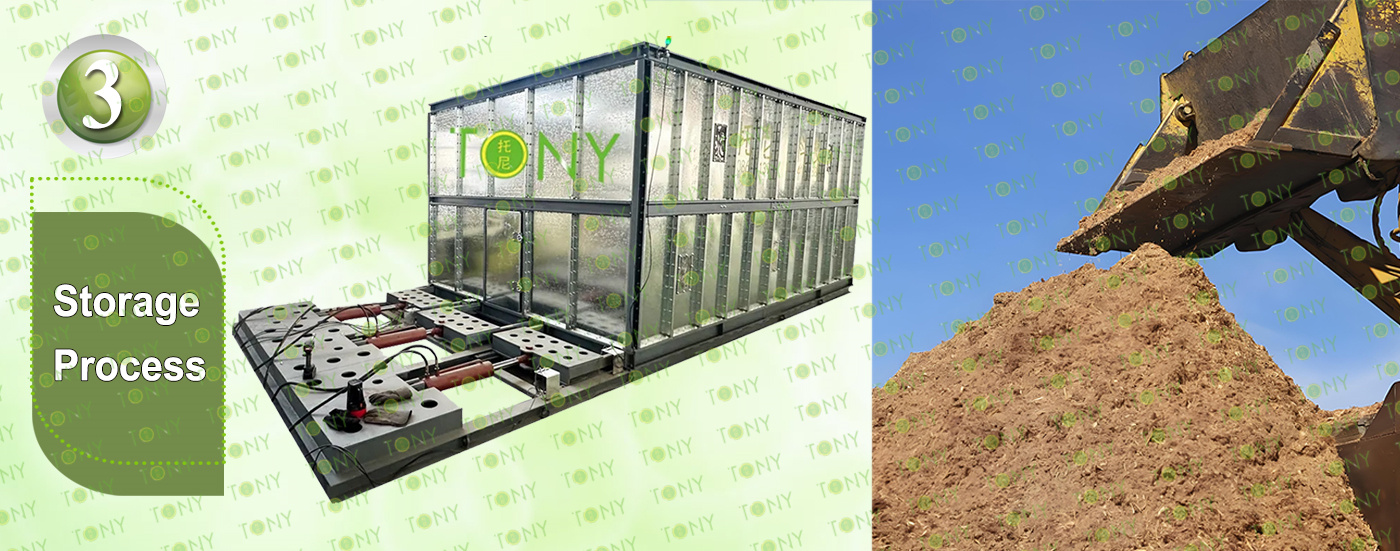
3.Sawdust Storage Process:
A. This process is mainly used to storage the sawdust that comes out of the hammer mill.It is hydraulic galvanized storage bin which is more stalbe and sawdust in it is not easy to be blocked.
B. TONY brand sawdust storage to storage the sawdust that comes out of the hammer mill.This process can be optional by customer.If customer do not chose the storage bin,he can storage the sawdust on the ground directly which may need some labour.
Main Parts:
(1)TONY's New Sawdust Storage Bin.
(2)With Screws Inside The Storage Bin To Prevent Sawdust Blocked.

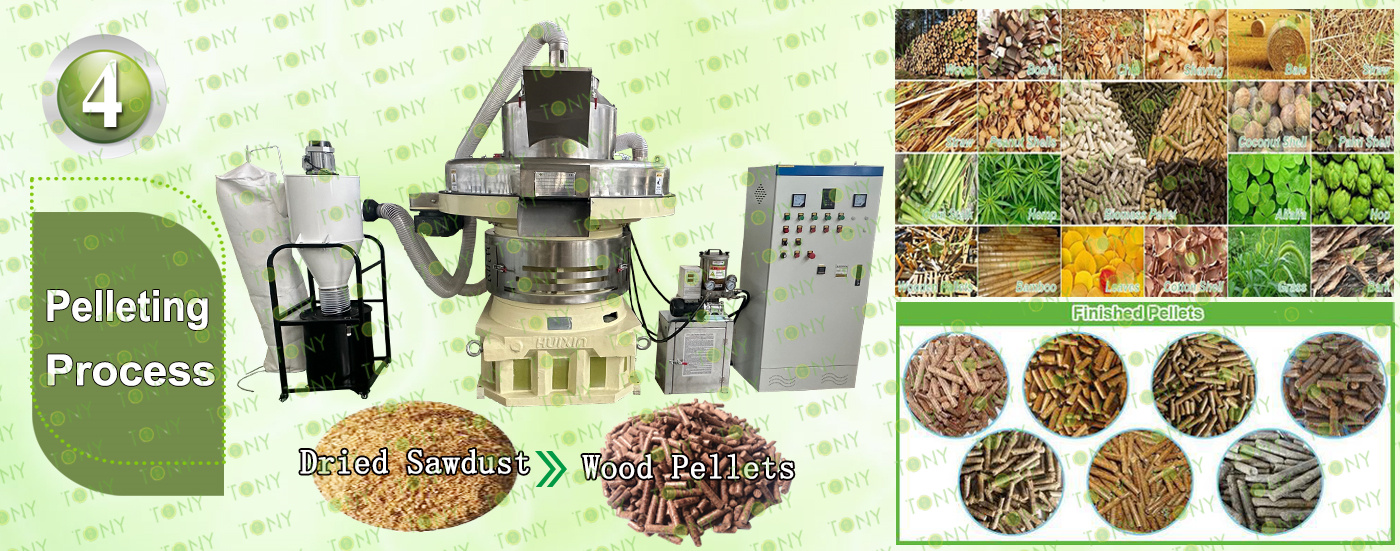
4.Pelletizing Process:
A.This process is mainly used to to product pellets into φ6-8mm.
B.Capacity:18-20Ton/Hour.
C.TONY brand vertical ring die pellet machine TYJ860-Ⅲ-280KW*4sets
D.Double screw cycling silo is added above the pellet machine, which has the advantages of saving space, saving labor, intelligently controlling the feeding speed, not easy to block the material, and improving production efficiency.
Main Parts:
(1)TONY's New Vertical Ring Die Pellet Machine.
(2)Cyclone And Bags Dust Collectors.
(3)Automatic Lubrication System.
(4)Electrical Cabinets.
You can chose TONY new type SS304 pellet machine

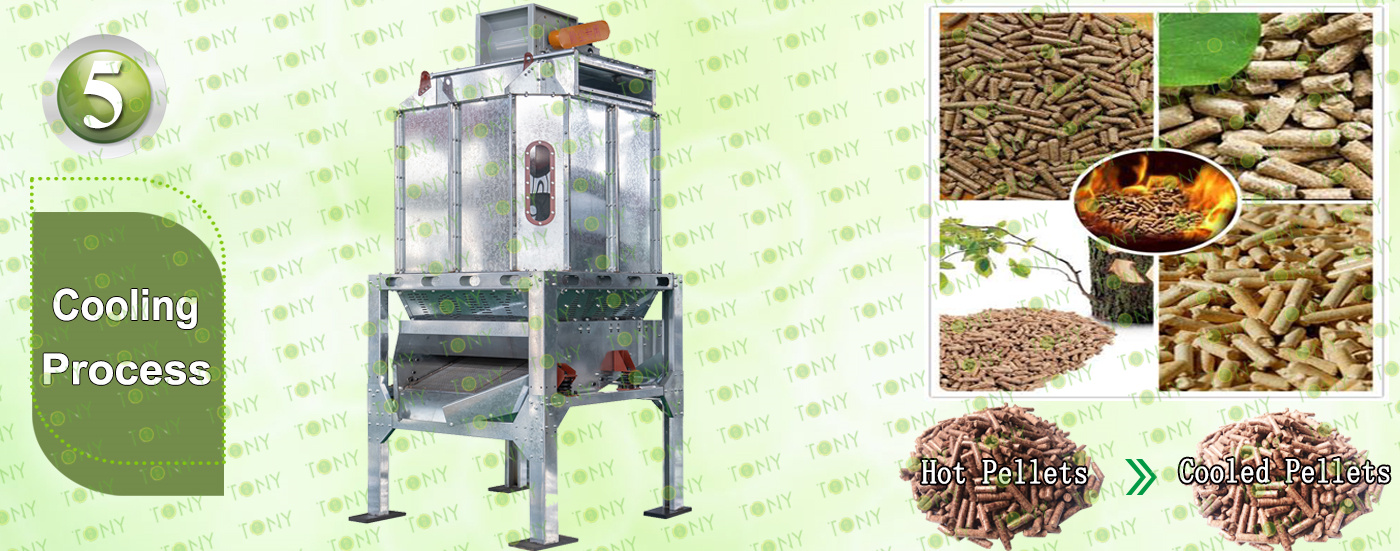
5.Cooling Process:
A.This process is mainly used to cool pellets from 80-90℃ to 20-30℃
B.Capacity:18-20Ton/Hour.
C.TONY brand galvanized cooler separator*2sets
Main Parts:
(1)TONY's Galvanized Cooler Separator With Vibrating Screen.
(2)Cyclone And Bags Dust Collectors.
(3)Fan Blower.
(4)Connect Pipes.

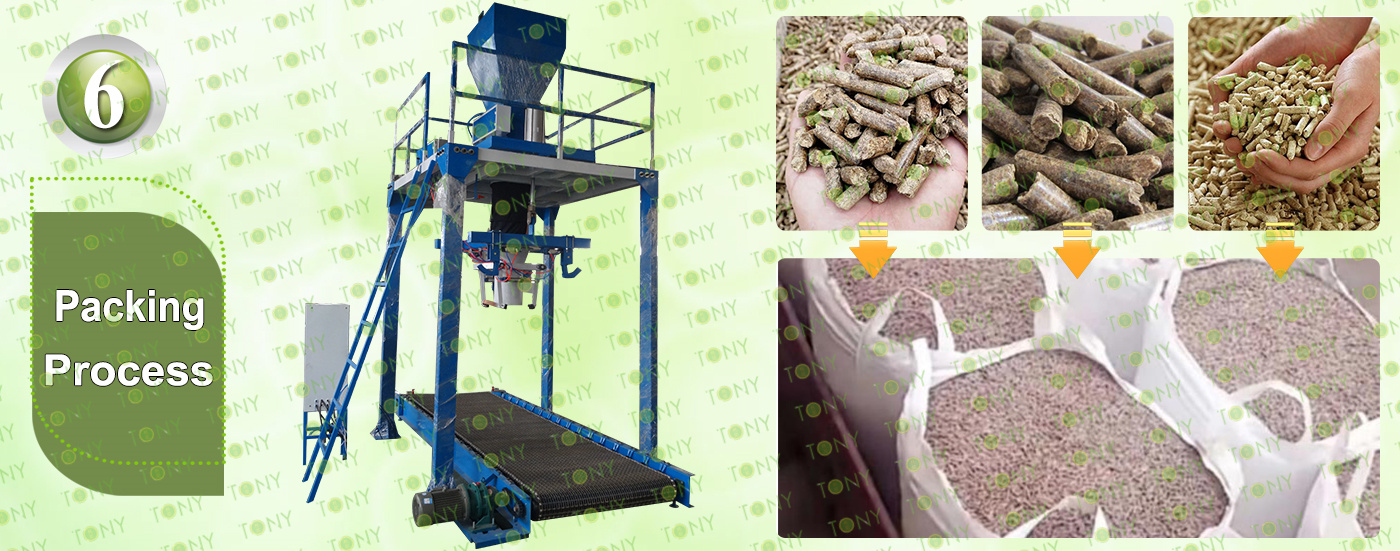
6.Packing Process:
A.This process is mainly used to pack pellets into 1ton/bags.
B.2 sets of TONY ton packing machine
Main Parts:
(1)TONY Ton Packing Machine
(2)Electronic Platform Scale Metering System
(3)Automatic Tare, Zero, and Drop Correction Functions
(4)Feeding System Features Fast, Medium, and Slow Feeding Speeds to Ensure Measuring Accuracy


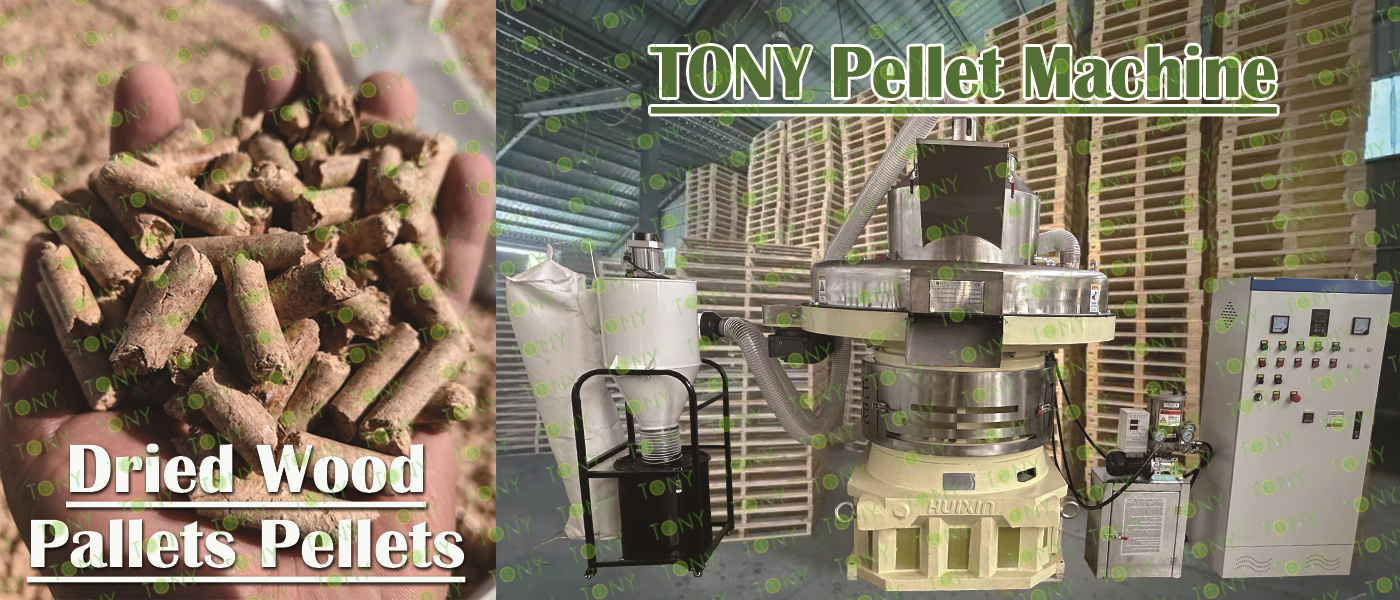
The biomass pellet processing startup project is an environmentally friendly venture capitalizing on the dual trends of "solid waste resource utilization" and "clean energy substitution." Using waste wood (such as discarded dry pallets from the logistics industry, lumber mill scraps, agricultural and forestry pruning branches, and furniture production waste) as its core raw material, it utilizes specialized equipment such as shredding, crushing, drying, and extrusion to produce high-density biomass pellet fuel. Suitable for small and medium-sized investors, it offers both economic returns and social value.
The project's core competitiveness lies primarily in its low cost and high adaptability of the raw material: The raw material is widely sourced, mostly from waste resources, and can be purchased at low prices in logistics parks, furniture factories, and forestry farms. Some partners even provide it free of charge (though transportation costs must be covered). Furthermore, the equipment can efficiently sort and process dry pallets with metal connectors and branches containing impurities through pre-processing, eliminating the need for extensive manual screening and achieving a raw material utilization rate of over 90%. Furthermore, to promote the development of "zero-waste cities," local governments often provide site and equipment subsidies for solid waste resource utilization projects, further reducing initial startup pressures.
In terms of market demand, the project aligns with the energy structure adjustment needs under the "dual carbon" policy. In the industrial sector, boiler heating in small and medium-sized factories and the drying process in food processing companies require alternatives to highly polluting coal fuels, and biomass pellets can be directly integrated into existing equipment. In the agricultural sector, there is a strong demand for low-cost fuels for winter insulation in greenhouses and heating livestock and poultry farms. In the civilian sector, biomass pellets are becoming a high-quality alternative to coal due to their convenient storage and smokeless combustion in rural areas of northern China. Demand for these products covers multiple scenarios and is growing year by year.

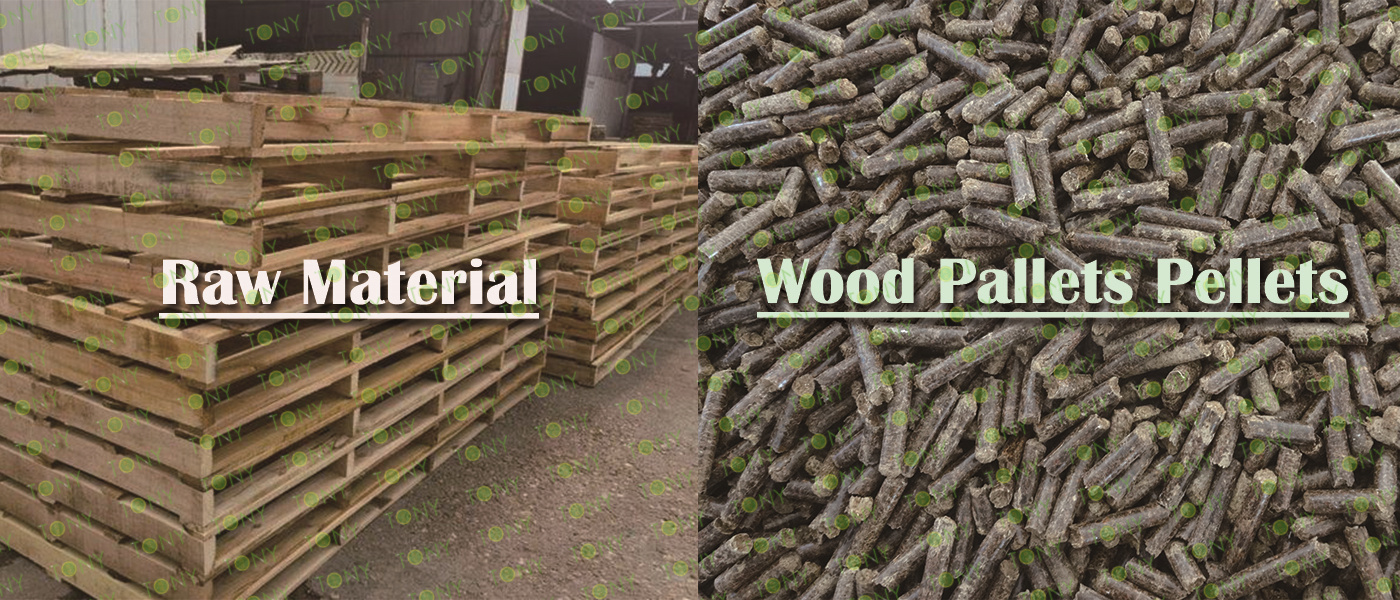
1.Wide range of sources and low cost:
The raw materials are mainly forestry waste such as wood chips, scraps, branches, and bark generated by wood processing. These materials are available in large quantities in wood processing plants, furniture factories, and other places. Some can be obtained at low prices or even for free, which can effectively control the cost of raw materials.
2.Strong sustainability:
It is a renewable resource. As long as trees are harvested and planted reasonably, a continuous supply of raw materials can be achieved, which is in line with the concept of green development.
3.High and stable calorific value:
The calorific value of wood chip pellets is usually 4000-5000 kcal/kg, and the combustion efficiency can reach more than 90%. It can provide heat stably to meet the needs of industrial heating and household heating.
4.Complete combustion and low pollution:
The pollutants such as sulfur dioxide and nitrogen oxides produced during combustion are much lower than those of coal, and the amount of ash is small, which has little impact on the environment and meets environmental protection standards.





2025 Tony Machinery - All Rights Reserved. Map