




















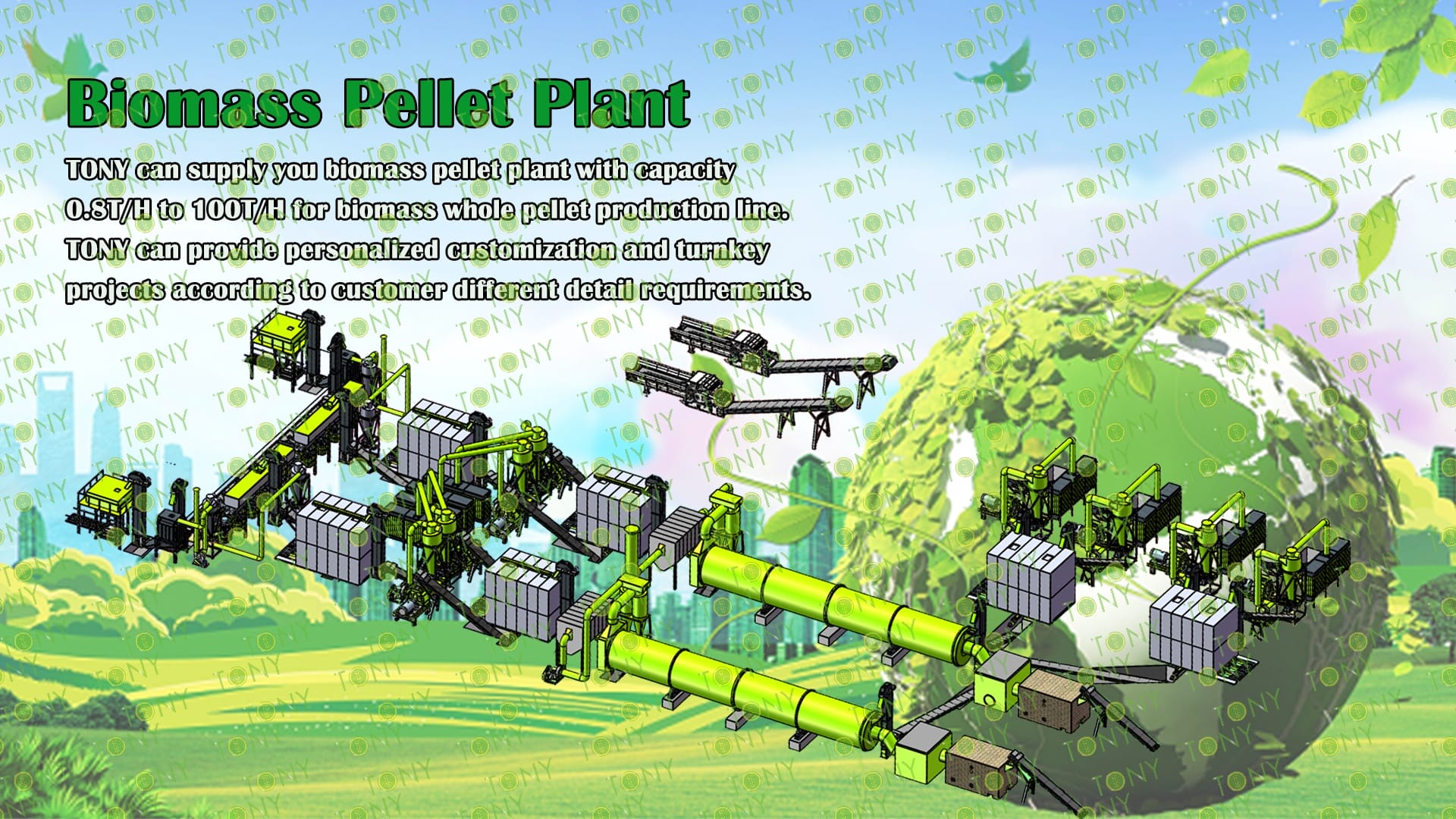
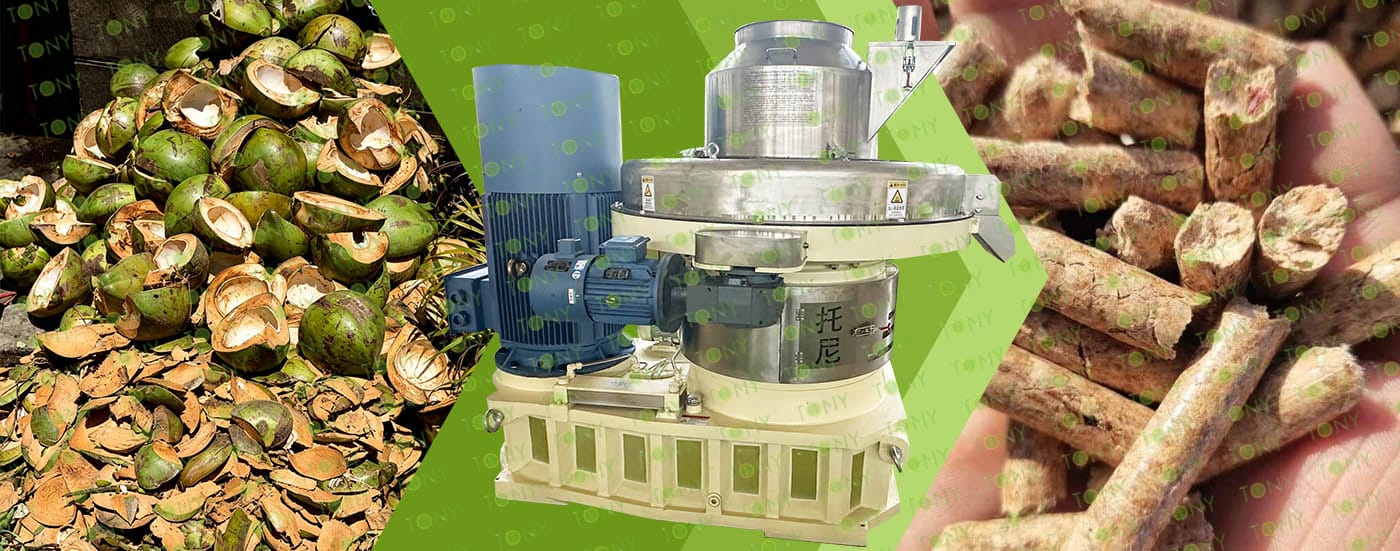
1.The working principle of wet coconut shell biomass pellet processing equipment
The core principle of wet coconut shell biomass pellet processing equipment is to compress loose wet coconut shells into high-density pellets through mechanical extrusion and temperature control. This relies heavily on the equipment's precise control of pressure and temperature, as well as the synergistic effect of the mold and pressure rollers.
2.Characteristics of wet coconut shell biomass pellet processing equipment
(1)Forced Drying Module:
Equipped with a built-in hot air dryer or drum dryer, it can quickly reduce the moisture content of raw materials to the suitable range of 10%-15% for granulation, eliminating the need for natural sun drying.
(2)Crushing and Grinding Function:
Equipped with a crusher and grinder featuring high-hardness blades, it first crushes the lumpy coconut shells and then grinds them into uniform fibrous powder, preventing jamming during granulation.
(3)Impurity Removal Design:
Some equipment includes magnetic separation or screening devices to remove impurities such as sand and metal that may be mixed into the coconut shells, protecting subsequent granulation components.
3.Application scenarios of wet coconut shell biomass pellet processing equipment
Biomass Energy Processing Clusters – Specialized Production and Distribution
In regions with mature biomass energy industry chains, equipment is primarily used for specialized production of pellet fuel, which is then distributed to downstream markets.
(1)Small and Medium-Sized Biomass Fuel Plants:
These plants centrally purchase wet coconut shells from surrounding production areas, process them into standardized pellets on a large scale using equipment, and then sell them to end customers such as industrial enterprises and heating companies.
(2)Agricultural Waste Integrated Treatment Parks:
In some areas, to promote environmental protection and resource recycling, integrated treatment parks are being built, equipped with wet coconut shell processing equipment, and linked with other straw and sawdust processing equipment to form diversified biomass fuel production capabilities.
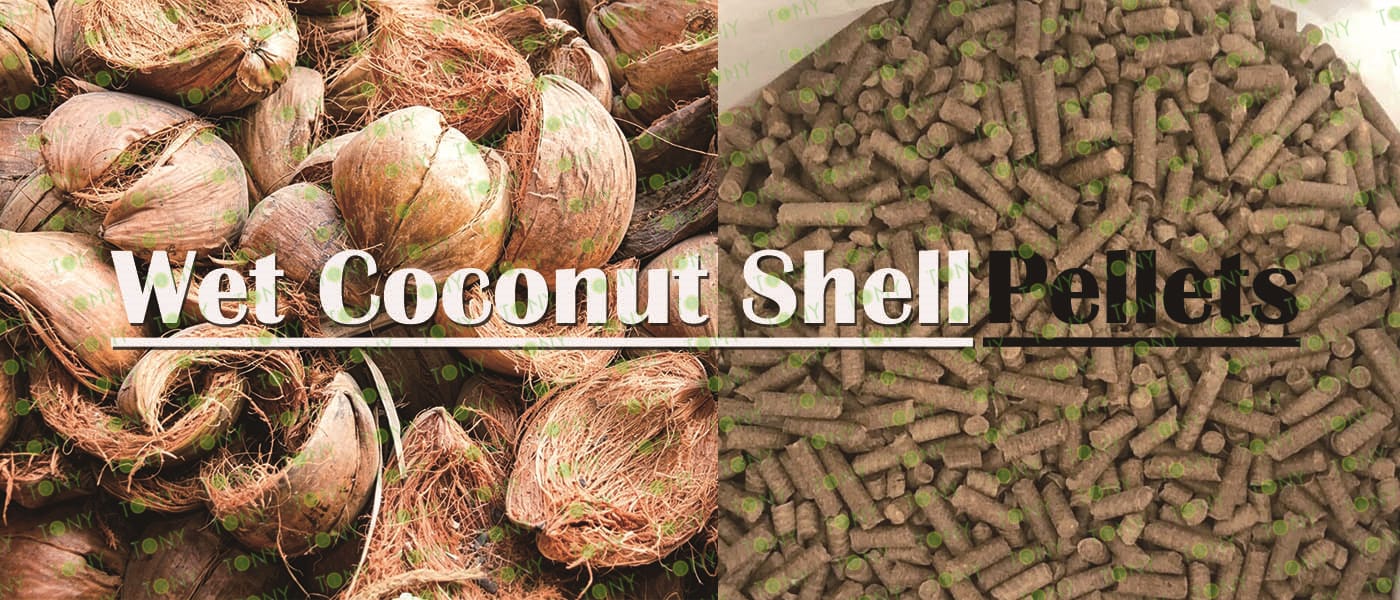
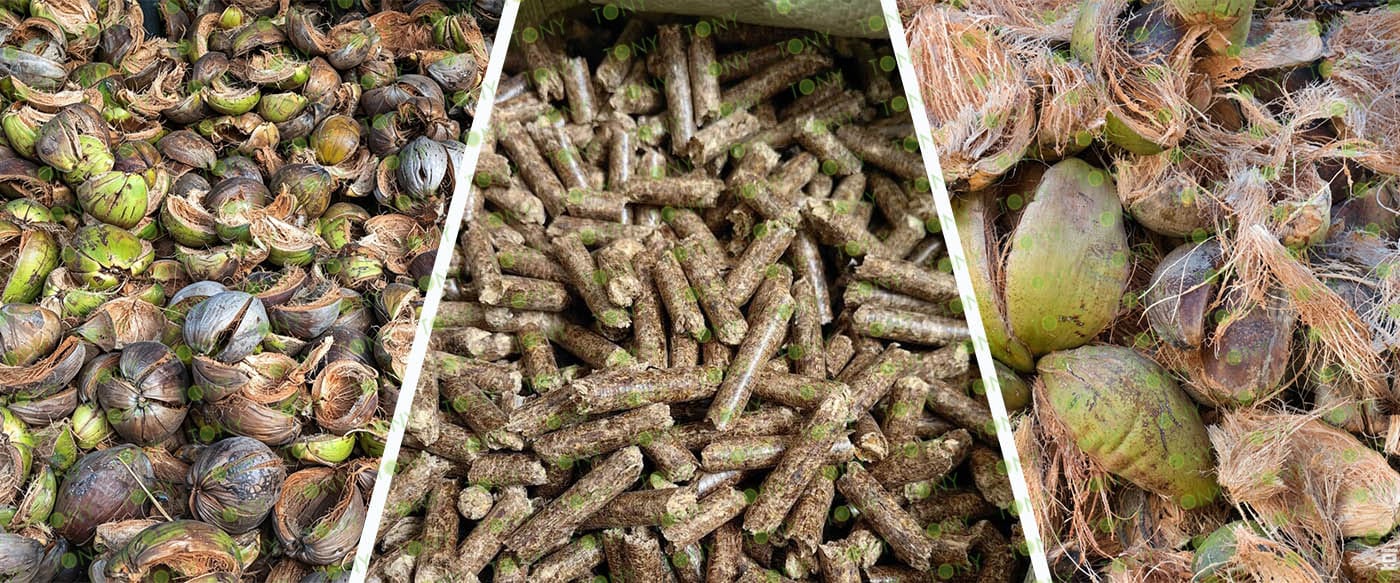
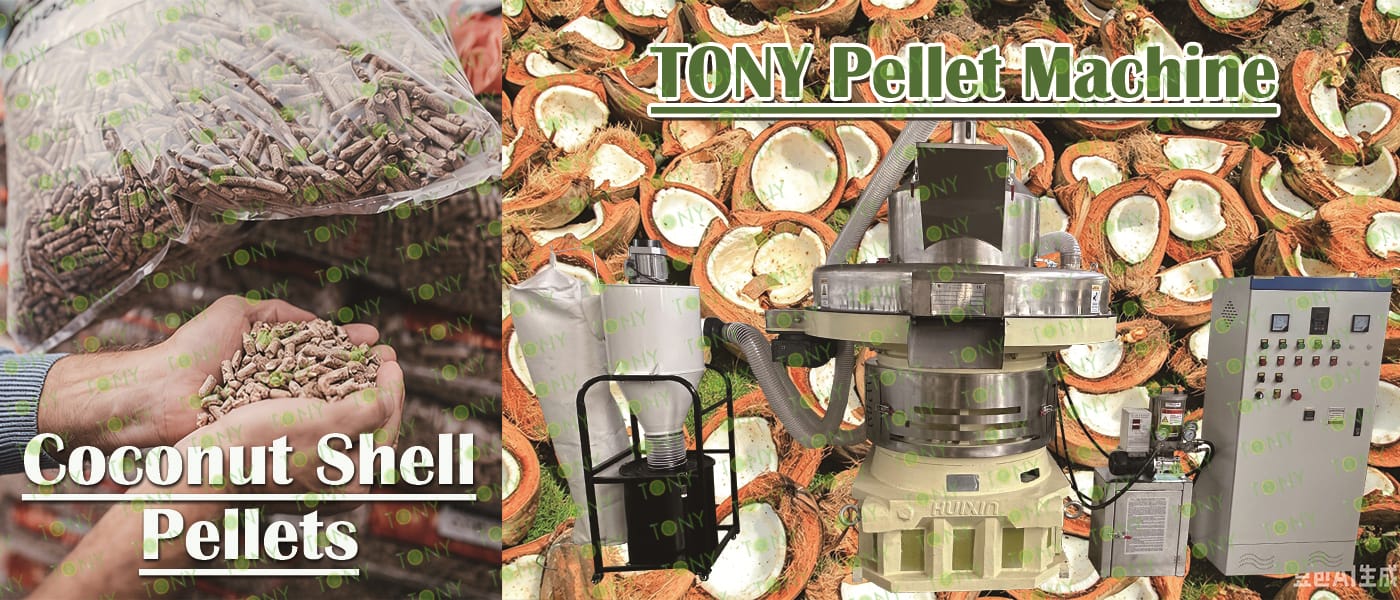
TONY Brand 40-50Ton/Hour Wet Coconut Shell Pellet Manufacturing Plant can take wet coconut shell into biomass pellets.Coconut shells have a high carbon content and high calorific value. When processed into pellets, they burn more completely, resulting in fewer pollutants. The raw material is widely available, representing waste recycling at a low cost. Processing coconut shells into biomass pellets is highly feasible and offers advantages in terms of environmental protection and resource reuse.
1. Capacity: 40-50Ton/Hour
2. Raw materials: Wet Coconut Shell
3. Moisture: Wet type, about 40-55%.
4. Application: All kinds of biomass materials suitable for pellet production.
Suitable customers: Those working in coconut-producing areas, such as coconut growers and coconut processing companies (e.g., coconut juice factories and coconut meat processing plants); biomass energy entrepreneurs; investors in agriculture/environmental protection; and individuals who can reliably obtain sufficient coconut shell raw materials.
5. Finished Pellets Markets: Large power plants ,domestic heating, industrial heating, combustion heat, heating systems, boiler rooms, school canteens, foundry heat sources.

1. Project Name: Wet Coconut Shell Pellet Production Line
2. Raw Material: All kinds of Wet Coconut Shell
3. Moisture Content of Raw Material: 40-55%
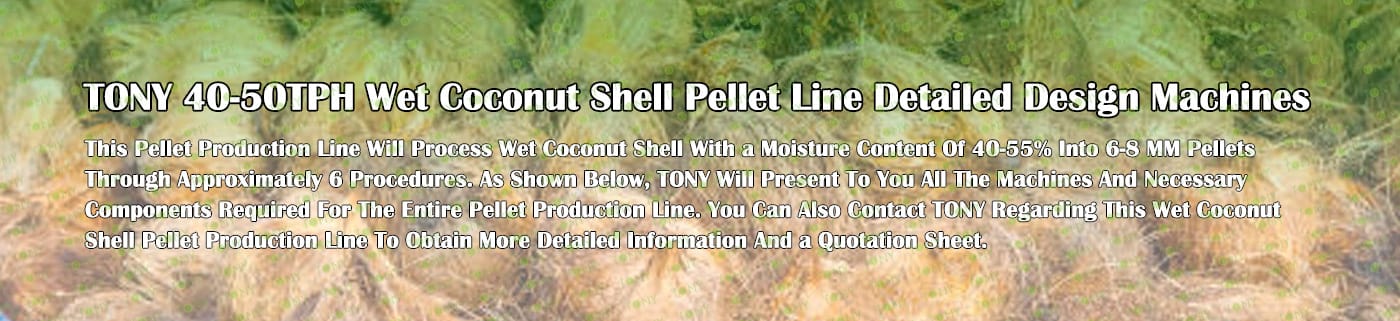
4. Capacity: 40-50TPH
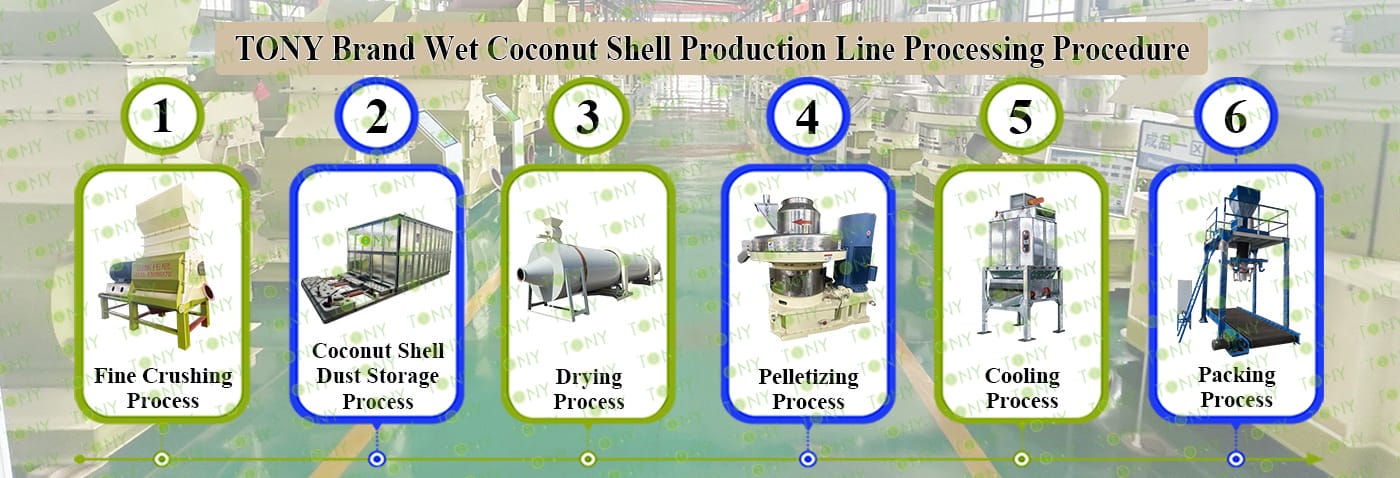
5. Process: Fine Crushing Process - Coconut Shell Dust Storage Process - Drying Process - Pelletizing Process - Cooling Process - Packing Process
6. Main Equipment:Effective Hammer Mill-TFD120-200-355KW, TONY Large Hydraulic Storage Silo,Rotary Drum Dryer-3.2-28m, TONY Pellet Machine- TYJ860-Ⅲ-280KW, Galvanized Pellets Cooler, Ton Packing Machine and Belt Conveyors

|
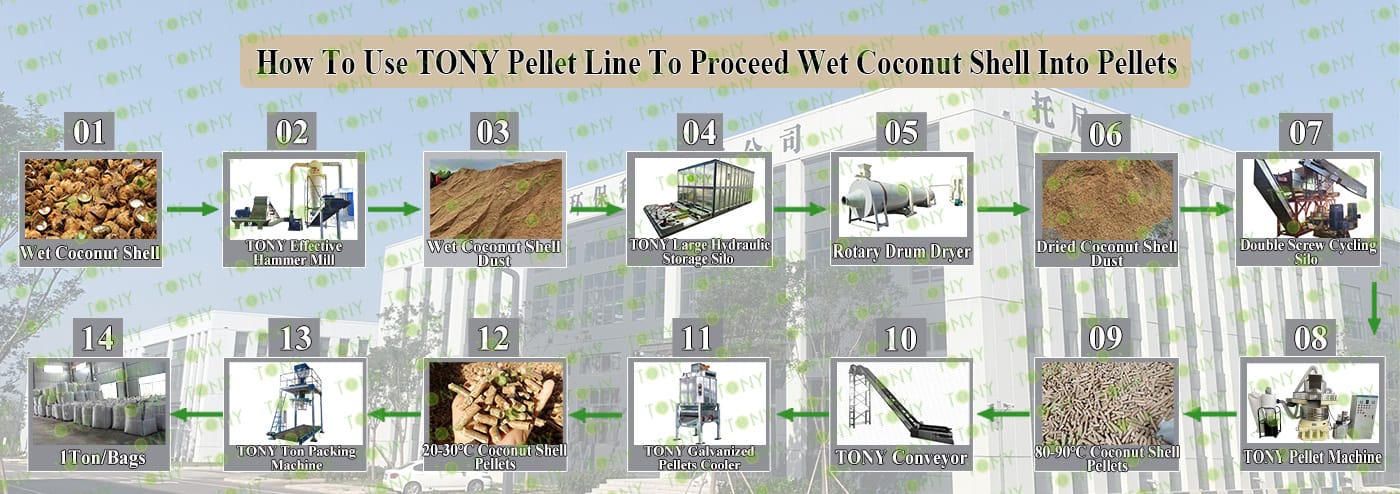
How To Use TONY Pellet Line To Proceed From Wet Coconut Shell Into Pellets? It mainly contains the following steps and machines as following: 1.Use TONY effective hammer mill to crush the coconut shell into 8-14 mm coconut shell dust. 2.Use TONY large hydraulic storage silo to storage 8-14 mm coconut shell dust. 3.Use TONY rotary drum dryer to dry the 40-55% wet coconut shell dust into 10-15% dried coconut shell dust 4.Use TONY vertical ring die pellet machine to products pellets with φ6-8mm. 5.Use TONY galvanized pellets cooler to cool pellets from 80-90℃ to 20-30℃. 6.Use TONY ton packing machine to pack the pellets into 1ton/bags. For more detailed information and quotations, you can contact TONY. TONY can provide all the above - mentioned products at highly competitive prices and with excellent quality. |
|
||||||||||||||||||||||||||||||||||||||||||||||||||
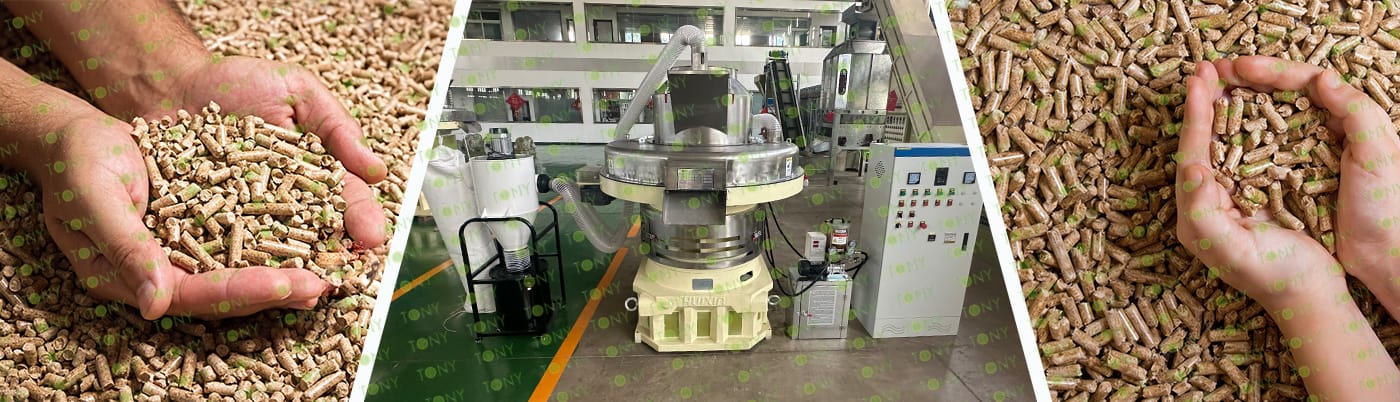
| Next, TONY Will Introduce To You All The Necessary Machinery That Will Be Used For The Whole Pellet Production Line. Some Machines Can Be Custom - Made By Customers According To Different Customers' Detailed Demands. Contact TONY For More Details, Including Quotation And Layout. | ||
 |
 |
 |
| Effective Hammer Mill | Large Hydraulic Storage Silo | Rotary Drum Dryer |
| 1.To Crush Coconut Shell Into 8-14mm Coconut Shell Dust. 2.Model: TFD120-200-355KW*4Sets 3.Capacity:13-15Ton/Hour/Set |
1.To Storage Coconut Shell Dust Before Dryer Control Coconut Shell Dust Flow Entering The Dryer Model: TCY-35*4Sets 2.TONY Uses Galvanized Material |
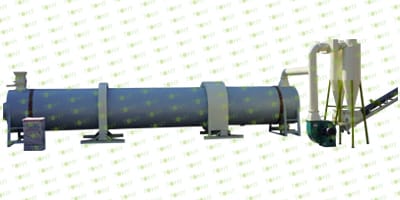
1.To Dry The 40-55% Coconut Shell Dust Into 10-15%Coconut Shell Dust. 2.Model: THGD3.2-28*4Sets 3.Capacity:10-13Ton/Hour/Set |
 |
 |
 |
| Vertical Ring Die Pellet Machine | Galvanized Pellets Cooler | Ton Packing Machine |
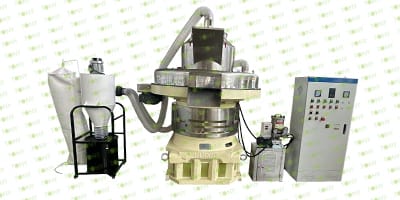
| 1.To Press Coconut Shell Dust Into 6-8mm Biomass Pellets 2.Model: TYJ860-III-280KW*10Sets 3.Capacity:4-5Ton/Hour/Set 4.New 304SS Type |
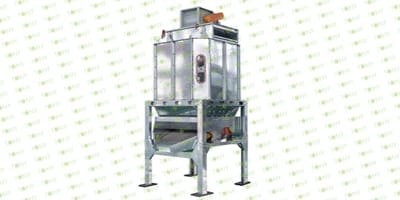
1.To Cool Pellets From 80-90℃ Into 20-30℃ 2.Model: TCN-10*2Sets 3.Capacity:40-50Ton/Hour |
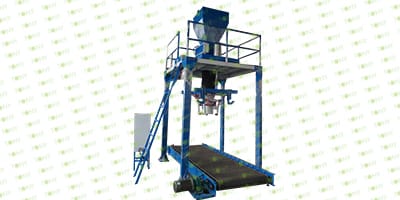
1.To Pack Pellets Into 1Ton/Bags 2.Model: TBD*2Sets 3.Capacity:40-50Ton/Hour |
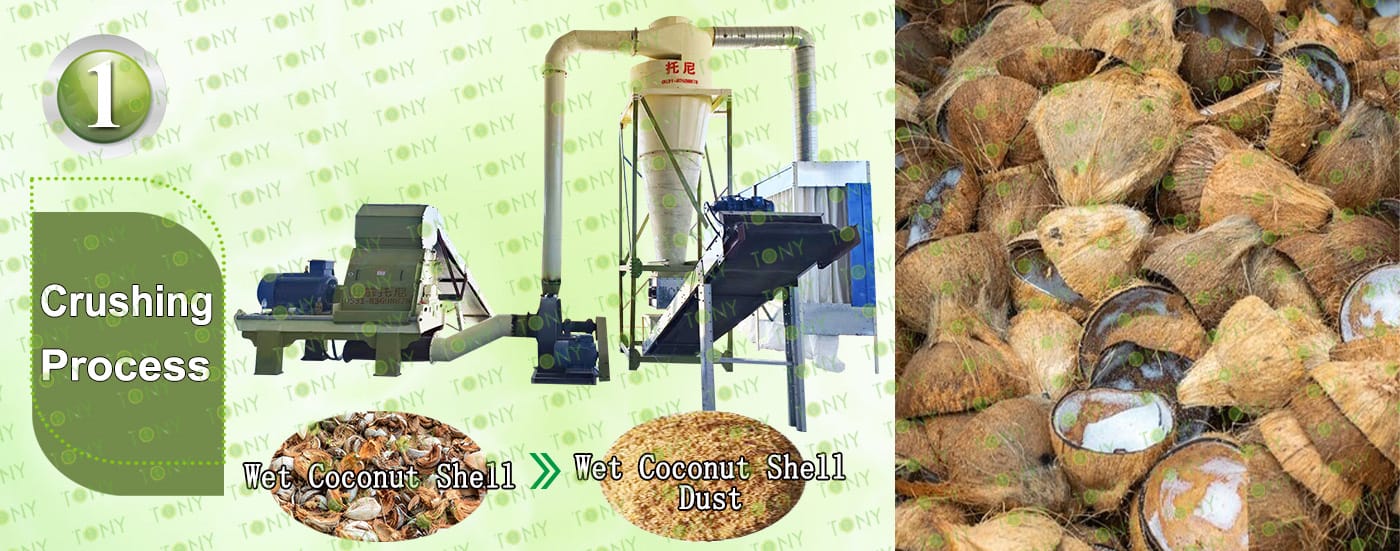
1.Coconut Shell Fine Crushing Process:
A.This process is mainly used to crush coconut shell into 8-14mm coconut shell dust.
B.Capacity:40-50Ton/Hour.
C.TONY brand effective hammer mill TFD120-200-355KW*4sets
Main Parts:
(1)TONY Effective Hammer Mill.
(2)Galvanized Dust Collector.
(3)Sawdust Transportation Fan Blower.
(4)Cyclone With Airlock.
(5)Electrical Cabinets.
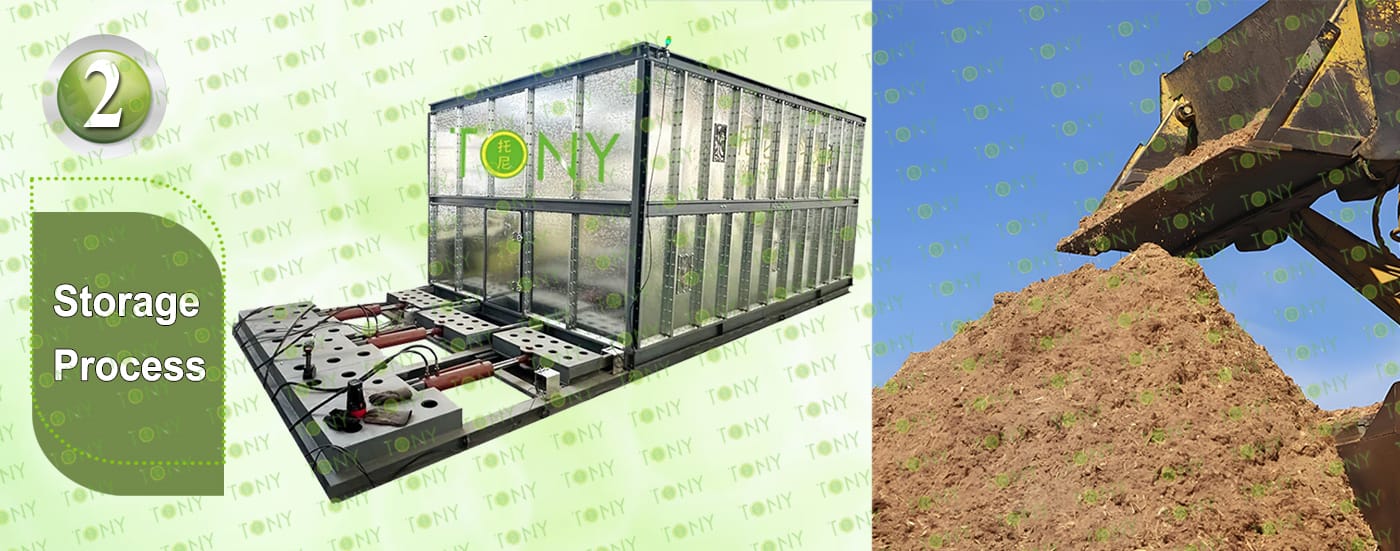
2.Coconut Shell Dust Storage Process:
A. This process is mainly used to storage the coconut shell dust that comes out of the hammer mill.It is hydraulic galvanized storage bin which is more stalbe and coconut shells dust in it is not easy to be blocked.
B. TONY Brand Large Hydraulic Storage Silo to storage the coconut shell dust that comes out of the hammer mill.This process can be optional by customer.If customer do not chose the storage bin,he can storage the coconut shell dust on the ground directly which may need some labour.
Main Parts:
(1)TONY's New Large Hydraulic Storage Silo.
(2)With Screws Inside The Storage Bin To Prevent Coconut Shell Dust Blocked.
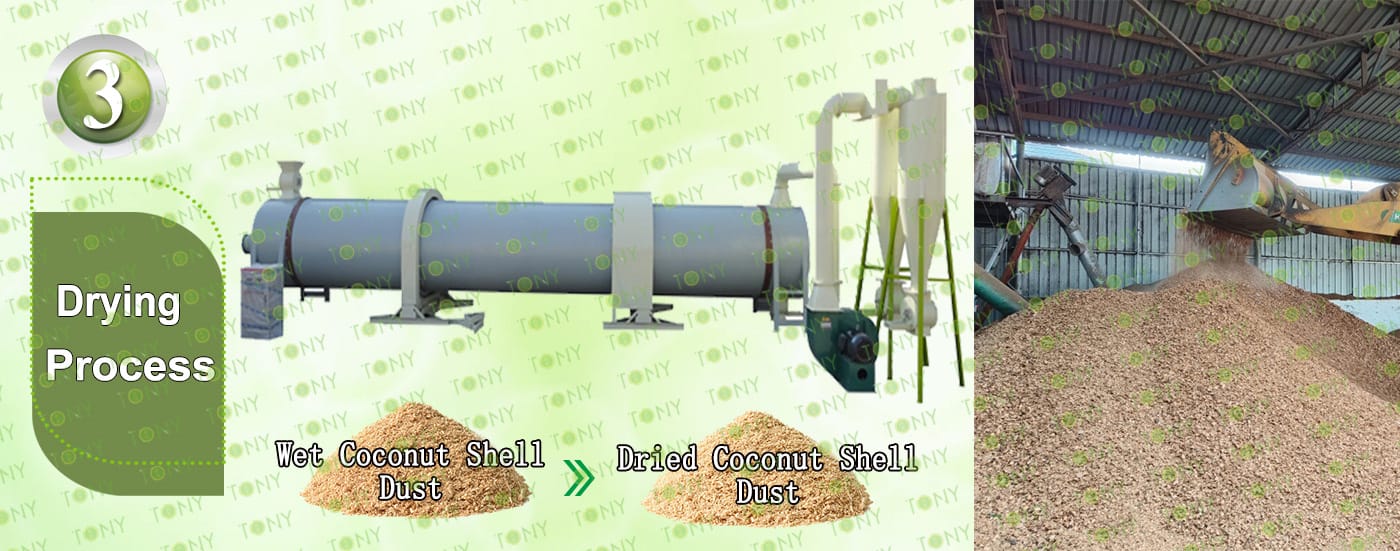
3.Coconut Shell Dust Drying Process:
A.This process is mainly used to dry the coconut shell dust from 40-55% to 10-15%.
B.Capacity:40-50Ton/Hour.
C.TONY use 4 sets of 3.2*28m rotary drum dryer for this process, TONY hot blast stove is made of firebrick pan, shell with H steel plate as the frame. There are 3 layers of fire blocking device inside, which can effectively prevent the fire from entering the tumble dryer.Customers can choose to use waste wood, biomass pellets, natural gas, etc. as fuel for the hot air furnace
TONY dryer use spiral tube material, and is not easy to deform.
Unlike other manufacturers with iron plate splicing welding, very easy to deformation.
Main Parts:
(1)TONY's Rotary Drum Dryer Main Body. (Reducers With Motors and Pips.)
(2)TONY's Hot Stove.
(3)Fan Blower+Cyclone With Airlock.
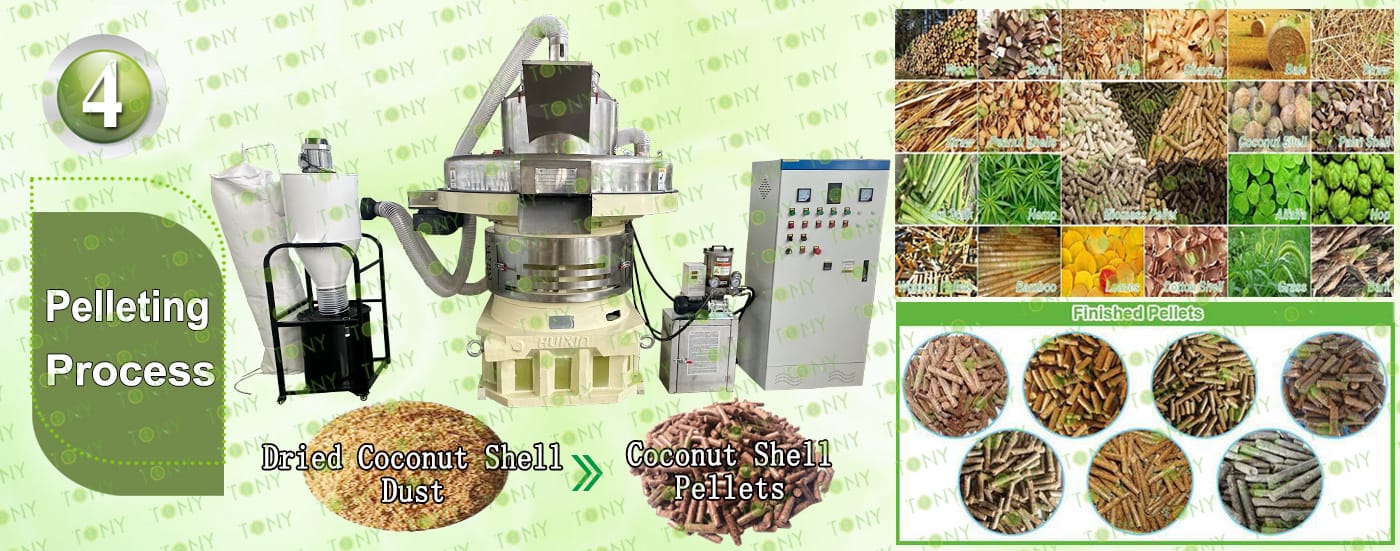
4.Pelletizing Process:
A.This process is mainly used to to product pellets into φ6-8mm.
B.Capacity:40-50Ton/Hour.
C.TONY brand vertical ring die pellet machine TYJ860-Ⅲ-280KW*10sets
D.Double Screw Cycling Silo is added above the pellet machine, which has the advantages of saving space, saving labor, intelligently controlling the feeding speed, not easy to block the material, and improving production efficiency.
Main Parts:
(1)TONY's New Vertical Ring Die Pellet Machine.
(2)Cyclone And Bags Dust Collectors.
(3)Automatic Lubrication System.
(4)Electrical Cabinets.
You can chose TONY new type SS304 pellet machine

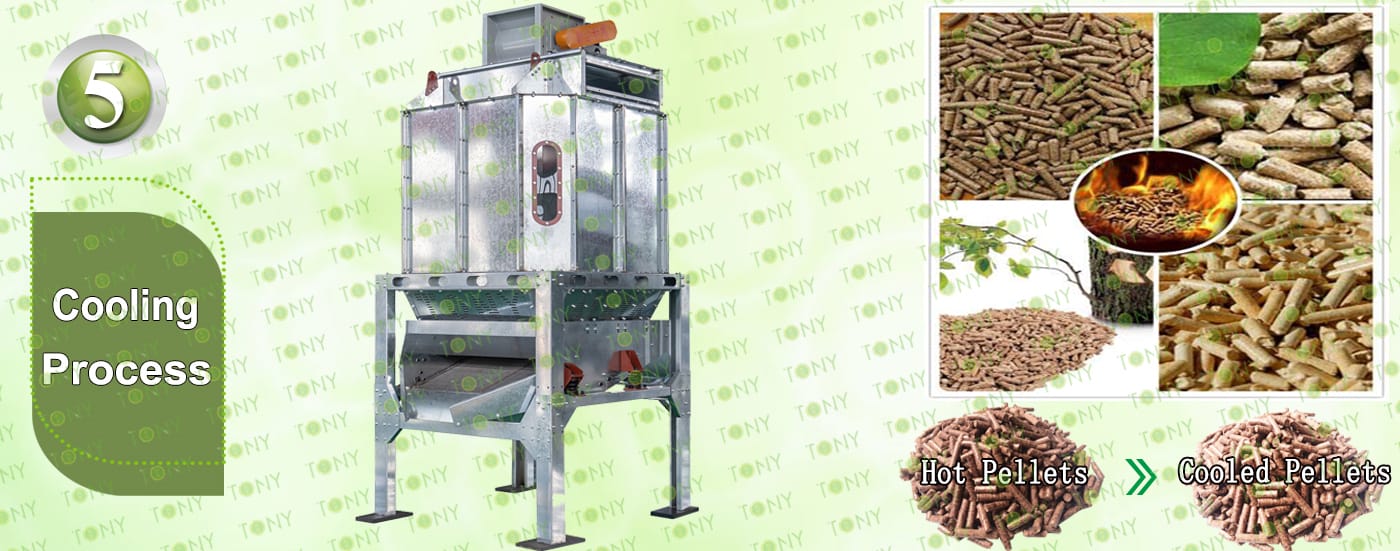
5.Cooling Process:
A.This process is mainly used to cool pellets from 80-90℃ to 20-30℃
B.Capacity:40-50Ton/Hour.
C.TONY brand galvanized cooler separator*2sets
Main Parts:
(1)TONY's Galvanized Cooler Separator With Vibrating Screen.
(2)Cyclone And Bags Dust Collectors.
(3)Fan Blower.
(4)Connect Pipes.

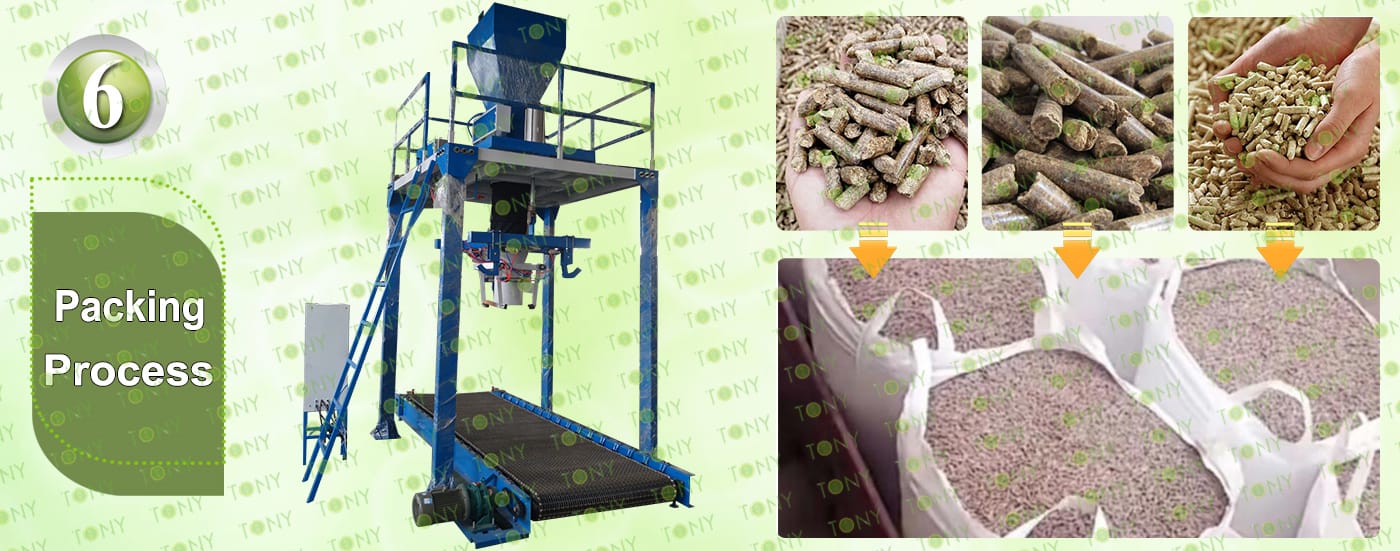
6.Packing Process:
A.This process is mainly used to pack pellets into 1 ton/bags.
B.Capacity:40-50Ton/Hour.
C.TONY brand ton packing machine*2 sets
Main Parts:
(1)TONY Ton Packing Machine
(2)Electronic Platform Scale Metering System
(3)Automatic Tare, Zero, and Drop Correction Functions
(4)Feeding System Features Fast, Medium, and Slow Feeding Speeds to Ensure Measuring Accuracy


Project Advantages – Low Cost and Mature Equipment Technology
1.Abundant Raw Material Sources and Low Costs
The main raw material for biomass pellets is coconut shells. These wastes are abundant in rural and agro-forestry areas. In the past, they were often discarded or burned, resulting in resource waste and environmental pollution. Today, they have become valuable raw materials for biomass pellet production. If entrepreneurs own their own agro-forestry waste resources, the raw material cost can be almost zero. Even if external procurement is necessary, prices remain low year-round, far lower than the calorific value of traditional fuels such as coal. This abundant and inexpensive source of raw materials lays a solid foundation for the low-cost operation of the project.
2.Mature Equipment Technology and Highly Efficient and Stable Production Capacity
After years of development, biomass pellet processing equipment technology has become quite mature. Modern fully automated biomass pellet production lines cover the entire process from raw material crushing, drying, pelleting, cooling, screening to packaging, achieving automated operation. This significantly reduces manual labor, improves production efficiency, and ensures the stability of product quality. For example, the well-known brand TONY pellet mill has a pellet yield of over 98%, high pellet density, excellent appearance, and is not easily broken. The core components utilize high-manganese steel and alloy molds, increasing wear resistance and service life by 300%. Fully automated operation allows a single operator to manage the entire production line, saving 50% on labor costs. Furthermore, the production line supports trial runs with different raw materials and allows for customized compression ratios, seamlessly adapting to various materials. This stable and efficient equipment ensures the project can achieve large-scale production and meet market demands.

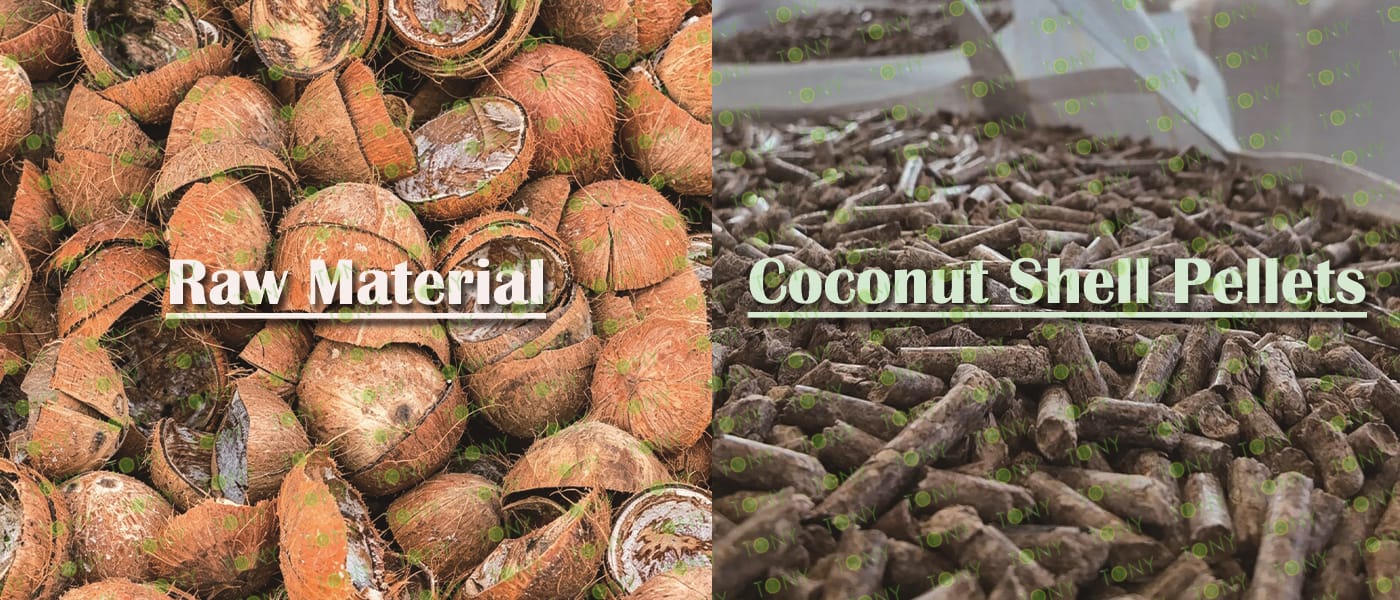
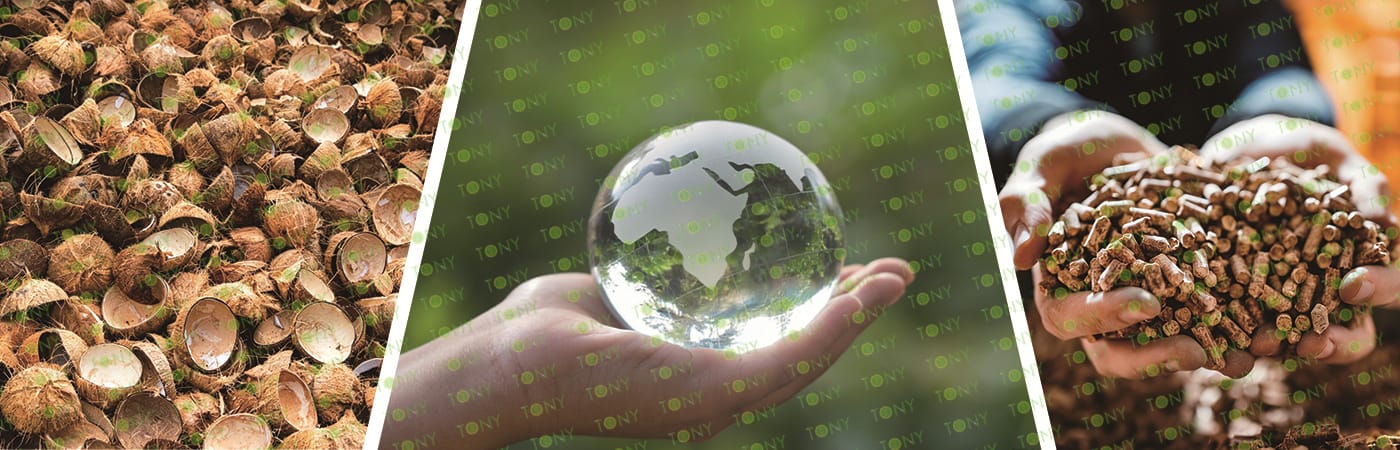
Compared to fossil fuels, coconut shell biomass pellets align with green development requirements in terms of environmental protection.
1.Low carbon emissions:
As a "carbon-neutral" fuel, the carbon dioxide released during combustion can be absorbed by the coconut tree's growth, forming an ecological cycle and reducing net greenhouse gas emissions.
2.Low pollutant emissions:
During combustion, the sulfur content is below 0.05%, and the nitrogen content is approximately 0.3%-0.5%, with virtually no sulfide or nitrogen oxide emissions. No additional desulfurization and denitrification equipment is required, reducing environmental protection investment.
3.Waste resource utilization:
Wet coconut shells that would otherwise be discarded and rotten are converted into clean energy, reducing the environmental pollution caused by agricultural waste (such as methane produced from decay).

2025 Tony Machinery - All Rights Reserved. Map