





















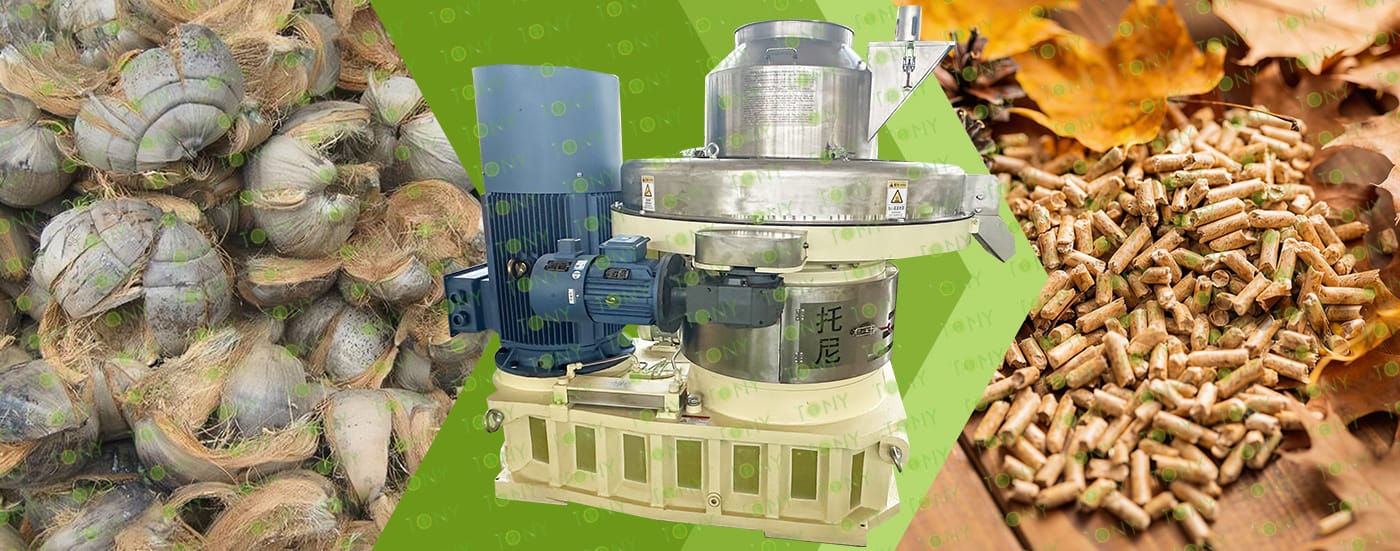
1.The working principle of wet coconut shell biomass pellet processing equipment
The core working principle of wet coconut shell processing equipment lies in "humidity matching": precise control of moisture content through the pre-drying stage avoids "overly wet and loose" or "overly dry and difficult to press" during molding; high pressure and high heat enhance fiber adhesion and reduce extrusion resistance; and the cooling stage stabilizes the moisture content of the pellets, ensuring storage performance. Through the coordinated operation of each stage, the entire system transforms previously unusable wet coconut shells into efficient and environmentally friendly biomass pellets, achieving the resource utilization of agricultural waste.
2.Characteristics of wet coconut shell biomass pellet processing equipment
(1)Highly Wear-Resistant Core Components:Wet coconut shells have a high silicon content, causing severe wear on equipment. Therefore, the pressure rollers and dies of pellet mills are typically made of high-hardness materials (such as 65Mn alloy steel or tungsten carbide coating), with a die life of 800-1200 hours (compared to approximately 500-800 hours for ordinary biomass dies). The pressure roller surface is treated with anti-slip textures to prevent the wet coconut shells from slipping and hindering effective extrusion.
(2)Large-Diameter Die and Wide Gap Between Pressure Rollers:Wet coconut shells are hollow and have long fibers; if the die aperture is too small, it is prone to clogging. Equipment is typically equipped with dies with a 6-12mm aperture (larger than the 5-8mm aperture commonly used in wood pellet mills). Simultaneously, the gap between the pressure roller and the die is adjustable (usually 0.1-0.3mm), ensuring both compact extrusion and preventing material jamming caused by fiber entanglement.
3.Application scenarios of wet coconut shell biomass pellet processing equipment
(1)Biomass Fuel Production
Residential Heating and Cooking: A substitute for coal and liquefied petroleum gas (LPG) in home fireplaces and stoves, especially prevalent in rural Southeast Asia.
Commercial Heating: Providing heating or hot water for hotels and factories, reducing reliance on fossil fuels.
(2)Industrial and Power Generation
Biomass Power Plants: Used as fuel for power generation, such as biomass power plants in Southeast Asian countries that mix coconut shell pellets with wood chips for combustion.
Industrial Boiler Fuel: A substitute for coal in steam boilers used in food processing, textiles, and other industries.
(3)Environmental Protection and Resource Recycling
Agricultural Waste Treatment: Converting coconut shells into high-value-added fuels, reducing pollution from incineration.
Carbonization Raw Material Processing: Producing coconut shell activated carbon for water treatment and air purification.

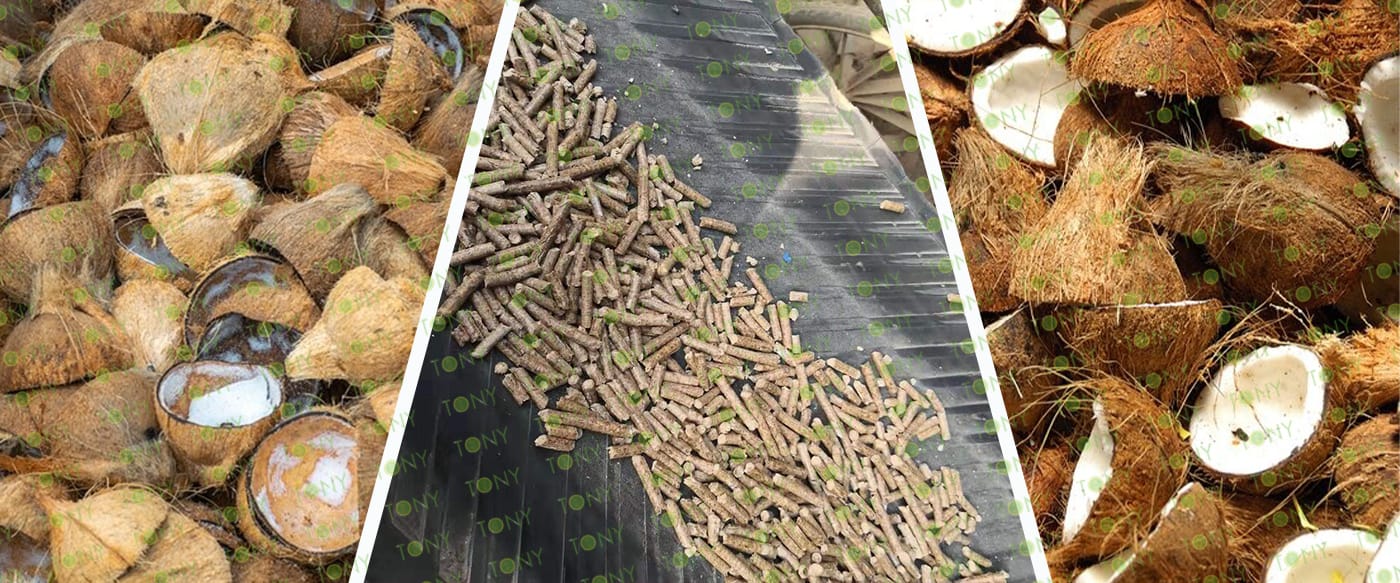
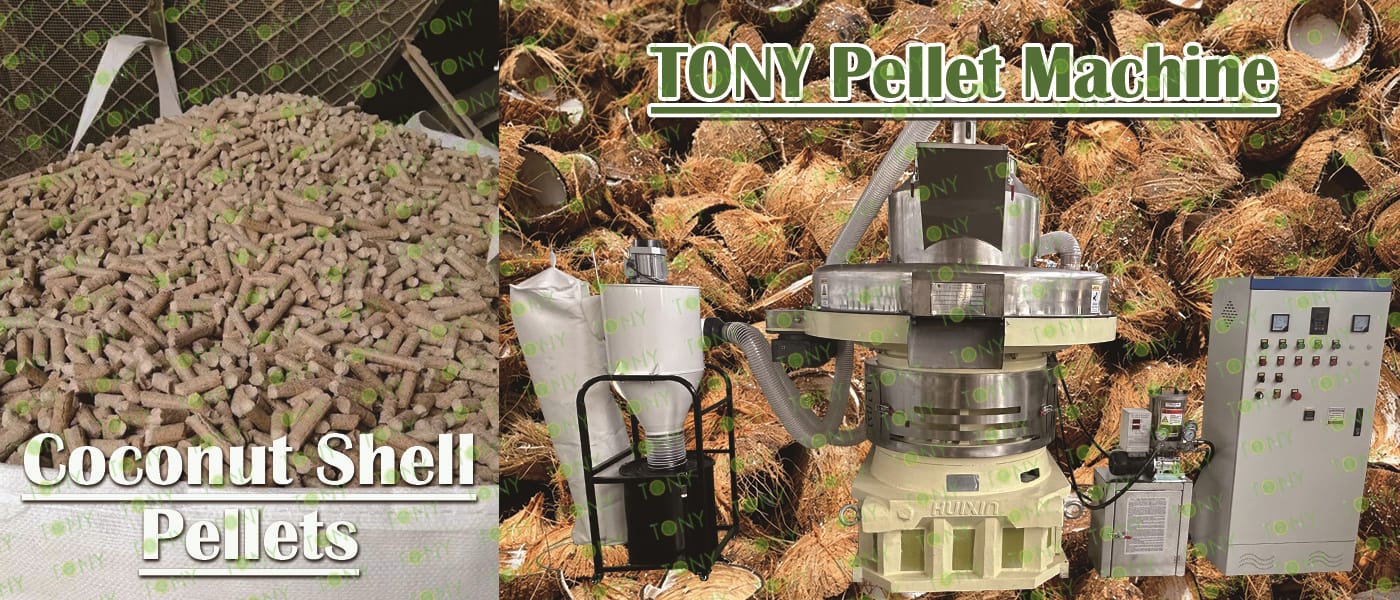
TONY Brand 24-30Ton/Hour Wet Coconut Shell Pellet Manufacturing Plant can take wet coconut shell into biomass pellets.Coconut shells have a high carbon content and high calorific value. When processed into pellets, they burn more completely, resulting in fewer pollutants. The raw material is widely available, representing waste recycling at a low cost. Processing coconut shells into biomass pellets is highly feasible and offers advantages in terms of environmental protection and resource reuse.
1. Capacity: 24-30Ton/Hour
2. Raw materials: Wet Coconut Shell
3. Moisture: Wet type, about 40-55%.
4. Application: All kinds of biomass materials suitable for pellet production.
Suitable customers: Those working in coconut-producing areas, such as coconut growers and coconut processing companies (e.g., coconut juice factories and coconut meat processing plants); biomass energy entrepreneurs; investors in agriculture/environmental protection; and individuals who can reliably obtain sufficient coconut shell raw materials.
5. Finished Pellets Markets: Large power plants ,domestic heating, industrial heating, combustion heat, heating systems, boiler rooms, school canteens, foundry heat sources.

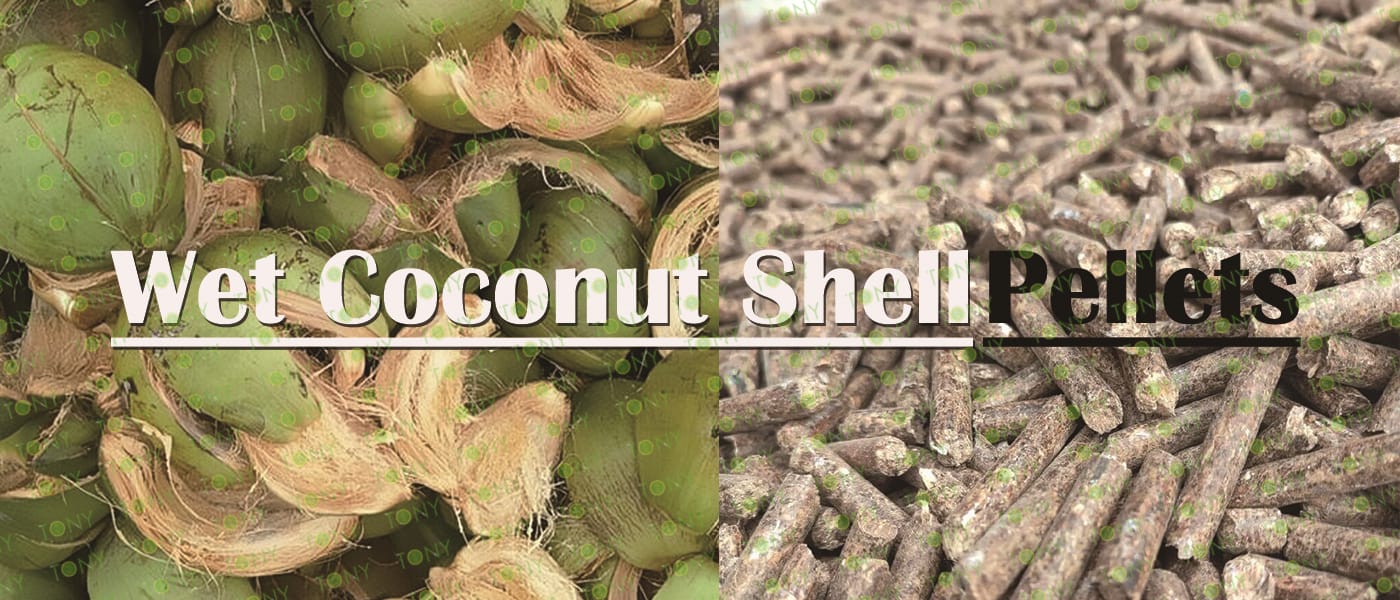
1. Project Name: Wet Coconut Shell Pellet Production Line
2. Raw Material: All kinds of Wet Coconut Shell
3. Moisture Content of Raw Material: 40-55%
4. Capacity: 24-30TPH
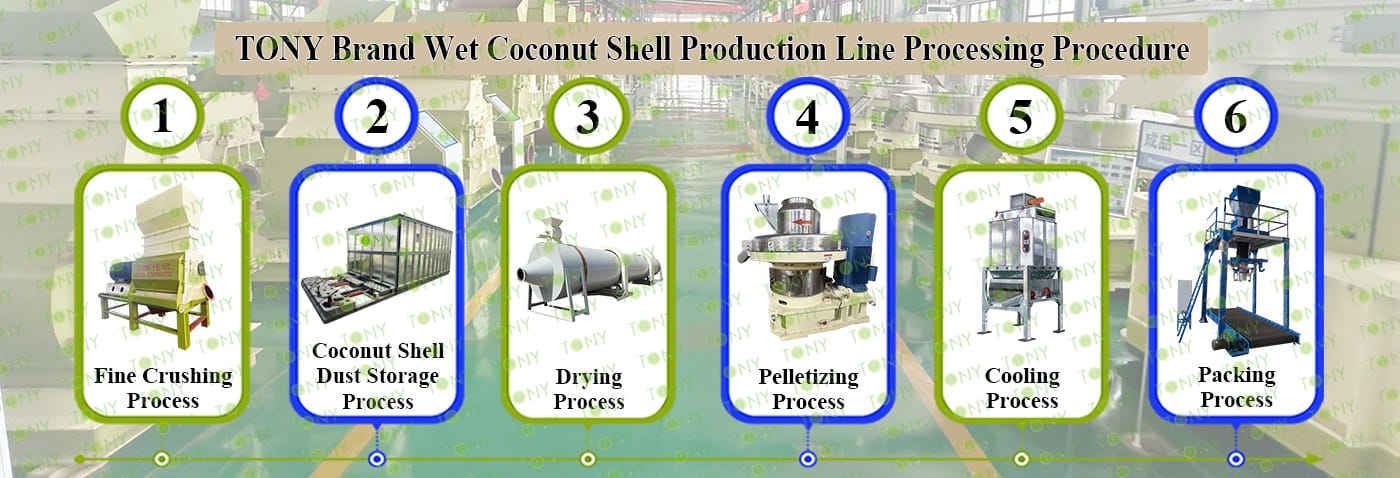
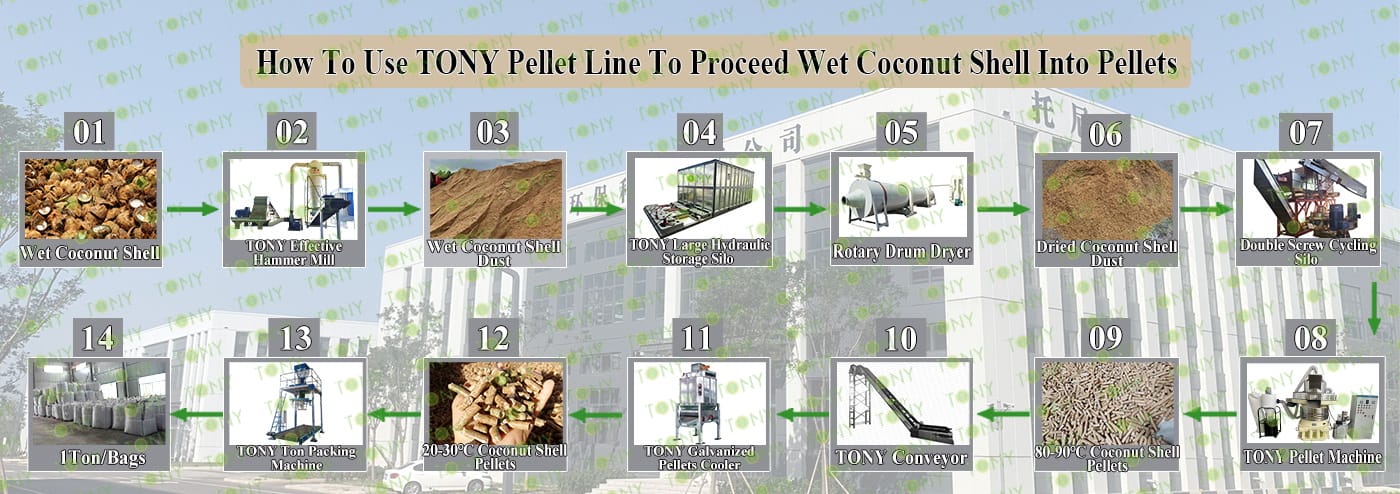
5. Process: Fine Crushing Process - Coconut Shell Dust Storage Process - Drying Process - Pelletizing Process - Cooling Process - Packing Process
6. Main Equipment:Effective Hammer Mill-TFD85-220-220KW, TONY Large Hydraulic Storage Silo,Rotary Drum Dryer-2-24m, TONY Pellet Machine- TYJ860-Ⅲ-280KW, Galvanized Pellets Cooler, Ton Packing Machine and Belt Conveyors

|
How To Use TONY Pellet Line To Proceed From Wet Coconut Shell Into Pellets? It mainly contains the following steps and machines as following: 1.Use TONY effective hammer mill to crush the coconut shell into 8-14 mm coconut shell dust. 2.Use TONY large hydraulic storage silo to storage 8-14 mm coconut shell dust. 3.Use TONY rotary drum dryer to dry the 40-55% wet coconut shell dust into 10-15% dried coconut shell dust 4.Use TONY vertical ring die pellet machine to products pellets with φ6-8mm. 5.Use TONY galvanized pellets cooler to cool pellets from 80-90℃ to 20-30℃. 6.Use TONY ton packing machine to pack the pellets into 1ton/bags. For more detailed information and quotations, you can contact TONY. TONY can provide all the above - mentioned products at highly competitive prices and with excellent quality. |
|
||||||||||||||||||||||||||||||||||||||||||||||||||
| Next, TONY Will Introduce To You All The Necessary Machinery That Will Be Used For The Whole Pellet Production Line. Some Machines Can Be Custom - Made By Customers According To Different Customers' Detailed Demands. Contact TONY For More Details, Including Quotation And Layout. | ||
 |
 |
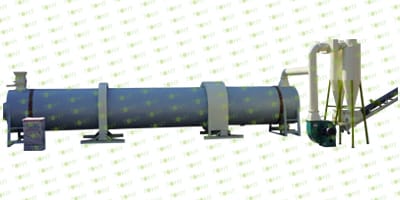 |
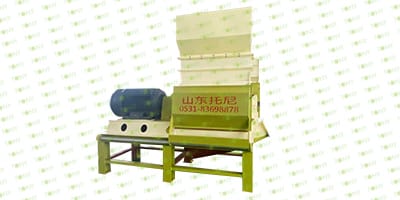
| Effective Hammer Mill | Large Hydraulic Storage Silo | Rotary Drum Dryer |
| 1.To Crush Coconut Shell Into 8-14mm Coconut Shell Dust. 2.Model: TFD85-220-220KW*4Sets 3.Capacity:7-8Ton/Hour/Set |
1.To Storage Coconut Shell Dust Before Dryer Control Coconut Shell Dust Flow Entering The Dryer Model: TCY-40*2Sets 2.TONY Uses Galvanized Material |
1.To Dry The 40-55% Coconut Shell Dust Into 10-15%Coconut Shell Dust. 2.Model: THGD2-24*4Sets 3.Capacity:6-8Ton/Hour/Set |
 |
 |
 |
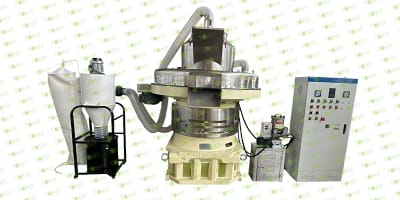
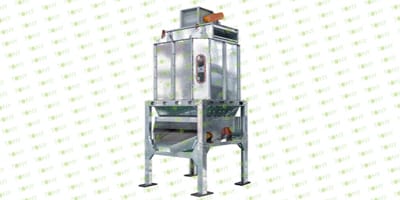
| Vertical Ring Die Pellet Machine | Galvanized Pellets Cooler | Ton Packing Machine |
| 1.To Press Coconut Shell Dust Into 6-8mm Biomass Pellets 2.Model: TYJ860-III-280KW*6Sets 3.Capacity:4-5Ton/Hour/Set 4.New 304SS Type |
1.To Cool Pellets From 80-90℃ Into 20-30℃ 2.Model: TCN-10*2Sets 3.Capacity:24-30Ton/Hour |
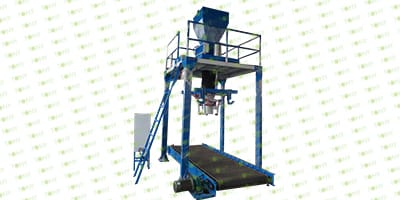
1.To Pack Pellets Into 1Ton/Bags 2.Model: TBD*2Sets 3.Capacity: 24-30Ton/Hour |
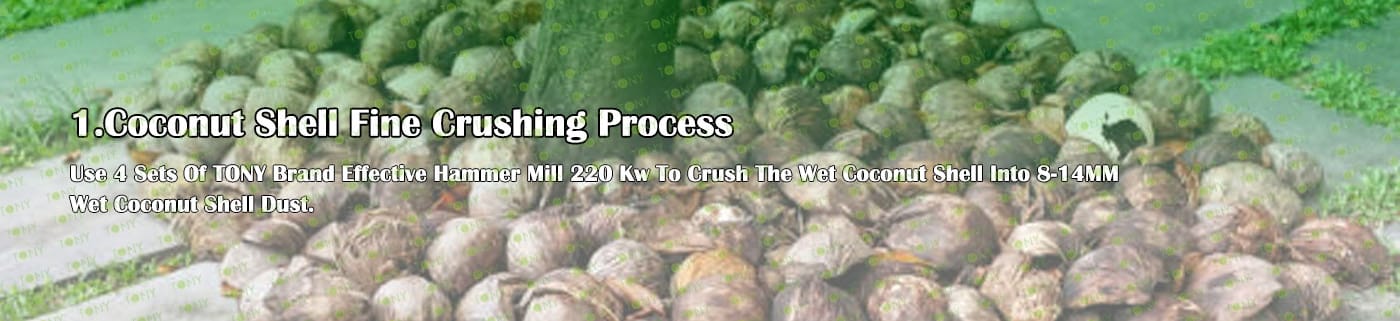
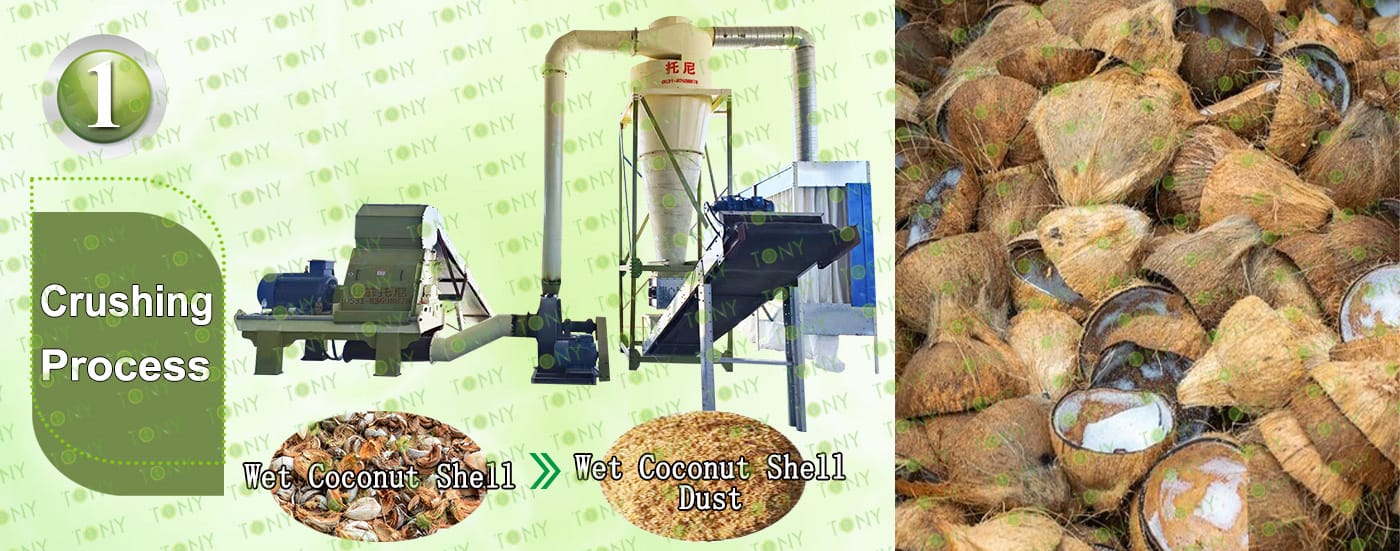
1.Coconut Shell Fine Crushing Process:
A.This process is mainly used to crush coconut shell into 8-14mm coconut shell dust.
B.Capacity:24-30Ton/Hour.
C.TONY brand effective hammer mill TFD85-220-220KW*4sets
Main Parts:
(1)TONY Effective Hammer Mill.
(2)Galvanized Dust Collector.
(3)Sawdust Transportation Fan Blower.
(4)Cyclone With Airlock.
(5)Electrical Cabinets.

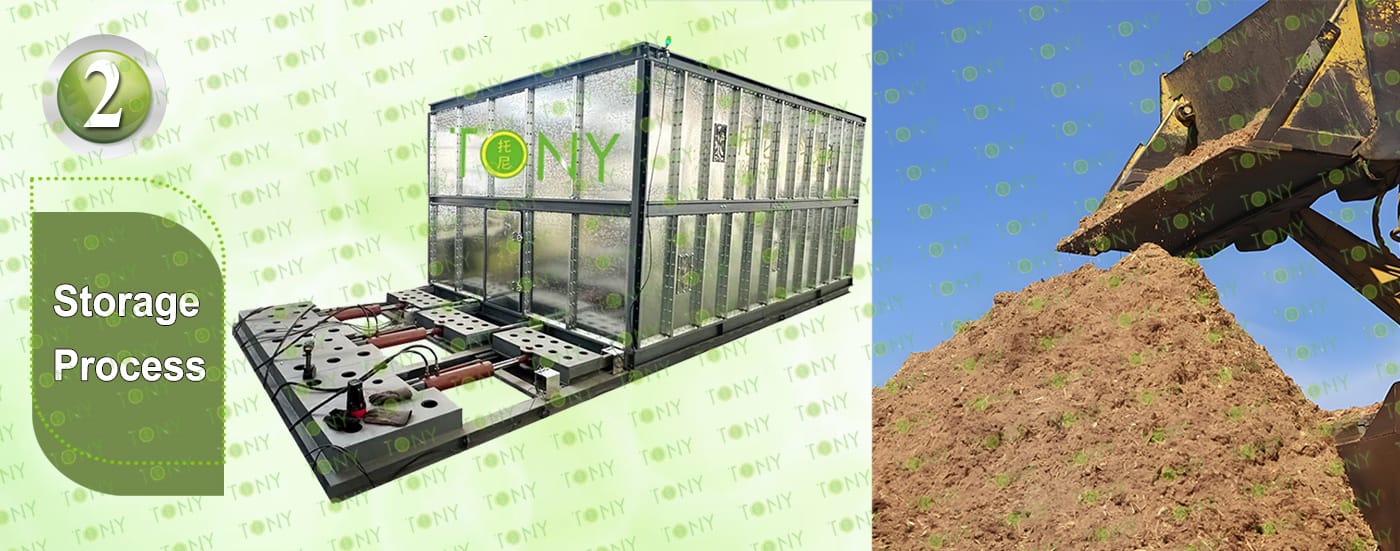
2.Coconut Shell Dust Storage Process:
A.This process is mainly used to storage the coconut shell dust that comes out of the hammer mill.It is hydraulic galvanized storage bin which is more stalbe and coconut shells dust in it is not easy to be blocked.
B.TONY Brand Large Hydraulic Storage Silo to storage the coconut shell dust that comes out of the hammer mill.This process can be optional by customer.If customer do not chose the storage bin,he can storage the coconut shell dust on the ground directly which may need some labour.
Main Parts:
(1)TONY's New Large Hydraulic Storage Silo.
(2)With Screws Inside The Storage Bin To Prevent Coconut Shell Dust Blocked.

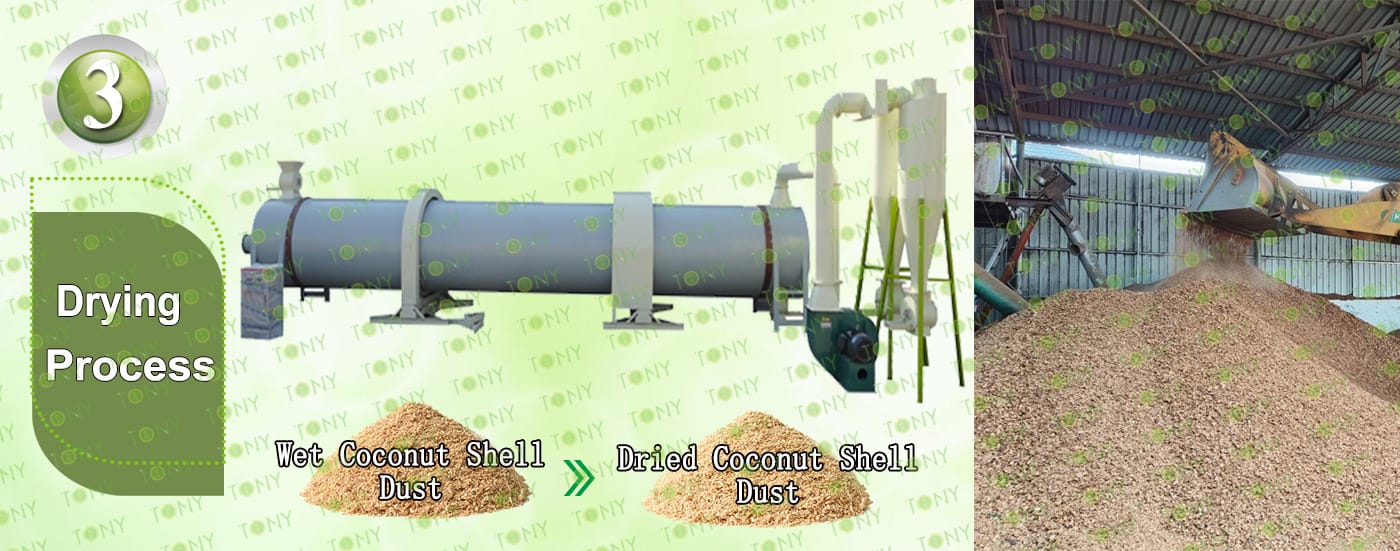
3.Coconut Shell Dust Drying Process:
A.This process is mainly used to dry the coconut shell dust from 40-55% to 10-15%.
B.Capacity:24-30Ton/Hour.
C.TONY use 4 sets of 2*24m rotary drum dryer for this process, TONY hot blast stove is made of firebrick pan, shell with H steel plate as the frame. There are 3 layers of fire blocking device inside, which can effectively prevent the fire from entering the tumble dryer.Customers can choose to use waste wood, biomass pellets, natural gas, etc. as fuel for the hot air furnace
TONY dryer use spiral tube material, and is not easy to deform.
Unlike other manufacturers with iron plate splicing welding, very easy to deformation.
Main Parts:
(1)TONY's Rotary Drum Dryer Main Body. (Reducers With Motors and Pips.)
(2)TONY's Hot Stove.
(3)Fan Blower+Cyclone With Airlock.
4.Pelletizing Process:
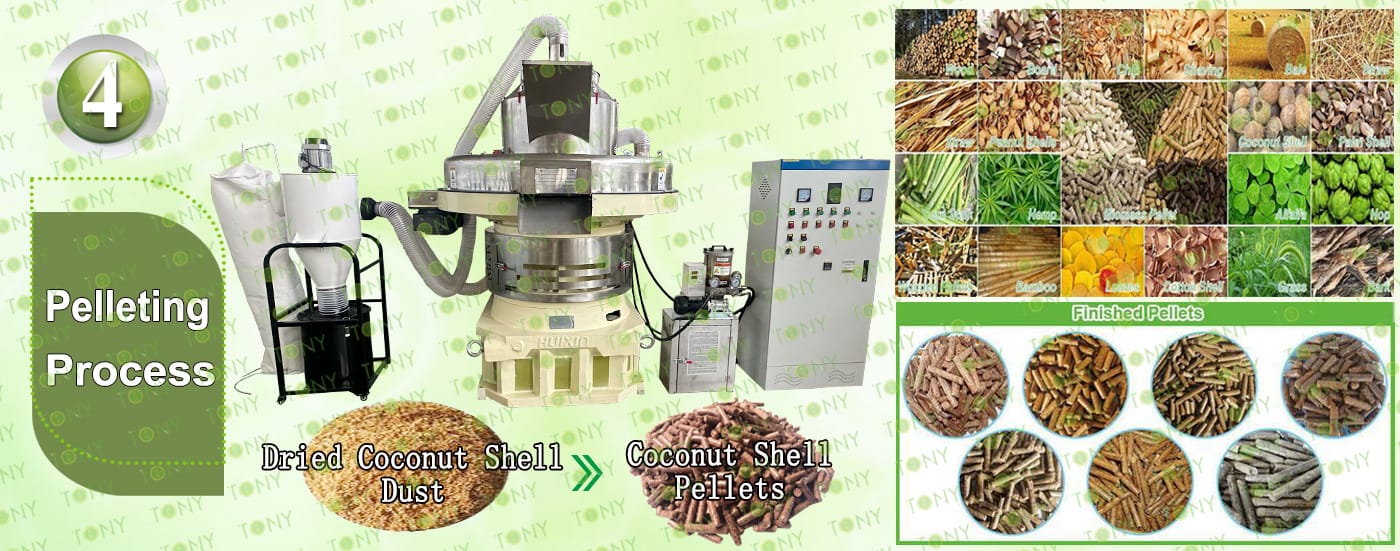
A.This process is mainly used to to product pellets into φ6-8mm.
B.Capacity:24-30Ton/Hour.
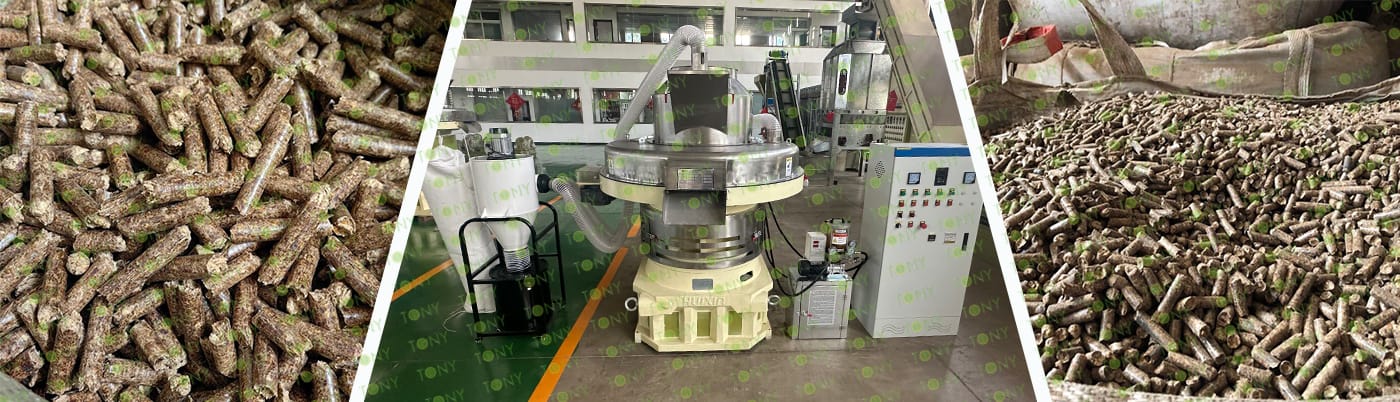
C.TONY brand vertical ring die pellet machine TYJ860-Ⅲ-280KW*6sets
D.Double Screw Cycling Silo is added above the pellet machine, which has the advantages of saving space, saving labor, intelligently controlling the feeding speed, not easy to block the material, and improving production efficiency.
Main Parts:
(1)TONY's New Vertical Ring Die Pellet Machine.
(2)Cyclone And Bags Dust Collectors.
(3)Automatic Lubrication System.
(4)Electrical Cabinets.
You can chose TONY new type SS304 pellet machine

5.Cooling Process:
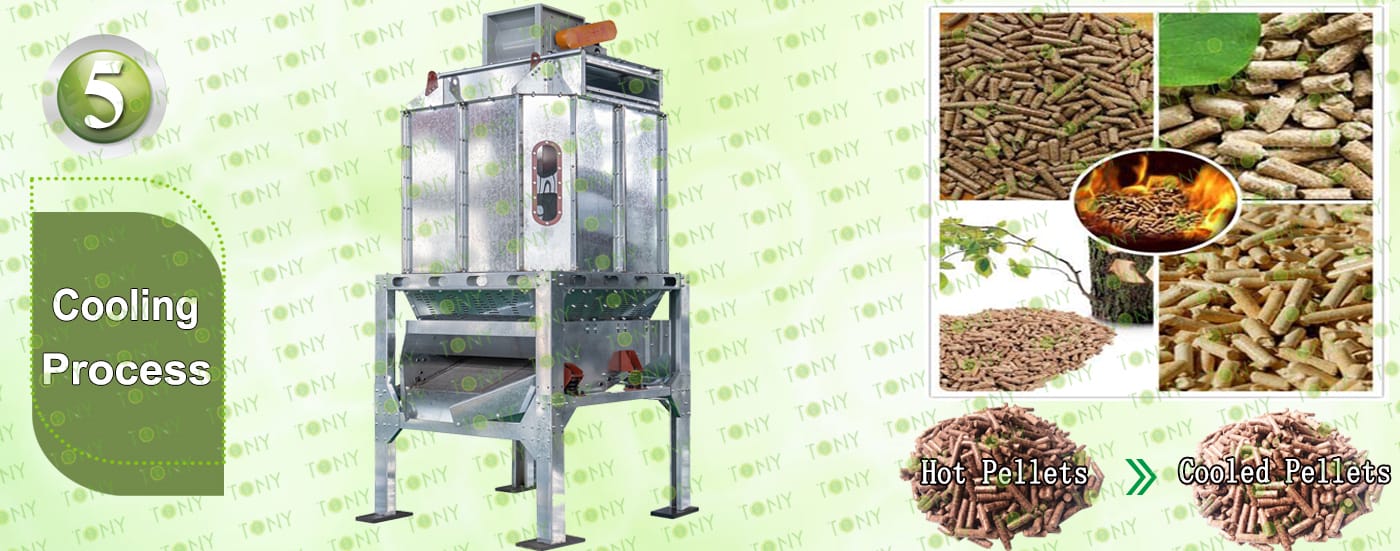
A.This process is mainly used to cool pellets from 80-90℃ to 20-30℃
B.Capacity:24-30Ton/Hour.
C.TONY brand galvanized cooler separator*2sets
Main Parts:
(1)TONY's Galvanized Cooler Separator With Vibrating Screen.
(2)Cyclone And Bags Dust Collectors.
(3)Fan Blower.
(4)Connect Pipes.

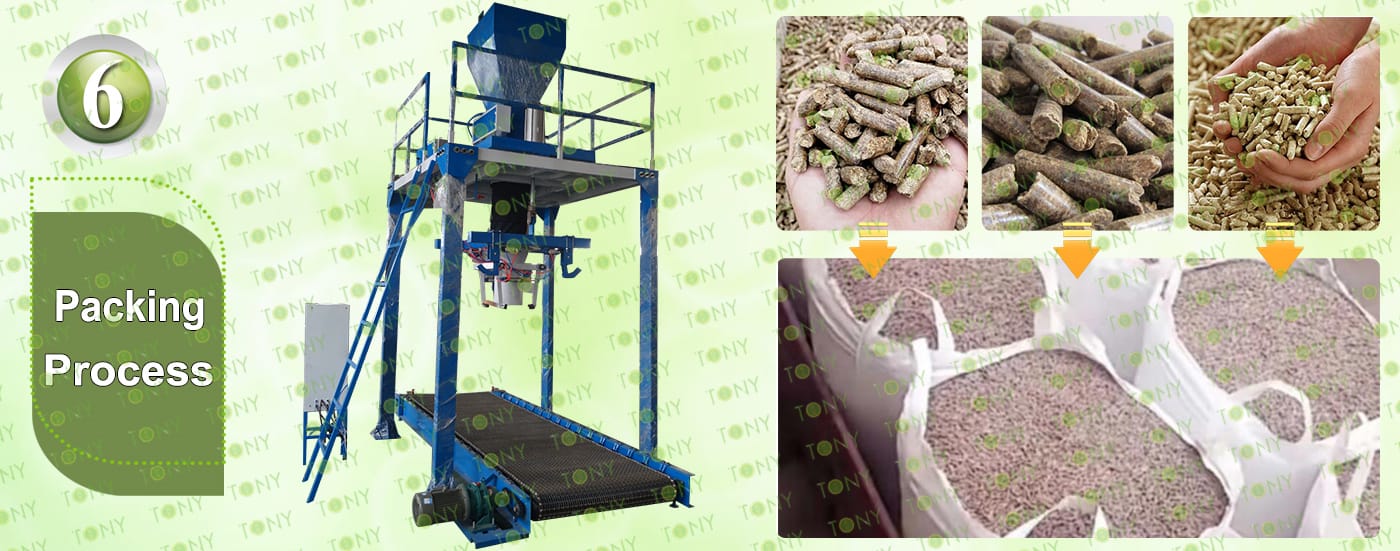
6.Packing Process:
A.This process is mainly used to pack pellets into 1ton/bags.
B.Capacity:24-30Ton/Hour.
C.TONY brand ton packing machine*2 sets
Main Parts:
(1)TONY Ton Packing Machine
(2)Electronic Platform Scale Metering System
(3)Automatic Tare, Zero, and Drop Correction Functions
(4)Feeding System Features Fast, Medium, and Slow Feeding Speeds to Ensure Measuring Accuracy


Profit Logic and Market Direction of Coconut Shell Biomass Pellet Processing Projects
The core profit driver is "low-cost raw materials + stable sales channels," with revenue primarily derived from three areas:
1.Fuel Sales (Core Revenue):
Residential Market:Sales to households, guesthouses, and small heating companies; suitable for small-batch retail.
Industrial Market:Supply to food processing, wood drying, and small biomass power plants; stable and large-volume orders.
Export Market:Southeast Asia and some European countries have high demand for biomass fuel, but it must meet the environmental standards of importing countries.
2.Policy Subsidies (Supplementary Revenue):
Some regions offer subsidies for biomass energy projects, such as equipment purchase subsidies (approximately 10%-30%), production subsidies, or carbon emission trading revenue, which can reduce initial investment pressure.
3.By-product Utilization (Additional Revenue):
Pellets and dust generated during processing can be compressed into small fuel pellets for sale at low prices, or used as roughage additives in cooperation with livestock farmers, further improving raw material utilization.

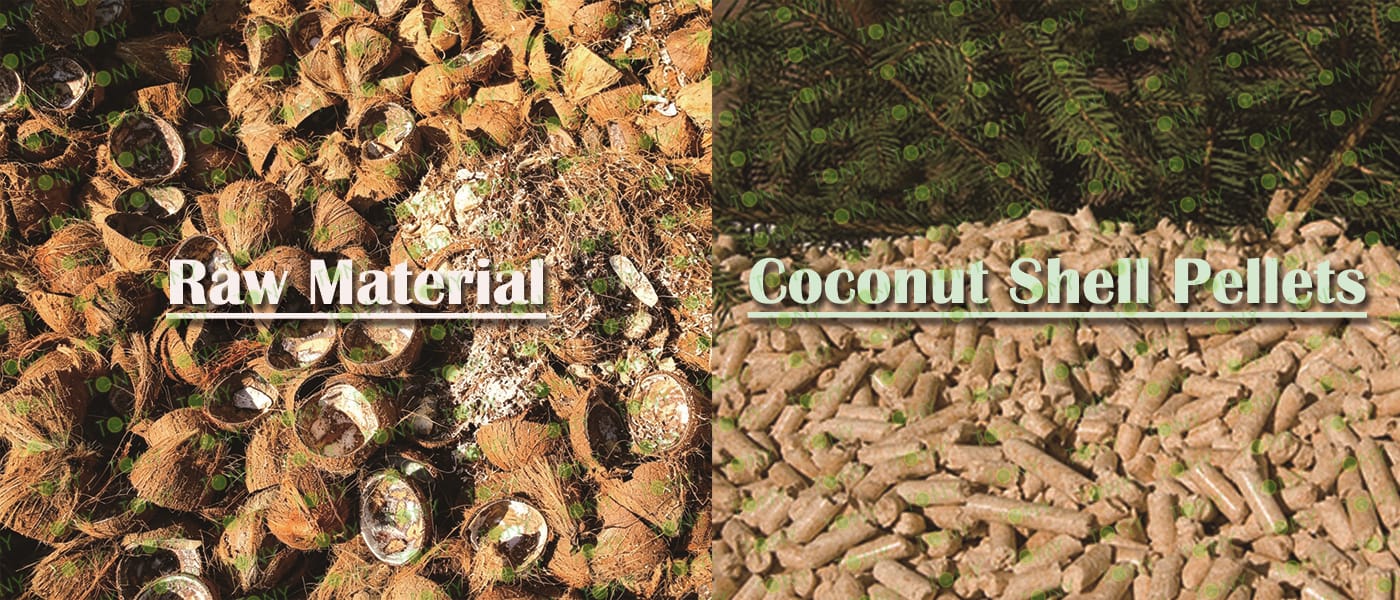 1.Regular Shape and High Density:
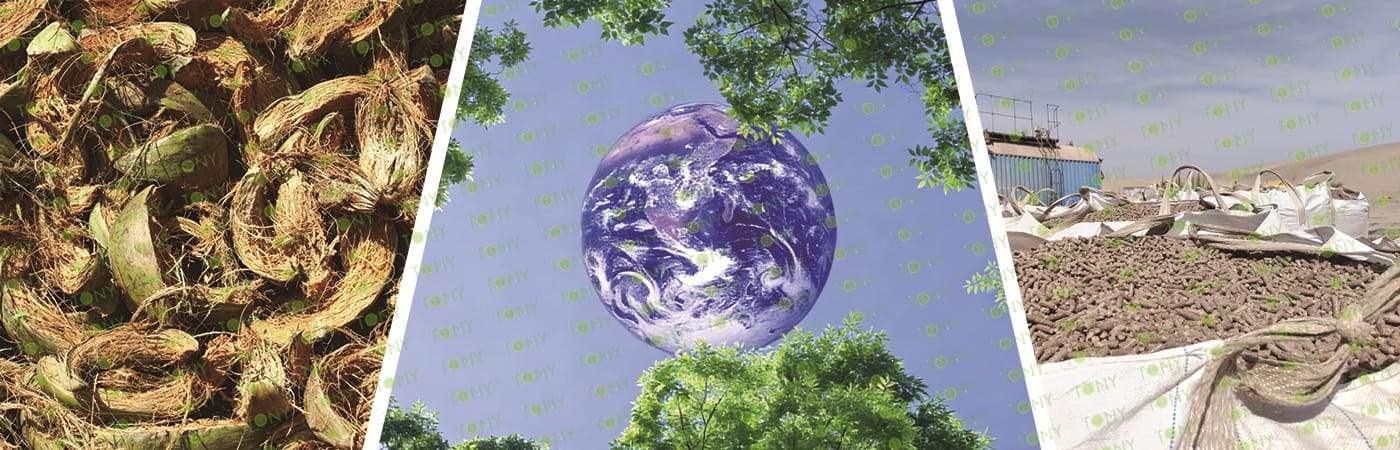
The pellets are cylindrical (6-10 mm in diameter, 20-30 mm in length), with a compact structure and a density of 1.1-1.3 tons/cubic meter, significantly reducing storage space (more than 3 times the storage capacity of bulk wood for the same volume).
2.Low Moisture Content and Resistance to Rot:
The moisture content is low (typically ≤15%, controlled at 8%-12% during processing). After pelleting, it has extremely low hygroscopicity and can be stored for 6-12 months in a well-ventilated and dry environment without rotting, avoiding the mold and rot problems common in wet wood.
3.Good Flowability and Facilitates Automated Processing:
The pellets have a smooth surface and are blocky, allowing for automated conveying via pipes, conveyor belts, and other equipment. They are compatible with automated feeding systems for boilers and fireplaces, reducing manual operation.

2025 Tony Machinery - All Rights Reserved. Map