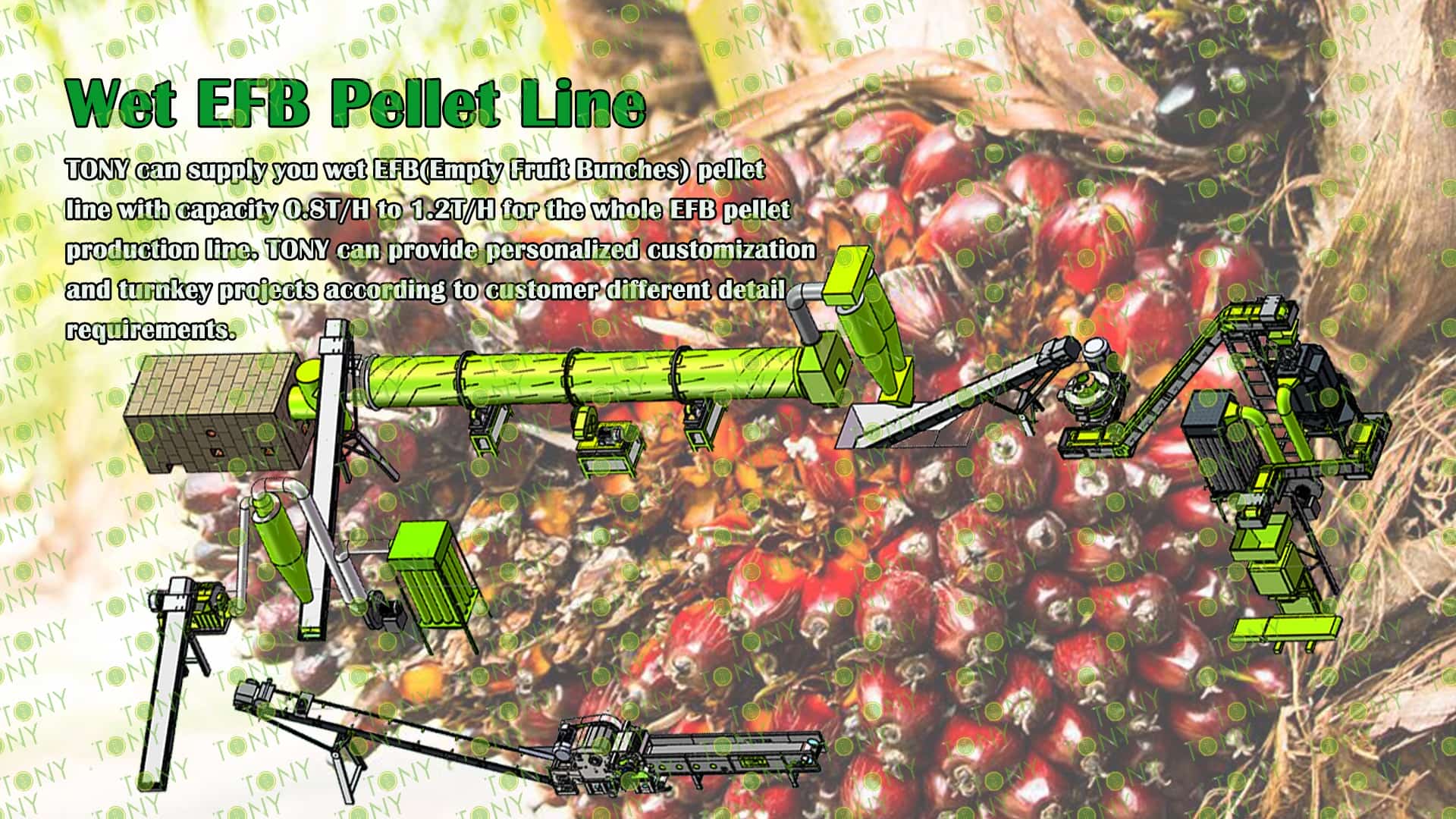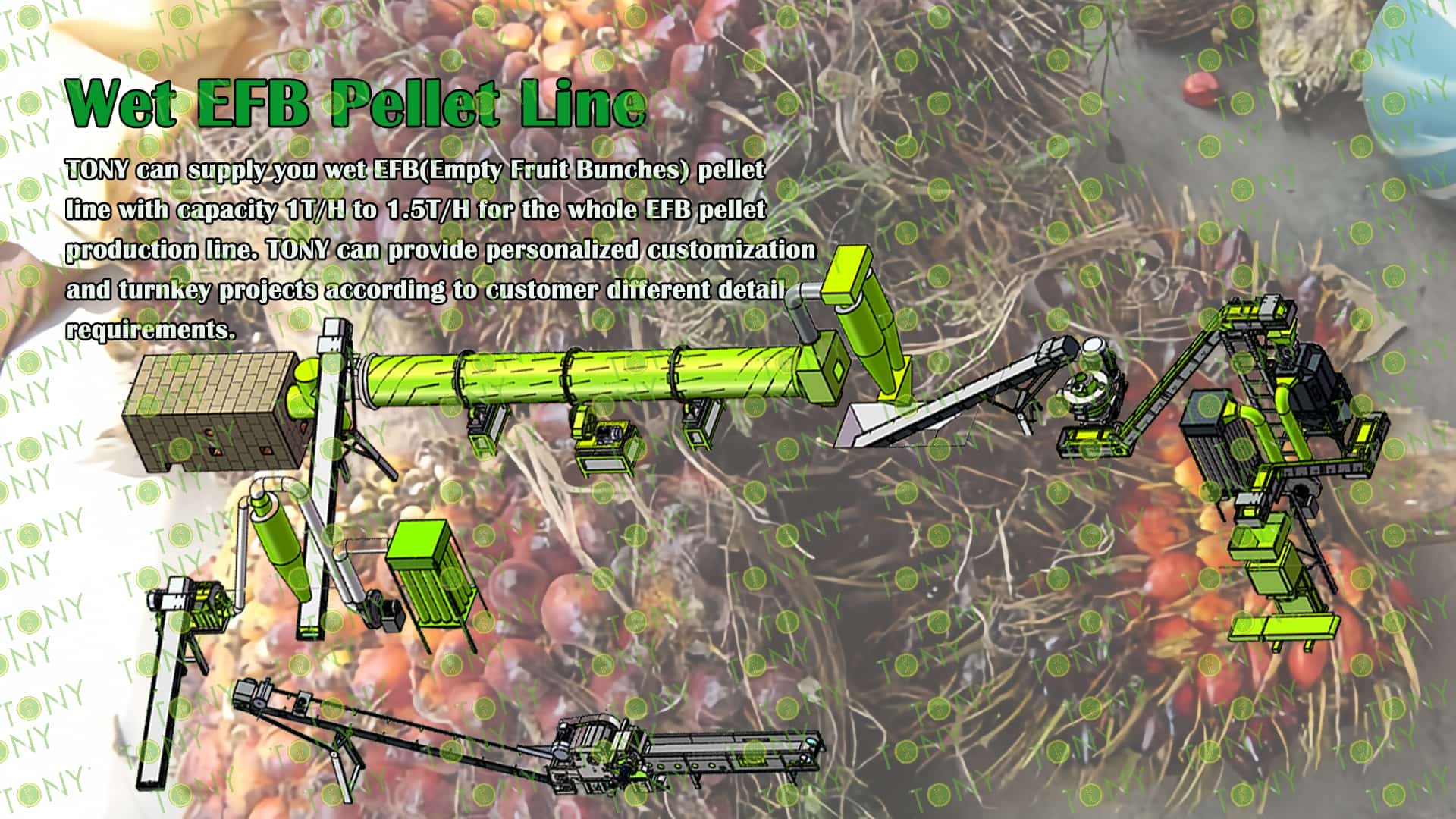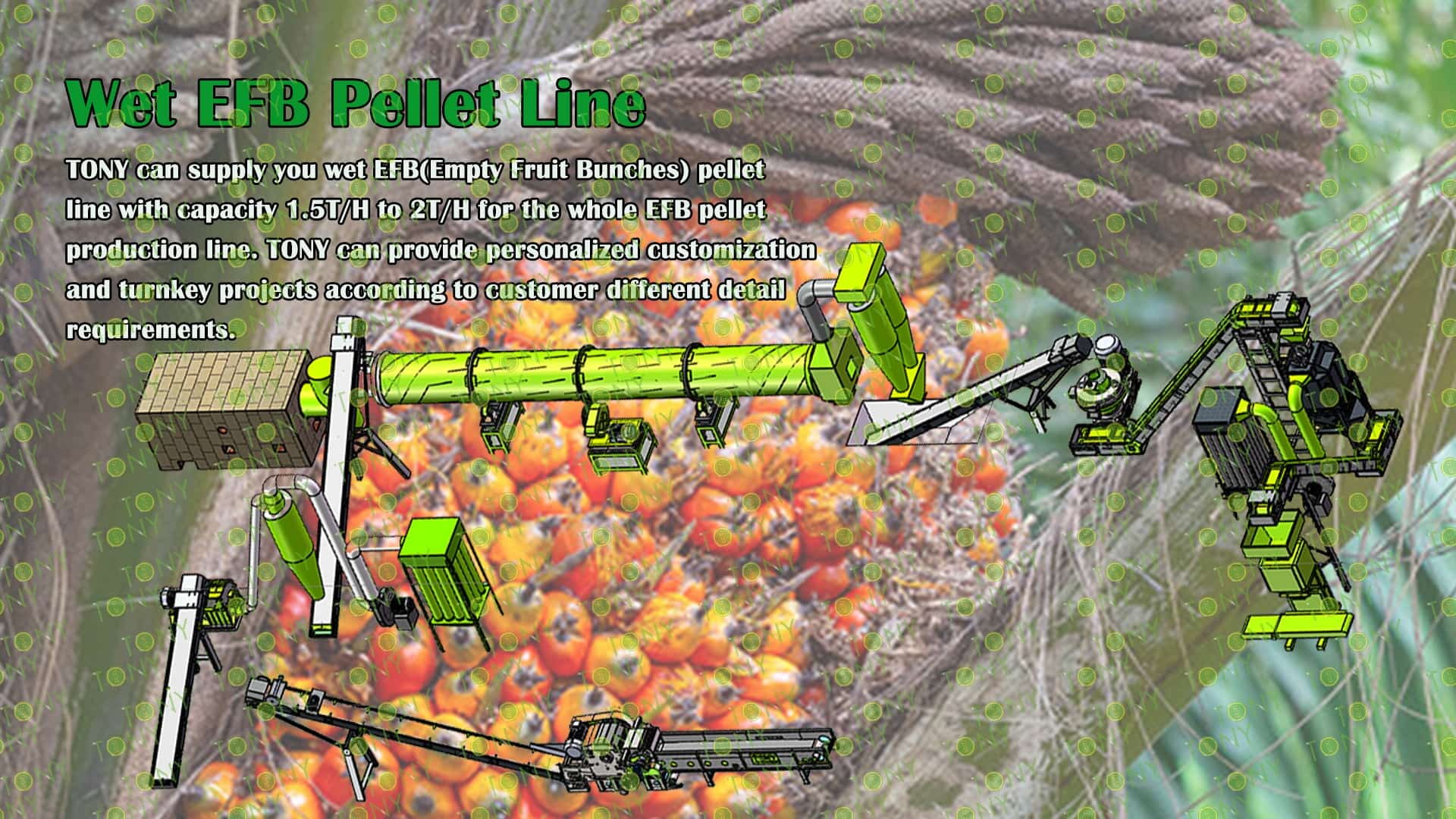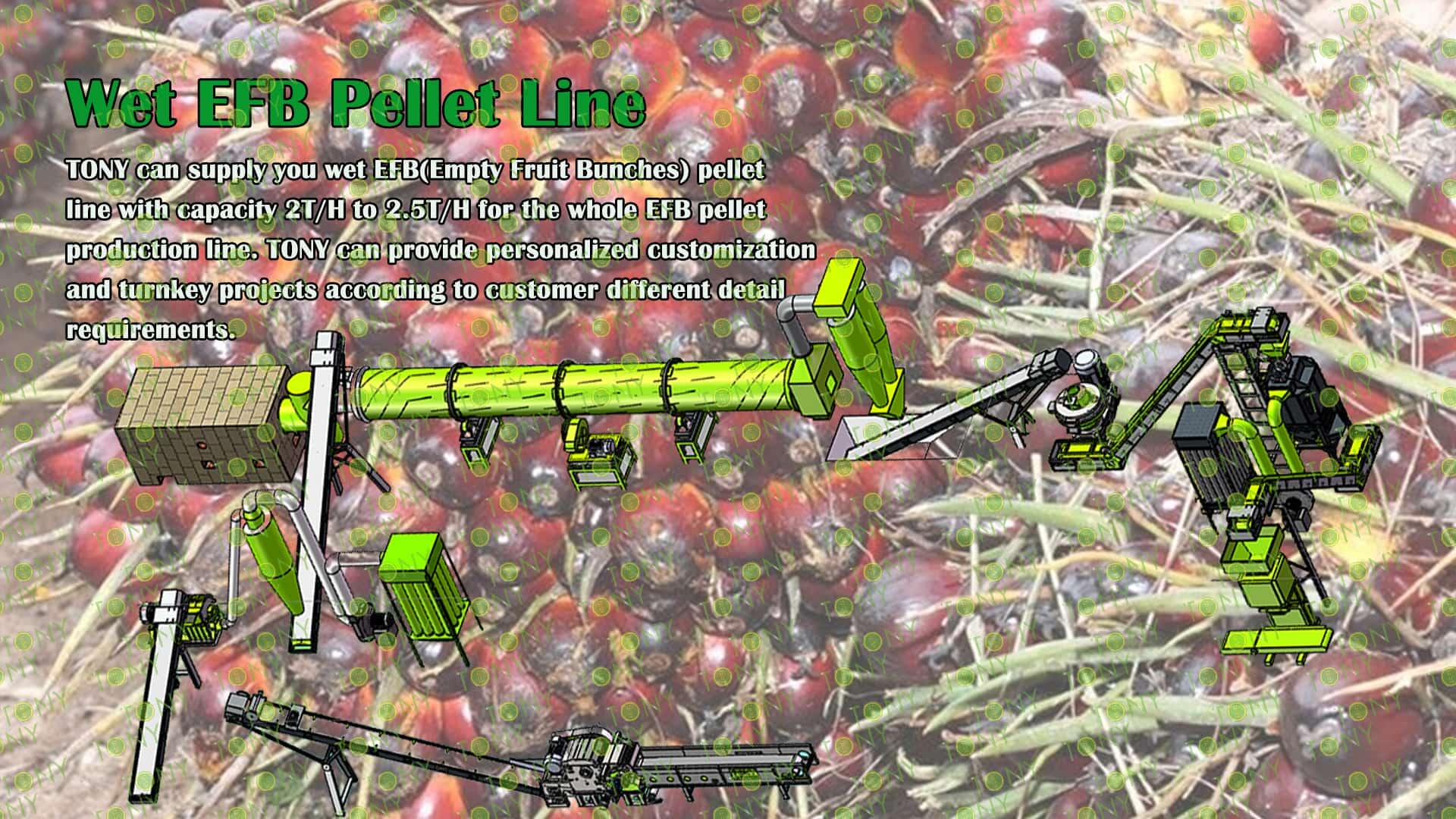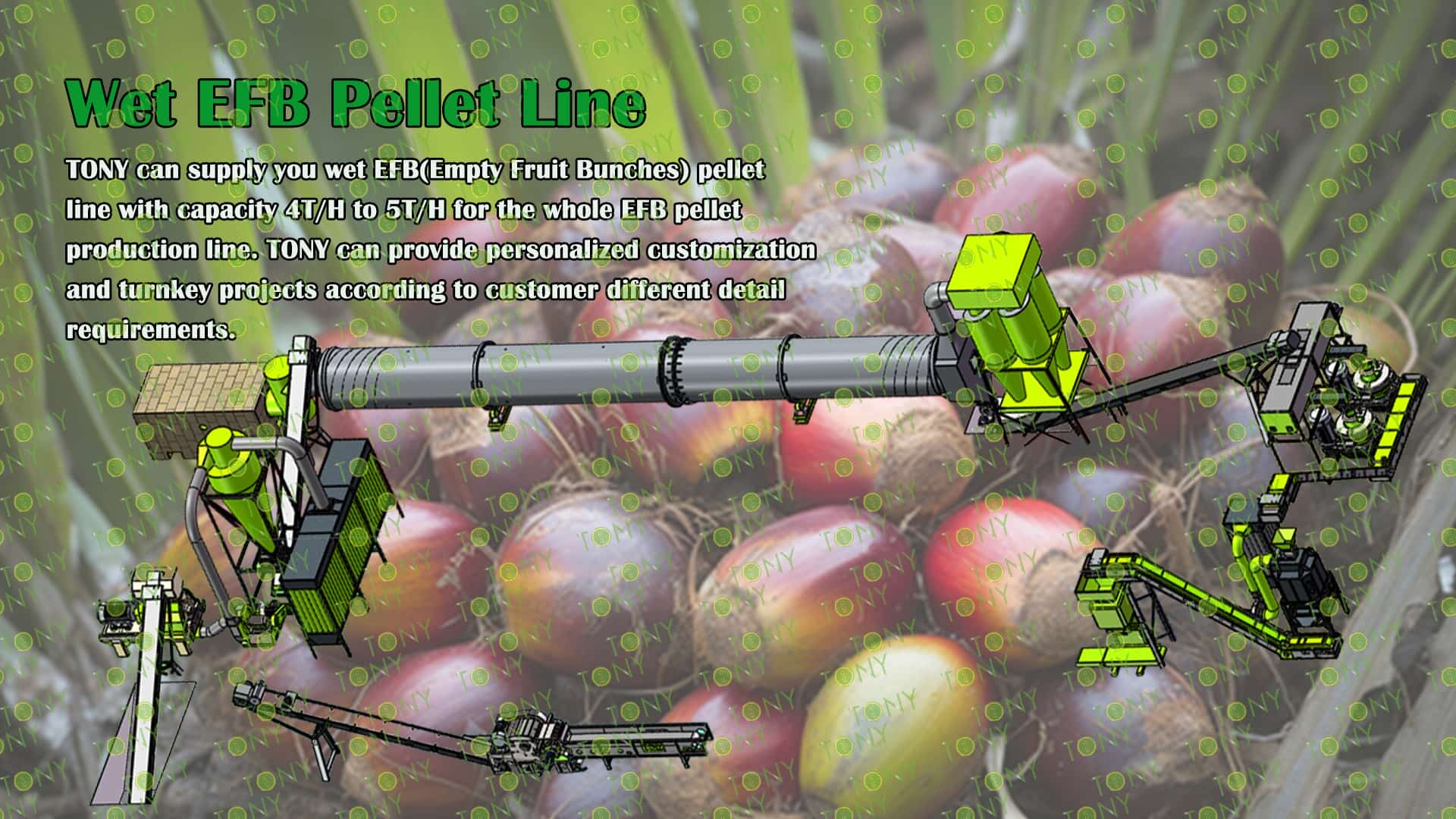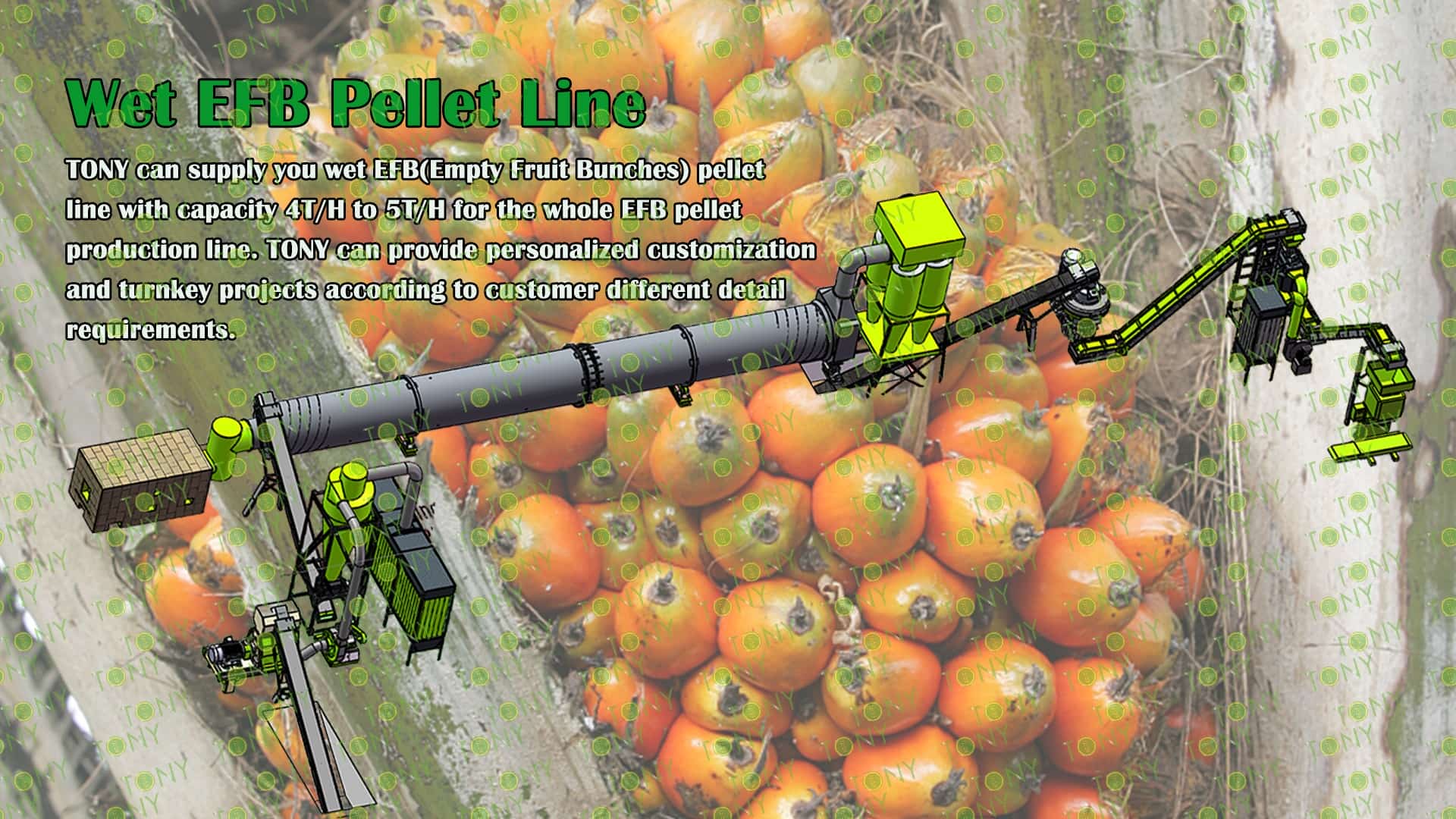




















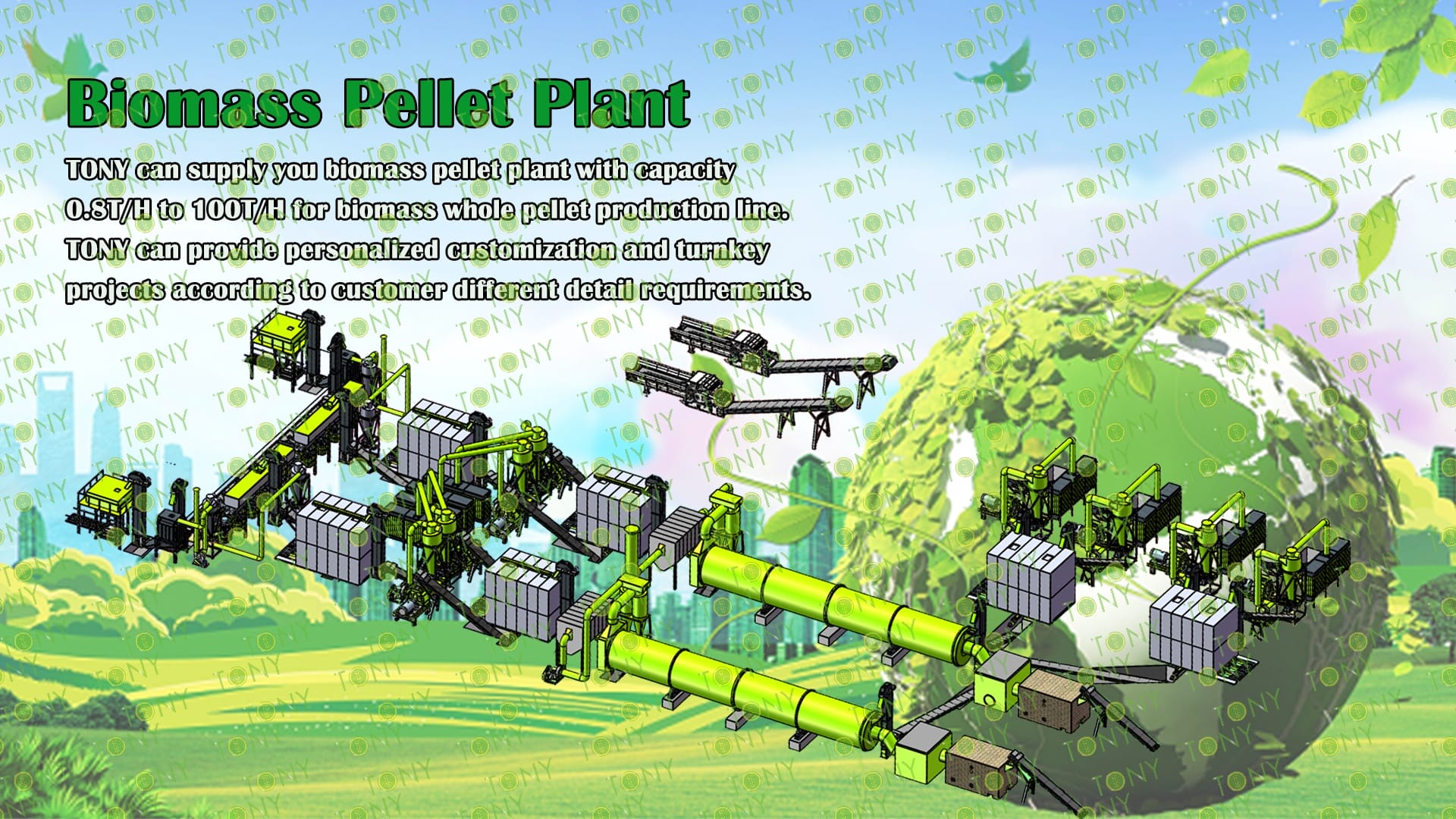
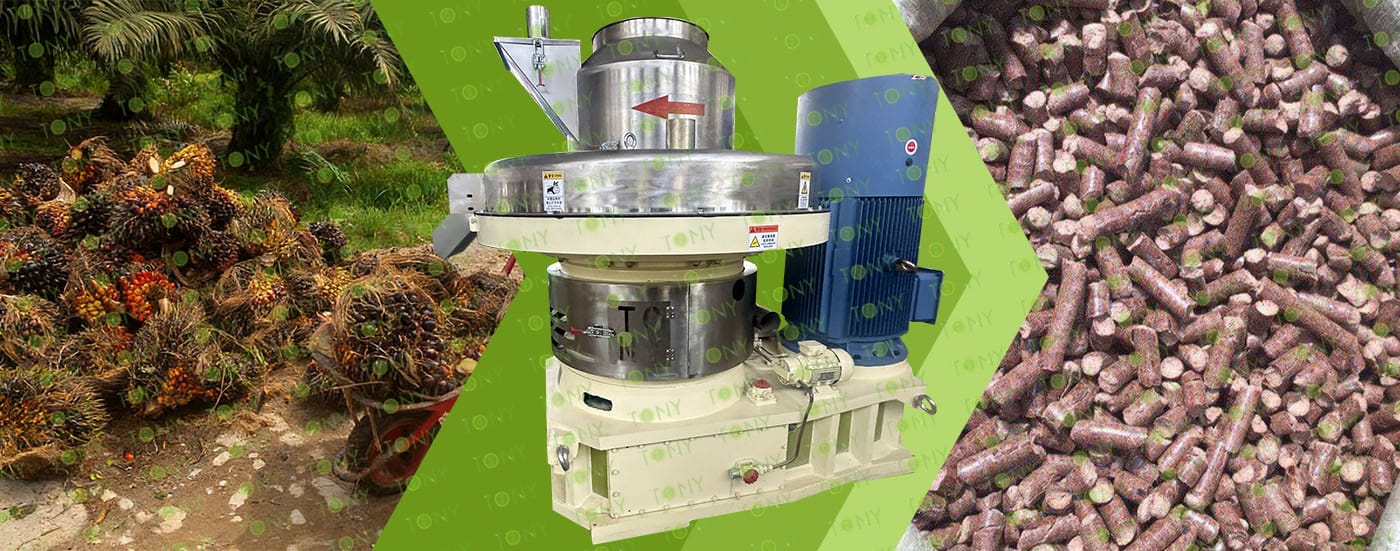
1.The working principle of wet EFB biomass pellet processing equipment
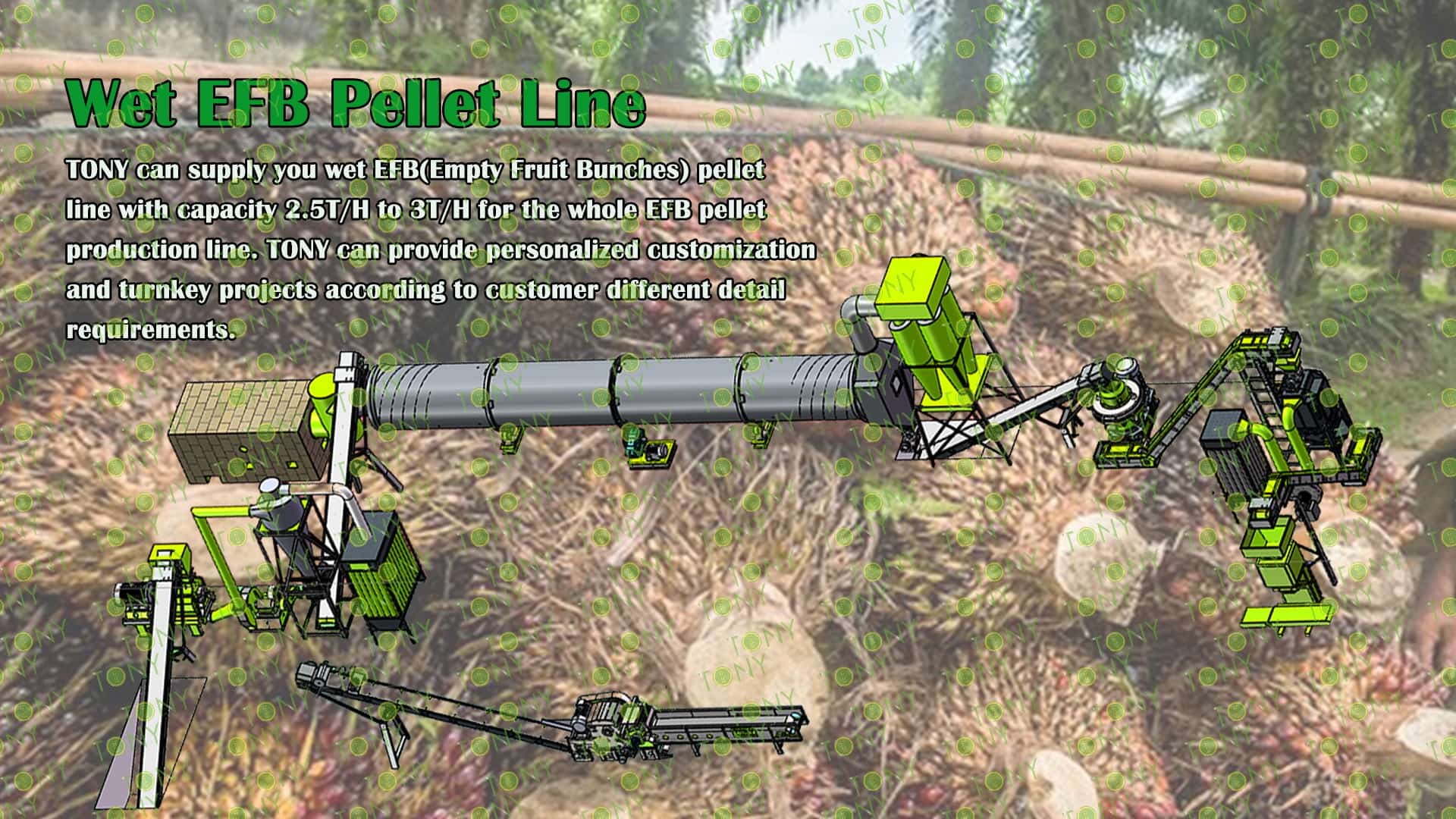
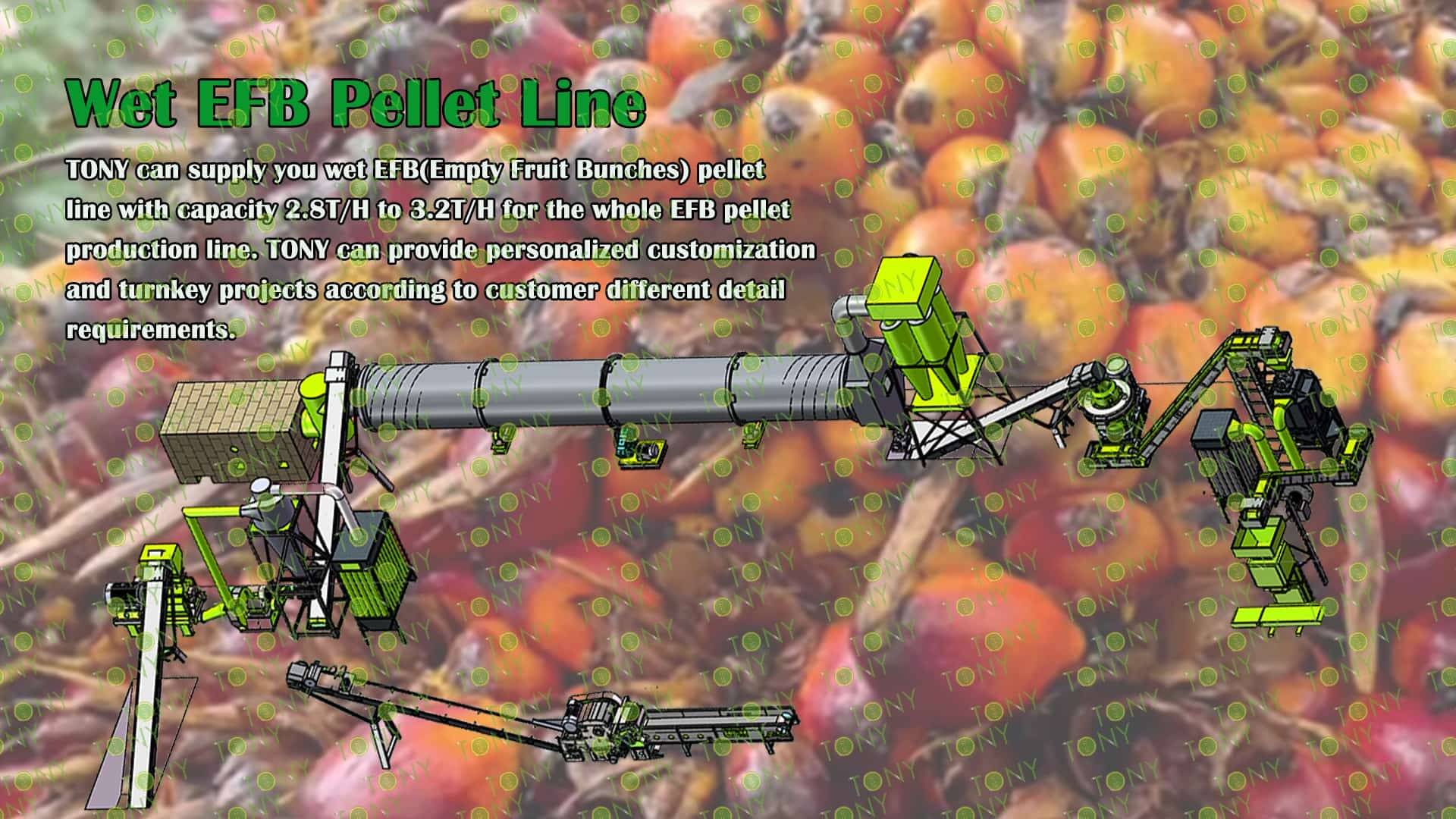
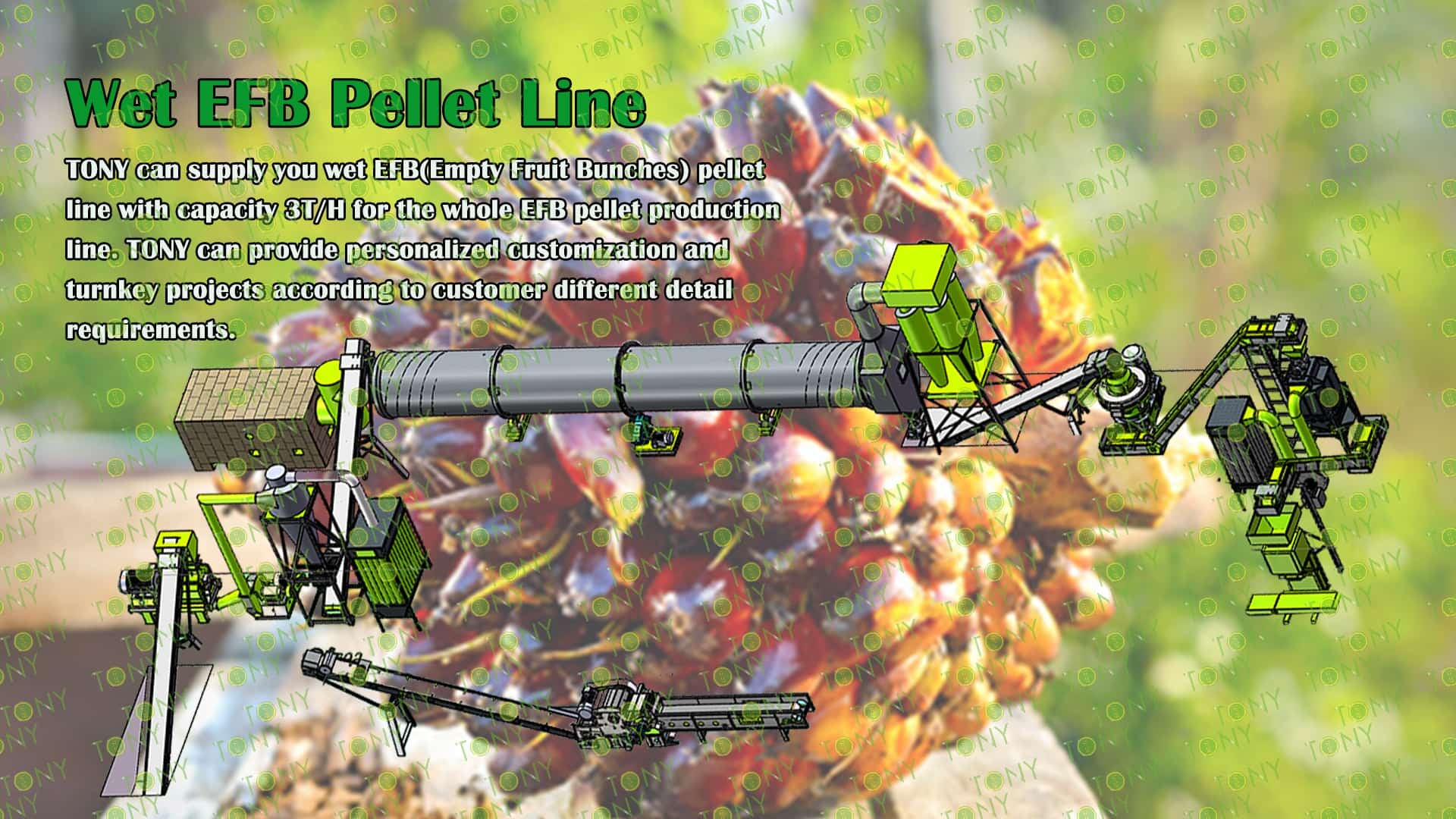
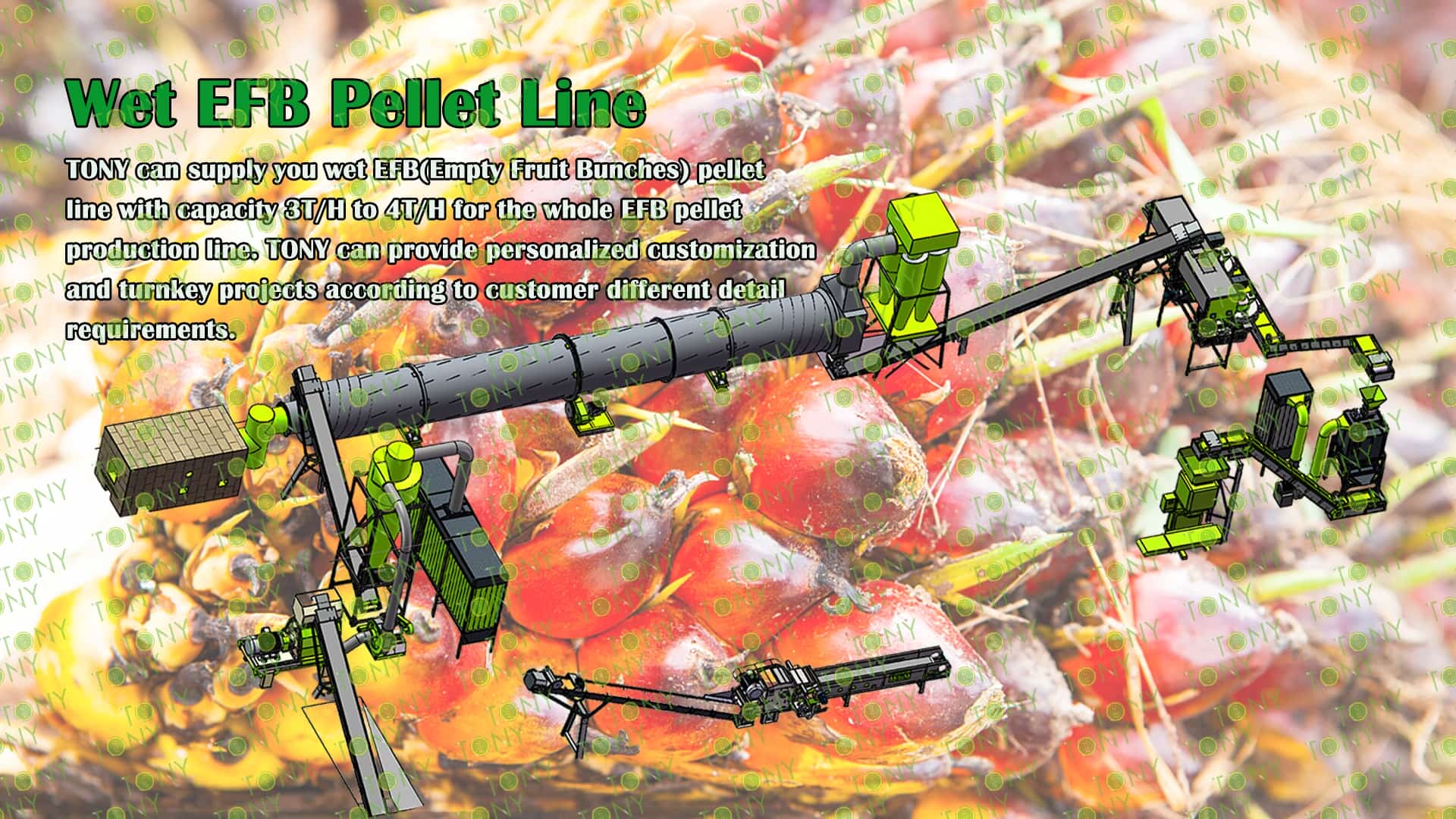
The core of EFB (empty palm fruit bunch) biomass pellet processing is the coordinated operation of multiple specialized equipment to gradually transform the loose, high-moisture, coarse-fiber EFB raw material into high-density, easily storable pellet fuel. The various equipment designs are centered around five core steps: pretreatment, fine crushing, dehydration and drying, extrusion molding, and cooling and stabilization. Each step is optimized for the EFB raw material's characteristics (high moisture content, coarse fiber content, and impurities).
2.Characteristics of wet EFB biomass pellet processing equipment
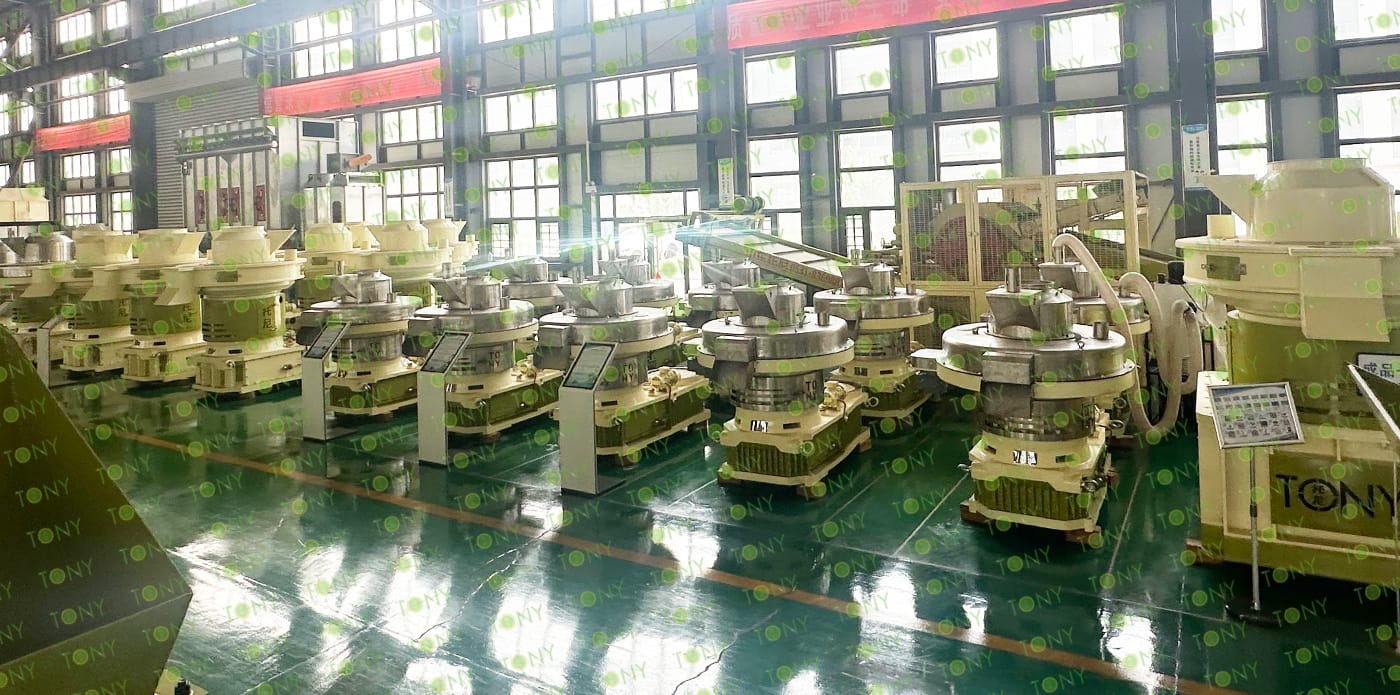
(1)Centrifugal high-pressure pelletizing technology:The equipment adopts a centrifugal high-efficiency pressure system with high pressure and flexible adjustment, which can adapt to the tough and difficult-to-press characteristics of EFB fibers and ensure stable pellet formation. The pressing wheel and mold adopt a vertical structure, which directly feeds the materials and enhances heat dissipation to avoid the problem of machine blockage caused by high-temperature adhesion of raw materials.
(2)Wear-resistant parts for long-term operation:The mold is made of alloy steel processed by a special process, with high surface hardness and tough core, and excellent low-temperature impact toughness, which reduces the cost of frequent component replacement. The wear rate of the pressing roller and the die plate is low, which can achieve continuous production for many years without major repairs.
(3)Wide range of raw material processing:The equipment supports the mixed processing of EFB with various biomass raw materials such as wood chips, straw, furfural residue, etc. The mechanical stamping design automatically adjusts the pressure angle to avoid the phenomenon of squeezing and suffocating the machine, and adapts to the high-fiber and high-moisture raw material characteristics of EFB.
(4)Production capacity and density optimization:The increased pitch feeding structure is adopted to increase the feed amount of EFB raw materials; the pellet density is controlled at above 1.0-1.3, which is convenient for storage and transportation.
3.Application scenarios of wet EFB biomass pellet processing equipment
Focusing on core pellet demand scenarios, local processing is provided nearby.
The core rationale behind this type of facility is to "be close to pellet demand, reducing transportation costs for finished products." EFB pellets have a high density (1.1-1.3g/cm³) and are easy to store, resulting in lower transportation costs than raw materials. However, for large, fixed customers (such as biomass power plants and large cement plants), further cost reductions can be achieved through "local processing" at the demand side. These locations primarily include locations near biomass power plants and areas with concentrated industrial heating demand, such as building materials industrial parks (cement plants, ceramic plants), or food industrial parks.
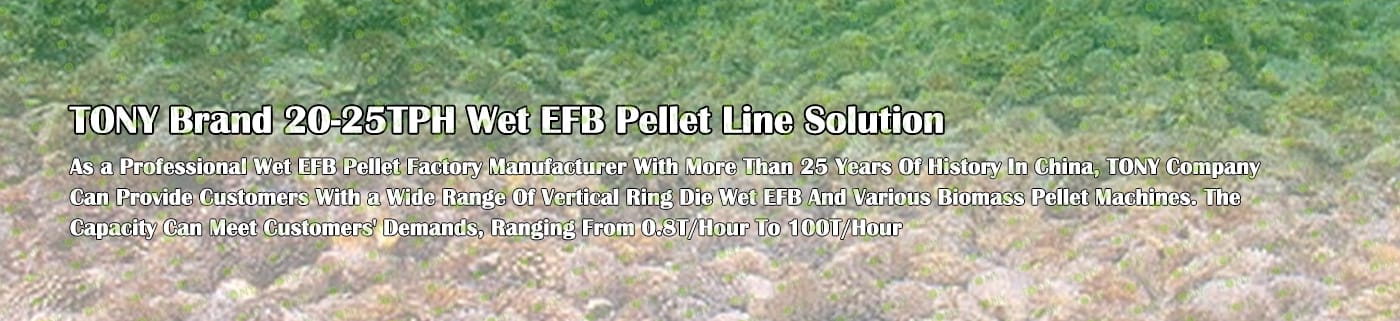
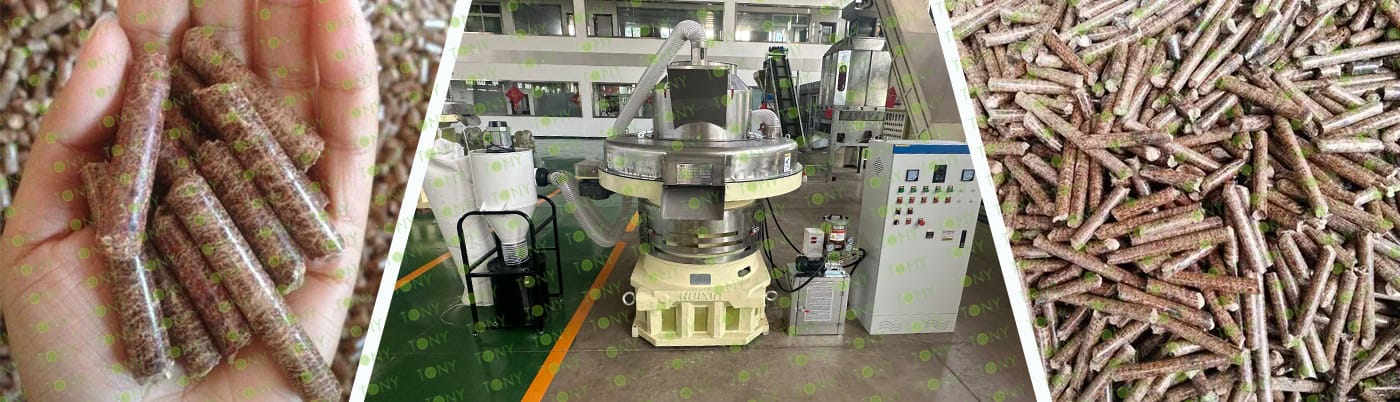
TONY Brand 20-25Ton/Hour Wet EFB Pellet Manufacturing Plant can take wet EFB as the main raw material. After pretreatment and processing, it is solidified into high - density EFB pellet fuel. This fuel is an ideal substitute for coal and oil and plays a role in energy conservation and emission reduction. At present, it has been widely used in regions rich in EFB resources.
1. Capacity: 20-25Ton/Hour
2. Raw materials: Wet EFB
3. Moisture: Wet type, about 40%.
4. Application: All kinds of EFB materials suitable for pellet production.
Suitable customers: Palm plantation owners or related agricultural enterprises have abundant EFB resources. For example, palm oil mills generate a large amount of EFB waste during the production process. Energy companies, EFB biomass pellets as a clean energy, can be used in industrial heating, power generation and other fields, and have synergy with the existing business of energy companies. Environmental investors, investors with financial strength, technology investors, etc.and other places where EFB raw materials have advantages
5. Finished Pellets Markets: Large power plants, domestic heating, industrial heating, combustion heat, heating systems, boiler rooms, school canteens, foundry heat sources.
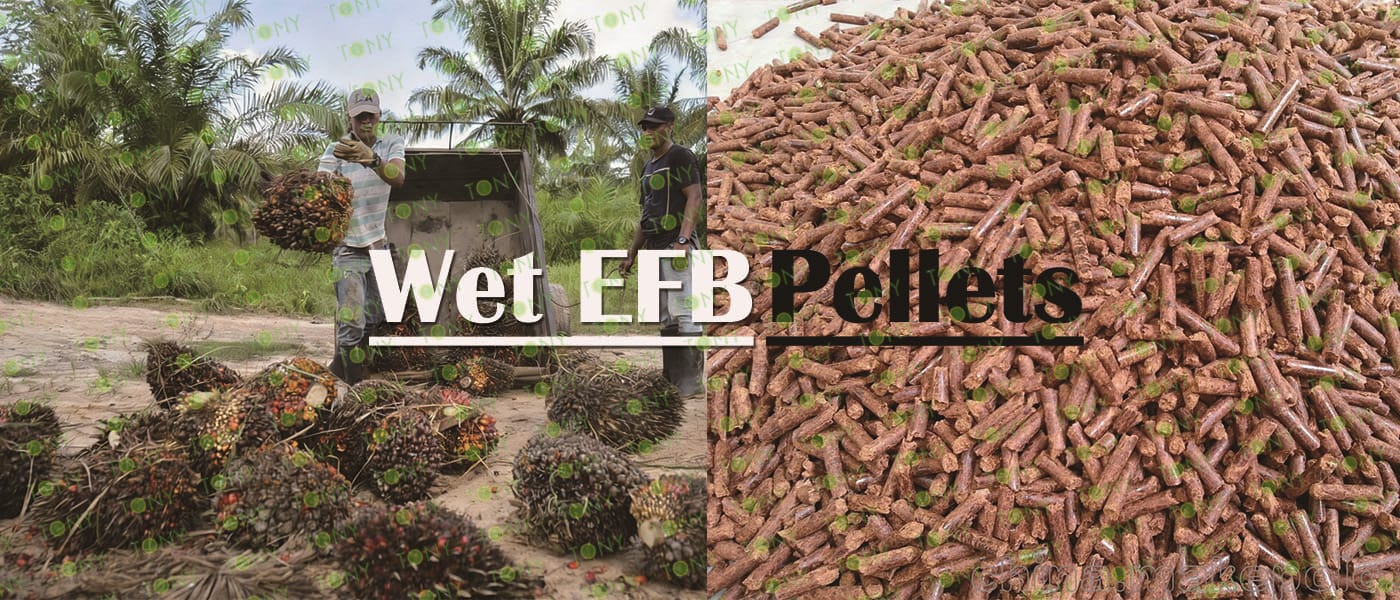
1. Project Name: Wet EFB Pellet Production Line
2. Raw Material: All kinds of wet EFB
3. Moisture Content of Raw Material: 40%
4. Capacity: 20-25 tons per hour
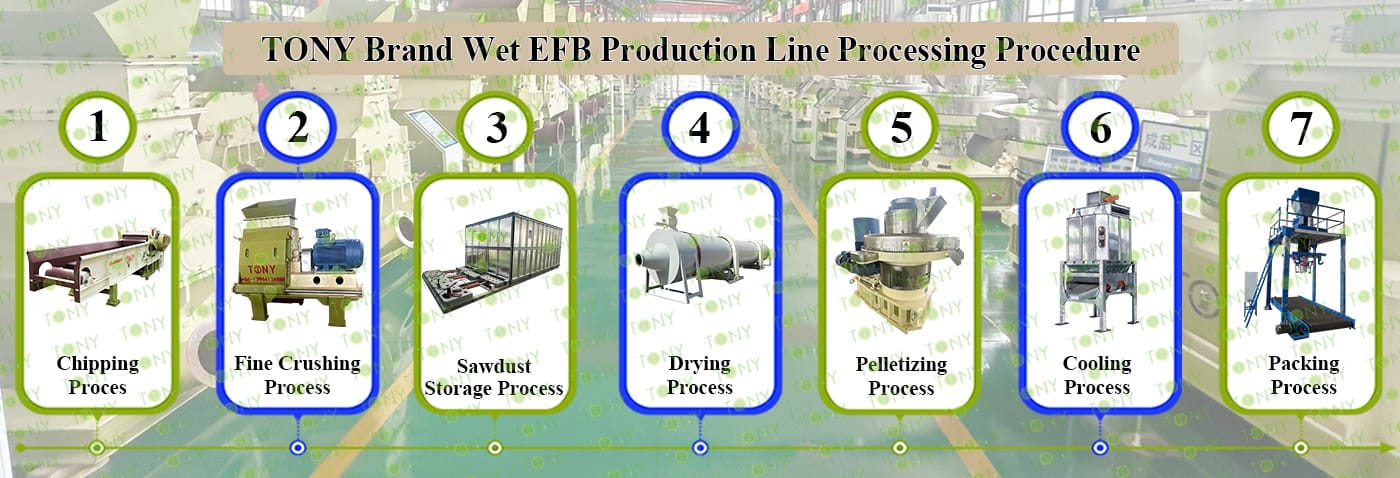
5. Process: Crushing Process - Fine Crushing Process -Palm Dust Storage Process- Drying Process - Pelletizing Process - Cooling Process - Packing Process
6. Main Equipment: Comprehensive Chipper- TPC1300-600-160KW, Effective Hammer Mill-TFD75-160-160KW, TONY Large Hydraulic Storage Silo,Rotary Drum Dryer-2.2-24m, TONY Pellet Machine- TYJ860-Ⅲ-280KW, Galvanized Pellets Cooler, Ton Packing Machine and Belt Conveyors

|
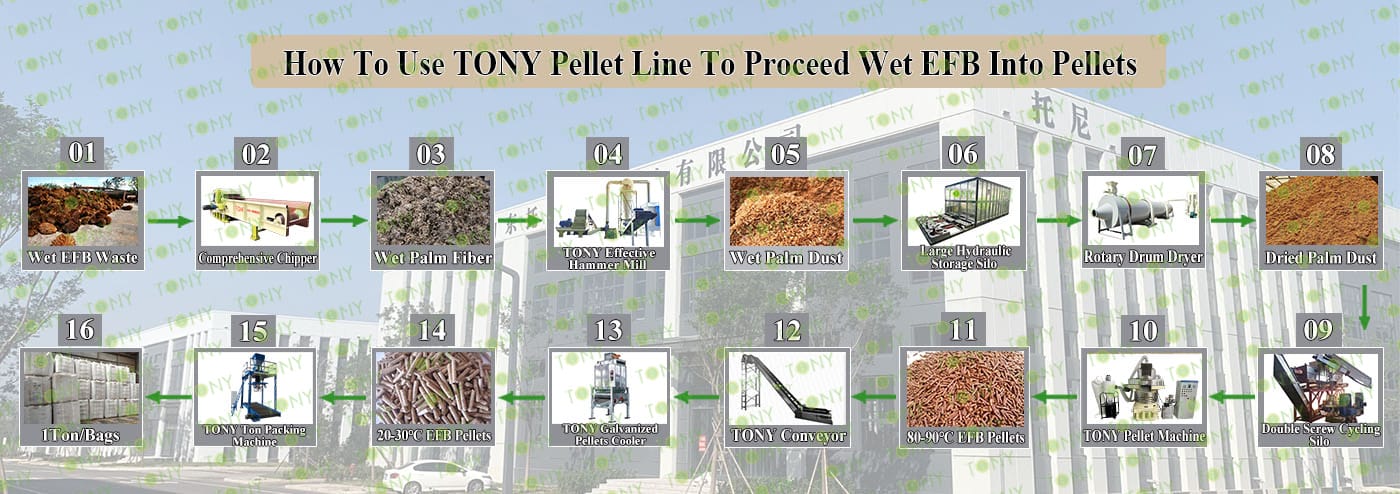
How to use the TONY pellet production line to make pellets from wet EFB? The process mainly includes the following steps and equipment: 1. Use TONY comprehensive chipper to grind EFB Into 25-55mm palm fiber. 2. Use TONY effective hammer mill to crush the 25-55 mm palm fiber into 8-14 mm palm dust.If customer has enough Investment budget,he can also chose TONY special cutting machine for palm silk which will be more expensive than the hammer mill. 3.Use TONY large hydraulic storage silo to storage 8-14 mm palm dust 4. Use TONY rotary drum dryer to dry the palm dust with a 40% moisture content down to a moisture content of 10%-15%. 5. Use TONY vertical ring die pellet machine to produce pellets with a diameter of 6-8 mm. 6. Use TONY galvanized pellets cooler to cool the pellets from 80-90°C to 20-30°C. 7. Use TONY ton packing machine to pack the pellets into bags, each weighing 1 ton. For more detailed information and quotations, you can contact TONY. TONY can provide all the above - mentioned products at highly competitive prices and with excellent quality. |
|
|||||||||||||||||||||||||||||||||||||||||||||||||||||||
| Next, TONY Will Introduce To You All The Necessary Machinery That Will Be Used For The Whole Pellet Production Line. Some Machines Can Be Custom - Made By Customers According To Different Customers' Detailed Demands. Contact TONY For More Details, Including Quotation And Layout. | |||
 |
 |
 |
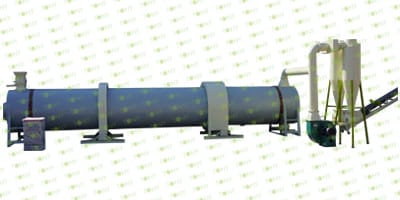 |
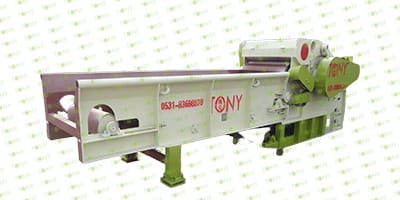
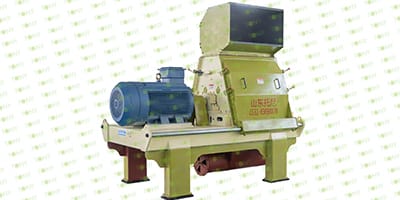
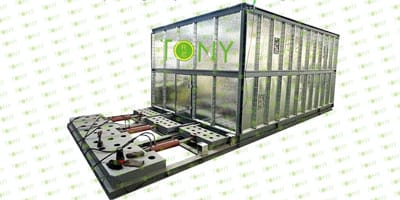
| Comprehensive Chipper | Effective Hammer Mill | Large Hydraulic Storage Silo | Rotary Drum Dryer |
| 1.To Grind EFB Into25-55mm Palm Fiber. 2.Model: TPC1300-600-160KW With 6 Blades*2sets 3.Capacity:24-30Ton/Hour. |
1.To Crush 25-55mm Palm Fiber Into 8-14mm Palm Dust. 2.Model: TFD75-160-160KW*4sets 3.Capacity: 5-6Ton/Hour/Set |
1.To Storage Palm Dust Before Dryer Control Palm Dust Flow Entering The Dryer Model: TCY-35*2sets 2.TONY Uses Galvanized Material |
1.To Dry The 40% Palm Dust Into 10-15% Palm Dust. 2.Model: THGD2.2-24*4sets 3.Capacity:5-7Ton/Hour/Set |
 |
 |
 |
 |
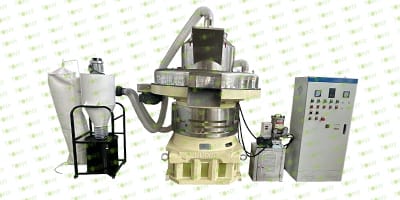
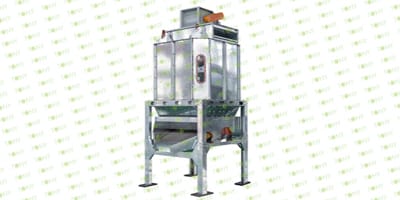
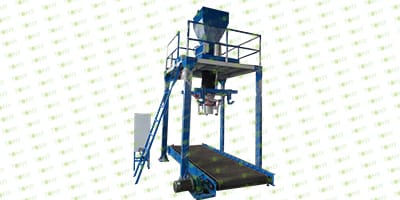
| Vertical Ring Die Pellet Machine | Galvanized Pellets Cooler | Ton Packing Machine | Belt Conveyor |
| 1.To Press Dry Palm Dust Into 6-8mm Biomass Pellets 2.Model: TYJ860-III-280KW*5sets 3.Capacity:4-5Ton/Hour/Set 4.New 304SS Type |
1.To Cool Pellets From 80-90℃ Into 20-30℃ 2.Model: TCN-10*1set 3.Capacity:20-25Ton/Hour |
1.To Pack Pellets Into 1Ton/Bags 2.Model: TBD*1set 3.Capacity: 20-25Ton/Hour |
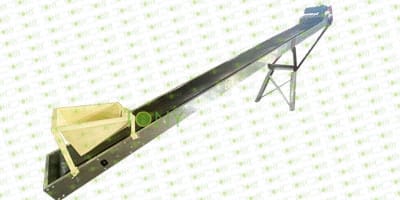
1.To Transport Palm Fiber, Palm Dust,Pellets. 2.Width: 80cm*18sets 3.Capacity:Designed With The Whole Line |
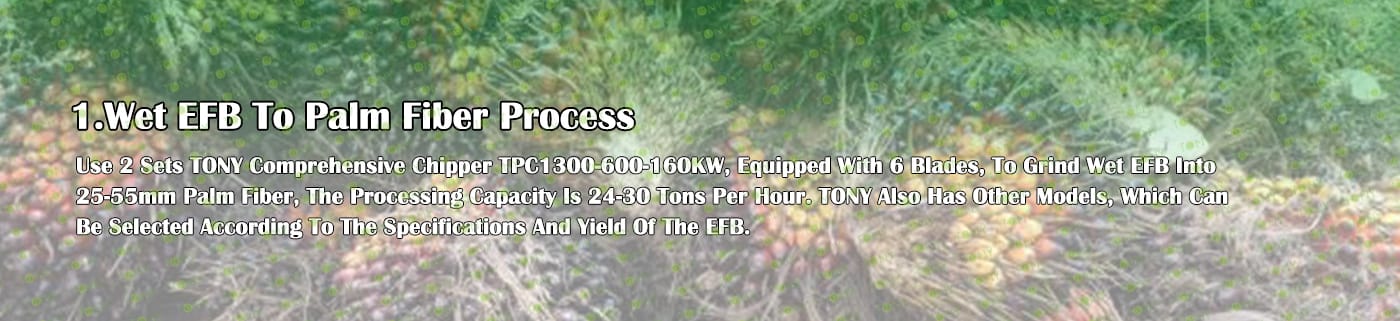
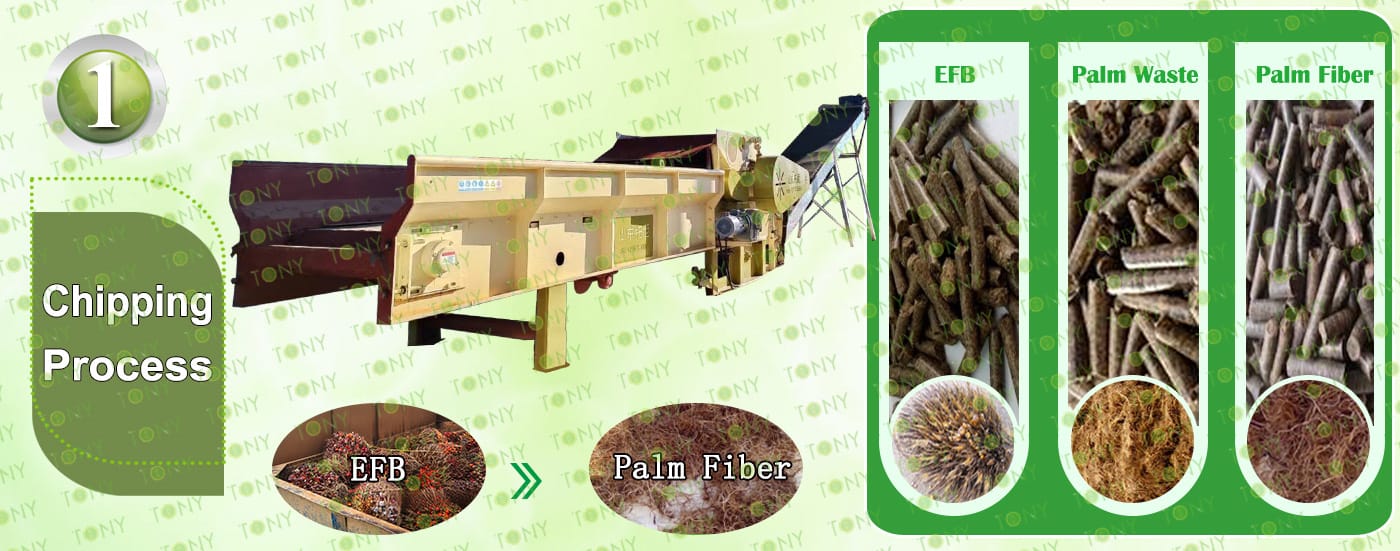
1.Wet EFB To Palm Fiber Process:
A.This process is mainly used to grind the EFB into palm fiber with size 25-55mm. The finish palm fiber size can be adjustable by changing different sizes of screeners and adding flying knives inside the wood chipper.
B.TONY brand comprehensive chipper TPC1300-600-160KW with 6 flying blades type*2sets
C.Capacity:24-30Ton/Hour.
Main Parts:
(1)TONY's Comprehensive Chipper.
(2)Feed And Discharge Belt Frequency Control To Prevent Card Material
(3)Hydraulic System Control Can Be Used For Thicker Materials
(4)Electronic Control System Allows The Equipment To Be Used Normally
Contact Tony For More Details With Quotation
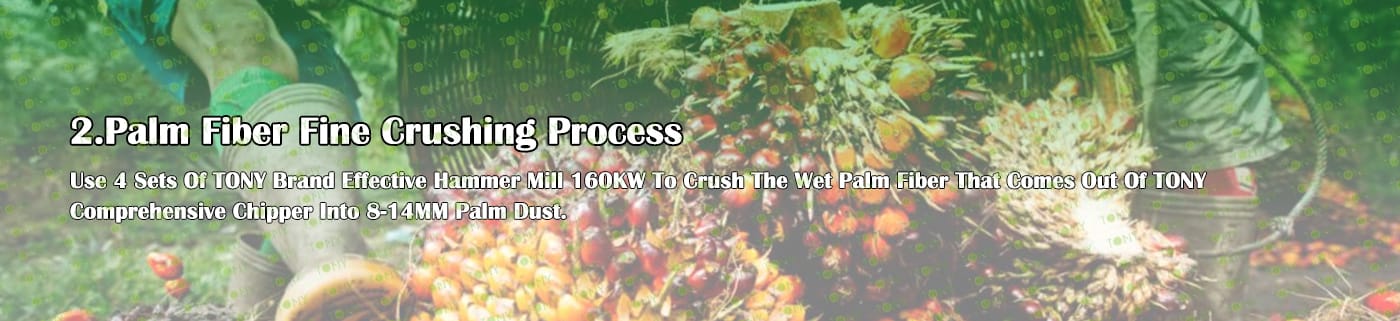
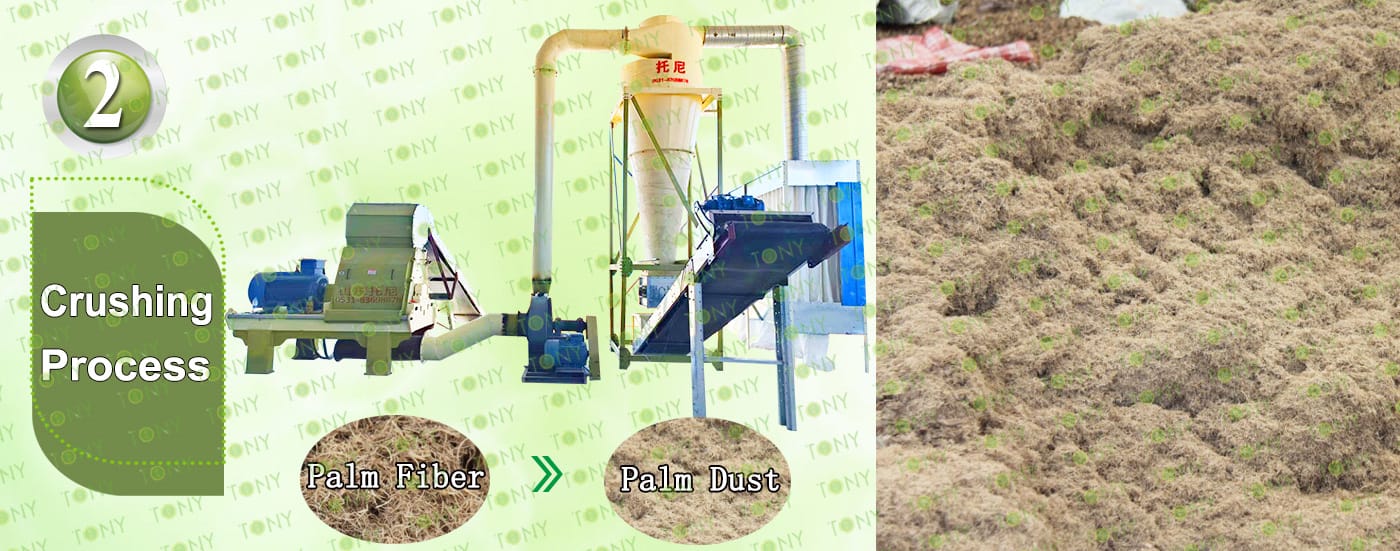
2.Palm Fiber Fine Crushing Process:
A.This process is mainly used to crush 25-55mm palm fiber into 8-14mm palm dust.
B.Capacity:20-25Ton/Hour.
C.TONY brand effective hammer mill TFD75-160-160KW*4sets
Main Parts:
(1)TONY Effective Hammer Mill.
(2)Galvanized Dust Collector.
(3)Sawdust Transportation Fan Blower.
(4)Cyclone With Airlock.
(5)Electrical Cabinets.
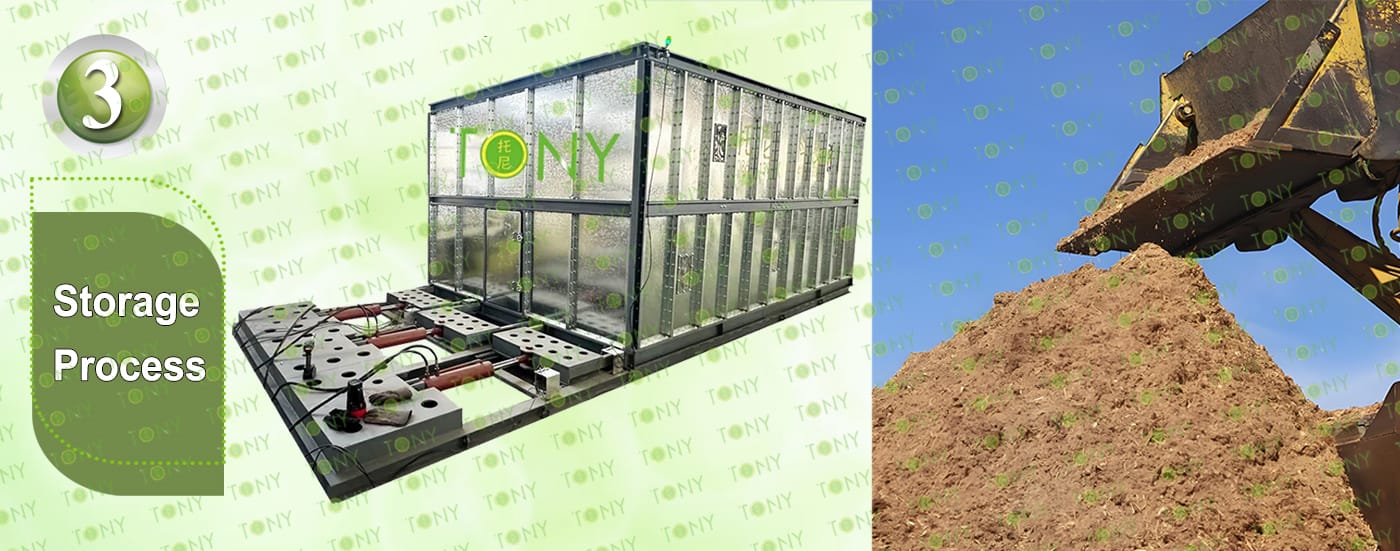
3.Palm Dust Storage Process:
A. This process is mainly used to storage the palm dust that comes out of the hammer mill.It is hydraulic galvanized storage bin which is more stalbe and palm dust in it is not easy to be blocked.
B.TONY Brand Large Hydraulic Storage Silo to storage the palm dust that comes out of the hammer mill.This process can be optional by customer.If customer do not chose the storage bin,he can storage the palm dust on the ground directly which may need some labour.
Main Parts:
(1)TONY's New Large Hydraulic Storage Silo.
(2)With Screws Inside The Storage Bin To Prevent Palm Dust Blocked.
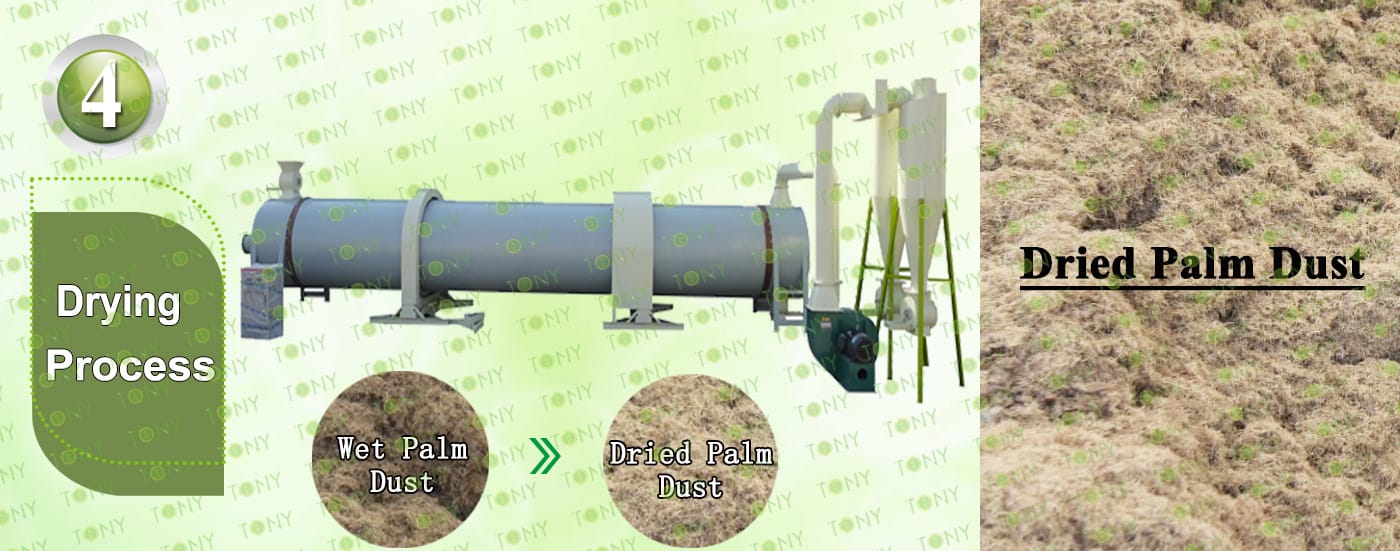
4.Wet Palm Dust Drying Process:
A.This process is mainly used to dry the palm dust from 40% to 10-15%.
B.Capacity:20-25Ton/Hour.
C.TONY use 4 sets of 2.2*24m rotary drum dryer for this process, TONY hot blast stove is made of firebrick pan, shell with H steel plate as the frame. There are 3 layers of fire blocking device inside, which can effectively prevent the fire from entering the tumble dryer.Customers can choose to use waste wood, biomass pellets, natural gas, etc. as fuel for the hot air furnace
TONY dryer use spiral tube material, and is not easy to deform.
Unlike other manufacturers with iron plate splicing welding, very easy to deformation.
Main Parts:
(1)TONY's Rotary Drum Dryer Main Body. (Reducers With Motors and Pips.)
(2)TONY's Hot Stove.
(3)Fan Blower+Cyclone With Airlock.
5.Pelletizing Process:
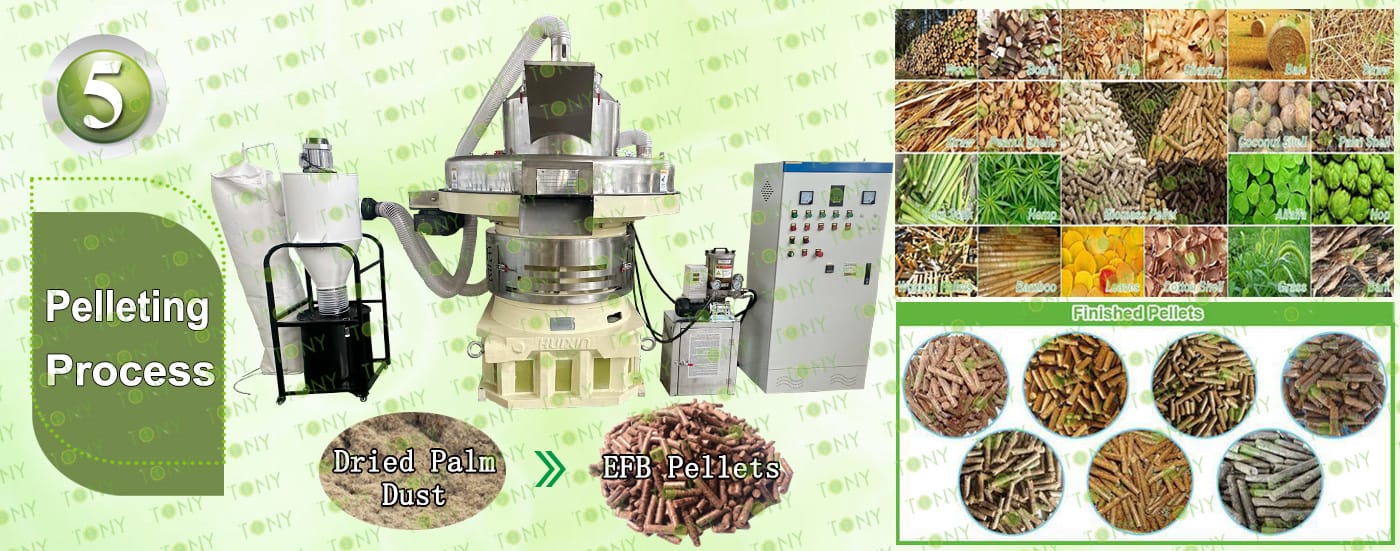
A.This process is mainly used to to product pellets into φ6-8mm.
B.Capacity:20-25Ton/Hour.
C.TONY brand vertical ring die pellet machine TYJ860-Ⅲ-280KW*5sets
D.Double Screw Cycling Silo is added above the pellet machine, which has the advantages of saving space, saving labor, intelligently controlling the feeding speed, not easy to block the material, and improving production efficiency.
Main Parts:
(1)TONY's new Vertical Ring Die Pellet Machine.
(2)Cyclone And Bags Dust Collectors.
(3)Automatic Lubrication System.
(4)Electrical Cabinets.
You can chose TONY new type SS304 pellet machine
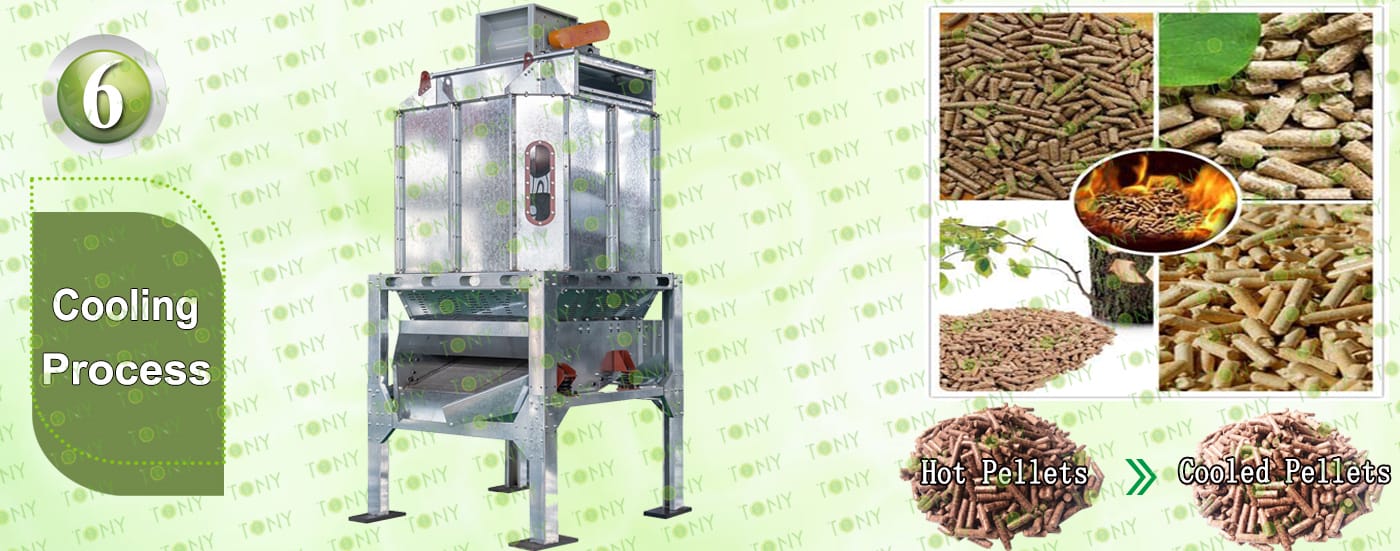
6.Cooling Process:
A.This process is mainly used to cool pellets from 80-90℃ to 20-30℃
B.Capacity:20-25Ton/Hour.
C.TONY brand galvanized pellets cooler *2 sets
Main Parts:
(1)TONY's new Galvanized Pellets Cooler With Vibrating Screen.
(2)Cyclone And Bags Dust Collectors.
(3)Fan Blower.
(4)Connect Pipes.
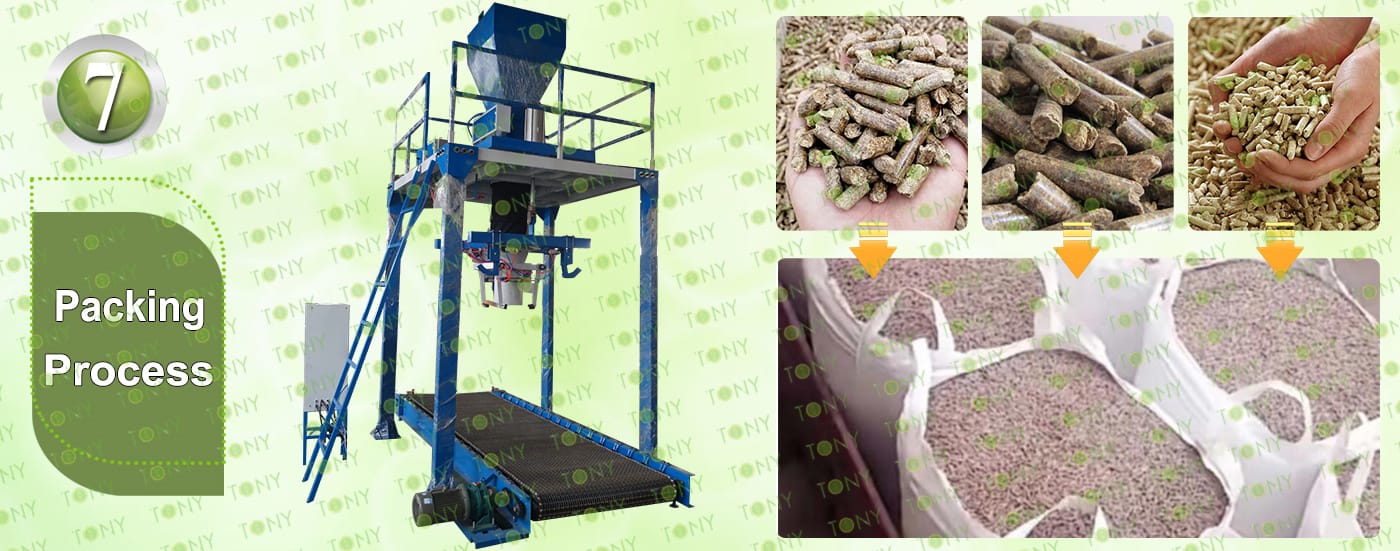
7.Packing Process:
A.This process is mainly used to pack pellets into 1Ton/Bags.
B.Capacity:20-25Ton/Hour.
C.TONY brand ton packing machine*2sets
Main Parts:
(1)TONY Ton Packing Machine
(2)Electronic Platform Scale Metering System
(3)Automatic Tare, Zero, and Drop Correction Functions
(4)Feeding System Features Fast, Medium, and Slow Feeding Speeds to Ensure Measuring Accuracy

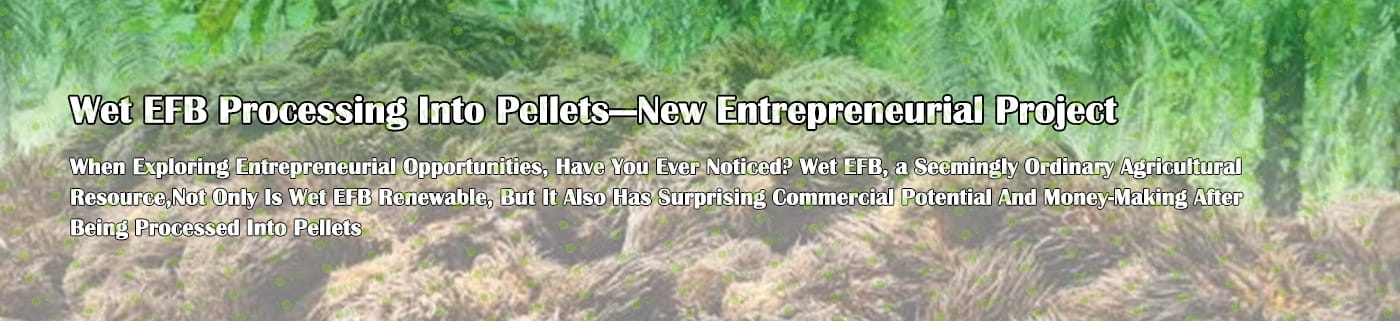
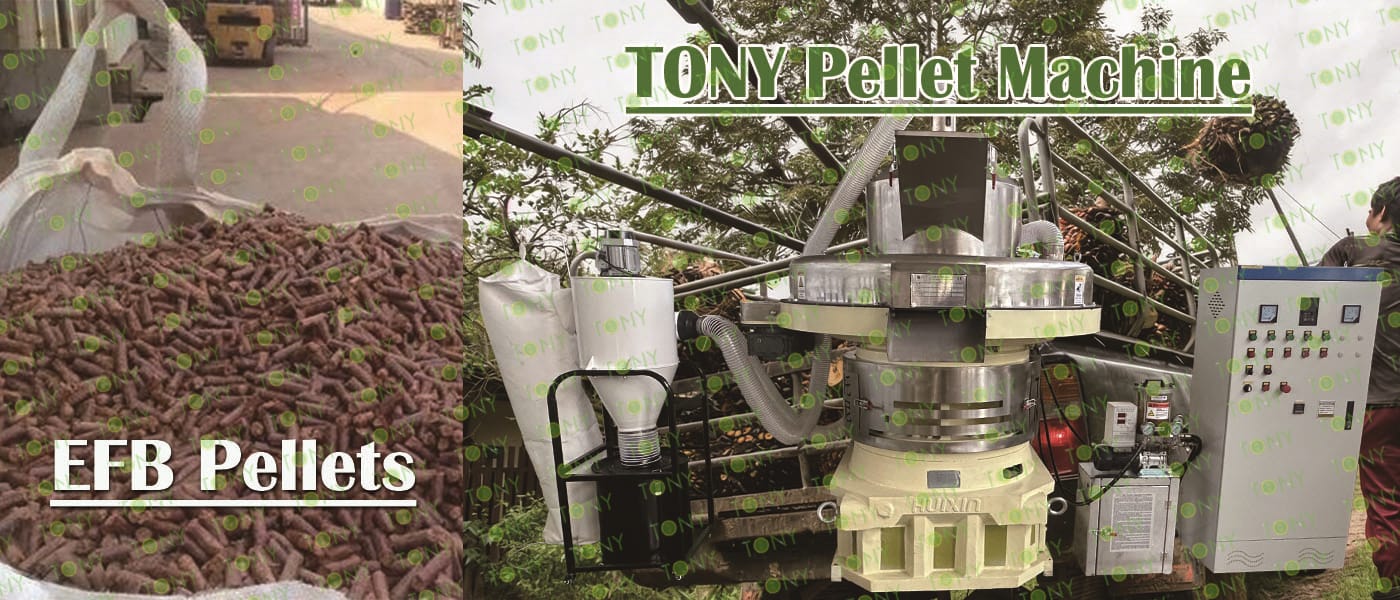
The EFB Biomass Pellet Processing Project's Technical Foundation: Mature Processes and Standardized Equipment
The "EFB Pellet Processing Technology" employed in this project has undergone over a decade of iteration, resulting in a clear process path and standardized equipment, eliminating the need for complex technical research and development.
1.Core Process:
Pretreatment (crushing and impurity removal) → Drying (hot air/drum drying, moisture reduction to 10%-15%) → Crushing (2-5mm particle size) → Pelletizing (ring die pelletizer, density 1.1-1.3g/cm³) → Cooling (countercurrent cooling to ≤30°C) → Screening and Packaging;
2.Equipment Maturity:
Mainstream equipment (such as ring die pelletizers and drum dryers) is manufactured by professional manufacturers (such as China's TONY), allowing for flexible configuration based on production capacity requirements. The equipment has a low failure rate (average monthly downtime ≤4 hours) and minimal operational and maintenance challenges.
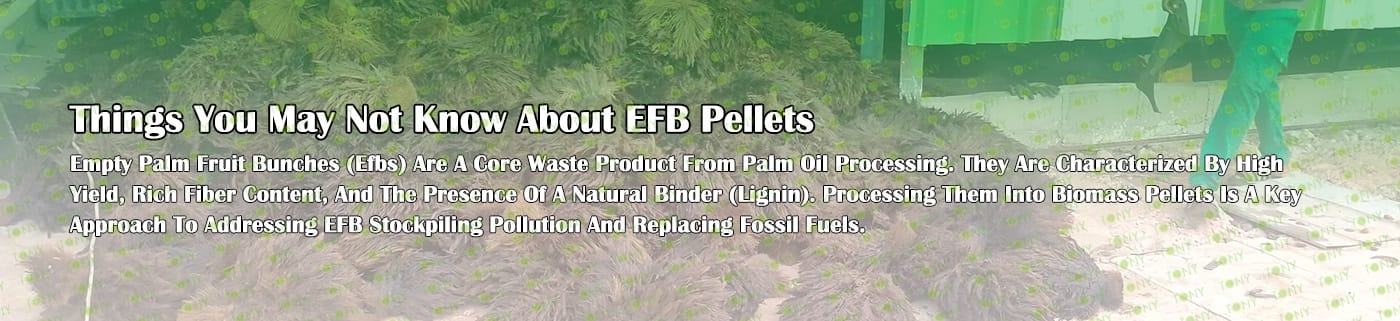
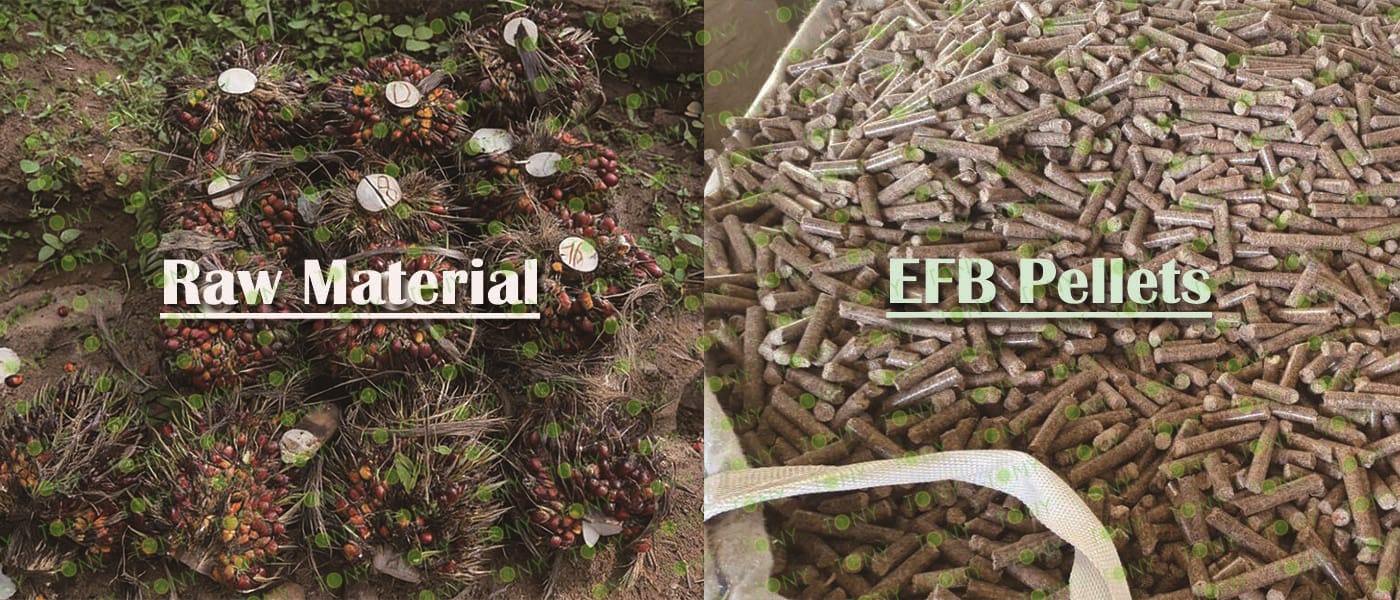
1.Environmental Protection:
The amount of carbon dioxide emitted after combustion of biomass pellets is roughly equal to the amount absorbed, resulting in no net increase in carbon dioxide emissions. Furthermore, biomass pellets contain no sulfur or phosphorus, and combustion does not produce sulfur dioxide or phosphorus pentoxide, leading to no acid rain and no atmospheric pollution.
2.High Efficiency:
Biomass pellets have an extremely high combustion efficiency, generating approximately 75% more heat than ordinary firewood. Their calorific value ranges from 3,900 to 4,800 kcal/kg, and after carbonization, it can reach 7,000 to 8,000 kcal/kg.
3.Economical:
Biomass pellet fuel is relatively inexpensive because it utilizes agricultural and forestry waste, representing a resource recycling process. Furthermore, their use can reduce energy costs for businesses, for example, by 20% compared to coal and 60% compared to electric heating.

2025 Tony Machinery - All Rights Reserved. Map