




















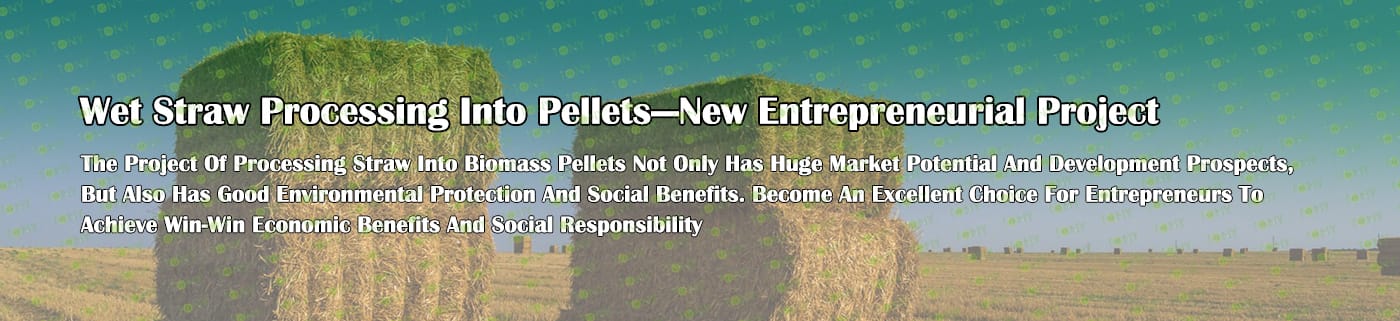
1.The working principle of wet straw biomass pellet processing equipment
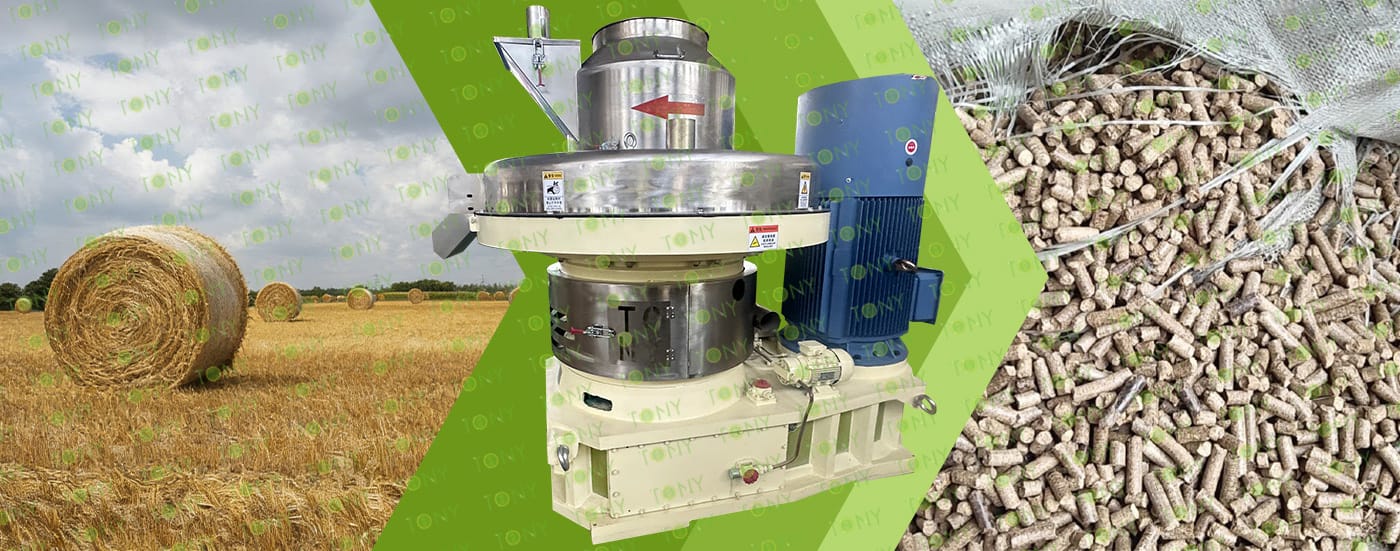
(1)Feed:The pre-treated straw raw materials are conveyed to the feed inlet of the pellet nachine and uniformly sent into the pellet nachine chamber by the feeder.
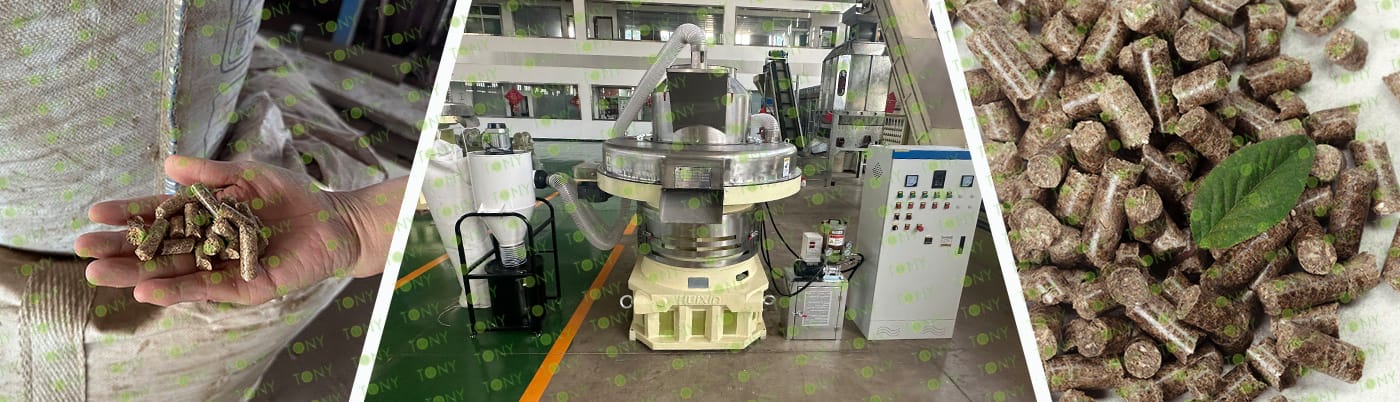
(2)High-pressure extrusion:The pressure rollers in the granulation chamber will tightly press the materials onto the ring or flat molds with mold holes (usually with diameters of 6-12mm), and the materials are squeezed into the mold holes under the action of huge pressure (usually 30-100 MPa).
(3)Cutting and shaping:After the materials are extruded from the mold holes, they form continuous cylindrical strips, which are then cut into particles of the set length by the high-speed rotating cutter, and finally cooled and transported through the cooling conveying system to complete the finished product.
2.Characteristics of wet straw biomass pellet processing equipment
(1)Strong pre-treatment capability: Specifically addressing the "wet straw" problem
The pre-treatment system of the equipment has been specially designed to efficiently process wet straw with high moisture content and high fiber content. This is the most fundamental difference from ordinary dry material granulation equipment.
(2)Stable molding design: Ensuring particle quality and production efficiency
Due to the characteristics of wet straw being prone to loosening and difficult to bond, the equipment has made multiple optimizations in the molding process to ensure stable particle quality and reduced brittleness.
(3)Environmental protection and energy conservation: Meeting green production requirements
The equipment is designed to minimize pollution and energy consumption, aligning with current environmental protection policies and sustainable development concepts.
(4)High adaptability and flexibility: Meeting diverse needs
The equipment can be adjusted according to the type of raw materials and production scale, and is suitable for different production scenarios of users.
3.Application scenarios of wet straw biomass pellet processing equipment
(1)Farm processing:Large farms (such as pig farms and chicken farms) can use the equipment to process wet straw. The processed pellets can be used as heating fuel for themselves, mixed with feed (special treatment is required), or used to produce organic fertilizer around the farm (the ash after burning the pellets can be used as organic fertilizer raw materials), thus achieving the "straw-energy-fertilizer" cycle.
(2)Environmental protection project support:In agricultural non-point source pollution control and straw comprehensive utilization demonstration projects, the equipment is used as a core processing tool to process wet straw in the project coverage area and convert it into clean pellets. As the project's "resource utilization results", it helps the project achieve environmental protection assessment goals and obtain policy subsidies.

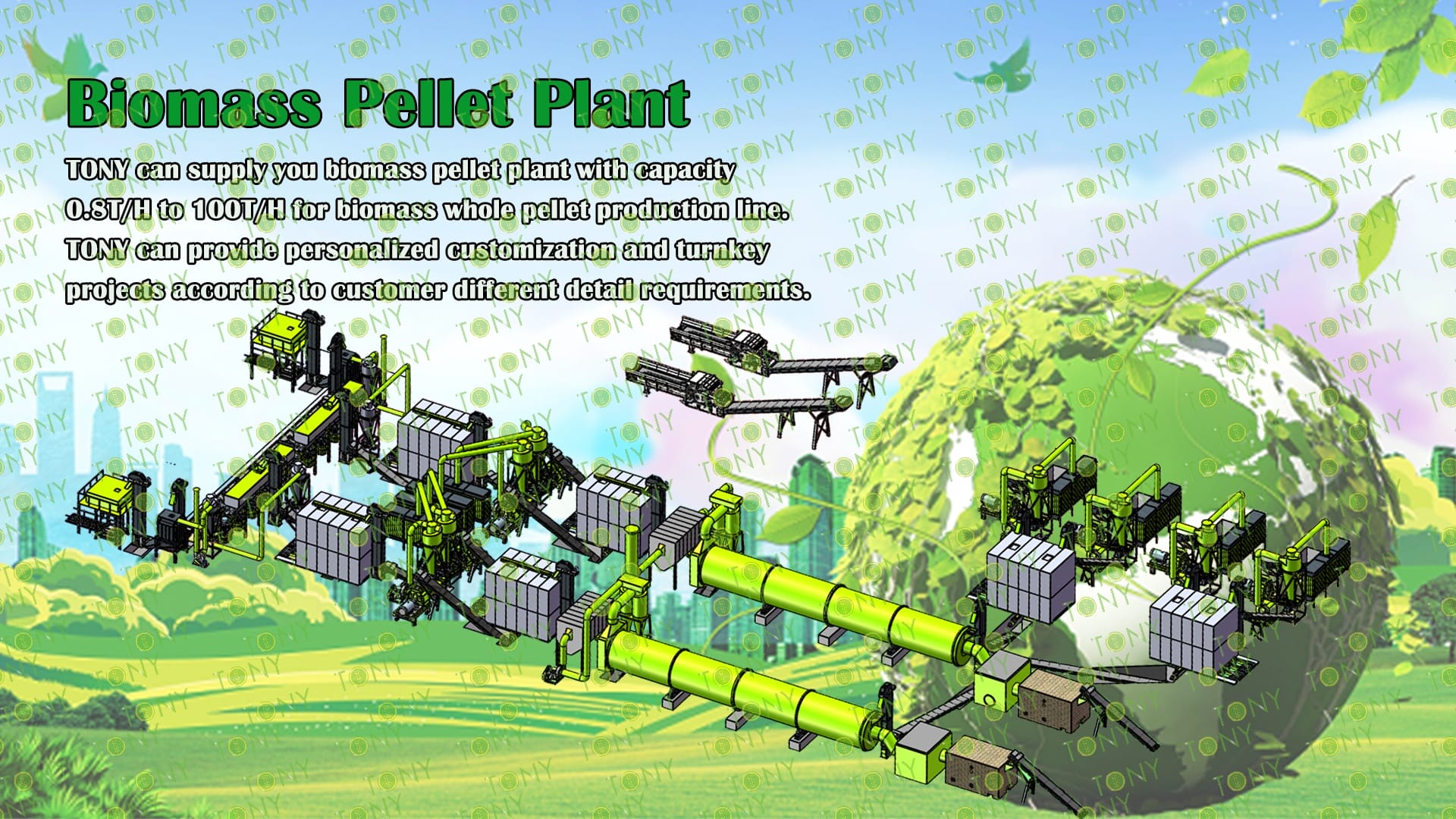
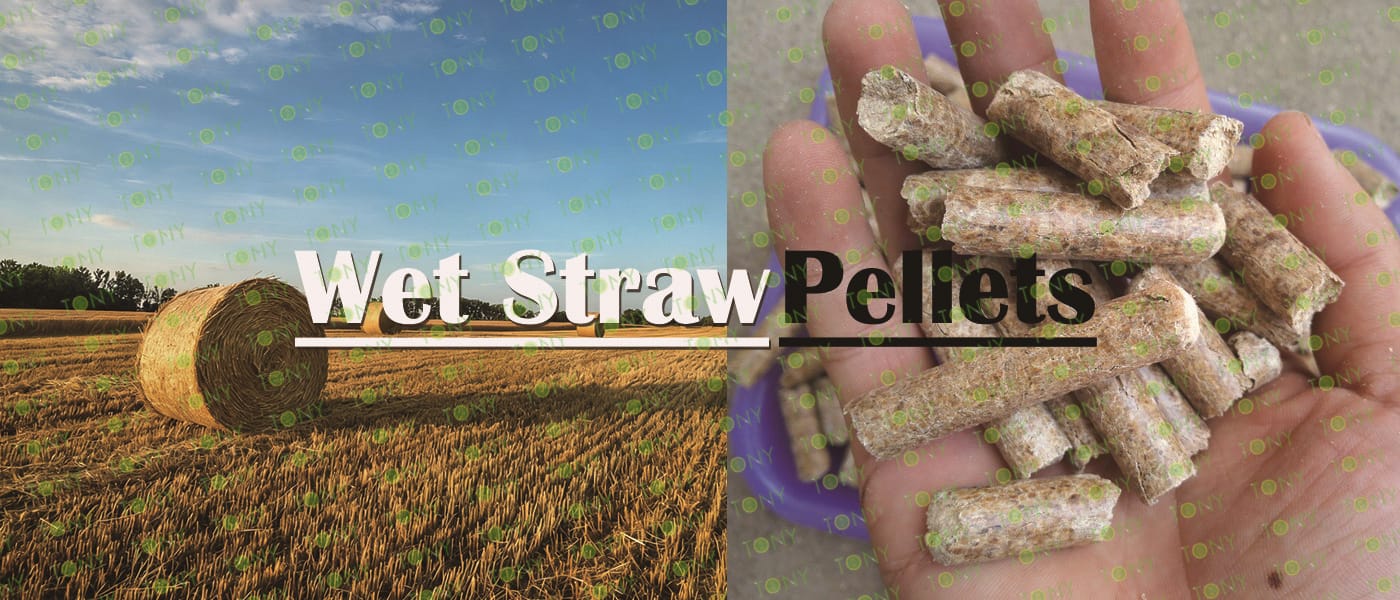
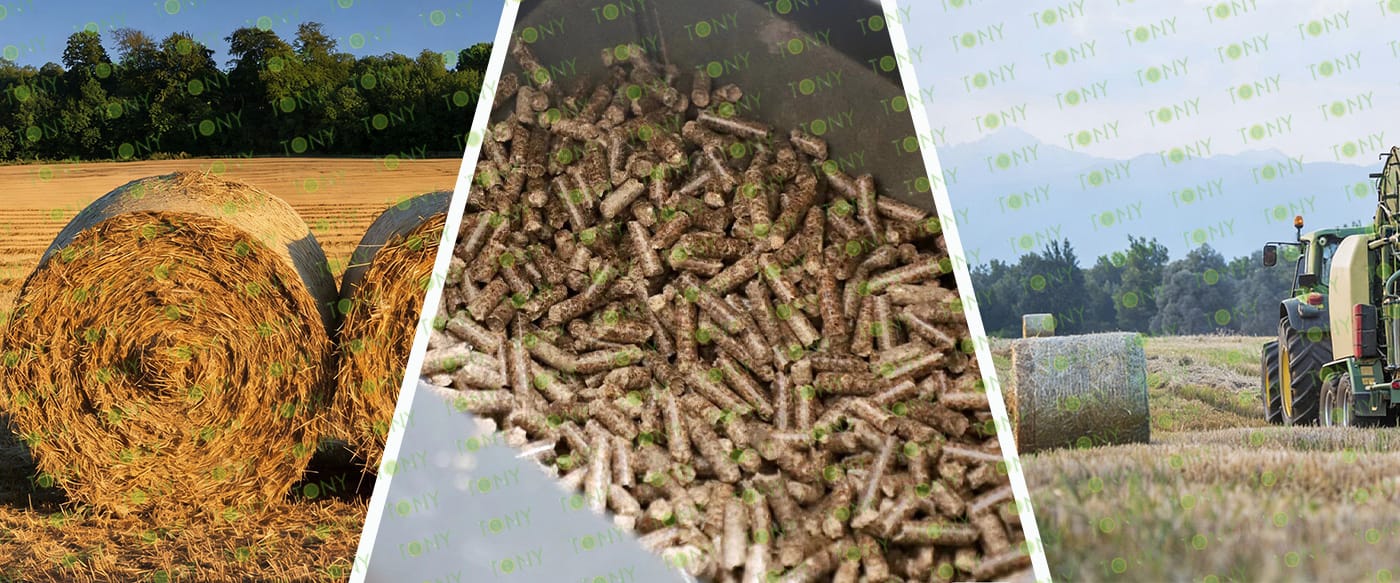
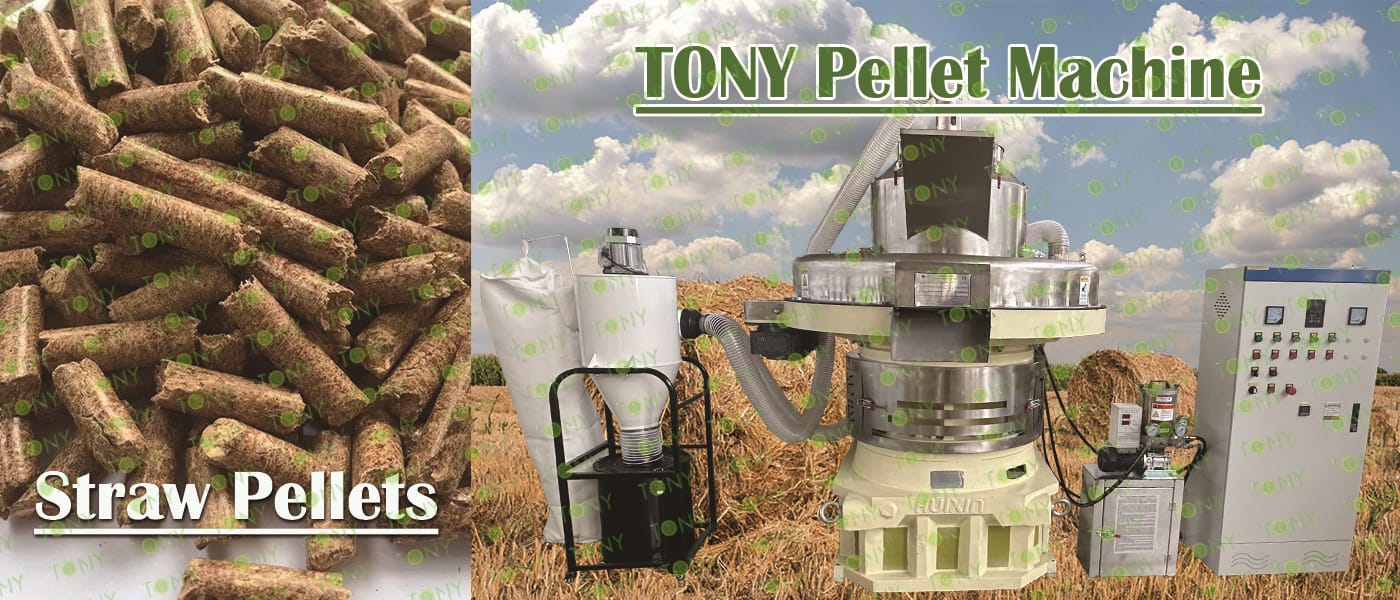
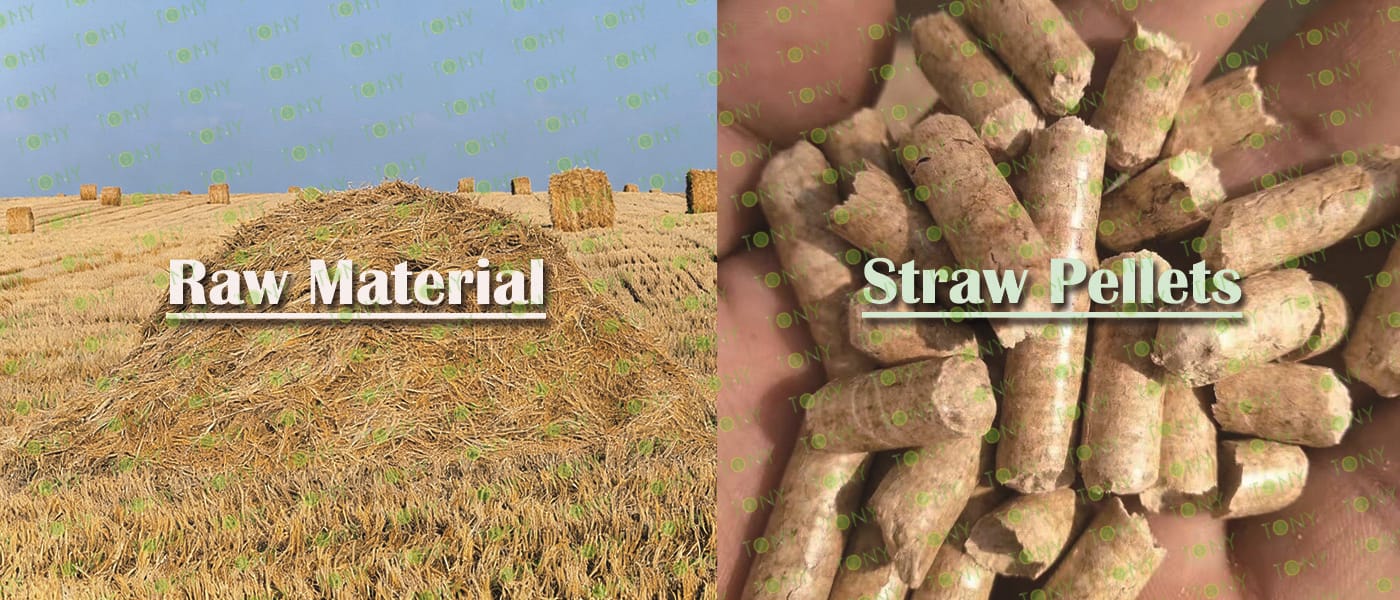
TONY Brand 80-100TPH Wet Straw Line can process wet straw and various biomass materials related to agricultural waste into biomass pellets. Straw processing into biomass pellets has a wide range of uses .As fuel: straw pellet fuel can be used as boiler fuel for power plants, industrial boilers, civil heating and other fields. Its calorific value is similar to coal, but the price is lower, and the combustion process produces fewer pollutants, is a more environmentally friendly fuel. As feed: Straw pellets processed by straw pellet machining can be used as feed for livestock. This method can make full use of crop straw, reduce feed costs, and also help solve the problem of straw disposal. These uses can not only effectively use agricultural waste, reduce environmental pollution, but also create economic benefits and promote sustainable agricultural development.
1. Capacity: 80-100Ton/Hour
2. Raw materials: Wet straw, including wet corn straw, wet wheat straw, wet cotton straw, wet flax straw, wet beet straw and other agricultural straw
3. Moisture: About 30-35%
4. Application: All kinds of biomass materials suitable for pellet production.
Suitable customers: Green energy companies, agricultural cooperatives, and small - scale rural processing units that have ready access to wet straw and related agricultural residues.
5. Finished Pellets Markets: Large power plants, domestic heating systems in rural and suburban areas, industrial heating facilities in rural - based industries, combustion heat applications in local manufacturing units, heating systems in rural schools and community centers, boiler rooms in small - scale rural enterprises, and canteens in rural educational institutions.,farms, feed mills.
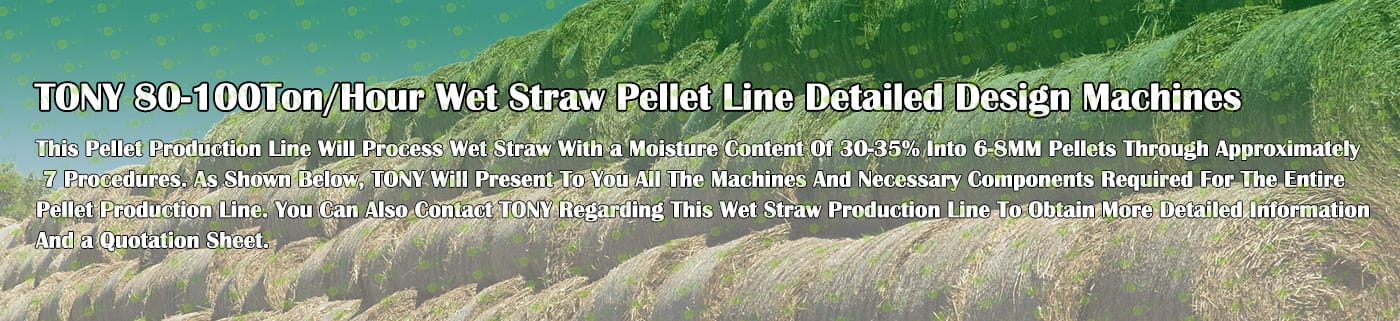
1. Project Name: Wet Straw Production Line
2. Raw Material: Bales of Wet Straw
3. Moisture Content of Raw Material: 30-35%
4. Capacity: 80-100TPH
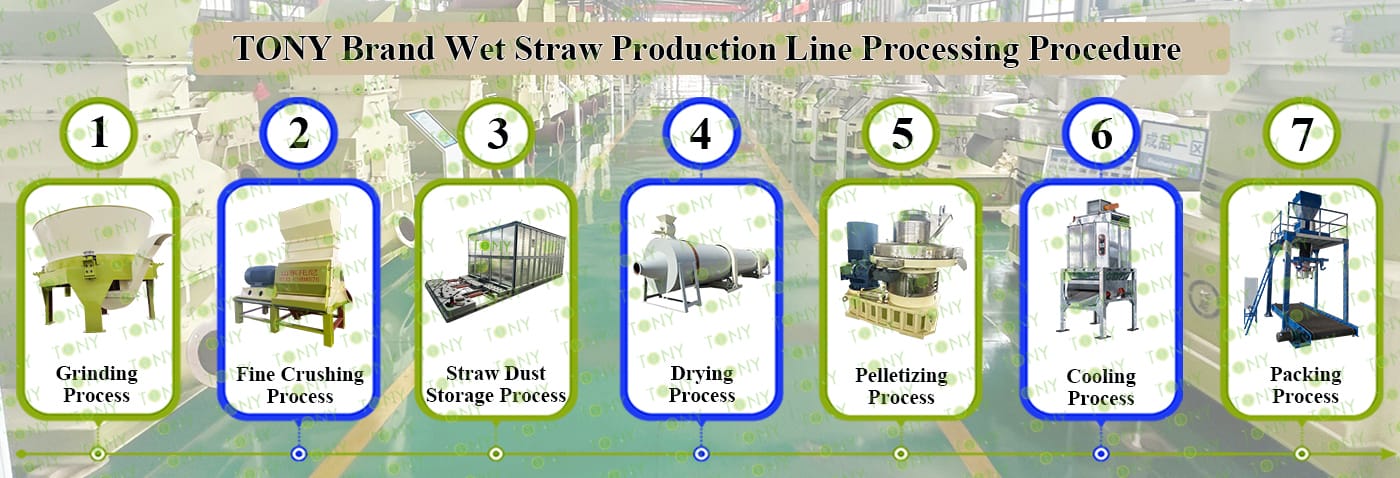
5. Process: Grinding Process - Fine Crushing Process - Straw Dust Storage Process-Drying Process-Pelletizing Process - Cooling Process - Packing Process
6. Main Equipment: Straw Cutter -TPX3500-250KW, Effective Hammer Mill- TFD1600-500KW, TONY Large Hydraulic Storage Silo,Rotary Drum Dryer-3.5*28m ,TONY Pellet Machine-TYJ860-III-280KW, Galvanized Pellets Cooler, Ton Packing Machine and Belt Conveyors

|
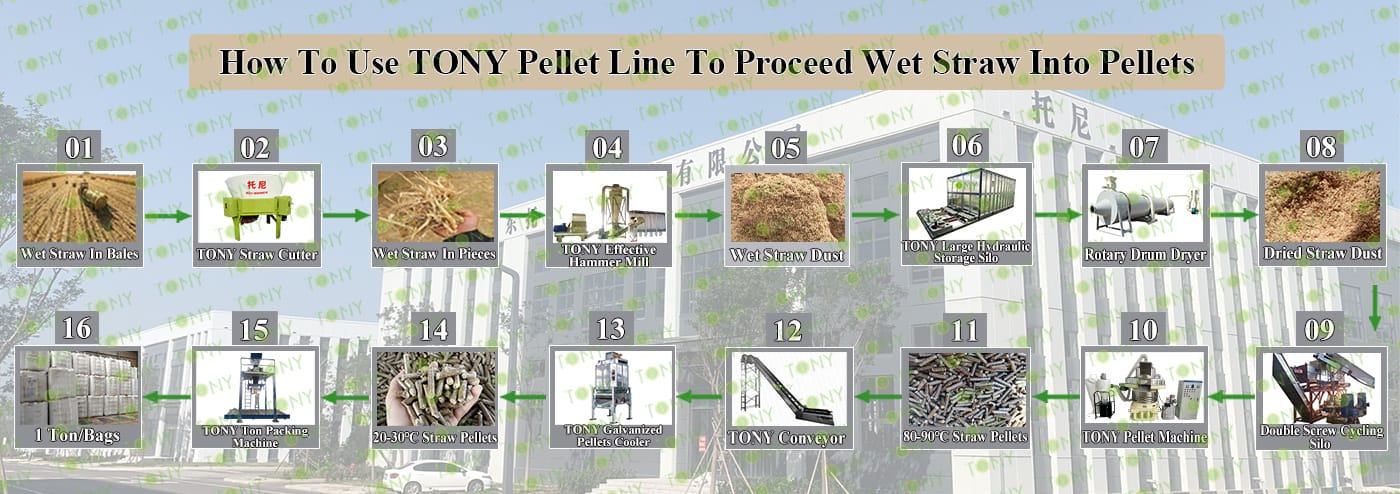
How To Use TONY Pellet Line To Proceed From Wet Straw Into Pellets? It mainly contains the following steps and machines as following: 1.Use TONY straw cutter to grind wet straw bales φ ≤3m into 60-70mm wet straw pieces. 2.Use TONY effective hammer mill to crush 60-70mm wet straw pieces into 8-14mm wet straw dust. 3.Use TONY large hydraulic storage silo to storage 8-14 mm wet straw dust. 4.Use TONY rotary drum dryer to dry the 30-35% wet straw dust into 10-15% dried straw dust 5.Use TONY vertical ring die pellet machine to products pellets with φ6-8mm. 6.Use TONY galvanized pellets cooler to cool pellets from 80-90℃ to 20-30℃. 7.Use TONY ton packing machine to pack the pellets into 1 ton/bags. You can contact TONY to get for more details information and quotation. TONY can supply you all the products as above with competitive price and excellent quality. |
|
|||||||||||||||||||||||||||||||||||||||||||||||||||||||
| Next, TONY Will Introduce To You All The Necessary Machinery That Will Be Used For The Whole Pellet Production Line. Some Machines Can Be Custom - Made By Customers According To Different Customers' Detailed Demands. Contact TONY For More Details, Including Quotation And Layout. | |||
 |
 |
 |
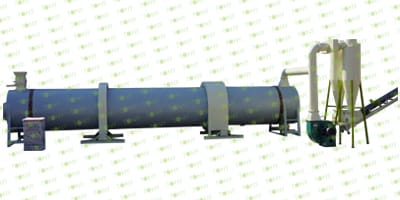 |
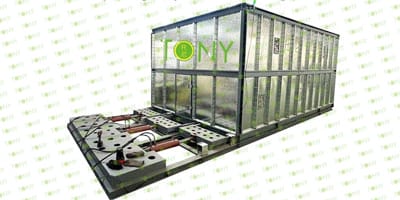
| Straw Cutter | Effective Hammer Mill | Large Hydraulic Storage Silo | Rotary Drum Dryer |
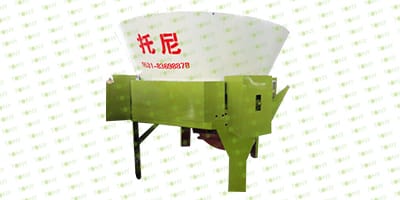
| 1.To Grind Wet Straw Bales Diameter ≤3 m Into 60-70mm Wet Straw Pieces 2.Model:TPX3500-250KW*6Sets 3.Capacity:13-16Ton/Hour/Set |
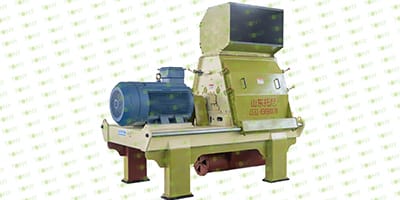
1.To Crush 60-70mm Wet Straw Pieces Into 8-14mm Wet Straw Dust. 2.Model: TFD1600-500KW*6Sets 3.Capacity:12-17Ton/Hour/Set |
1.To Storage Straw Dust Before Dryer Control Straw Dust Flow Entering The Dryer 2.Model: TCY-35*6Sets 3.TONY Uses Galvanized Material |
1.To Dry The 30-35% Straw Dust Into 10-15% Straw Dust 2.Model: THGD3.5-28*6Sets 3.Capacity:12-17Ton/Hour/Set |
 |
 |
 |
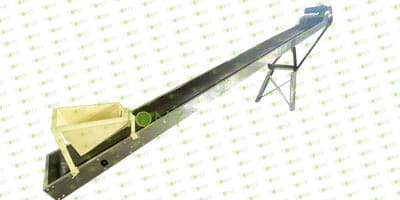 |
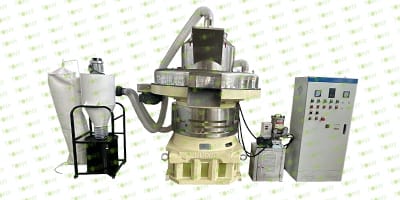
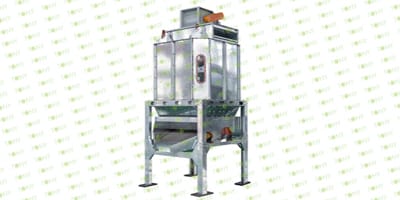
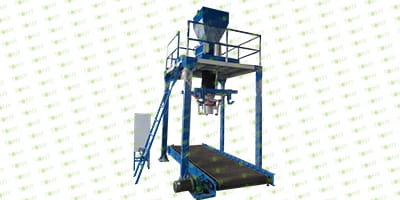
| Vertical Ring Die Pellet Machine | Galvanized Pellets Cooler | Ton Packing Machine | Belt Conveyor |
| 1.To Press Straw Dust Into 6-8mm Biomass Pellets 2.Model: TYJ860-III-280KW*20Sets 3.Capacity:4-5Ton/Hour/Set 4.New 304SS Type |
1.To Cool Pellets From 80-90℃ to 20-30℃ 2.Model:TCN-10*6Sets 3.Capacity:80-100Ton/Hour |
1.To Pack Pellets Into 1Ton/Bags. 2.Model: TBD*6Sets 3.Capacity:80-100Ton/Hour |
1.To Transport Straw Pieces,Straw Dust,Pellets. 2.Width: 80cm*56sets 3.Capacity:Designed With The Whole Line |
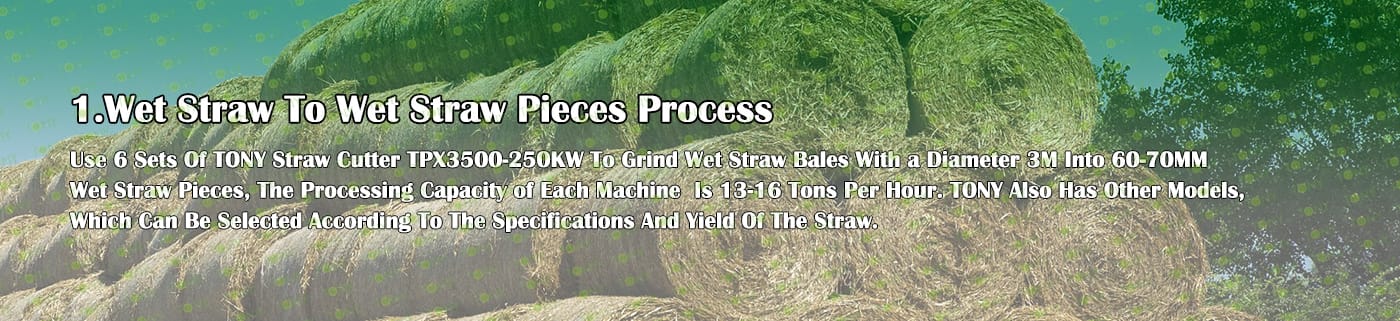
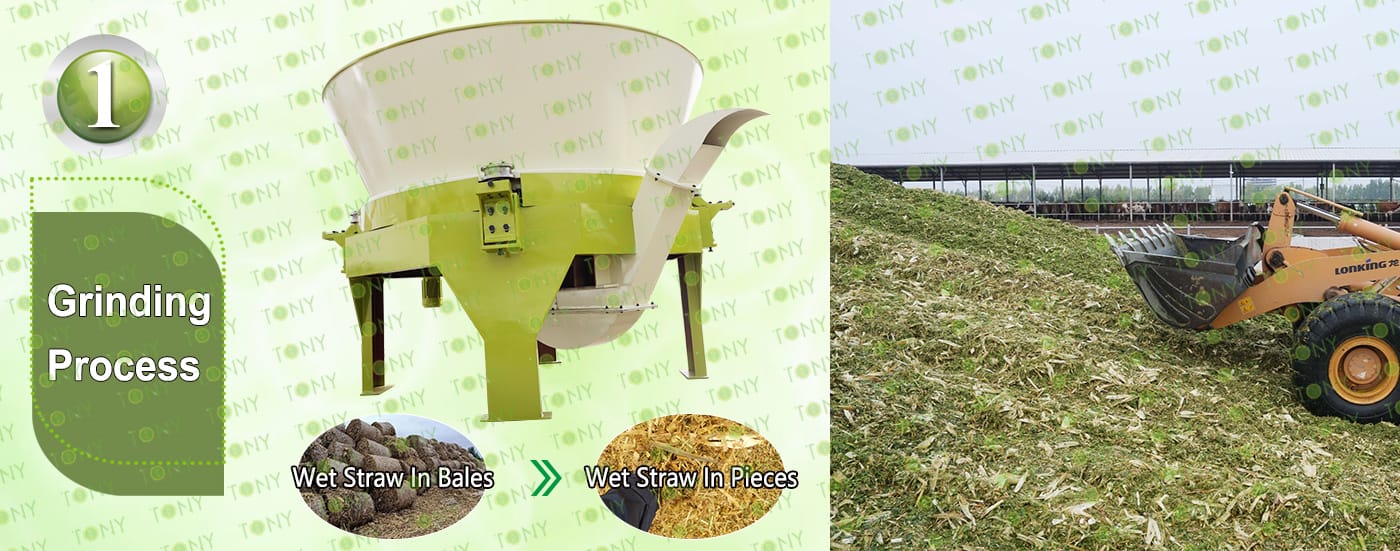
1.Grinding Process:
A.The process is mainly used to grind wet straw within 3m in diameter into wet straw pieces. The rotary cutting mode of the outer chain of the gear, the rotary cutting rotor blade is sharp, and the blade types are various, which can be rotated to cut various bales of straw with different diameters, different thicknesses, different lengths and different water contents
B.TONY brand straw cutter TPX3500-250KW models *6sets
C.Capacity:13-16Ton/Hour/Set
Main Parts:
(1)Tony's New Straw Cutter
(2)Enlarged Turntable
(3)Rotary Cutting System
(4)Drive system
(5)Electrical Cabinet.

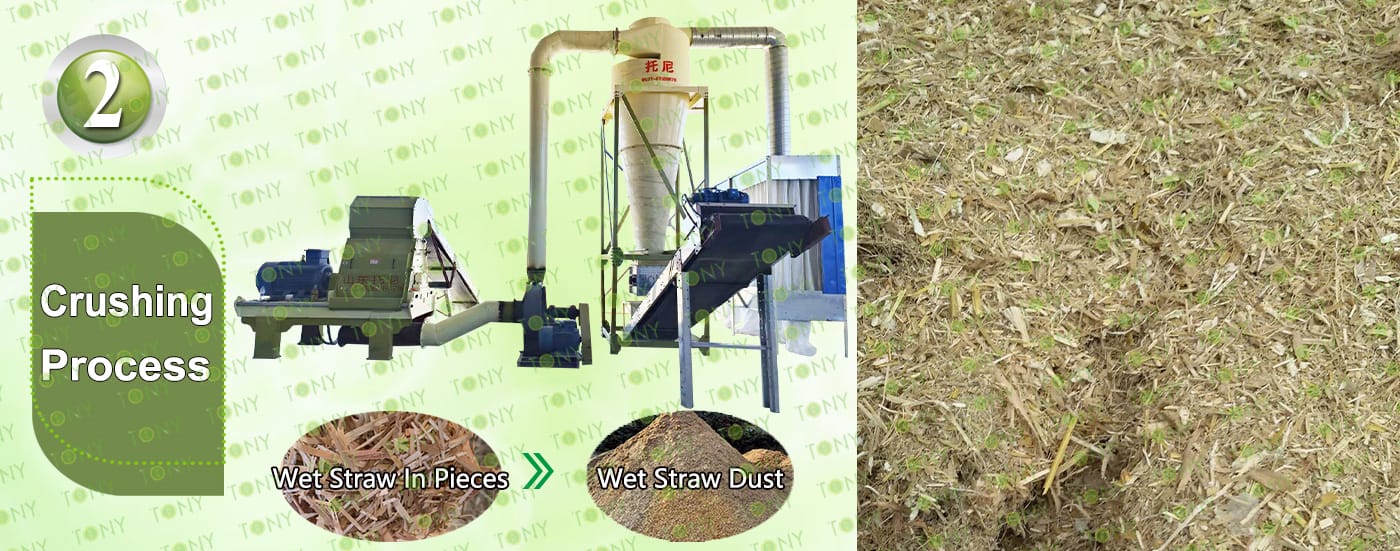
2.Fine Crushing Process:
A. The process is mainly used to crush 60-70mm wet straw pieces into 8-14mm wet straw dust.
B.TONY brand effective hammer mill TFD1600-500KW*6sets.
C.Capacity:80-100Ton/Hour.
Main parts:
(1)TONY Effective Hammer Mill
(2)Galvanized Dust Collector.
(3)Sawdust Conveying Fan.
(4)Cyclone With Airlock.
(5)Electrical Cabinet.

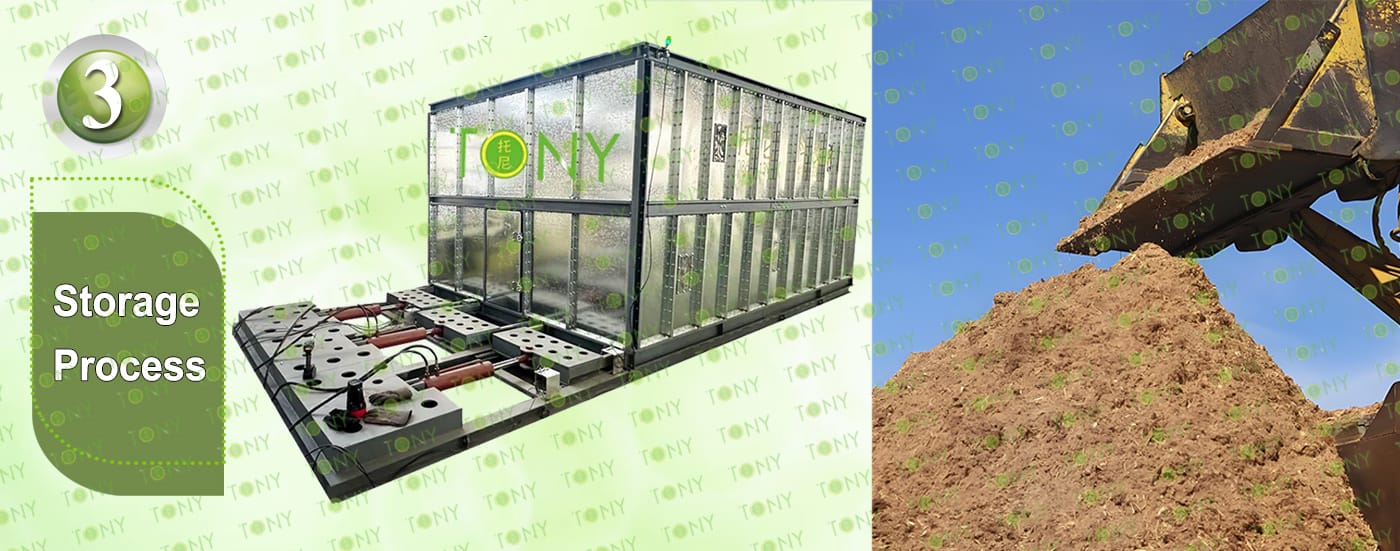
3.Straw Dust Storage Process:
A. This process is mainly used to storage the straw dust that comes out of the hammer mill.It is hydraulic galvanized storage silo which is more stable and straw dust in it is not easy to be blocked.
B.TONY Brand Large Hydraulic Storage Silo to storage the straw dust that comes out of the hammer mill.This process can be optional by customer.If customer do not chose the storage bin,he can storage the sawdust on the ground directly which may need some labour.
Main Parts:
(1)TONY's New Large Hydraulic Storage Silo.
(2)With Screws Inside the Storage Bin to Prevent Straw Dust Blocked.
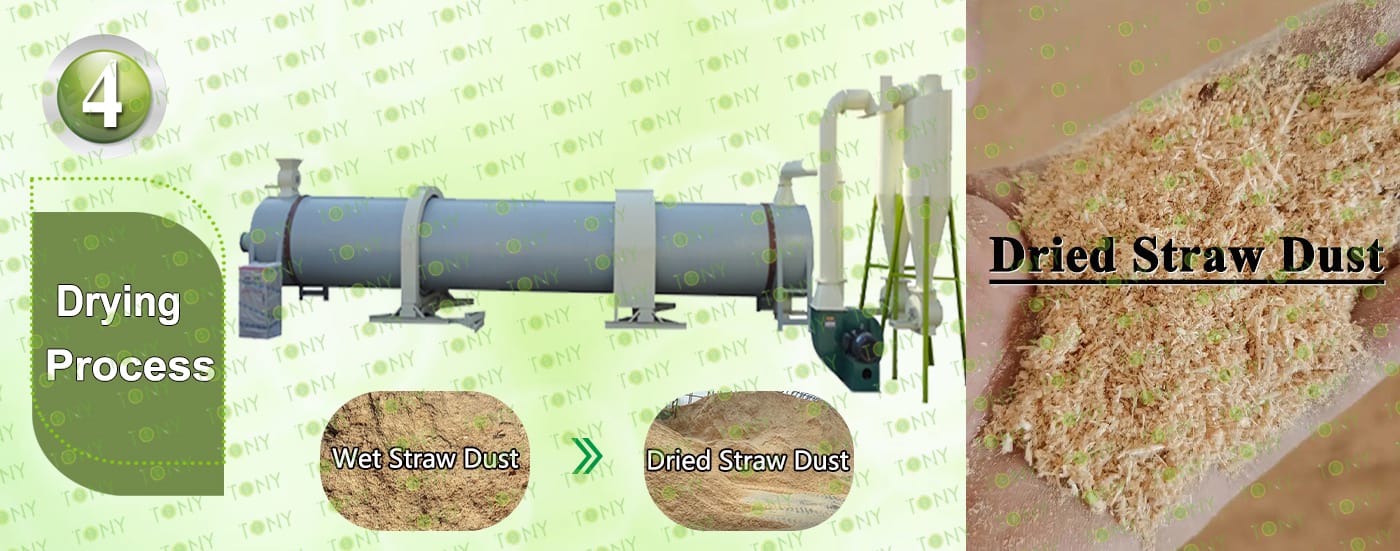
4.Drying Process:
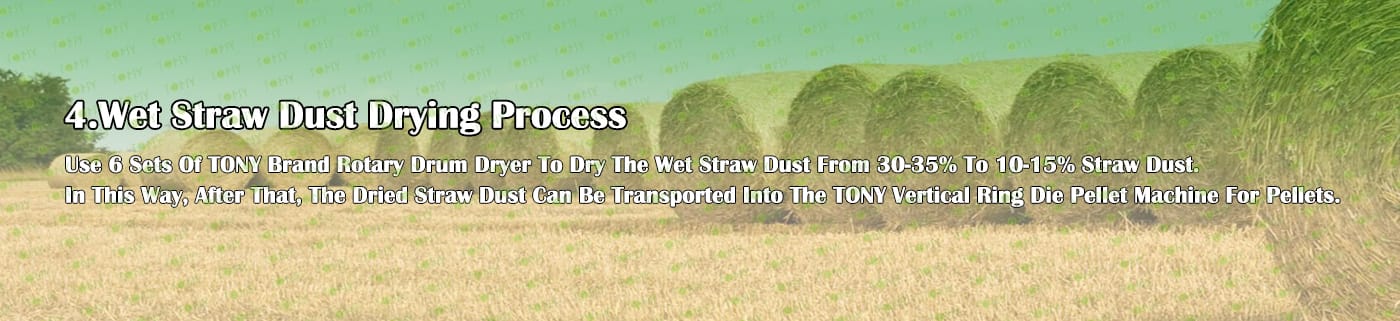
A.This process is mainly used to dry the straw dust from 30-35% to 10-15%.
B.Capacity:80-100Ton/Hour.
C.TONY use 6 sets of 3.5*28m rotary drum dryer for this process,TONY hot stove is made of firebrick pan, shell with H steel plate as the frame. There are 3 layers of fire blocking device inside, which can effectively prevent the fire from entering the tumble dryer.Customers can choose to use waste wood, biomass pellets, natural gas, etc. as fuel for the hot air furnace
TONY dryer use spiral tube material, and is not easy to deform.Unlike other manufacturers with iron plate splicing welding, very easy to deformation.
Main Parts:
(1)TONY's Rotary Drum Dryer Main Body.(Reducers With Motors and Pips)
(2)TONY's Hot Stove.
(3)Fan Blower+Cyclone With Airlock.

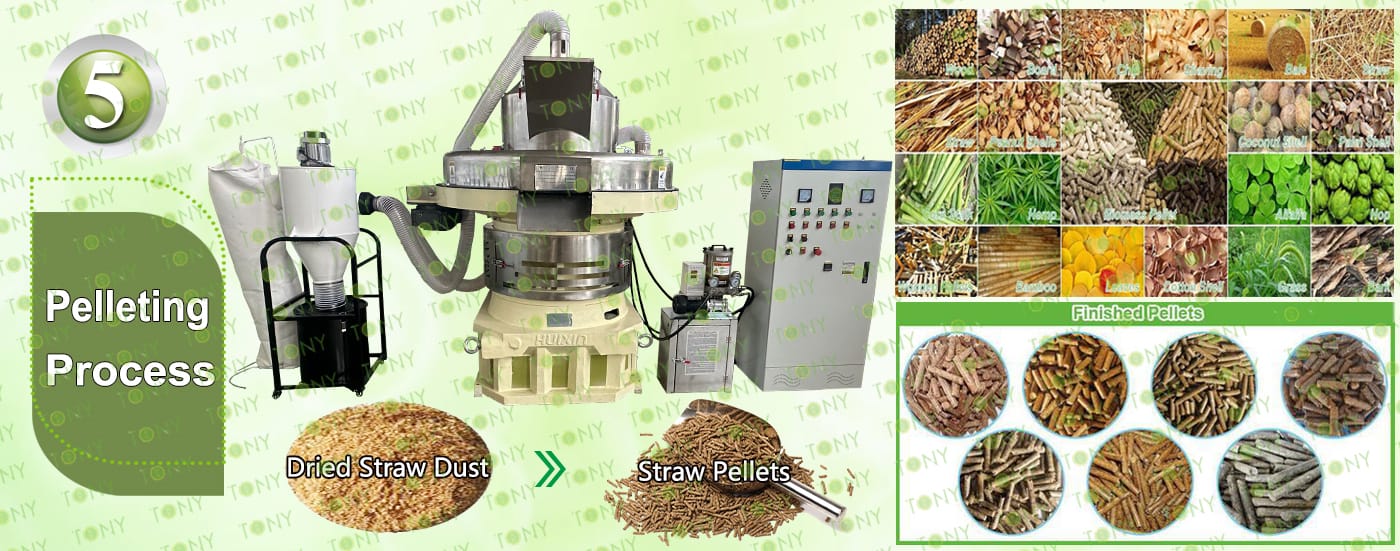
5.Pelletizing Process:
A.This process is mainly used to products pellets with φ6-8mm.
B.TONY brand vertical ring die pellet machine TYJ860-Ⅲ-280KW*20sets
C. Capacity:80-100Ton/Hour.
D.Double Screw Cycling Silo is added above the pellet machine, which has the advantages of saving space, saving labor, intelligently controlling the feeding speed, not easy to block the material, and improving production efficiency.
Main Parts:
(1)TONY New Vertical Ring Die Pellet Machine.
(2)Cyclone And Bags Dust Collectors.
(3)Bearings Automatic Lubrication System.
(4)Electrical Cabinets.
For more equipment details and information, you can contact TONY

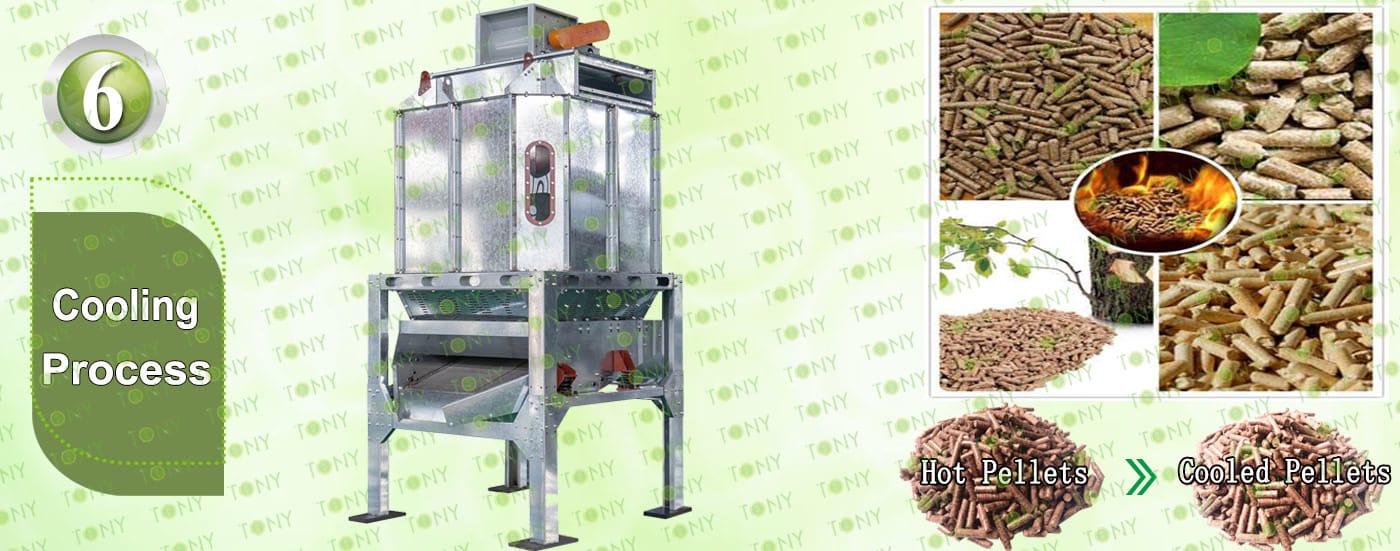
6.Cooling Process:
A.This process is mainly used to cool pellets from 80-90℃ to 20-30℃
B.TONY brand galvanized pellets cooler*4sets
C.Capacity:80-100Ton/Hour.
Main Parts:
(1)TONY's new Galvanized Pellets Cooler Separator With Vibrating Screen.
(2)Cyclone and bags dust collectors.
(3)Fan Blower.
(4)Connect Pipes.

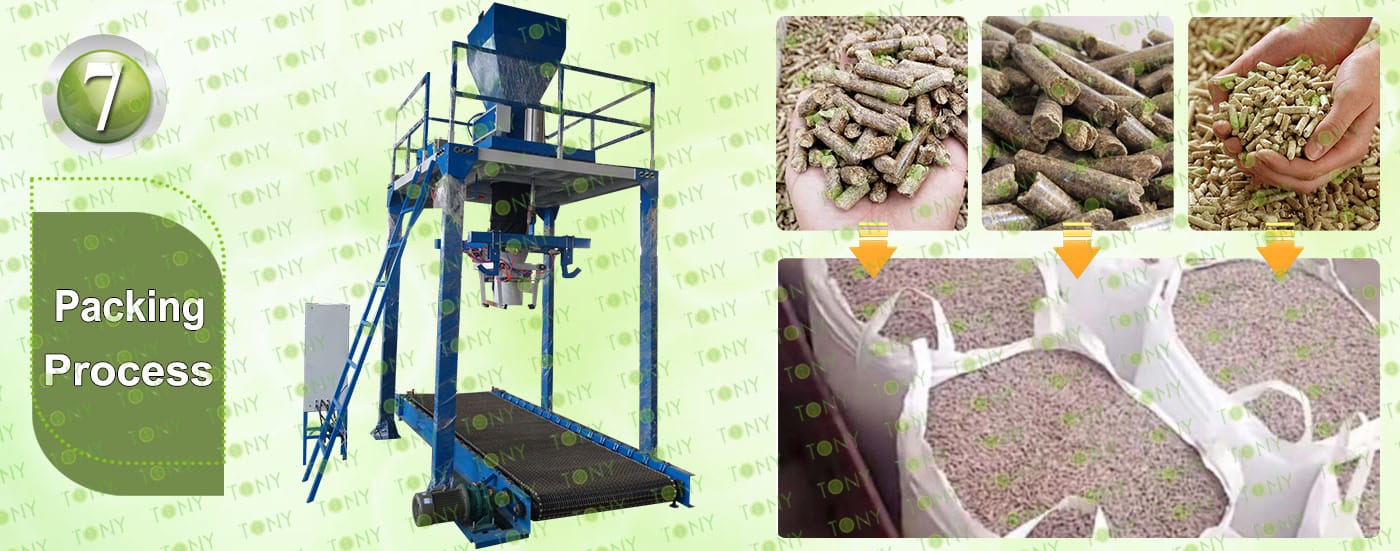
7.Packing Process:
A.This process is mainly used to pack pellets into 1Ton/Bags.
B.TONY brand ton packing machine*4sets
C.Capacity:80-100Ton/Hour.
Main Parts:
(1)TONY Ton Packing Machine
(2)Electronic Platform Scale Metering System
(3)Automatic Tare, Zero, and Drop Correction Functions
(4)Feeding System Features Fast, Medium, and Slow Feeding Speeds to Ensure Measuring Accuracy

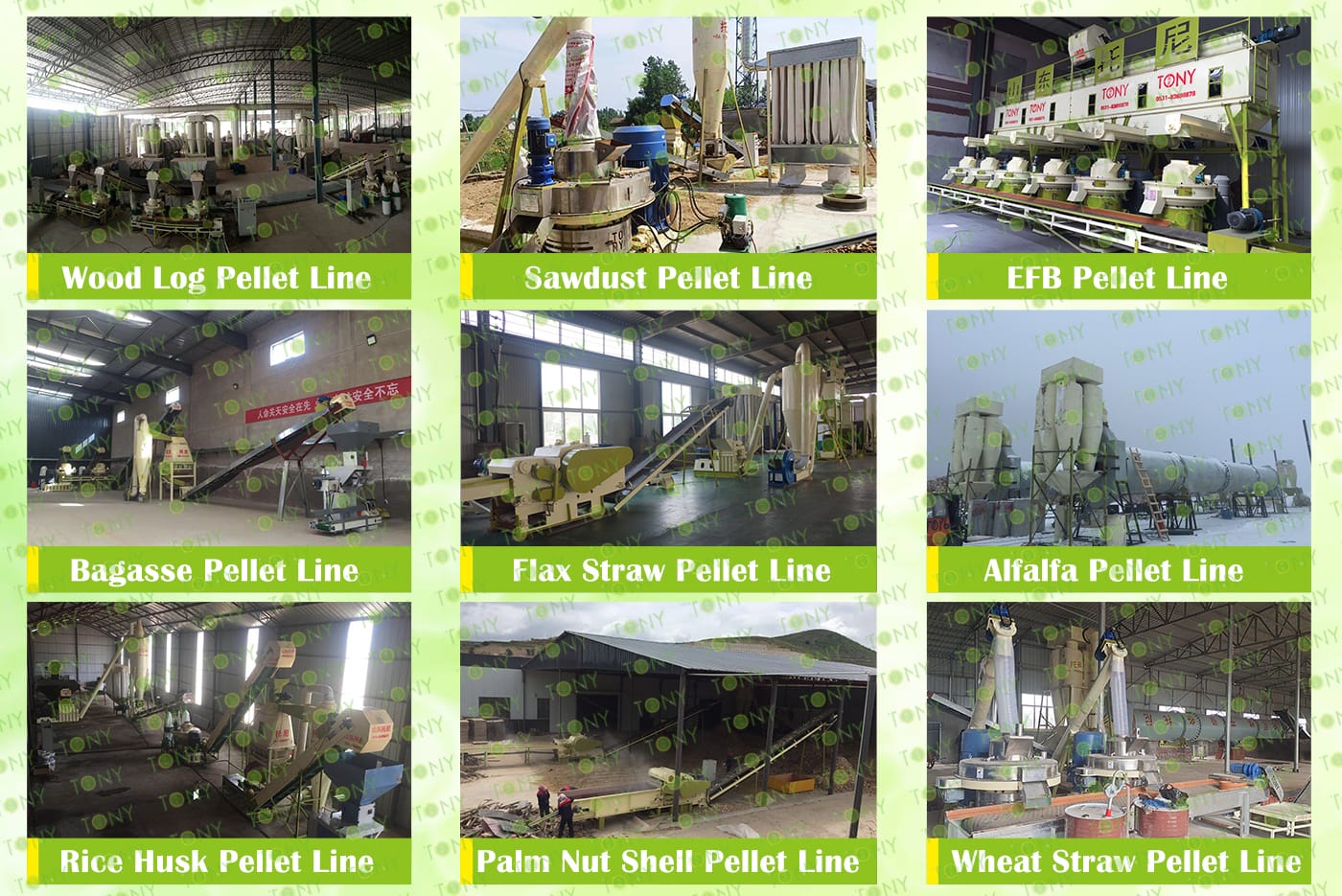
Operation and marketing of the project of processing wet straw into biomass pellets
1.Production operation: control cost and quality
The core of the production process is to balance "pellet quality" and "operating cost" to avoid losses due to improper operation.
(1)Cost control:The energy consumption of the drying process accounts for 40%-50% of the total energy consumption. It can be equipped with a biomass burner (using crushed materials or unqualified pellets as fuel) to reduce drying costs; in terms of labor, a medium-sized production line can be equipped with 3-5 people (responsible for raw material acceptance, equipment inspection, and finished product packaging) to reduce labor expenses.
(2)Quality control:Strictly control the moisture content of the straw after drying to 10%-15% (too high moisture content will cause the pellets to break easily, too low moisture content will cause high energy consumption), maintain the molding pressure at 30-100MPa, ensure that the pellet density is ≥1.1g/cm³ and the length is 5-15mm, which meets the industrial fuel procurement standards.
2.Marketing: Clearly define the profit outlet
Sales are the key to project profitability. Target customers must be locked in advance to avoid backlog of finished products.
(1)Core customer types:Local industrial enterprises: such as food factories, building materials factories, and livestock farms, which use biomass pellets as a boiler fuel to replace coal and can sign long-term supply agreements (usually settled on a quarterly or annual basis). Biomass power plants/heating companies: These customers purchase in large quantities but have high requirements for pellet quality. They need to submit samples for inspection in advance to be included in the supplier list. Farmers/small users: They sell to surrounding farmers for home heating or cooking. They can adopt a "bag retail" model to increase local market penetration.
(2)Pricing strategy:Based on local coal and natural gas prices, the price of pellets is usually 80%-90% of coal, ensuring price advantages while reserving a 15%-20% gross profit margin.

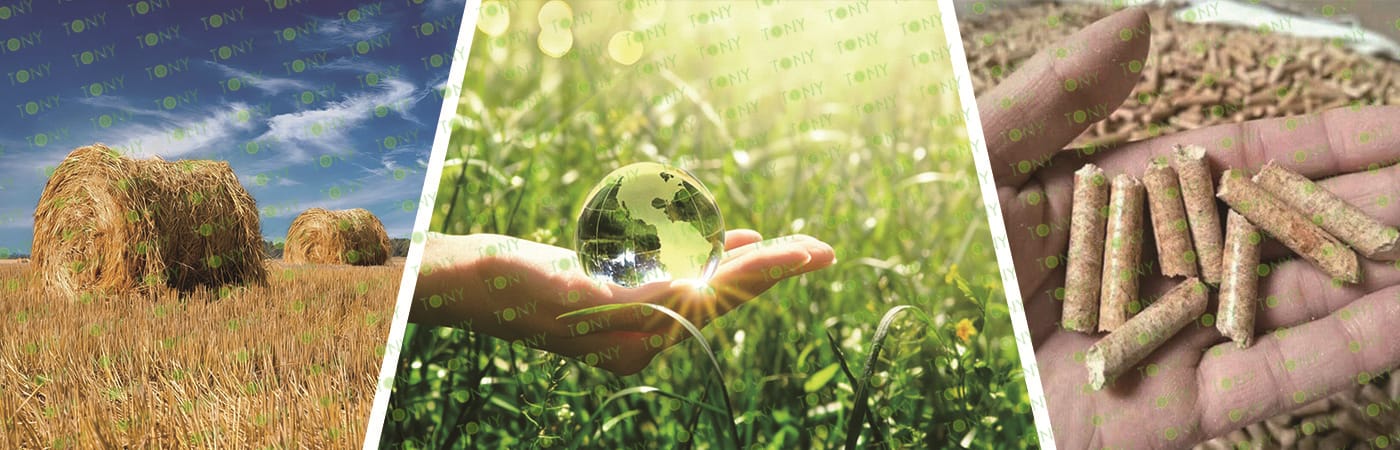
The core advantage of straw biomass pellet feed lies in its ability to transform low-value straw into a highly effective feed for ruminants (cattle and sheep) through nutritional optimization, improved physical form, and ease of use. This simultaneously addresses the three core requirements of reduced breeding costs, stable feed quality, and improved breeding efficiency.
1.Nutritional Advantage:
Good palatability and balanced nutrition increase livestock and poultry feed intake and growth efficiency.
This is the core value that distinguishes pellet feed from traditional loose straw, directly addressing the issues of straw being "unpalatable and nutritionally poor."
2.Physical and Storage Advantage:
Easy to store and transport, reducing losses and costs on the farm side.
The pellet form fundamentally addresses the challenges of traditional straw feed, namely, difficult storage and expensive transportation, significantly reducing back-end costs for farms.
3.Usage Advantage:
Convenient operation and strong controllability reduce labor and management costs.
The simplified use of pellet feed significantly reduces farm labor and management complexity.
4.Economic and Resource Advantages:
Low cost and resource recycling meet the aquaculture industry's need for cost reduction.
From raw material costs to resource utilization, pellet feed offers significant economic advantages, meeting the current aquaculture industry's core need for cost reduction and efficiency improvement.



2025 Tony Machinery - All Rights Reserved. Map