




















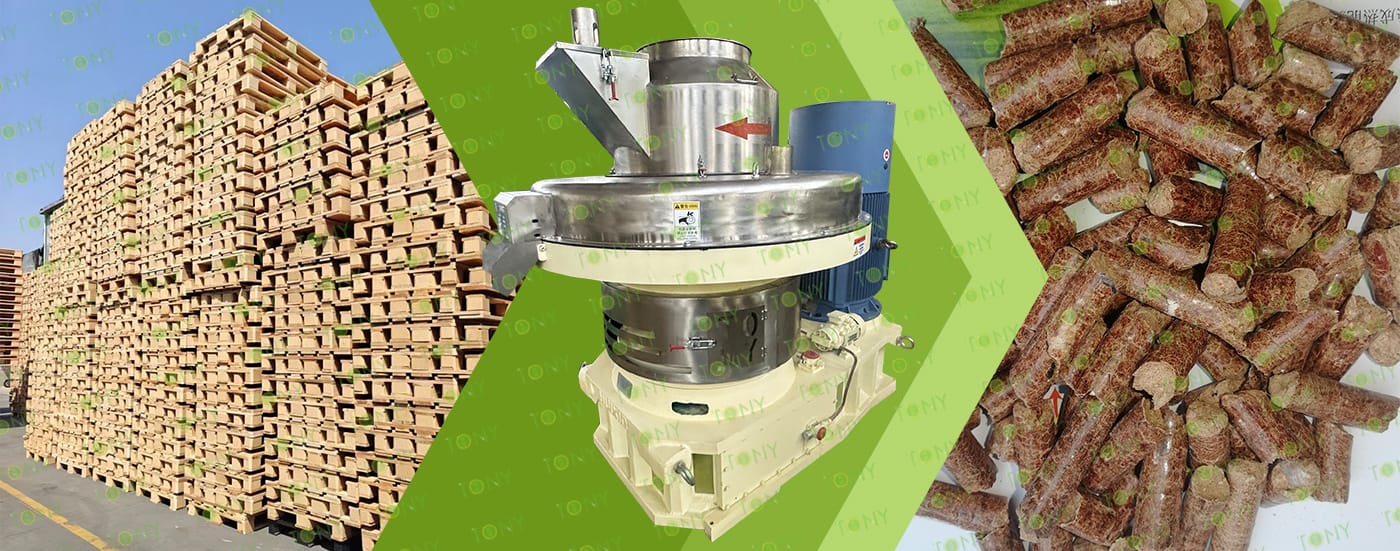
1.The working principle of wet wood pallets biomass pellet processing equipment
The core equipment in pallet pellet processing is the biomass ring die pelletizer, which utilizes a combination of mechanical extrusion, frictional heating, and fiber self-bonding. The specific process is as follows:
During the extrusion process, rollers exert a pressure of up to 50-150 MPa on the powder, forcing it from its loose state (density 0.15-0.3 g/cm³) into the die's forming hole, forming a cylindrical column.
As the powder moves through the hole, it creates intense friction with the hole walls. Frictional heating raises the column temperature to 100-120°C, completely melting the softened lignin and hemicellulose, forming a natural adhesive that tightly binds the surrounding wood fiber particles together.
At the same time, the high temperature and pressure also remove some free moisture from the material (reducing the final pellet moisture content to 10%-15%) and rearranges the wood fiber structure, forming a high-density, high-strength column (density increased to 0.8-1.2 g/cm³).
2.Characteristics of wet wood pallets biomass pellet processing equipment
(1)Multiple Models to Meet Different Production Needs
As the core equipment, the wood pallet pellet machine offers a variety of models, allowing for flexible selection based on production volume and improved efficiency.
(2)Complete Production Line Compatibility
Wood pallet pretreatment equipment and pelletizing equipment complete the production line. For example, if pellet processing requires a raw material moisture content below 10%, the wet raw material must be pre-treated in a dryer to ensure the quality of the wood pallet pellets.
(3)Versatile Processing Adaptability
Wood pallets of varying specifications can be crushed and pelletized to meet diverse production needs.
(4) High-Precision CNC System
The electronic control system utilizes PLC control and automated operation via a touchscreen, achieving high precision and significantly reducing manual error.
(5) Durable Structural Design
TONY's processing equipment is sturdy and non-deformable; the support structure ensures long-term stable operation and extended service life.
3.Application scenarios of wet wood pallets biomass pellet processing equipment
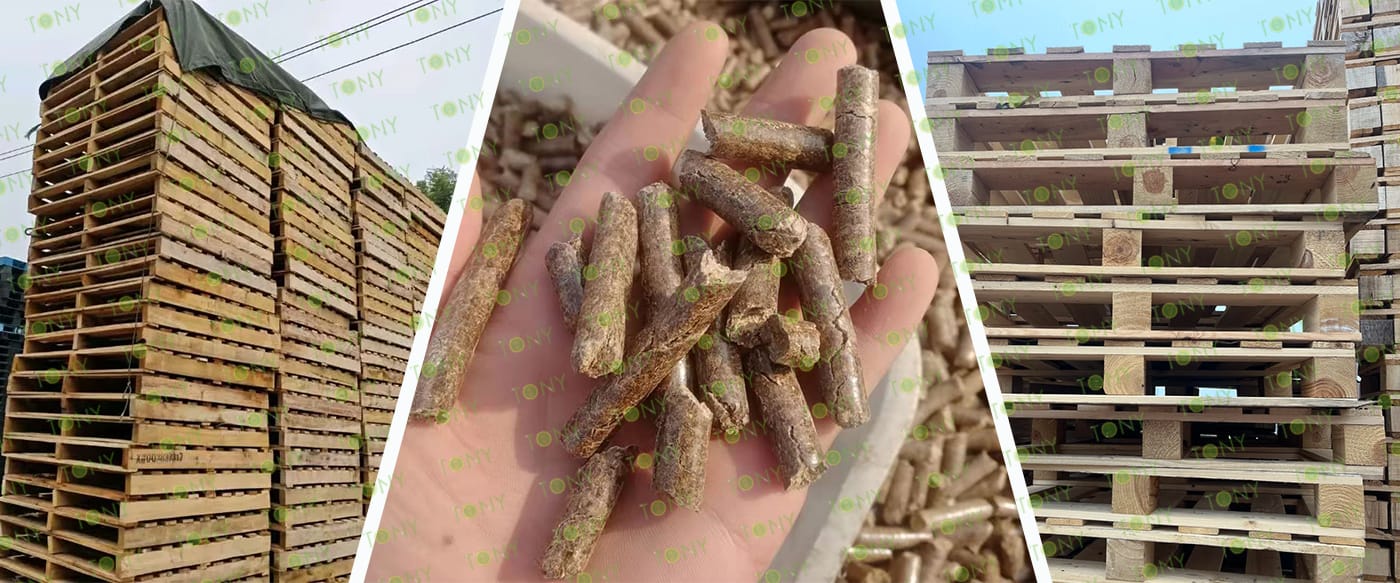
Wood pallet pellets are processed through crushing, drying, extrusion molding and other processes. Waste wood pallets are processed into pellet fuel or recycled materials to achieve resource recycling.
Equipment applicable industries and user groups
(1)Wood processing and furniture manufacturing
Processing wood pallet scraps and sawdust generated during the production process, converting them into internal energy or pellet fuel for export.
(2)Biomass energy companies
Using wood pallets and other wood waste as raw materials, large-scale production of pellet fuel is carried out to supply power plants or industrial boilers.
(3)Environmental recycling companies
The equipment realizes the resource processing of waste wood pallets, meets the needs of sustainable development, and reduces the environmental pressure caused by landfill or incineration

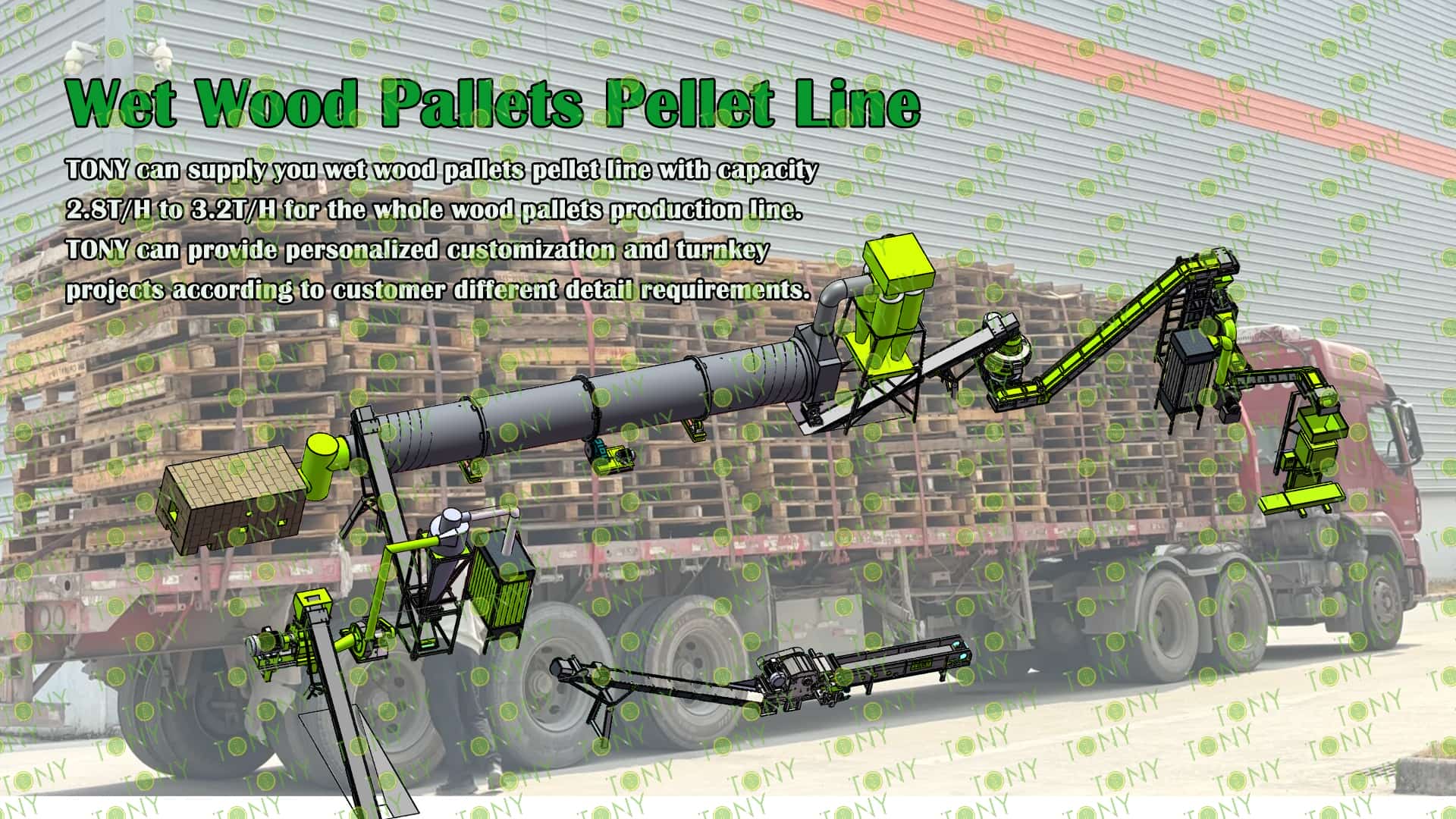
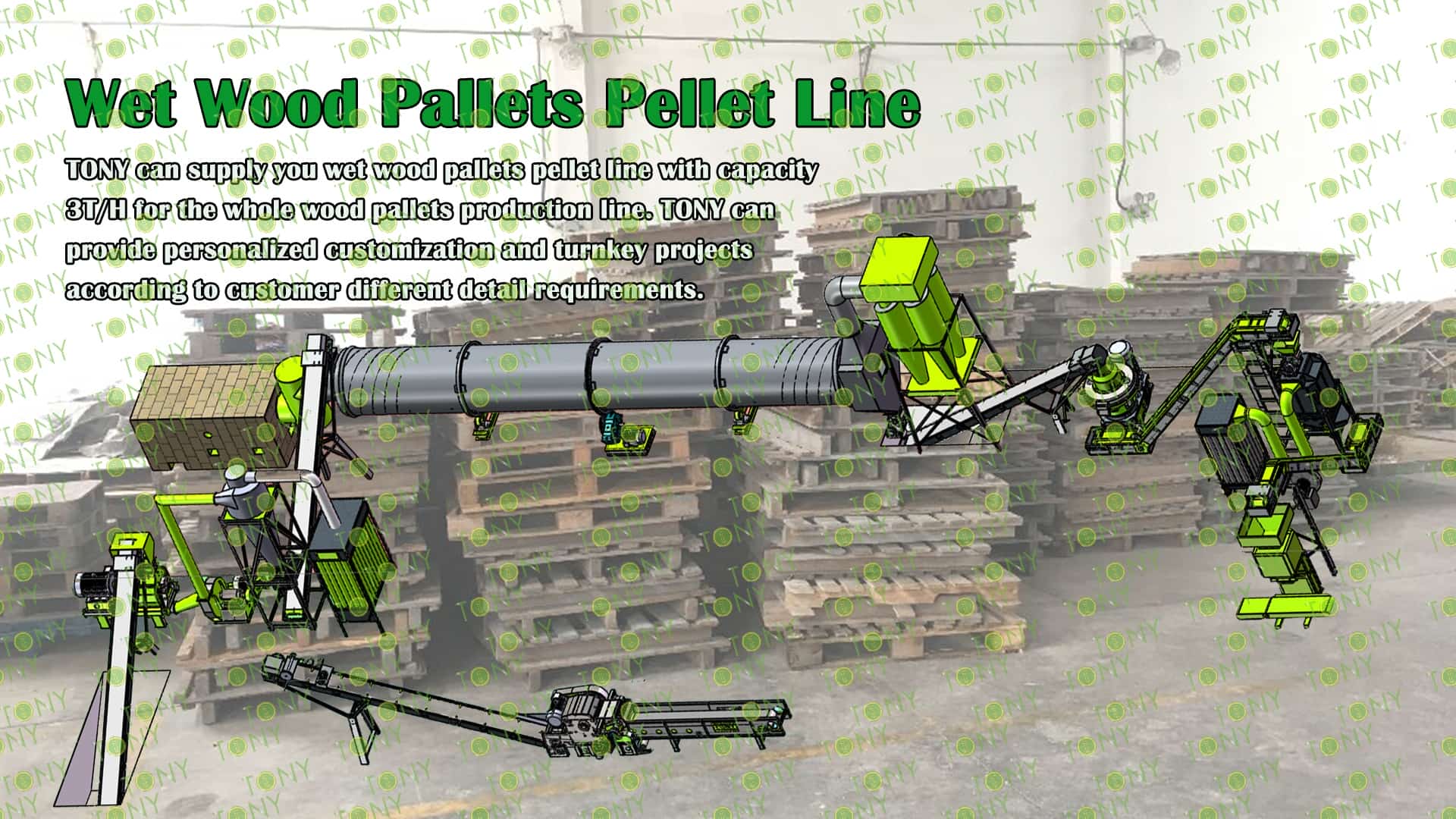
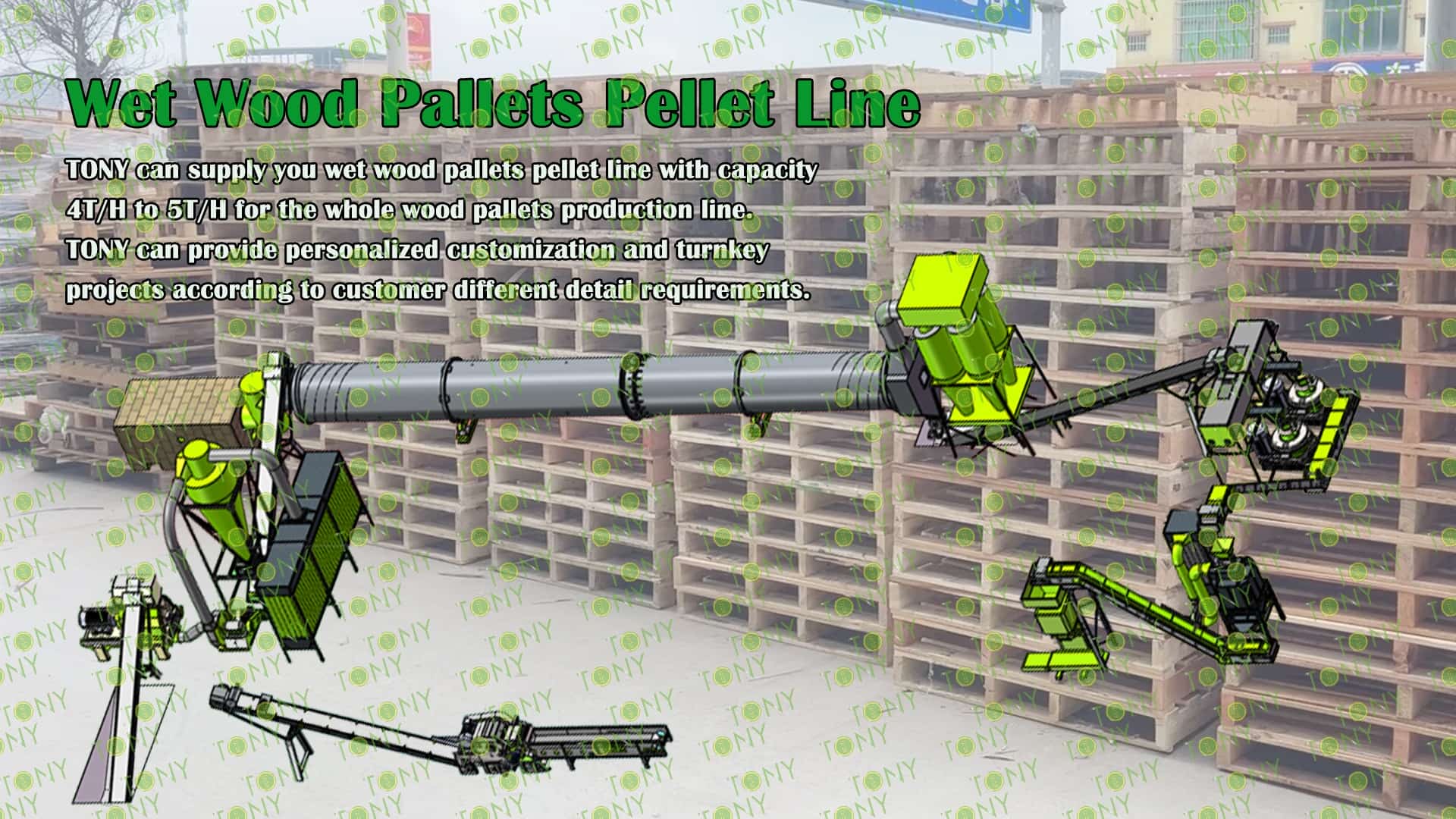
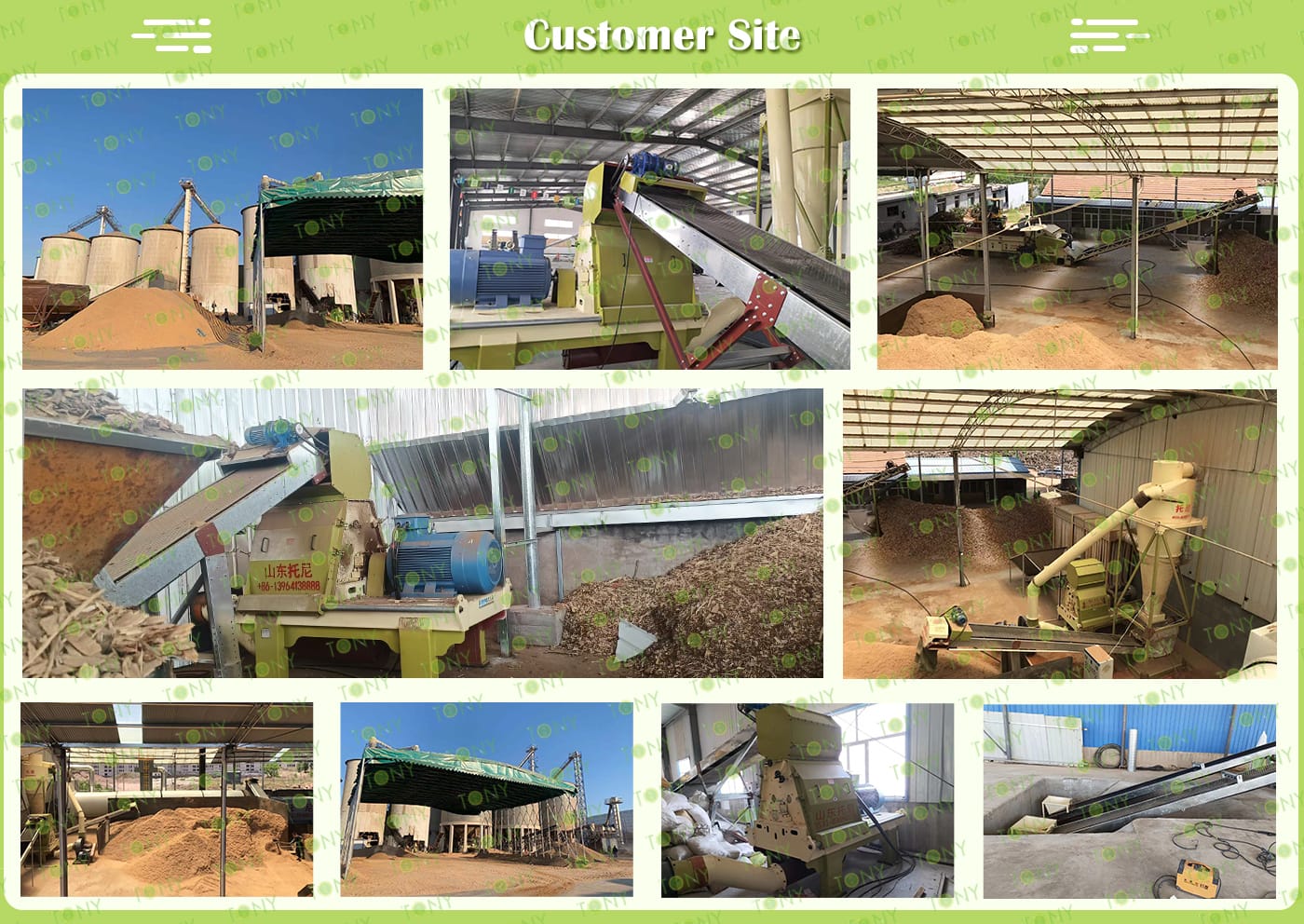
TONY Brand 28-35Ton/Hour Wet Wood Pallets Pellet Manufacturing Plant can take wet wood pallets, various types of wood - related biomass materials, such as branches, small - diameter logs, and wood shavings, with wet wood as the main raw material. After pretreatment and processing, it is solidified into high - density wood pellet fuel. This fuel is an ideal substitute for coal and oil and plays a role in energy conservation and emission reduction. At present, it has been widely used in regions rich in wood resources.
1. Capacity: 28-35Ton/Hour
2. Raw materials: Wet wood pallets
3. Moisture: Wet type, about 40%.
4. Application: All kinds of waste wood pallets or more waste wood raw materials
Suitable customers: Logistics and warehousing companies, various manufacturing plants, ports and airports, construction sites, large supermarkets and shopping malls, and other places where waste wood pallets have advantages
5. Finished Pellets Markets: Large power plants ,domestic heating, industrial heating, combustion heat, heating systems, boiler rooms, school canteens, foundry heat sources.


1. Project Name: Wet Wood Pallets Pellet Production Line
2. Raw Material: All kinds of wet wood pallets
3. Moisture Content of Raw Material: 40%
4. Capacity: 28-35 tons per hour
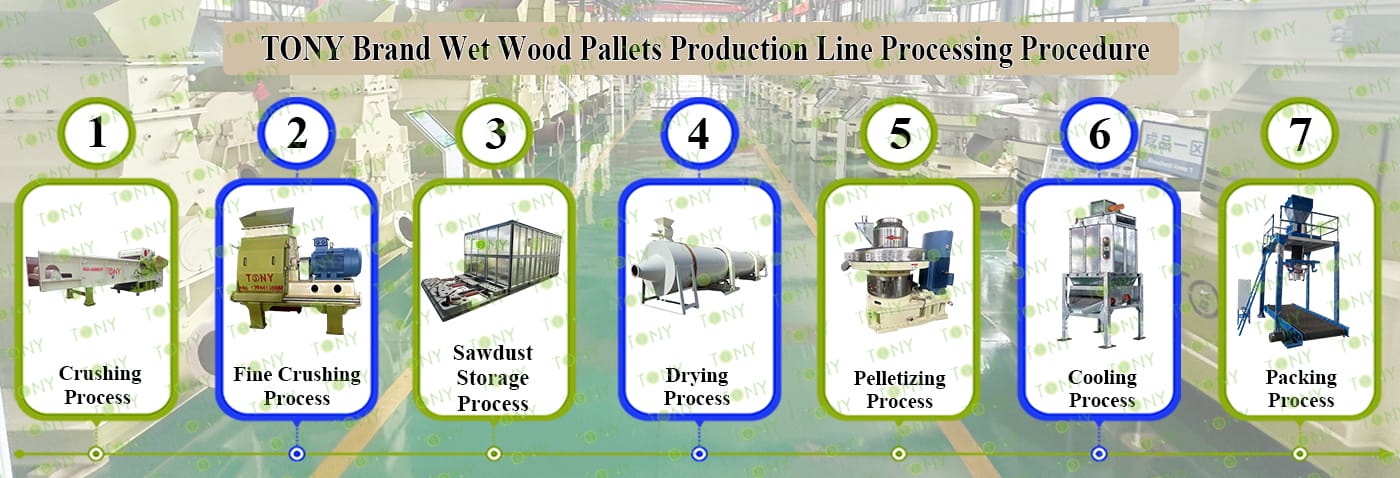
5. Process: Crushing Process - Fine Crushing Process -Sawdust Storage Process- Drying Process - Pelletizing Process - Cooling Process - Packing Process
6. Main Equipment: Comprehensive Chipper TPC1400-700-250KW, Effective Hammer Mill-TFD85*250-250KW, TONY Large Hydraulic Storage Silo,Rotary Drum Dryer-2.2*24m, TONY Pellet Machine TYJ860 - Ⅲ - 280kw, Pellet Cooler, Ton Packing Machine and Belt Conveyors

|
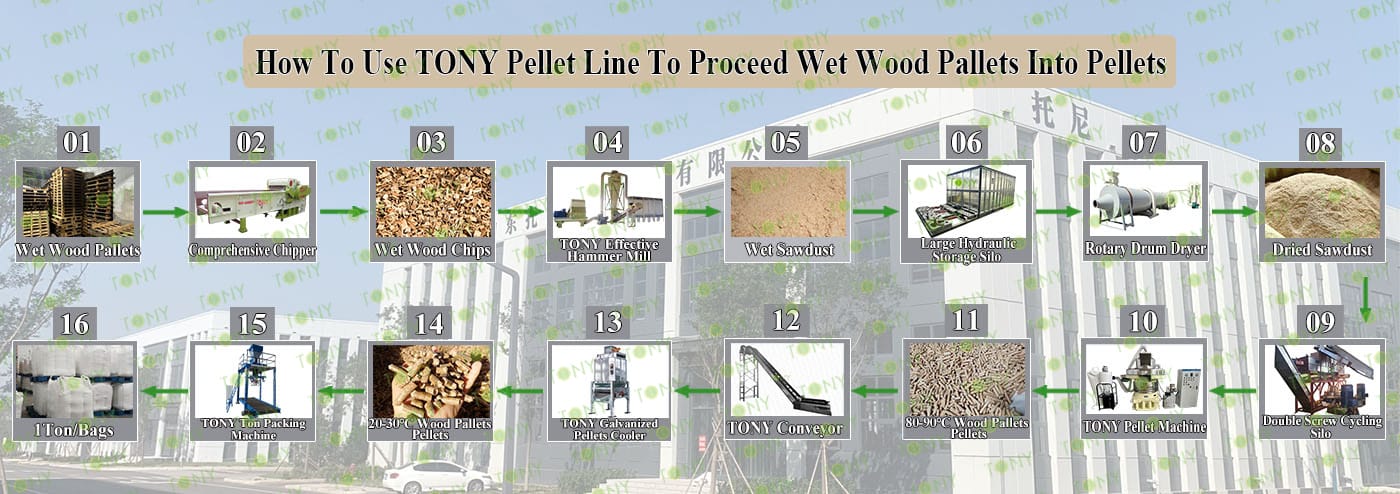
How to use the TONY pellet production line to make pellets from wet wood pallets? The process mainly includes the following steps and equipment: 1. Use TONY comprehensive chipper to grind wet wood pallets with width 1.4m into wood chips 25 - 55 mm in length. 2. Use TONY effective hammer mill to crush the 25-55 mm wood chips into 8-14 mm sawdust. 3.Use TONY large hydraulic storage silo to storage 8-14 mm sawdust 4. Use TONY rotary drum dryer to dry the sawdust with a 40% moisture content down to a moisture content of 10%-15%. 5. Use TONY vertical ring die pellet machine to produce pellets with a diameter of 6-8 mm. 6. Use TONY galvanized cooler to cool the pellets from 80-90°C to 20-30°C. 7. Use TONY ton packing machine to pack the pellets into bags, each weighing 1 ton. For more detailed information and quotations, you can contact TONY. TONY can provide all the above - mentioned products at highly competitive prices and with excellent quality. |
|
|||||||||||||||||||||||||||||||||||||||||||||||||||||||

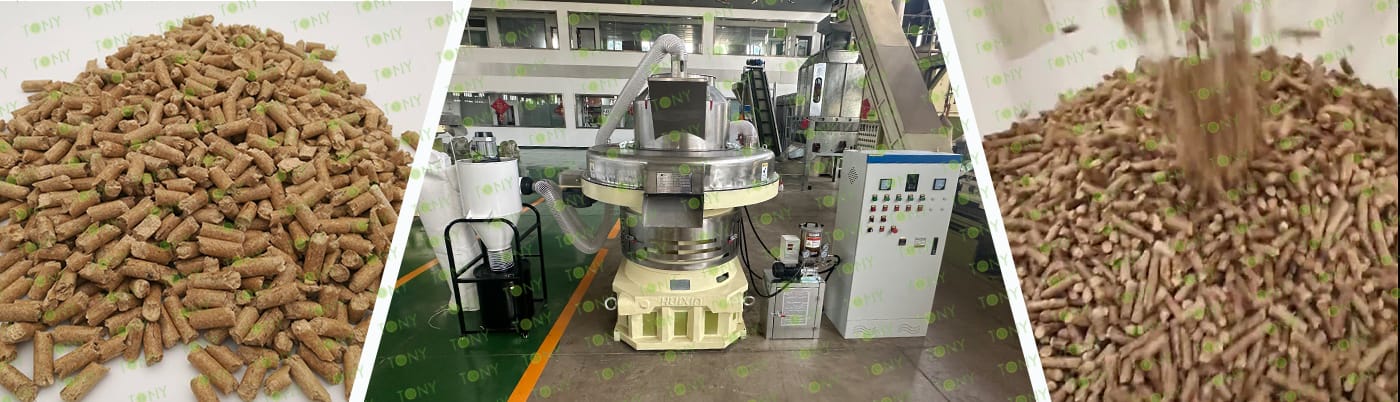
| Next, TONY Will Introduce To You All The Necessary Machinery That Will Be Used For The Whole Pellet Production Line. Some Machines Can Be Custom - Made By Customers According To Different Customers' Detailed Demands. Contact TONY For More Details, Including Quotation And Layout. | |||
 |
 |
 |
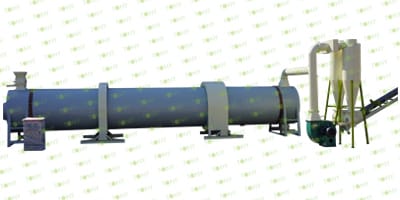 |
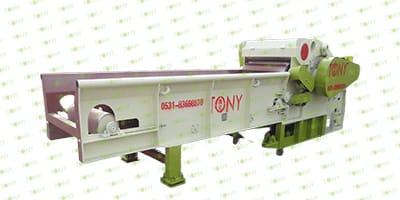
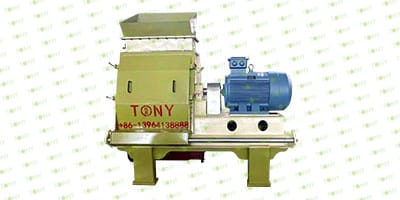
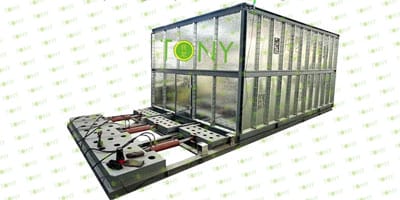
| Comprehensive Chipper | Effective Hammer Mill | Large Hydraulic Storage Silo | Rotary Drum Dryer |
| 1.To Grind Wood pallets Width ≤1.4m Into25-55mm Wood Chips. 2.Model: TPC1400-700-250KW With 24 Hammer Heads*2sets 3.Capacity: 28-35 Ton/Hour. |
1.To Crush 25-55mm Wood Chips Into 8-14mm Sawdust. 2.Model: TFD85*250-250kw*5sets 3.Capacity: 5.5-7Ton/Hour/Set |
1.To Storage Sawdust Before Dryer Control Sawdust Flow Entering The Dryer Model: TCY-30*2sets 2.TONY Uses Galvanized Material |
1.To Dry The 40% Sawdust Into 10-15% Sawdust. 2.Model: THGD2.2*24*5sets 3.Capacity:5.5-7Ton/Hour/Set |
 |
 |
 |
 |
| Vertical Ring Die Sawdust Pellet Machine | Galvanized Pellets Cooler | Ton Packing Machine | Belt Conveyor |
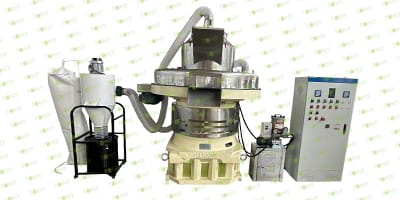
| 1.To Press Dry Sawdust Into 6-8mm Biomass Pellets 2.Model: TYJ860-III-280KW*7sets 3.Capacity:4-5Ton/Hour/Set 4.New 304SS Type |
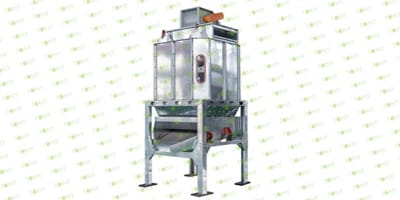
1.To Cool Pellets From 80-90℃ Into 20-30℃ 2.Model: TCN-10*2sets 3.Capacity:28-35Ton/Hour |
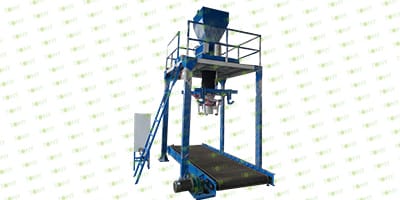
1.To Pack Pellets Into 1 Ton/Bags. 2.Model: TBD* 2sets 3.Capacity: 28-35 Ton/Hour |
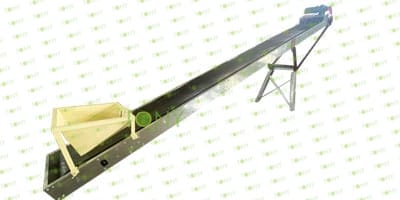
1.To Transport Wood Chips,Sawdust,Pellets. |

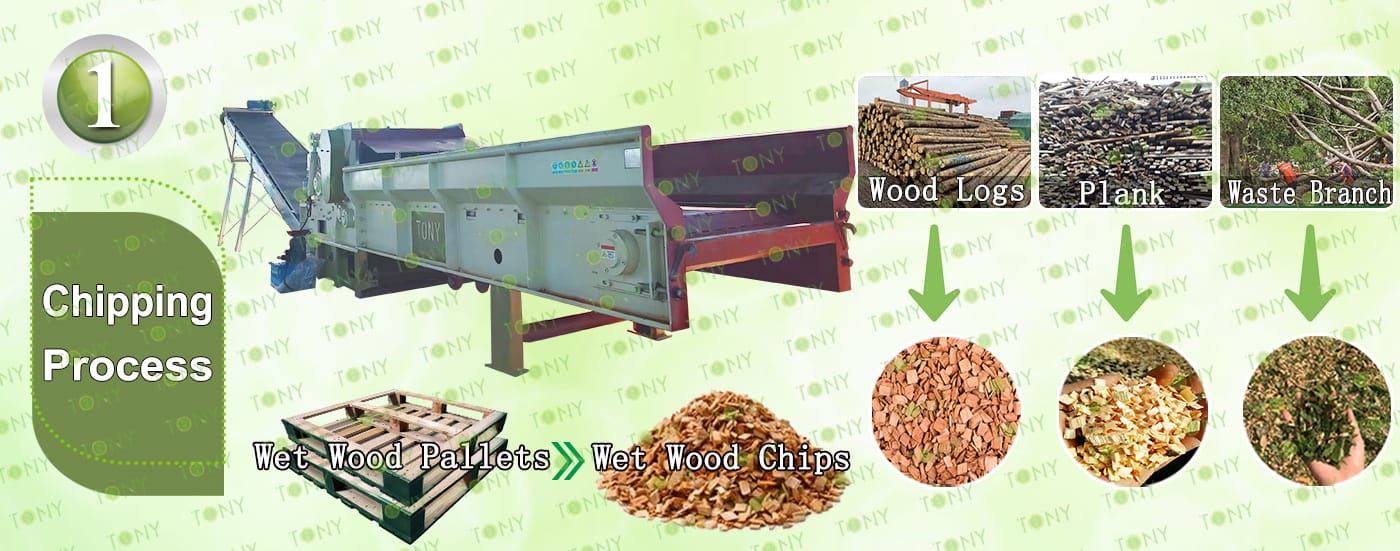
1.Wood Chipping Process:
A. This process is mainly used to grind wooden pallets with nails less than 1.4 m in width into wood chips with a size of 25-55 mm. The final size of the wood chips can be adjusted by replacing the screen with different sizes and replacing or adjusting the hammer heads with different specifications.
B.TONY Brand comprehensive chipper TPC1400-700-250kw model with 24 hammer heads*2sets
C.Capacity:28-35Ton/Hour.
Main Parts:
(1)TONY's Comprehensive Chipper.
(2)Feed And Discharge Belt Frequency Control To Prevent Card Material
(3)Hydraulic System Control Can Be Used For Thicker Materials
(4)Electronic Control System Allows The Equipment To Be Used Normally
Contact Tony For More Details With Quotation

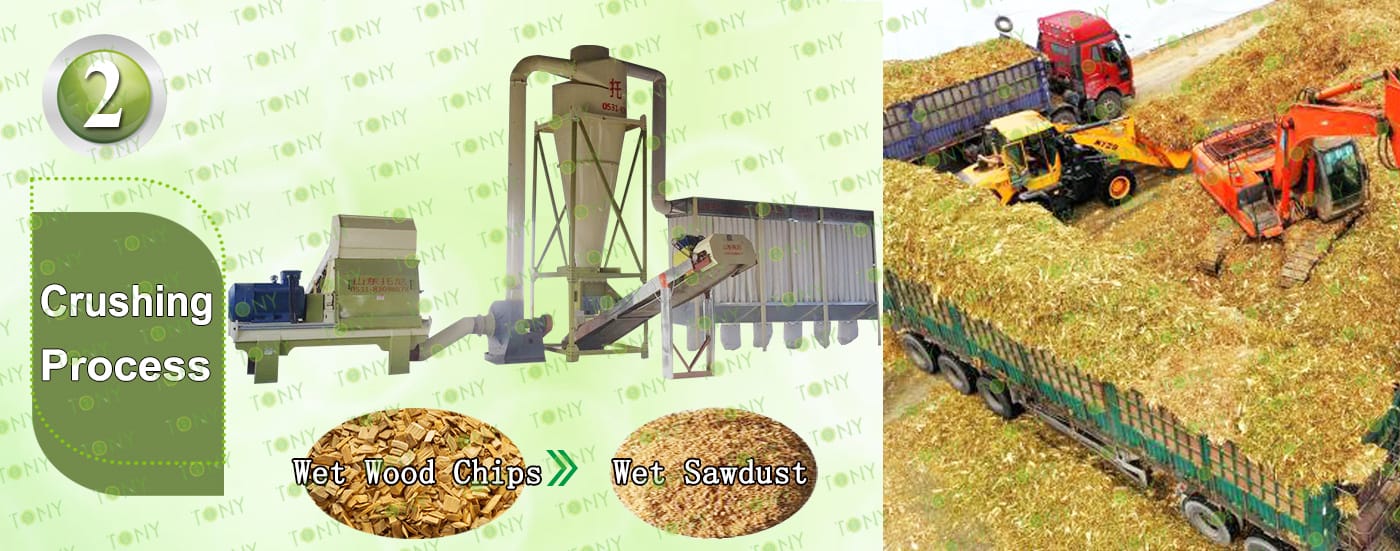
2.Wood Chips Fine Crushing Process:
A.This process is mainly used to crush 25-55mm wood chips into 8-14mm sawdust.
B.Capacity:28-35Ton/Hour.
C.TONY brand effective hammer mill TFD85*250-250KW*5sets
Main Parts:
(1)TONY Effective Hammer Mill.
(2)Galvanized Dust Collector.
(3)Sawdust Transportation Fan Blower.
(4)Cyclone With Airlock.
(5)Electrical Cabinets.
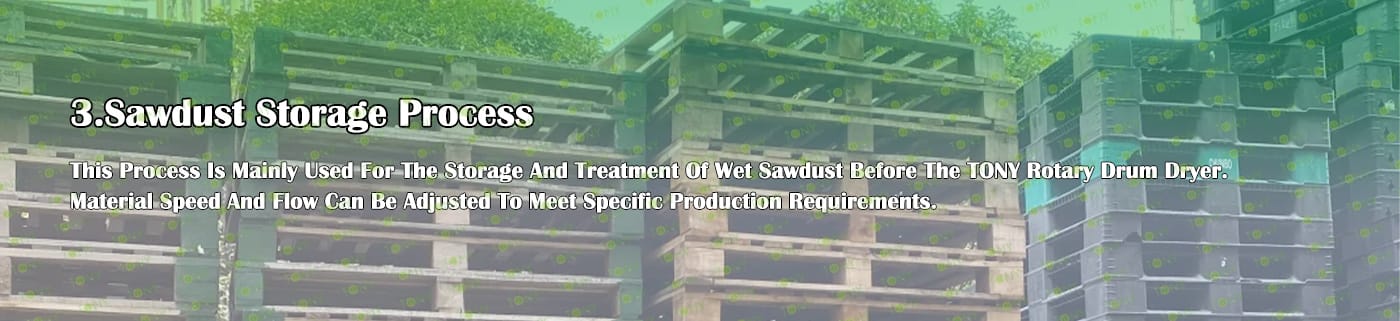
3.Sawdust Storage Process:
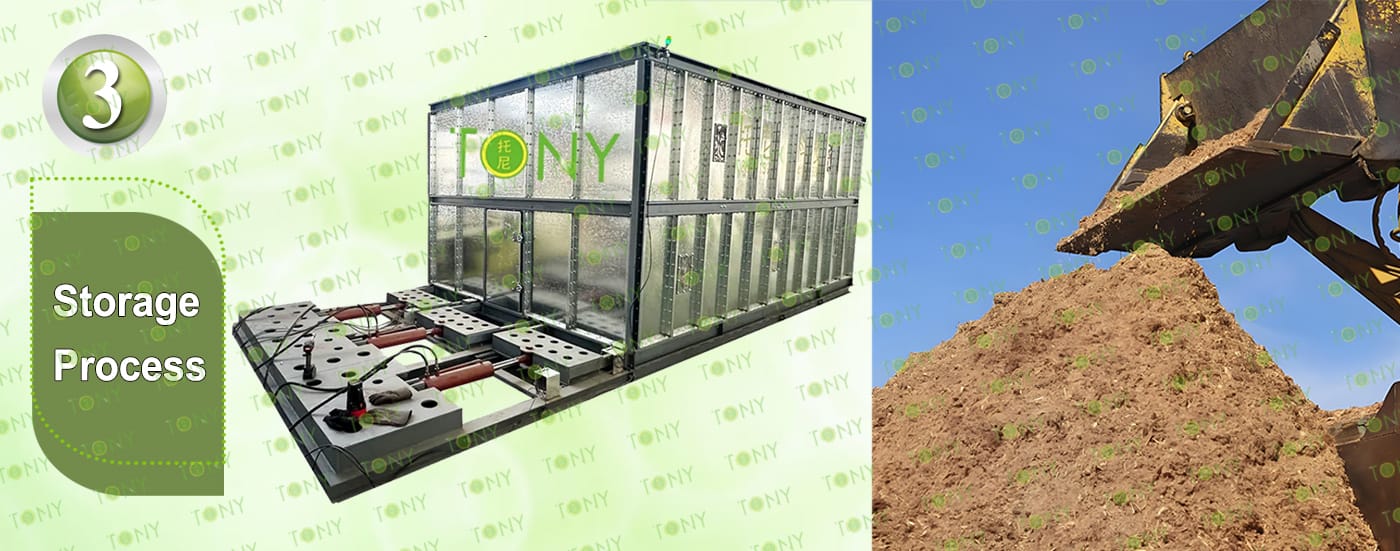
A. This process is mainly used to storage the sawdust that comes out of the hammer mill.It is hydraulic galvanized storage bin which is more stalbe and sawdust in it is not easy to be blocked.
B. TONY brand sawdust storage to storage the sawdust that comes out of the hammer mill.This process can be optional by customer.If customer do not chose the storage bin,he can storage the sawdust on the ground directly which may need some labour.
Main Parts:
(1)TONY's New Sawdust Storage Bin.
(2)With Screws Inside The Storage Bin To Prevent Sawdust Blocked.

4.Sawdust Drying Process:
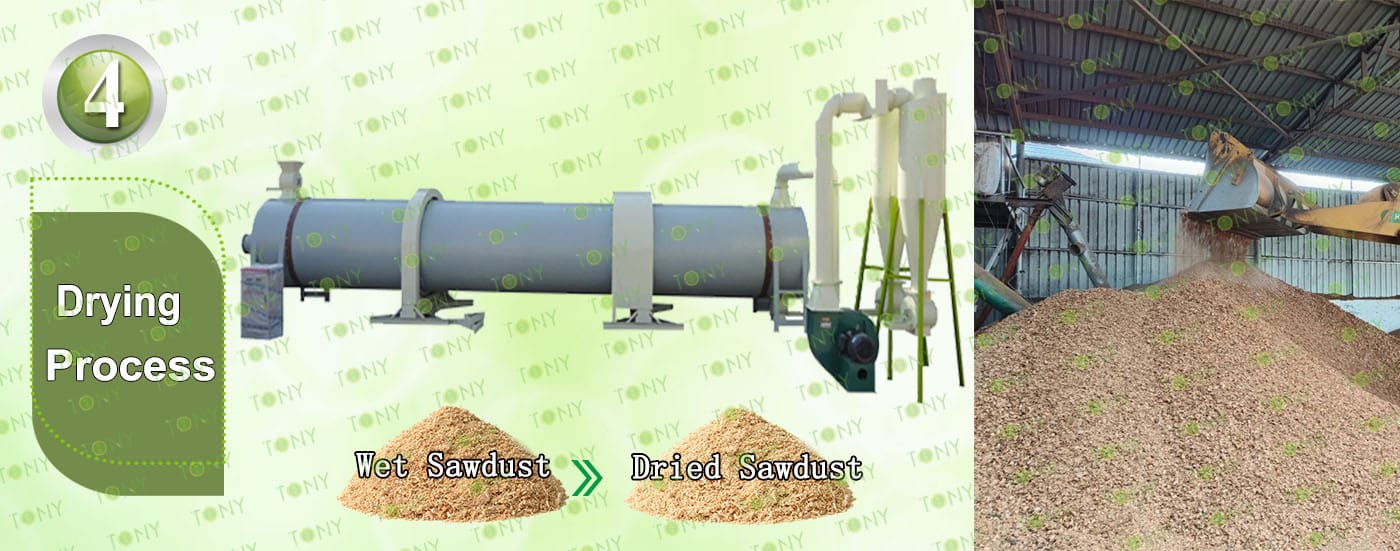
A.This process is mainly used to dry the sawdust from 40% to 10-15%.
B.Capacity:28-35Ton/Hour.
C.TONY use 2 sets of2.2*24m rotary drum dryer for this process, TONY hot blast stove is made of firebrick pan, shell with H steel plate as the frame. There are 3 layers of fire blocking device inside, which can effectively prevent the fire from entering the tumble dryer.Customers can choose to use waste wood, biomass pellets, natural gas, etc. as fuel for the hot air furnace
TONY dryer use spiral tube material, and is not easy to deform.
Unlike other manufacturers with iron plate splicing welding, very easy to deformation.
Main Parts:
(1)TONY's Rotary Drum Dryer Main Body. (Reducers With Motors and Pips.)
(2)TONY's Hot Stove.
(3)Fan Blower+Cyclone With Airlock.
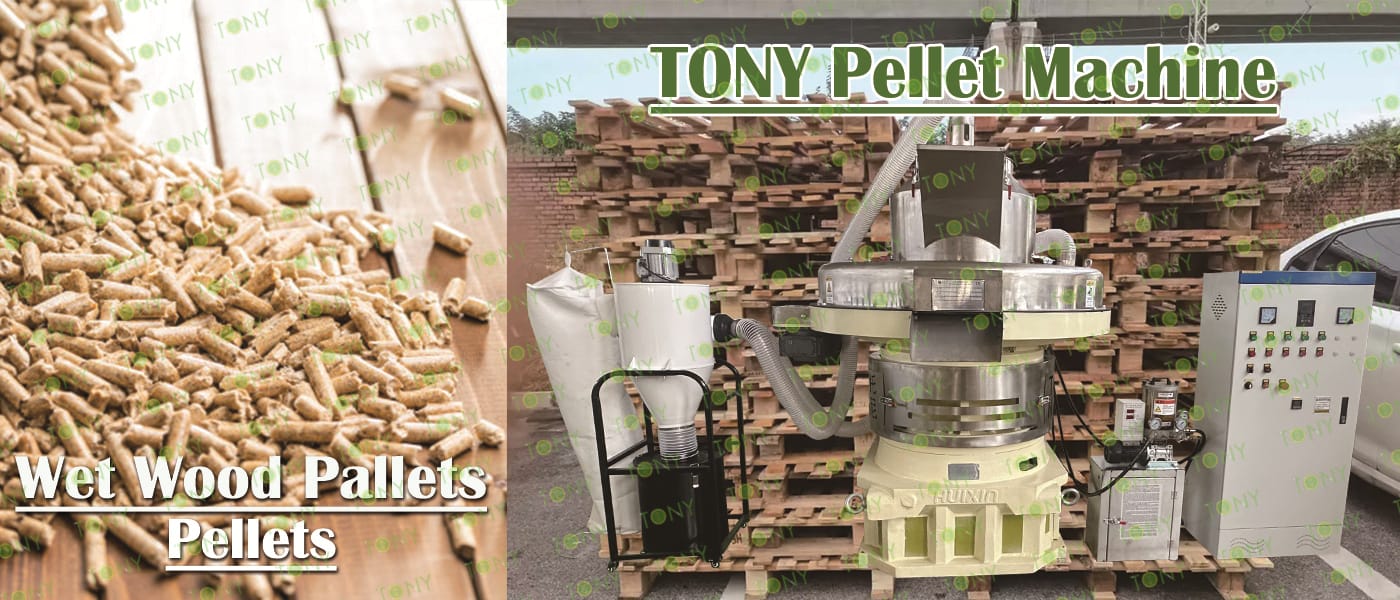
5.Pelletizing Process:
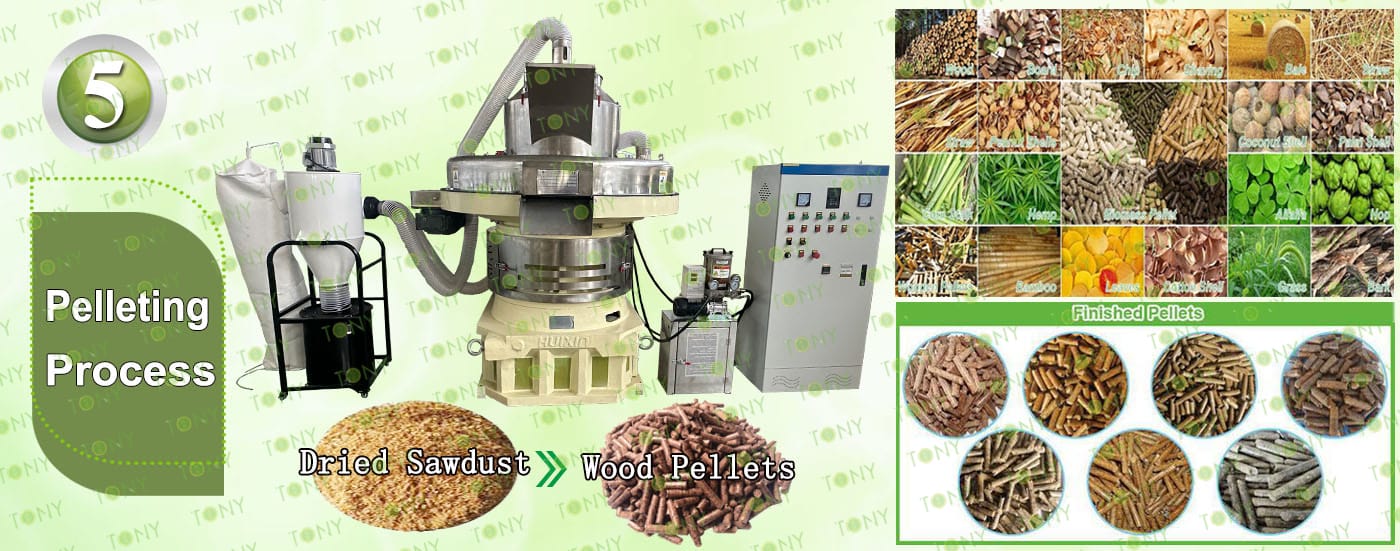
A.This process is mainly used to to product pellets into φ6-8mm.
B.Capacity:28-35Ton/Hour.
C.TONY brand vertical ring die pellet machine TYJ860-III-280KW*7sets
D.Double screw cycling silo is added above the pellet machine, which has the advantages of saving space, saving labor, intelligently controlling the feeding speed, not easy to block the material, and improving production efficiency.
Main Parts:
(1)TONY's New Vertical Ring Die Pellet Machine.
(2)Cyclone And Bags Dust Collectors.
(3)Automatic Lubrication System.
(4)Electrical Cabinets.
You can chose TONY new type SS304 pellet machine

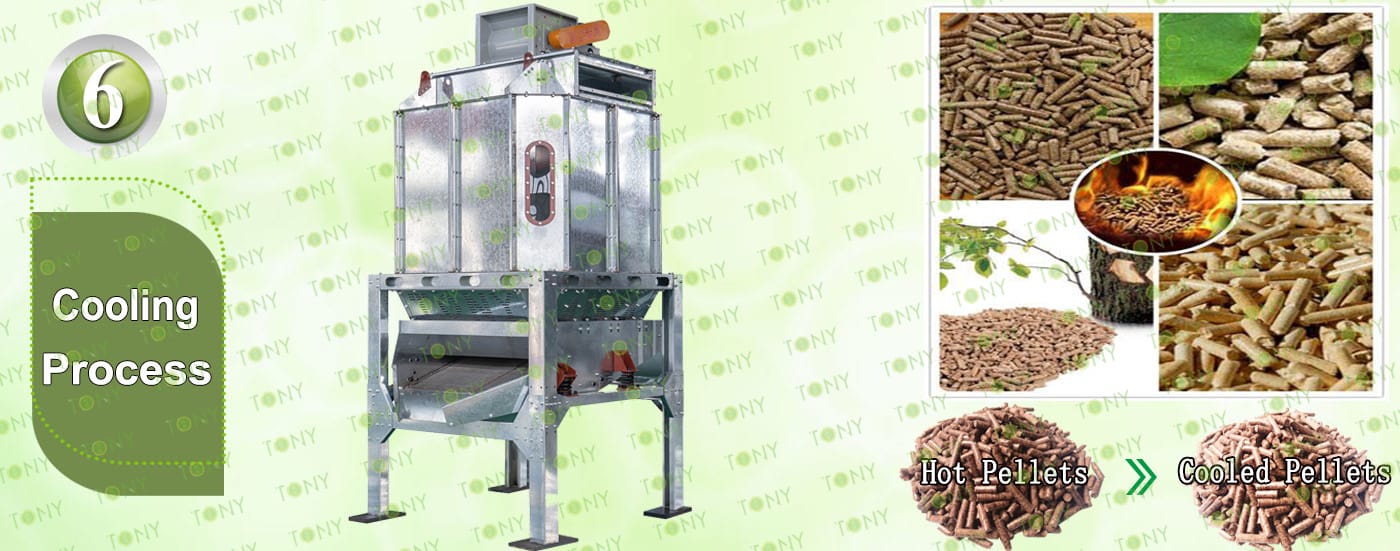
6.Cooling Process:
A.This process is mainly used to cool pellets from 80-90℃ to 20-30℃
B.Capacity:28-35Ton/Hour.
C.TONY brand galvanized cooler separator*2sets
Main Parts:
(1)TONY's Galvanized Cooler Separator With Vibrating Screen.
(2)Cyclone And Bags Dust Collectors.
(3)Fan Blower.
(4)Connect Pipes.

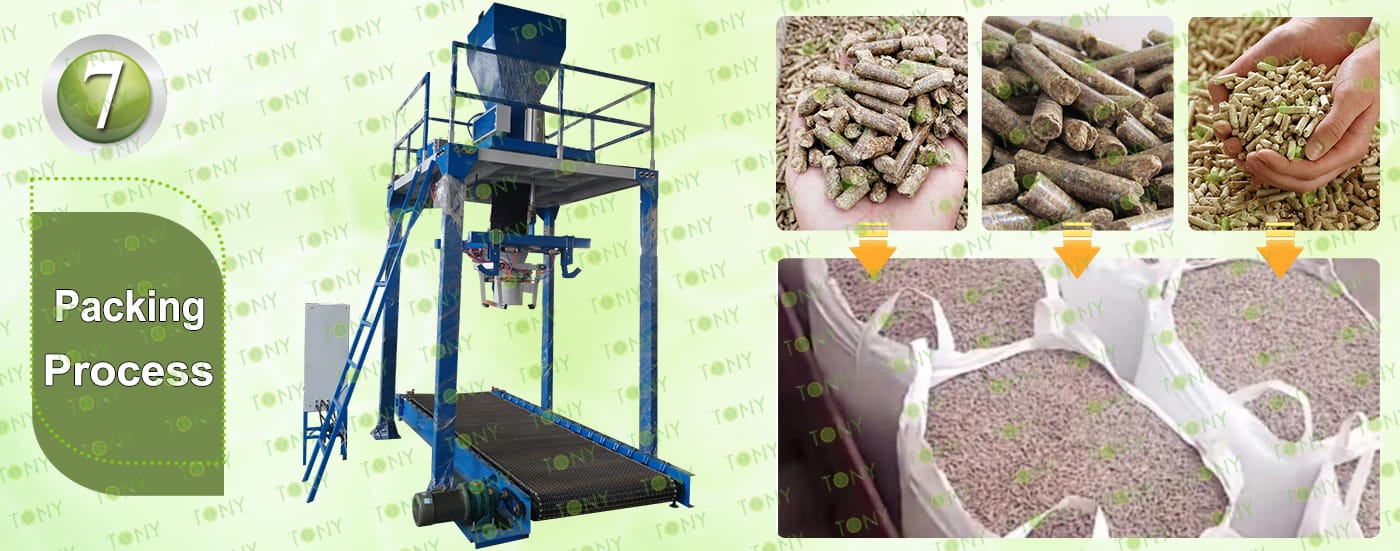
7.Packing Process:
A.This process is mainly used to pack pellets into 1Ton/Bags.
B.Capacity:28-35Ton/Hour.
C.TONY brand ton packing machine*2sets
Main Parts:
(1)TONY Ton Packing Machine
(2)Electronic Platform Scale Metering System
(3)Automatic Tare, Zero, and Drop Correction Functions
(4)Feeding System Features Fast, Medium, and Slow Feeding Speeds to Ensure Measuring Accuracy


Project Startup Suggestions
1.Preliminary Research:
First, visit local logistics parks and factories to confirm the monthly supply of discarded wood pallets (the raw material volume must meet "production capacity x 1.2" to avoid idle capacity). Simultaneously, contact two to three potential customers (such as nearby food factories and heating companies) and sign letters of intent for supply.
2. Pilot Operation:
If funding is limited, start with a "small-scale project" (1 ton per hour) and spend 6-12 months validating raw material supply, customer stability, and profit margins before gradually expanding production.
3. Long-Term Planning:
Once stable operations are achieved, the industry chain can be expanded—for example, by building a dedicated logistics fleet (to reduce transportation costs), developing customized pellets (such as "low-ash pellets" for fireplace users, which increase unit prices), or building a small biomass heating station (to directly supply steam to surrounding factories, resulting in higher profits).
In summary, the project of processing wooden pallets into biomass pellet fuel is suitable for entrepreneurs or small and medium-sized enterprises with local resources (raw materials/customers) and medium-sized capital. The key is to control raw material costs, bind stable customers, and ensure environmental compliance to achieve sustainable profitability.

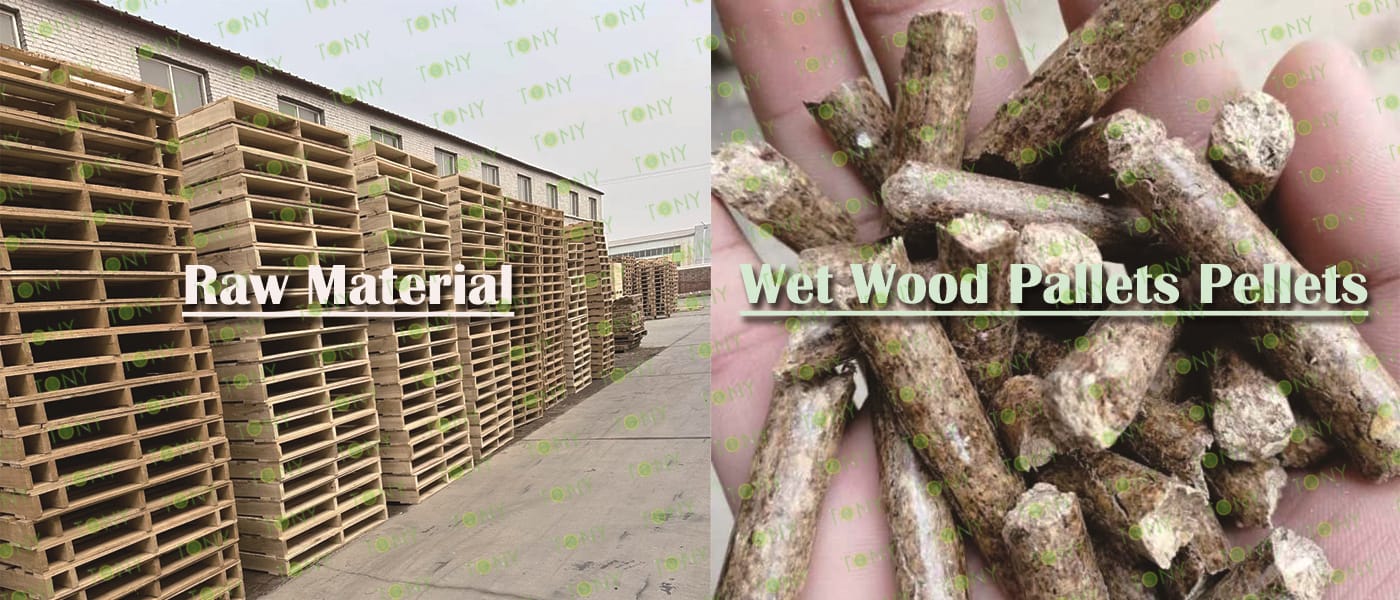
As biomass pellet fuel or industrial auxiliary material, wood pallet pellets offer stable physical and chemical properties, and their user experience surpasses traditional loose wood and coal. Specifically, they demonstrate the following:
1.High energy density and excellent combustion efficiency
After compression molding, wood pallet pellets achieve a density of 1.1-1.3g/cm³ (much higher than the 0.4-0.6g/cm³ of loose wood), a volume reduction of 6-8 times, and a calorific value per unit volume of 4200-4800kcal/kg (similar to medium-quality coal). They also resist slagging during combustion (due to the low ash content of 1%-3% found in softwood, wood pallets are primarily made of softwood). Their thermal efficiency is over 30% higher than that of loose wood, making them suitable for use in boilers, fireplaces, hot air furnaces, and other equipment.
2.Convenient Storage and Transportation, Low Cost
The pellets have a regular shape (mostly cylindrical, 6-10mm in diameter and 10-30mm in length) and good fluidity. They can be transported in bags, silos, or conveyor belts, and are resistant to moisture and deformation. They require only one-fifth the storage space of bulk wood of the same thermal mass, and there's no concern for insect infestation or mildew (the high temperatures during the pelletizing process kill insect eggs and mold), reducing labor and space costs during storage and transportation.
3.Low Entry Points, Wide Adaptability
Wood pallet pellets can be directly used in automated biomass combustion equipment (such as pellet stoves and biomass boilers). No complex pre-processing (such as chopping or pulverizing) is required; simply feed the pellets at a constant rate through a feeder. Operation is simple, making them suitable for industrial heating, home heating, agricultural greenhouse insulation, and other applications. They can also serve as an auxiliary fuel in biomass power plants.



2025 Tony Machinery - All Rights Reserved. Map