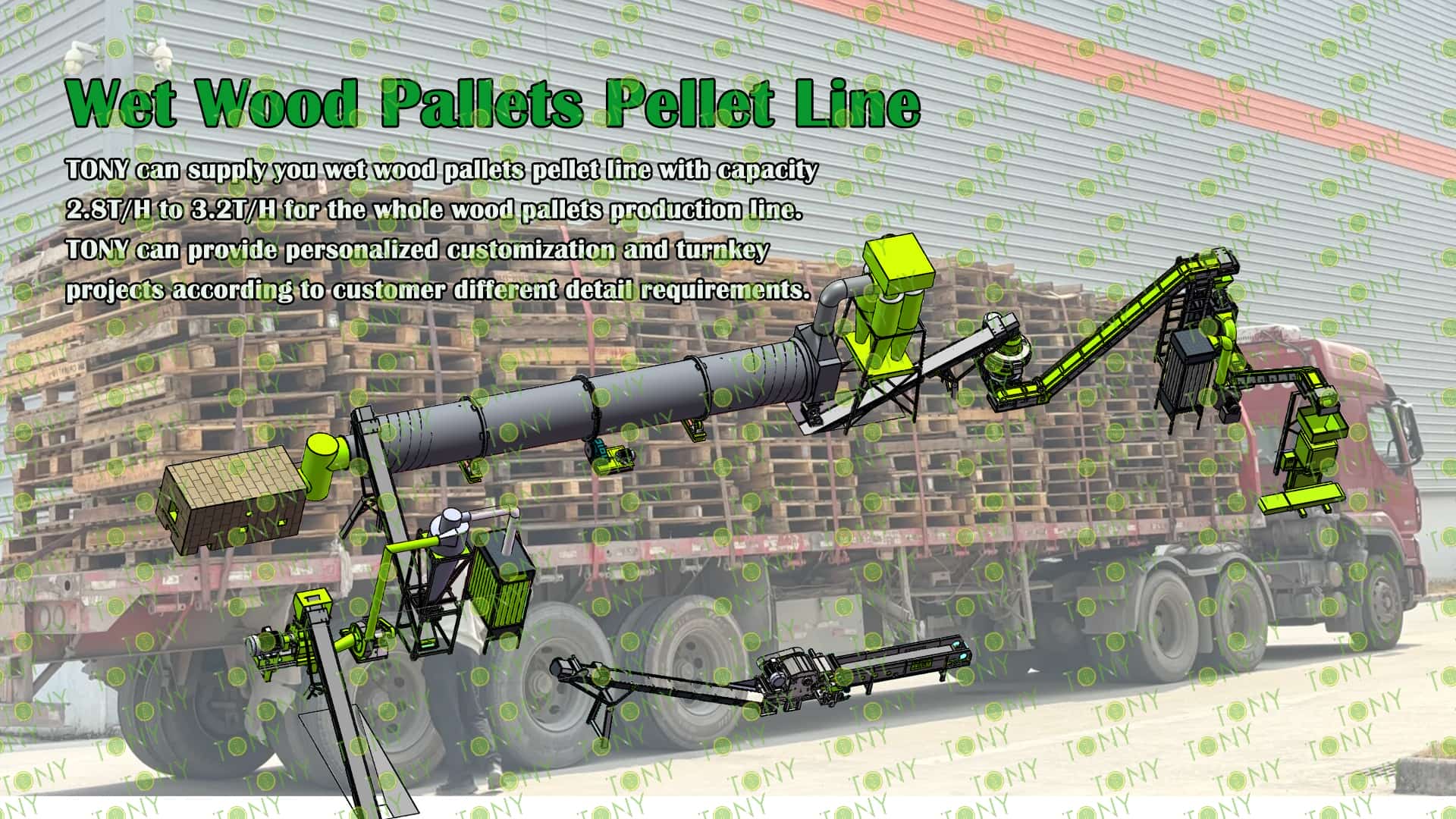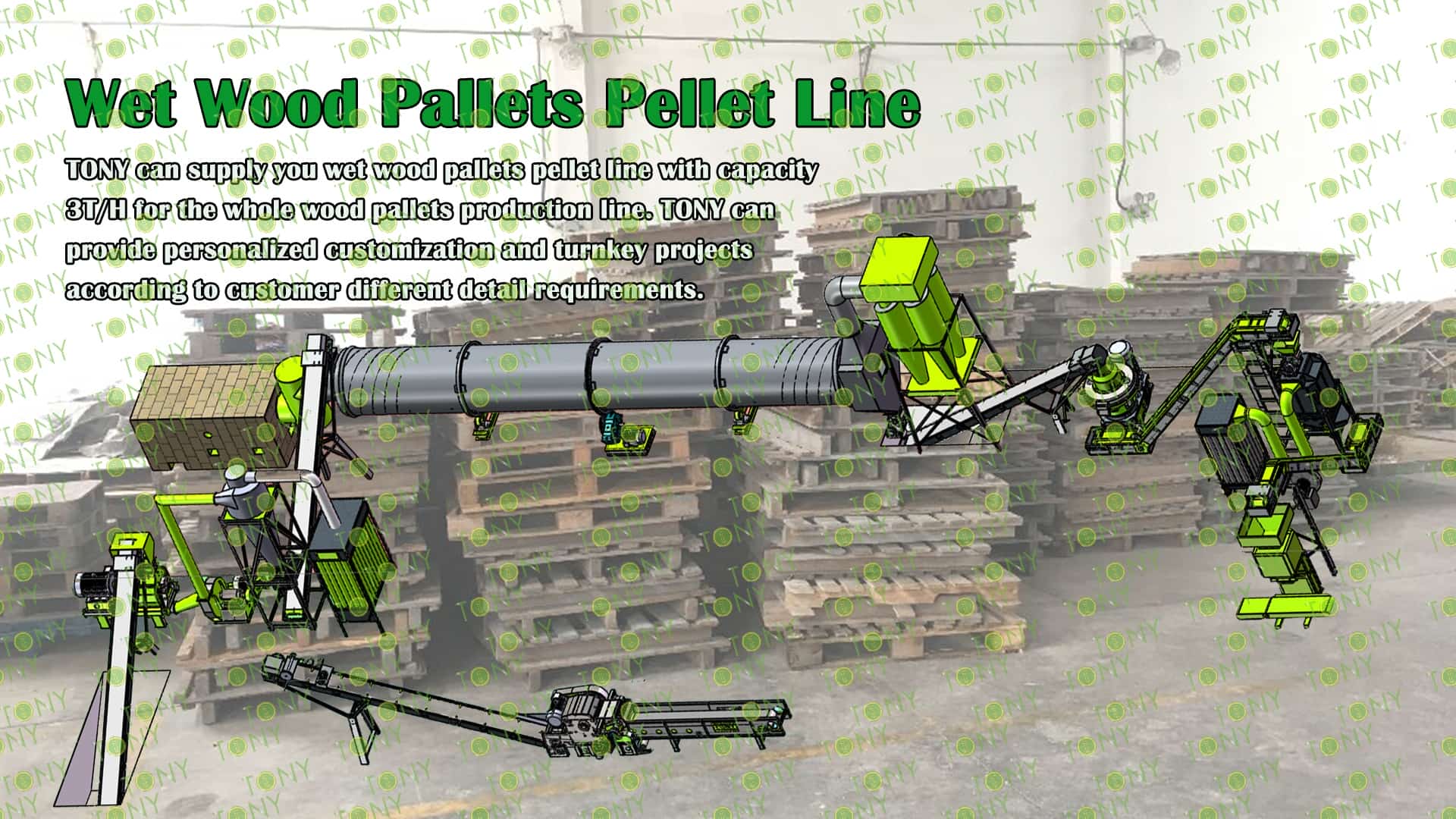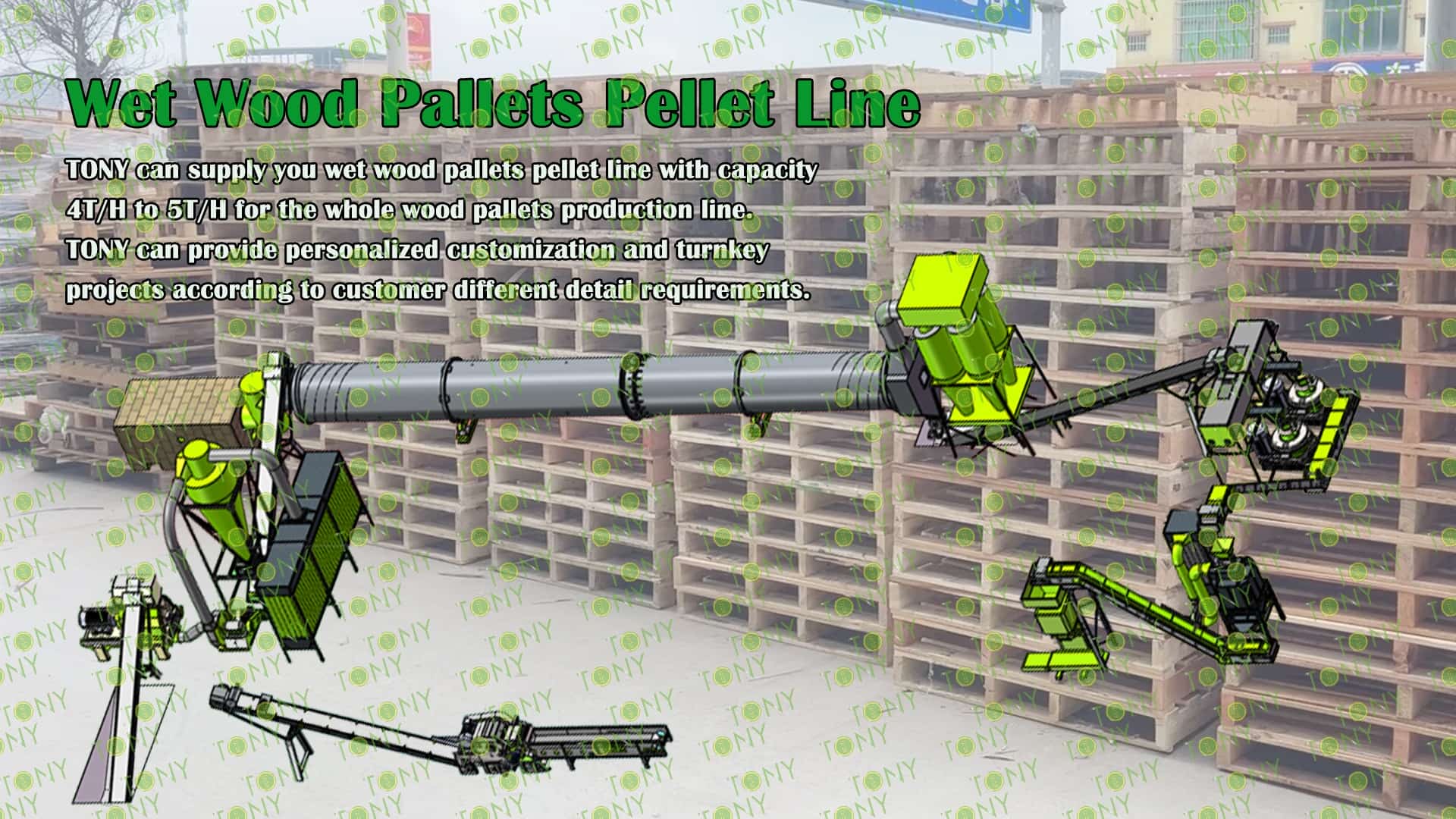






















Project Brief Introduction:
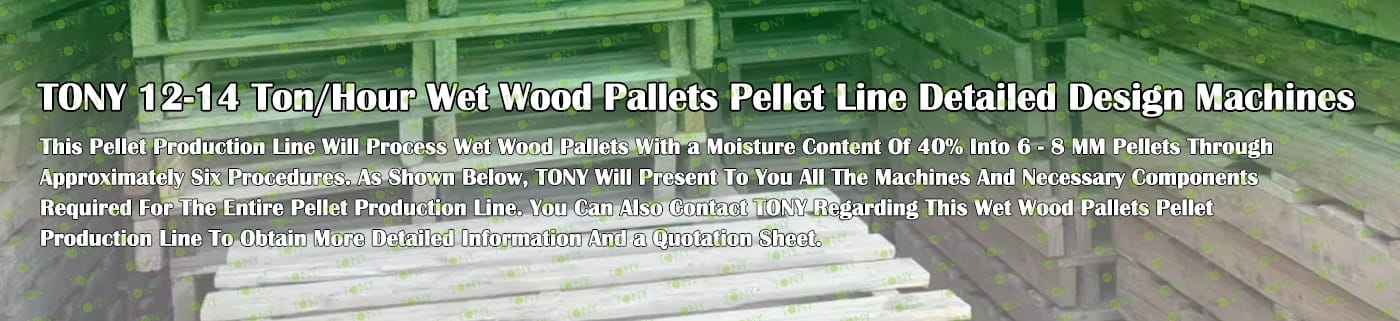
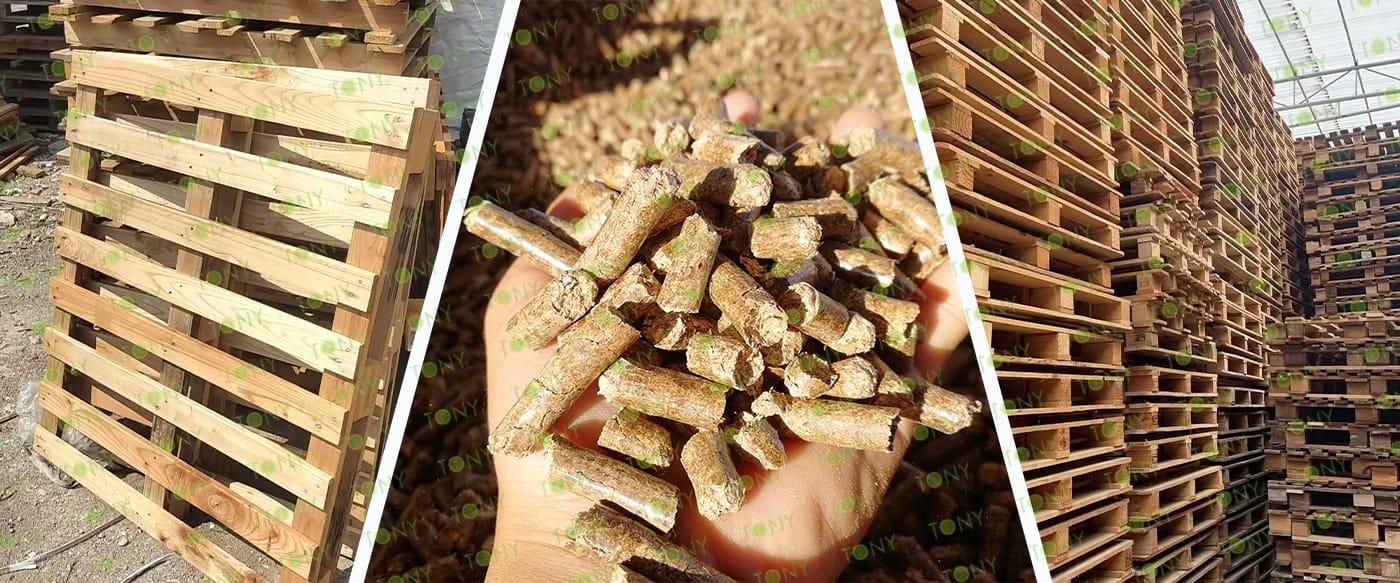
1.Product:Wet Wood Pallets Pellet Line
2.Capacity: 12-14T/Hour
3.TONY Brand 12-14Ton /Hour Wet Wood Pallets Pellet Line Project Process
4.Main Machine: Comprehensive Chipper,Hammer Mill, Rotary Drum Dryer,TONY Pellet Machine TYJ860-Ⅲ-220KW,Pellets Cooler,Packing Machine And Belt Conveyors
5.Total Power: About 1900KW
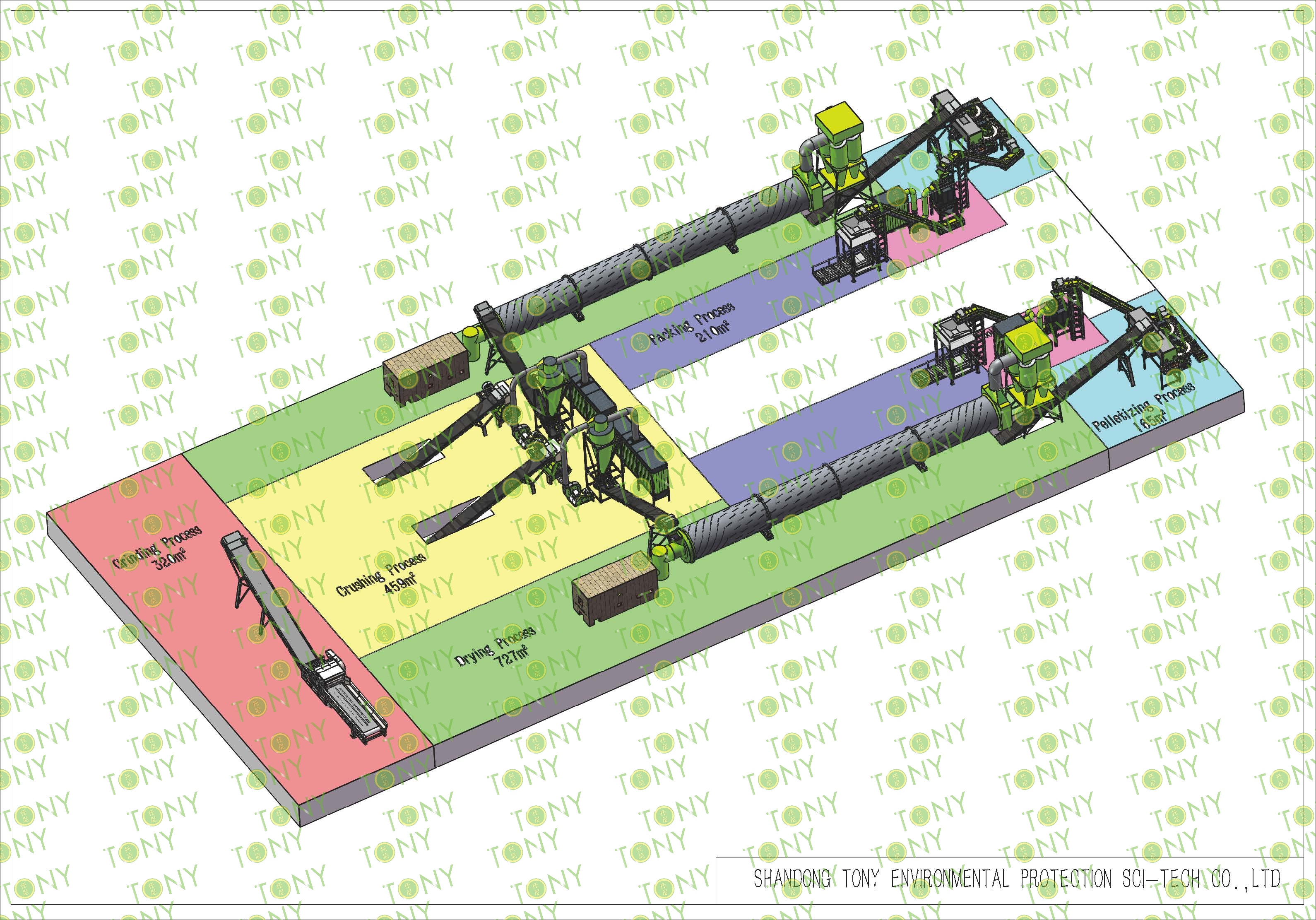
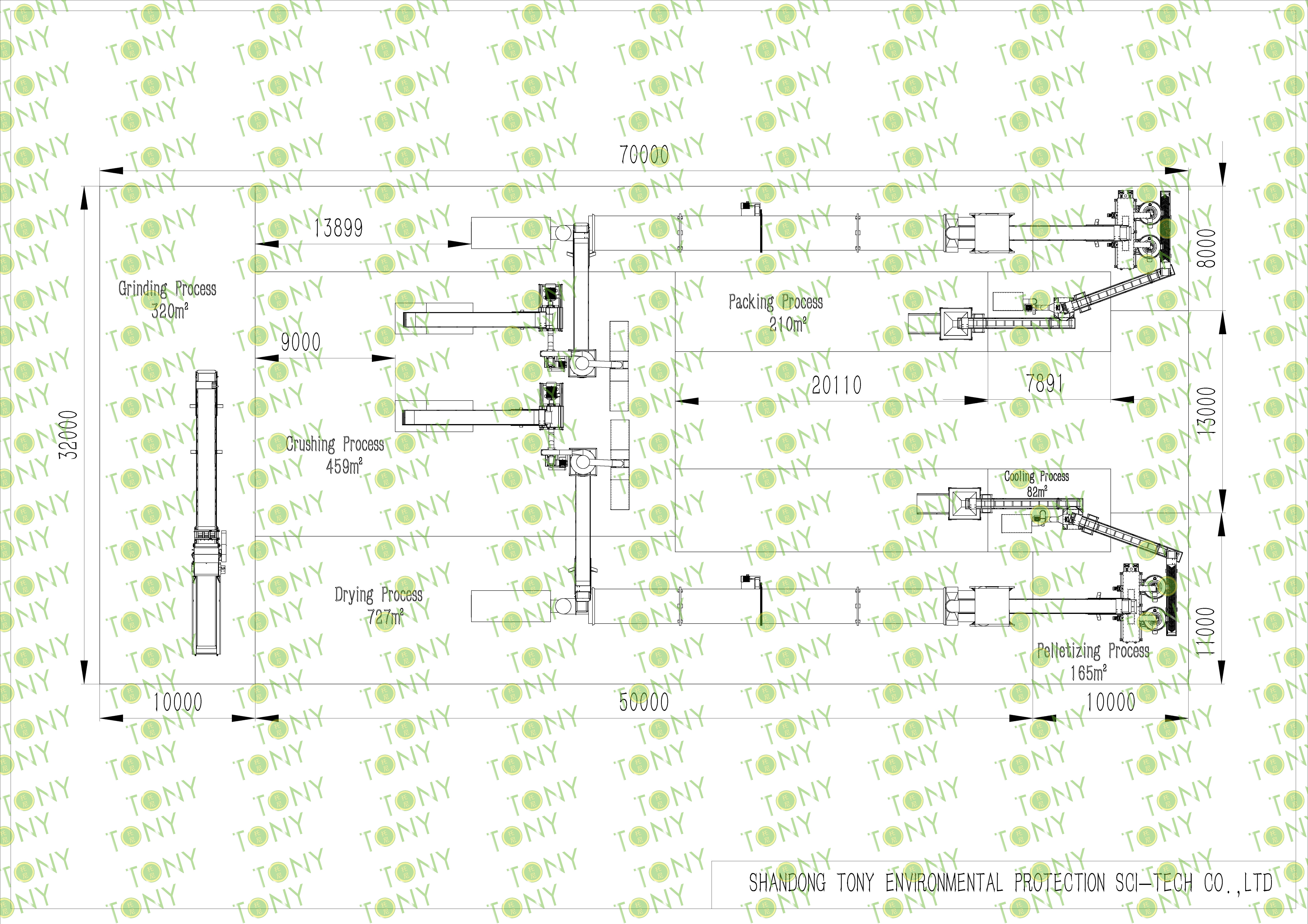
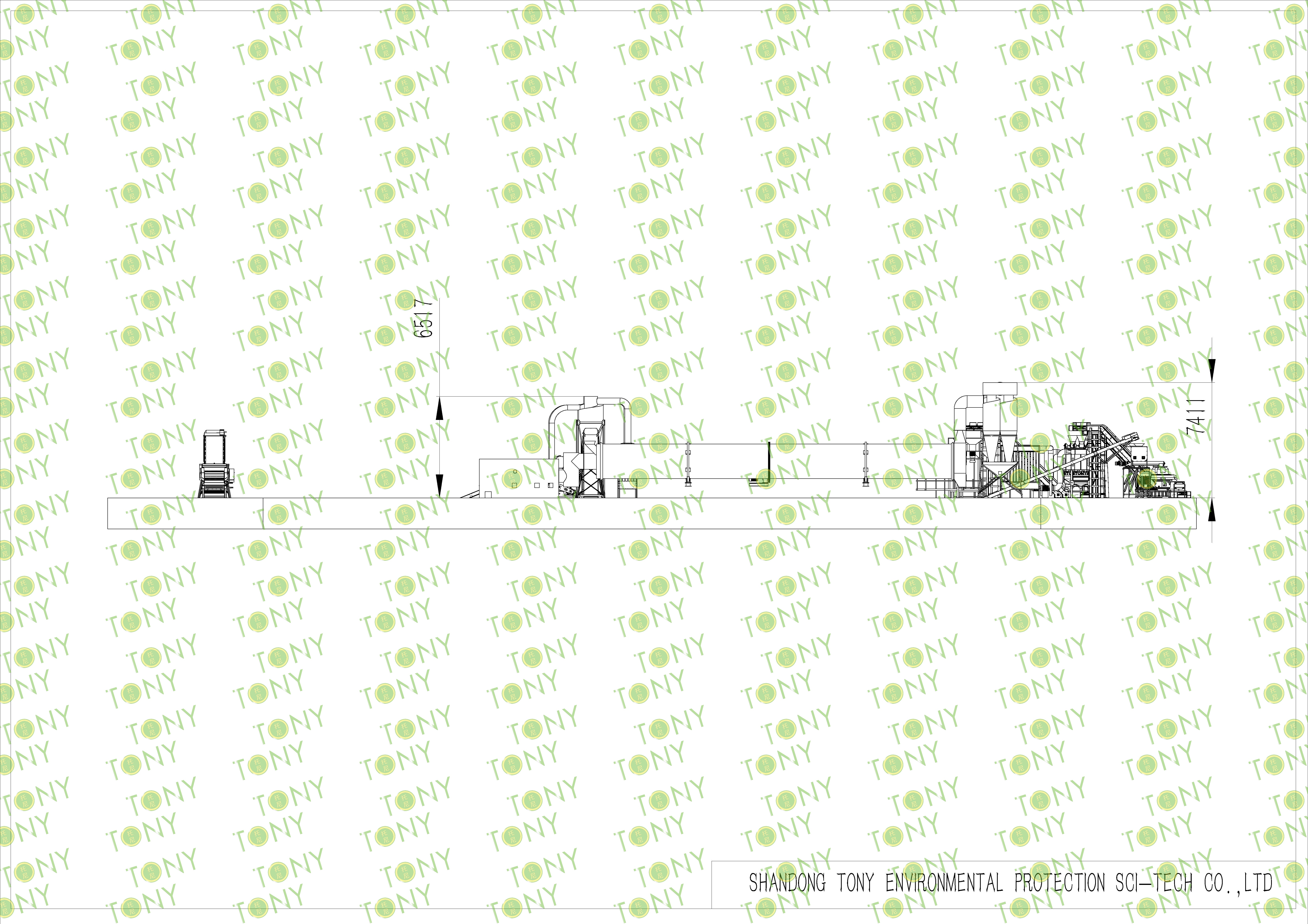
6.Need Area: About 2240㎡ L: 70 M W: 32 M H: 7.411 M
Project Layout For Customer:
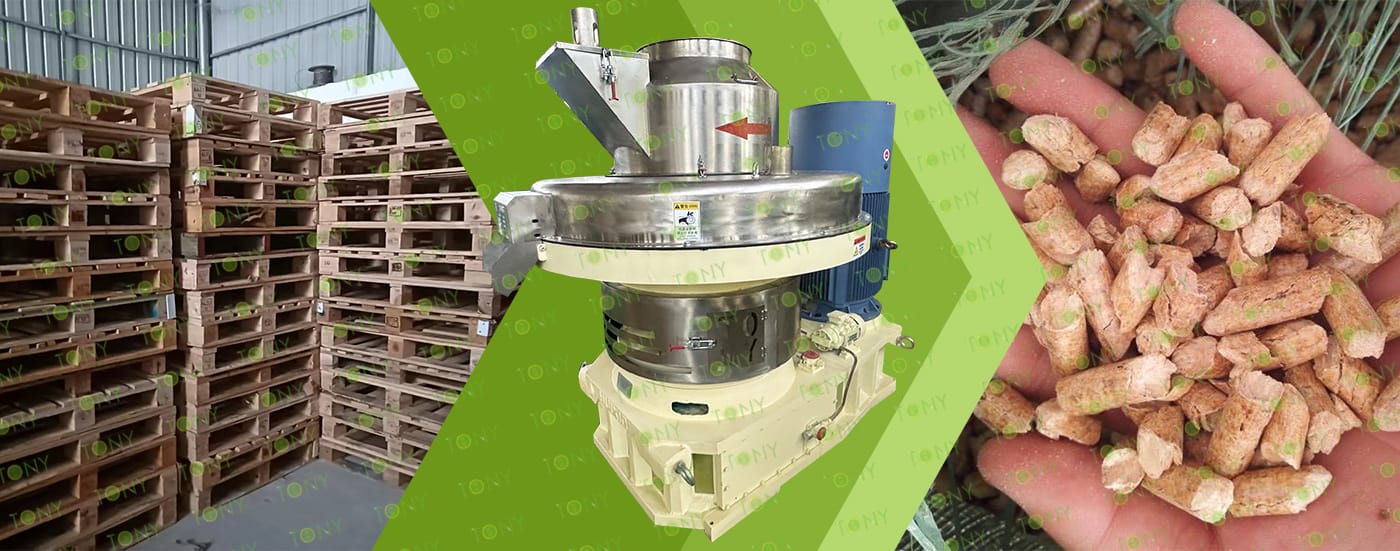
1.The working principle of wet wood pallets biomass pellet processing equipment
The core function of wet pallet pellet processing equipment is to address the difficulty of directly pelletizing wet pallet raw materials (typically with a moisture content of 40% or even higher). Its operating principle revolves around four core steps: pre-treatment and dehydration → raw material crushing and refinement → high-temperature and high-pressure pelletizing → cooling and shaping. Designed to address the challenges of wet materials, such as stickiness, clogging, and difficulty in forming. The key step in forming wet pallet pellets is the ring die pelletizer (the mainstream equipment for wet material pelletizing). The principle can be broken down into "forced feeding → extrusion molding → shearing to length."
2.Characteristics of wet wood pallets biomass pellet processing equipment
The pallet pellet processing equipment is a production line specifically designed for waste pallets (containing nails, metal connectors, and wood with uneven moisture and hardness). Its core features are tailored to the raw material characteristics, ensuring production efficiency, and optimizing finished product quality.
The crushing stage processes the pallets into 25-55mm wood chips. The equipment design balances crushing efficiency with impurity tolerance.
The fine crushing stage processes pre-treated wood segments/chips into 2-5mm sawdust (the optimal particle size for pelletization).
The drying stage controls moisture content and ensures pellet formation efficiency.
The pelletizing stage forms the core and presses the powder into high-density pellets. The cooling and screening stages stabilize pellet properties and eliminate substandard products.
The equipment in each stage works synergistically to transform raw materials into finished products.
3.Application scenarios of wet wood pallets biomass pellet processing equipment
Wood pallet pellet processing equipment is the core equipment for realizing the transformation of “waste wood pallets → biomass pellets”. Its application scenarios are centered around the source of raw materials, production scale, and processing needs. It is mainly divided into two categories: “centralized processing projects” and “supporting processing scenarios”:
(1)Centralized processing projects: large-scale production scenarios
This type of scenario takes “large-scale processing of waste wood pallets and batch production of biomass pellets” as its core goal. The equipment must have high production capacity and a high degree of automation. It is usually implemented as an independent biomass pellet processing plant:
Professional biomass pellet plant: Build a large-scale processing plant in an area with developed logistics and abundant waste wood pallet resources, and configure a complete production line of “wood pallet dismantling machine → crusher → dryer → pelletizer → cooling and screening machine → packaging machine” with a daily production capacity of 50-200 tons. The products are mainly supplied to B-end customers such as industrial boilers and power stations;
Supporting processing lines for solid waste treatment centers: Large-scale industrial solid waste treatment centers (such as centers for processing waste wood and waste packaging in the manufacturing industry) add wood pallet pellet processing equipment to convert waste wood pallets that originally needed to be landfilled/incinerated into high-value-added pellets, realizing "Solid waste reduction (over 80% reduction) + resource utilization" while also receiving environmental protection subsidies (such as solid waste treatment subsidies and pellet sales subsidies).
(2)Supporting processing scenarios: on-demand processing and local utilization
This type of scenario aims to "reduce the cost of raw material transportation and meet the energy needs of itself/surrounding areas". The equipment scale is flexible (small/medium-sized) and is usually directly matched with the producers and users of wood pallets:
Logistics parks/manufacturing factories self-processing: Large logistics parks and production enterprises (such as auto parts factories and furniture factories) generate a large number of waste wood pallets every year. They build supporting "small processing workshops" to process the processed pellets directly for their own factory heating and production heat, without the need to purchase energy from outside, thus reducing energy costs (saving 20%-30% compared to purchasing natural gas/coal);
Biomass boiler user supporting processing: Enterprises using biomass boilers (such as textile factories and chemical plants) build supporting processing lines within the factory area to process the recycled waste wood pallets into pellets and directly supply them to their own boilers, avoiding quality fluctuations (such as excessive ash content and insufficient calorific value) and transportation costs of purchased pellets, thus realizing the internal cycle of "raw materials - production - energy use";
Rural/ Small-scale processing sites in townships: In townships with developed agriculture and scattered waste wood pallet resources, small-scale processing sites are built, equipped with simple production lines (such as "mobile crusher + small pelletizer"). Products are mainly supplied to surrounding farmers for heating and small-scale agricultural drying (such as greenhouse heating and grain drying), meeting regional scattered needs and reducing farmers' energy costs.

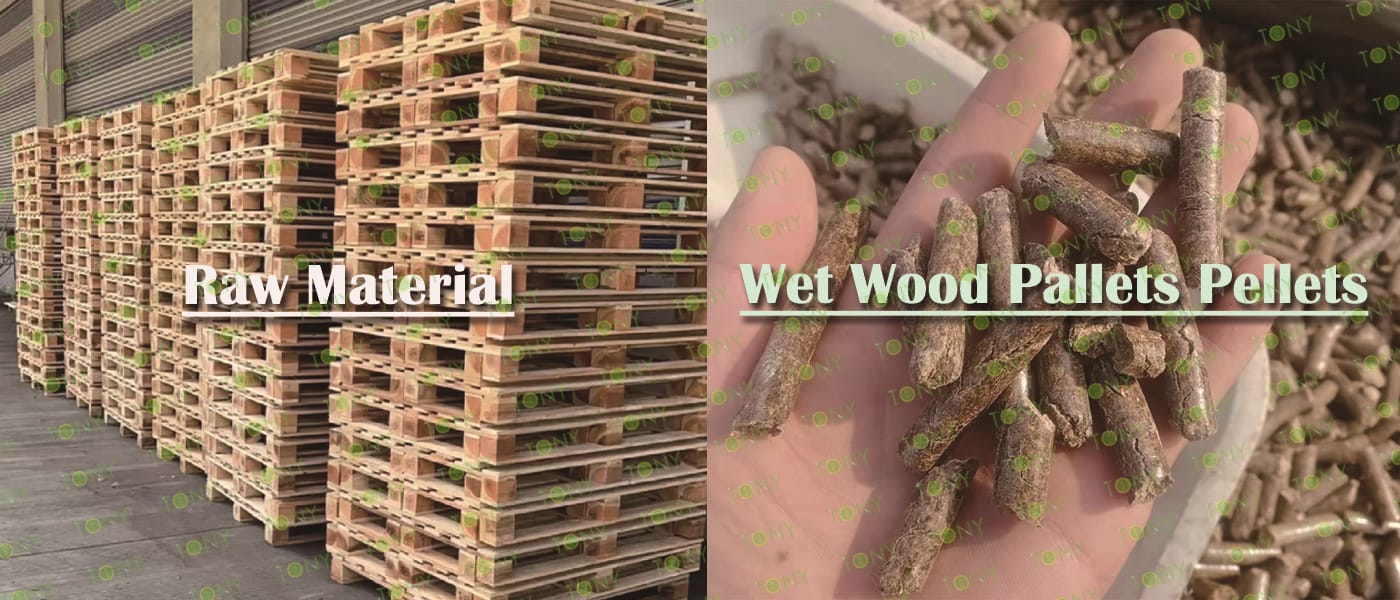
TONY Brand 12-14Ton/Hour Wet Wood Pallets Pellet Manufacturing Plant can take wet wood pallets, various types of wood - related biomass materials, such as branches, small - diameter logs, and wood shavings, with wet wood as the main raw material. After pretreatment and processing, it is solidified into high - density wood pellet fuel. This fuel is an ideal substitute for coal and oil and plays a role in energy conservation and emission reduction. At present, it has been widely used in regions rich in wood resources.
1. Capacity: 12-14Ton/Hour
2. Raw materials: Wet wood pallets
3. Moisture: Wet type, about 40%.
4. Application: All kinds of waste wood pallets or more waste wood raw materials
Suitable customers: Logistics and warehousing companies, various manufacturing plants, ports and airports, construction sites, large supermarkets and shopping malls, and other places where waste wood pallets have advantages
5. Finished Pellets Markets: Large power plants ,domestic heating, industrial heating, combustion heat, heating systems, boiler rooms, school canteens, foundry heat sources.

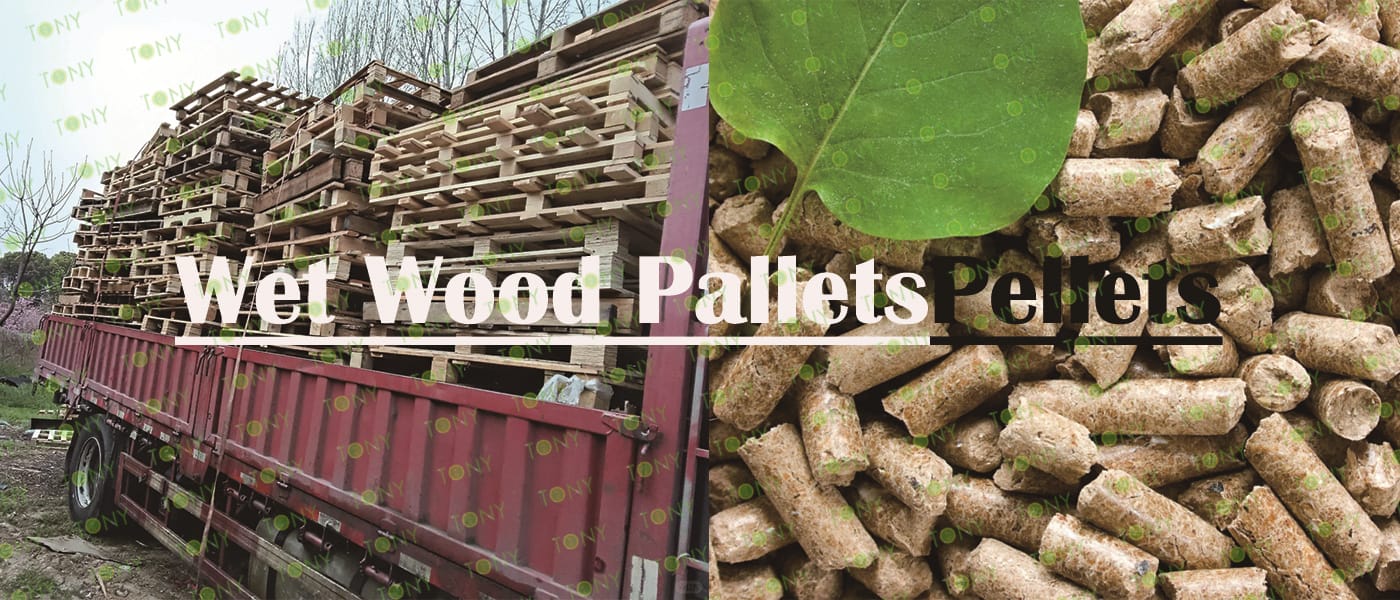
1. Project Name: Wet Wood Pallets Pellet Production Line
2. Raw Material: All kinds of wet wood pallets
3. Moisture Content of Raw Material: 40%
4. Capacity: 12-14 tons per hour
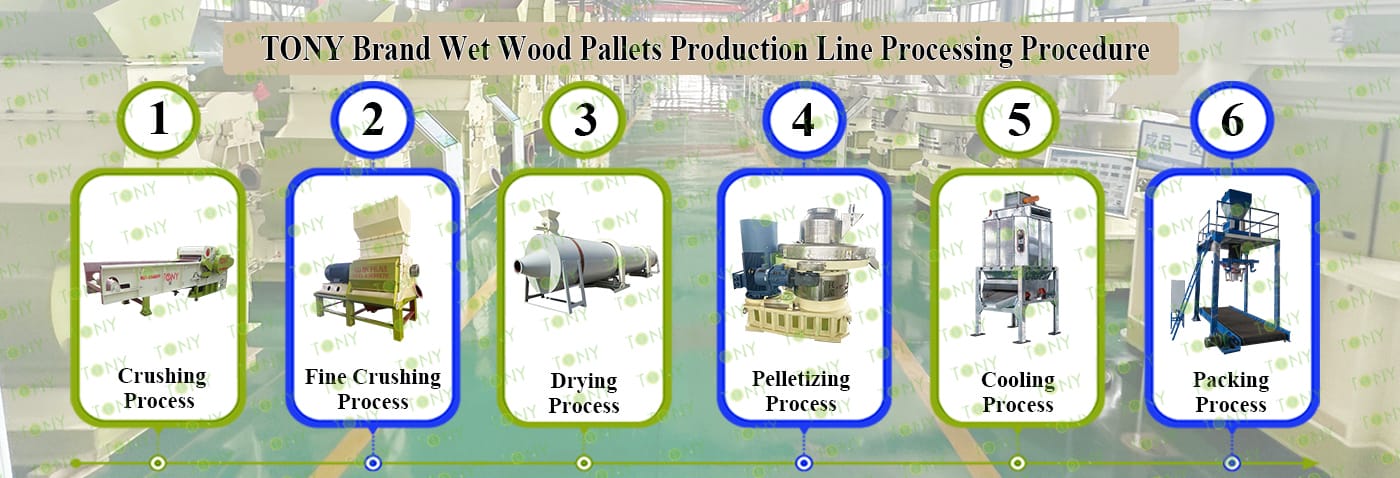
5. Process: Crushing Process - Fine Crushing Process - Drying Process - Pelletizing Process - Cooling Process - Packing Process
6. Main Equipment: Comprehensive Chipper TPC1400-600-200KW, Effective Hammer Mill-TFD85*220-220KW, Rotary Drum Dryer-2*24m, TONY Pellet Machine TYJ860-Ⅲ-220KW, Pellet Cooler, Ton Packing Machine and Belt Conveyors

|
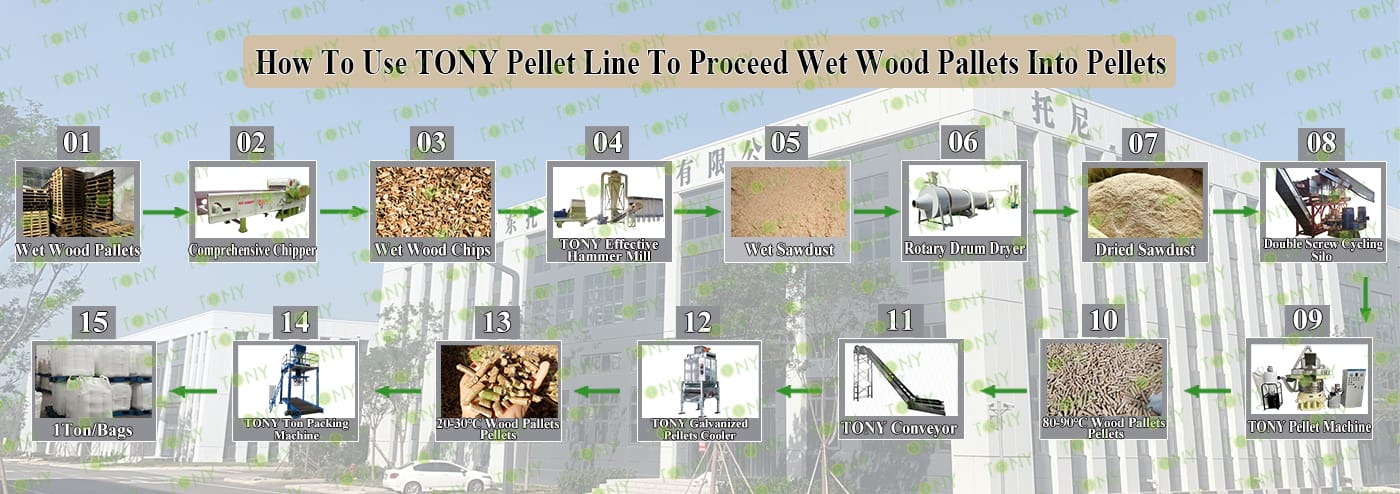
How to use the TONY pellet production line to make pellets from wet wood pallets? The process mainly includes the following steps and equipment: 1. Use TONY comprehensive chipper to grind wet wood pallets with width 1.4m into wood chips 25 - 55 mm in length. 2. Use TONY effective hammer mill to crush the 25-55 mm wood chips into 8-14 mm sawdust. 3. Use TONY rotary drum dryer to dry the sawdust with a 40% moisture content down to a moisture content of 10%-15%. 4. Use TONY vertical ring die pellet machine to produce pellets with a diameter of 6-8 mm. 5. Use TONY galvanized cooler to cool the pellets from 80-90°C to 20-30°C. 6. Use TONY ton packing machine to pack the pellets into bags, each weighing 1 ton. For more detailed information and quotations, you can contact TONY. TONY can provide all the above - mentioned products at highly competitive prices and with excellent quality. |
|
||||||||||||||||||||||||||||||||||||||||||||||||||
| Next, TONY Will Introduce To You All The Necessary Machinery That Will Be Used For The Whole Pellet Production Line. Some Machines Can Be Custom - Made By Customers According To Different Customers' Detailed Demands. Contact TONY For More Details, Including Quotation And Layout. | |||
 |
 |
 |
 |
|
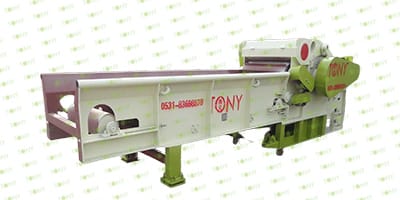
Comprehensive Chipper |
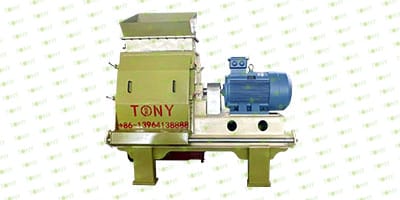
Effective Hammer Mill |
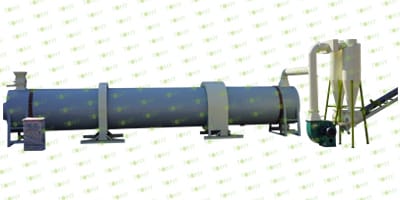
Rotary Drum Dryer |
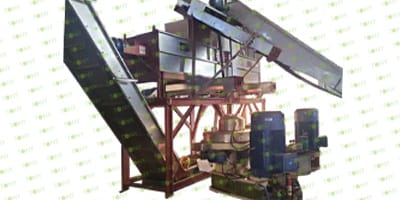
Double Screw Cycling Silo |
|
1.To Grind Wood pallets Width ≤1.4m Into25-55mm Wood Chips. |
1.To Crush 25-55mm Wood Chips Into 8-14mm Sawdust. |
1.To Dry The 40% Sawdust Into 10-15% Sawdust. |
1.To Stroage Sawdust Before Pellet Machine; |
 |
 |
 |
 |
|
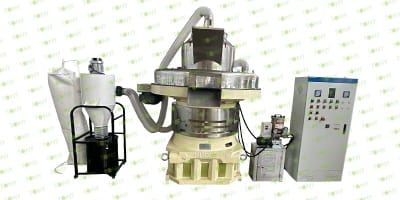
Vertical Ring Die Sawdust Pellet Machine |
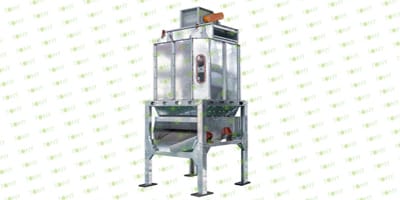
Galvanized Pellets Cooler |
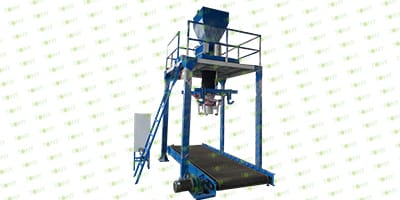
Ton Packing Machine |
Belt Conveyor |
|
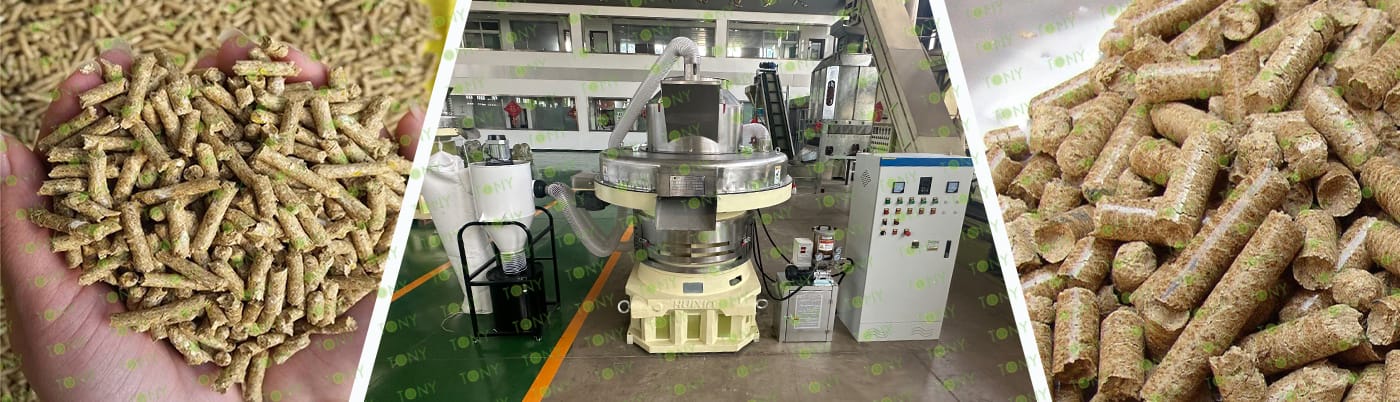
1.To Press Dry Sawdust Into 6-8mm Biomass Pellets |
1.To Cool Pellets From 80-90℃ Into 20-30℃ |
1.To Pack Pellets Into 1 Ton/Bags. |
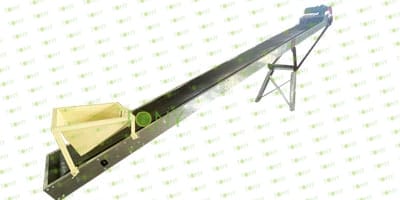
1.To Transport Wood Chips,Sawdust,Pellets. |
1.Wood Pallets Chipping Process:
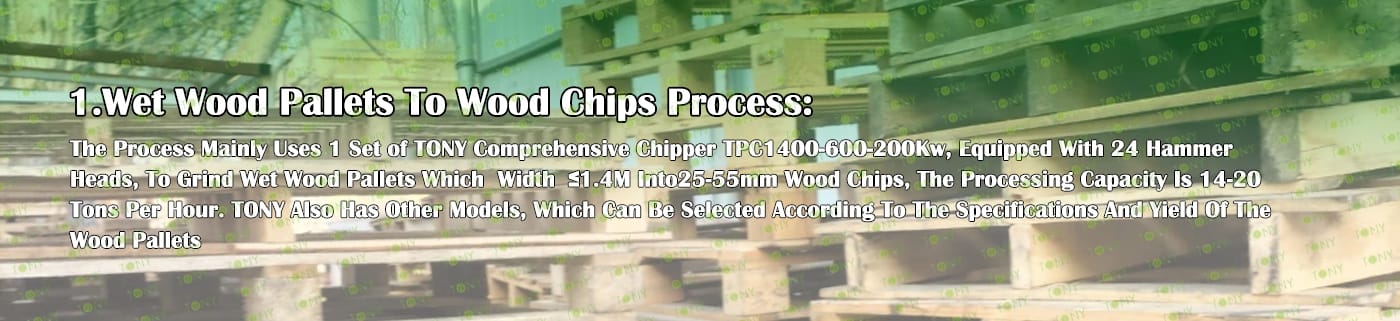
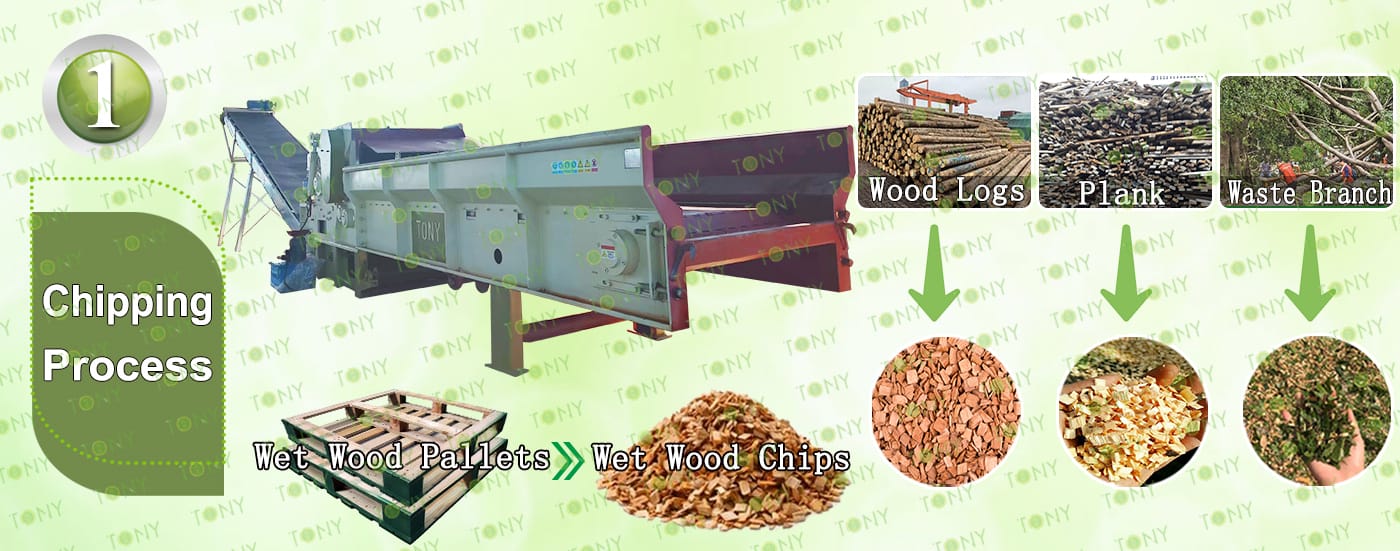
A. This process is mainly used to grind wooden pallets with nails less than 1.4 m in width into wood chips with a size of 25-55 mm. The final size of the wood chips can be adjusted by replacing the screen with different sizes and replacing or adjusting the hammer heads with different specifications.
B.TONY brand comprehensive chipper TPC1400-600-200KW model with 24 hammer heads*1set
C.Capacity:14-20Ton/Hour.
Main Parts:
(1)TONY's Comprehensive Chipper.
(2)Feed And Discharge Belt Frequency Control To Prevent Card Material
(3)Hydraulic System Control Can Be Used For Thicker Materials
(4)Electronic Control System Allows The Equipment To Be Used Normally
Contact Tony For More Details With Quotation

2.Wood Chips Fine Crushing Process:
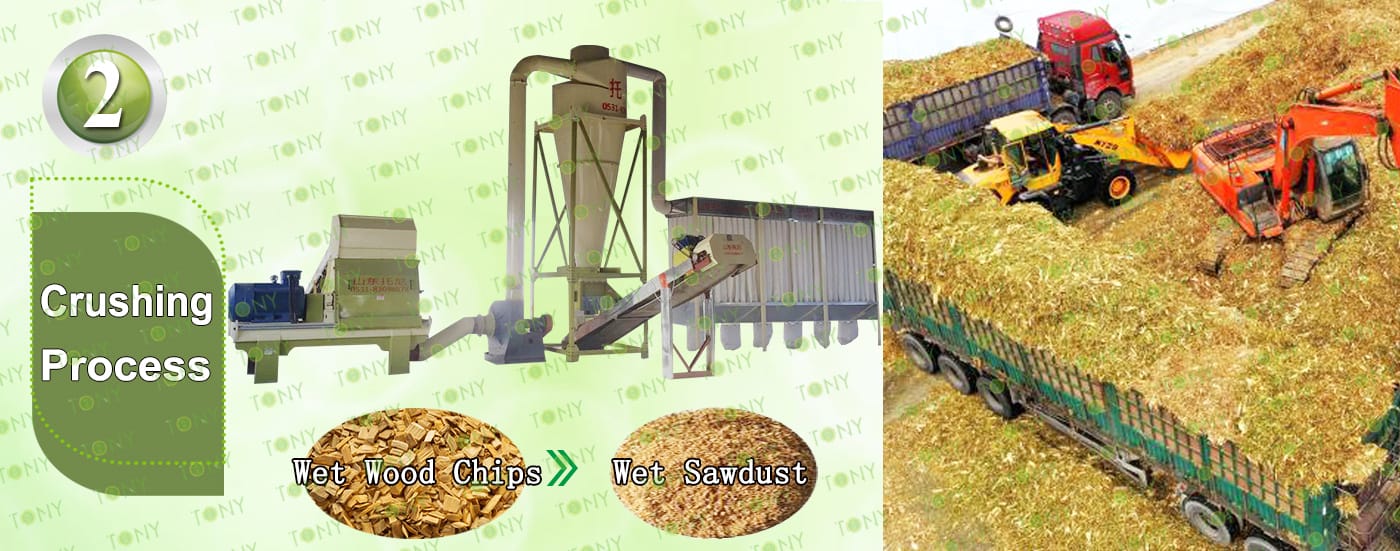
A.This process is mainly used to crush 25-55mm wood chips into 8-14mm sawdust.
B.Capacity:12-14Ton/Hour.
C.TONY brand effective hammer mill TFD85*220-220KW*2sets
Main Parts:
(1)TONY Effective Hammer Mill.
(2)Galvanized Dust Collector.
(3)Sawdust Transportation Fan Blower.
(4)Cyclone With Airlock.
(5)Electrical Cabinets.

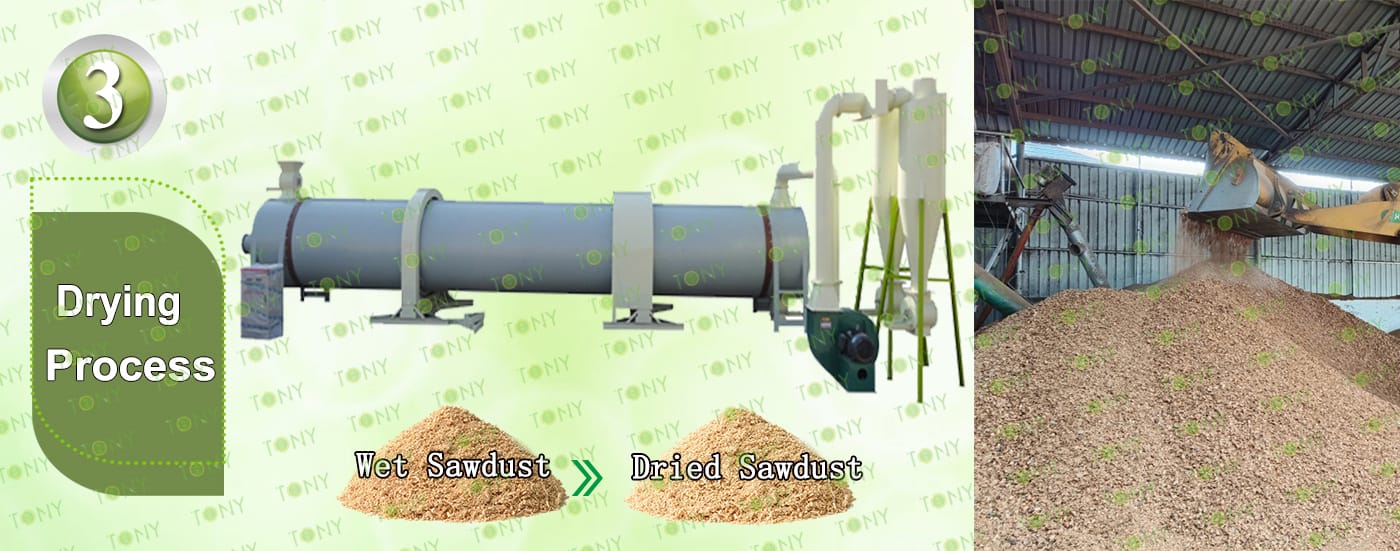
3.Sawdust Drying Process:
A.This process is mainly used to dry the sawdust from 40% to 10-15%.
B.Capacity:12-14Ton/Hour.
C.TONY use 2 sets of 2*24m rotary drum dryer for this process, TONY hot blast stove is made of firebrick pan, shell with H steel plate as the frame. There are 3 layers of fire blocking device inside, which can effectively prevent the fire from entering the tumble dryer.Customers can choose to use waste wood, biomass pellets, natural gas, etc. as fuel for the hot air furnace
TONY dryer use spiral tube material, and is not easy to deform.
Unlike other manufacturers with iron plate splicing welding, very easy to deformation.
Main Parts:
(1)TONY's Rotary Drum Dryer Main Body. (Reducers With Motors and Pips.)
(2)TONY's Hot Stove.
(3)Fan Blower+Cyclone With Airlock.

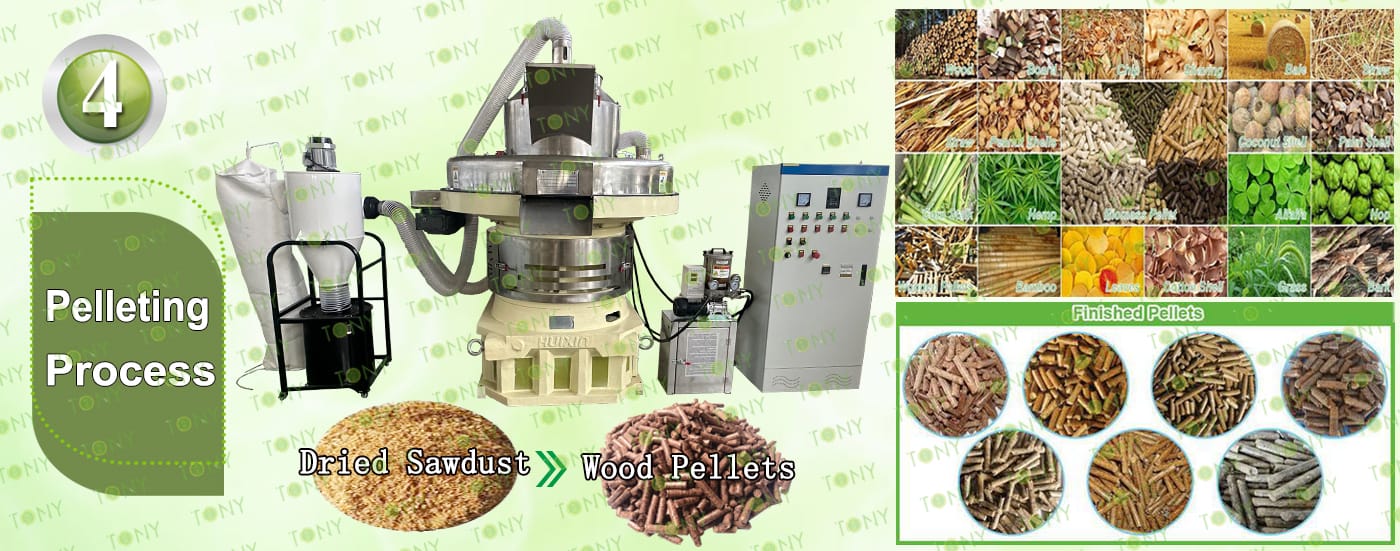
4.Pelletizing Process:
A.This process is mainly used to to product pellets into φ6-8mm.
B.Capacity:12-14Ton/Hour.
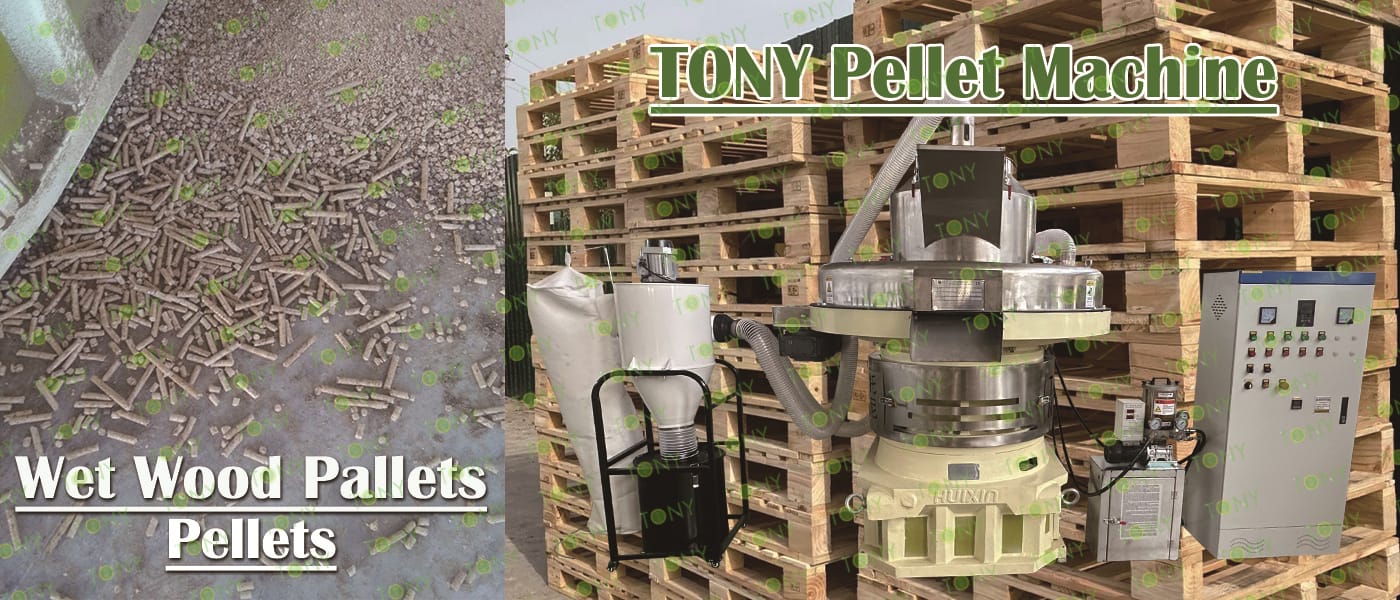
C.TONY brand vertical ring die pellet machine TYJ860-III-220KW*4sets
D.Double screw cycling silo is added above the pellet machine, which has the advantages of saving space, saving labor, intelligently controlling the feeding speed, not easy to block the material, and improving production efficiency.
Main Parts:
(1)TONY's New Vertical Ring Die Pellet Machine.
(2)Cyclone And Bags Dust Collectors.
(3)Automatic Lubrication System.
(4)Electrical Cabinets.
You can chose TONY new type SS304 pellet machine
5.Cooling Process:
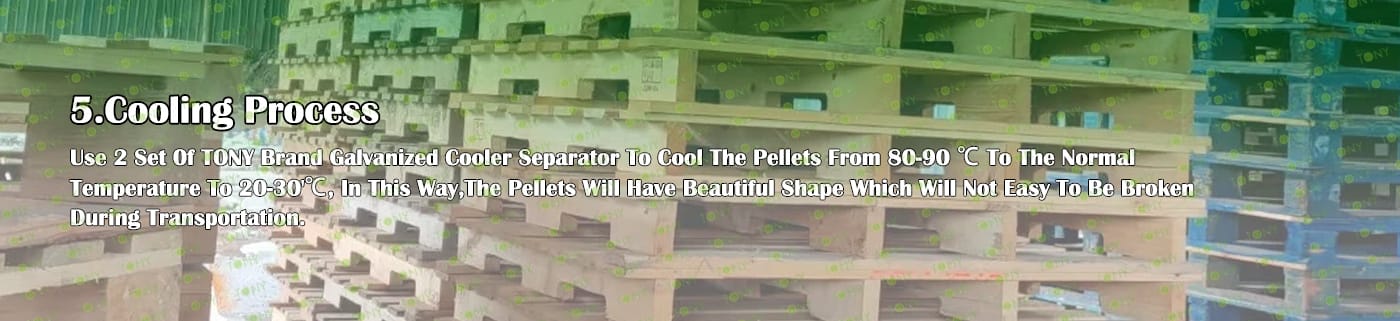
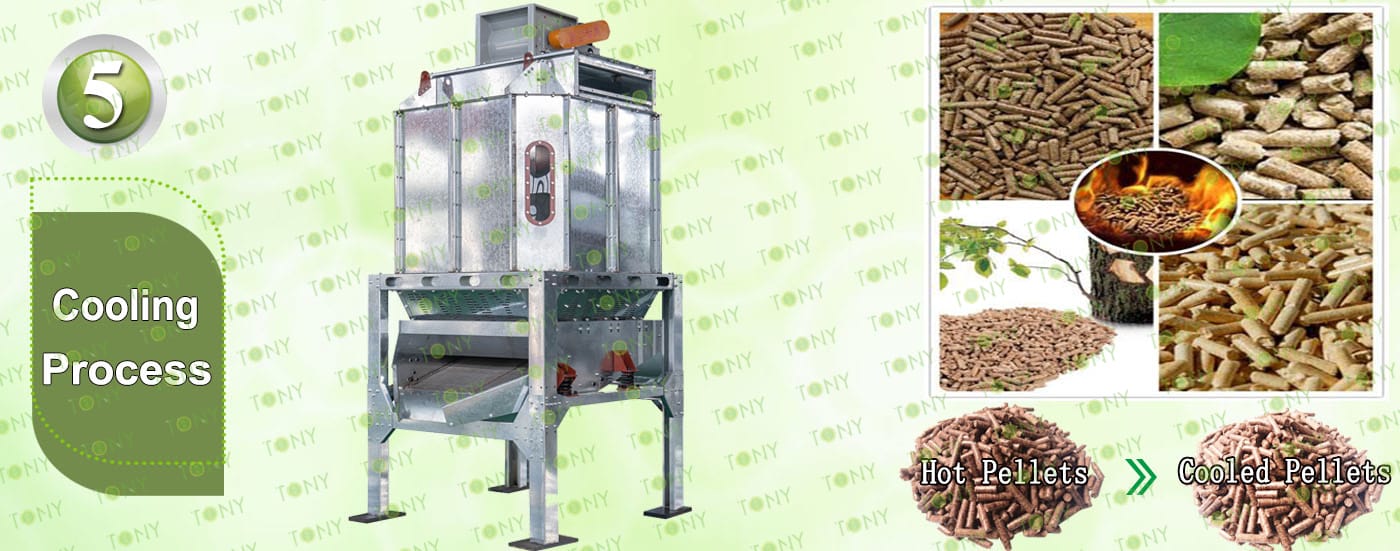
A.This process is mainly used to cool pellets from 80-90℃ to 20-30℃
B.Capacity:12-14Ton/Hour.
C.TONY brand galvanized cooler separator*2sets
Main Parts:
(1)TONY's Galvanized Cooler Separator With Vibrating Screen.
(2)Cyclone And Bags Dust Collectors.
(3)Fan Blower.
(4)Connect Pipes.

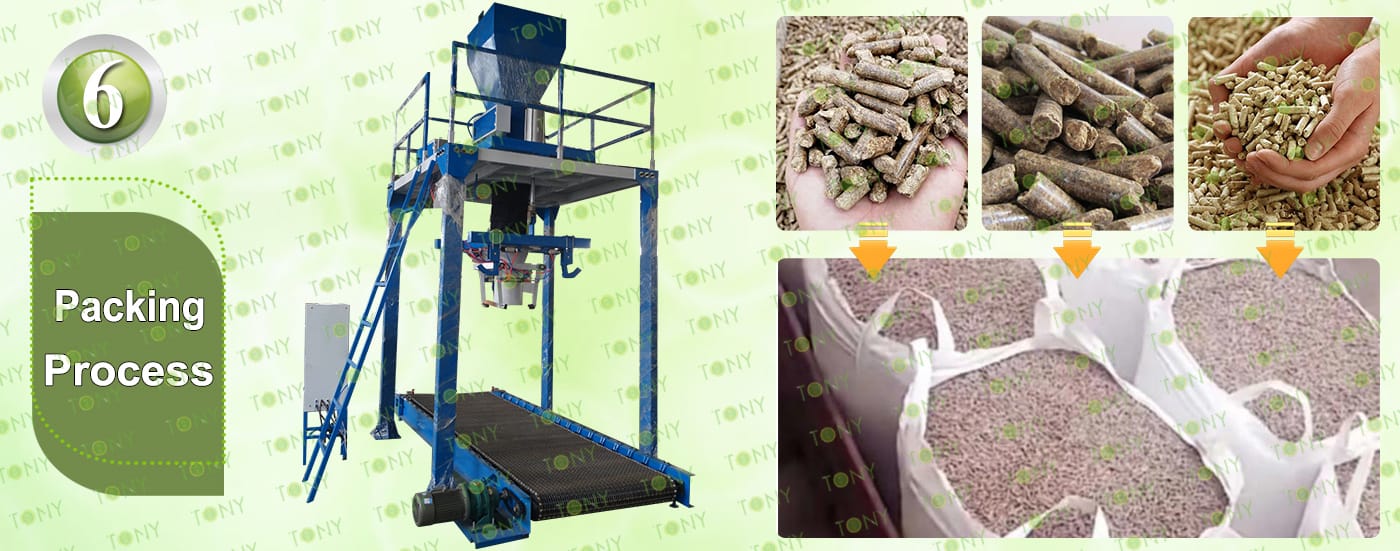
6.Packing Process:
A.This process is mainly used to pack pellets into 1ton/bags.
B.Capacity:12-14Ton/Hour.
C.TONY brand ton packing machine*2sets
Main Parts:
(1)TONY Ton Packing Machine
(2)Electronic Platform Scale Metering System
(3)Automatic Tare, Zero, and Drop Correction Functions
(4)Feeding System Features Fast, Medium, and Slow Feeding Speeds to Ensure Measuring Accuracy


Market demand analysis of the project of processing wood pallets into biomass pellets
Wood pallets are traditional packaging materials. The waste wood or scraps generated by their processing can be converted into biomass pellets. The market demand for this extension of the industrial chain is mainly driven by the following factors:
1.Global trade and logistics development:
Wood pallets are widely used in logistics and transportation. With the growth of global trade, their demand continues to rise, indirectly increasing the recycling volume of waste wood pallets and providing a stable source of raw materials for biomass pellets.
2.Environmental protection policies and sustainable development needs:
Biomass pellets are renewable energy and are in line with environmental protection trends. The conversion of waste generated by wood pallet processing into pellets can reduce wood waste and meet the needs of energy structure transformation.
3.Energy substitution market space:
Biomass pellets can replace fossil energy such as coal and natural gas and are used in power generation, industrial furnaces and civil heating, especially in areas with high energy prices such as Europe.

As biomass pellet fuel or industrial auxiliary material, wood pallet pellets offer stable physical and chemical properties, and their user experience surpasses traditional loose wood and coal. Specifically, they demonstrate the following:
1.High energy density and excellent combustion efficiency
After compression molding, wood pallet pellets achieve a density of 1.1-1.3g/cm³ (much higher than the 0.4-0.6g/cm³ of loose wood), a volume reduction of 6-8 times, and a calorific value per unit volume of 4200-4800kcal/kg (similar to medium-quality coal). They also resist slagging during combustion (due to the low ash content of 1%-3% found in softwood, wood pallets are primarily made of softwood). Their thermal efficiency is over 30% higher than that of loose wood, making them suitable for use in boilers, fireplaces, hot air furnaces, and other equipment.
2.Convenient Storage and Transportation, Low Cost
The pellets have a regular shape (mostly cylindrical, 6-10mm in diameter and 10-30mm in length) and good fluidity. They can be transported in bags, silos, or conveyor belts, and are resistant to moisture and deformation. They require only one-fifth the storage space of bulk wood of the same thermal mass, and there's no concern for insect infestation or mildew (the high temperatures during the pelletizing process kill insect eggs and mold), reducing labor and space costs during storage and transportation.
3.Low Entry Points, Wide Adaptability
Wood pallet pellets can be directly used in automated biomass combustion equipment (such as pellet stoves and biomass boilers). No complex pre-processing (such as chopping or pulverizing) is required; simply feed the pellets at a constant rate through a feeder. Operation is simple, making them suitable for industrial heating, home heating, agricultural greenhouse insulation, and other applications. They can also serve as an auxiliary fuel in biomass power plants.




2025 Tony Machinery - All Rights Reserved. Map