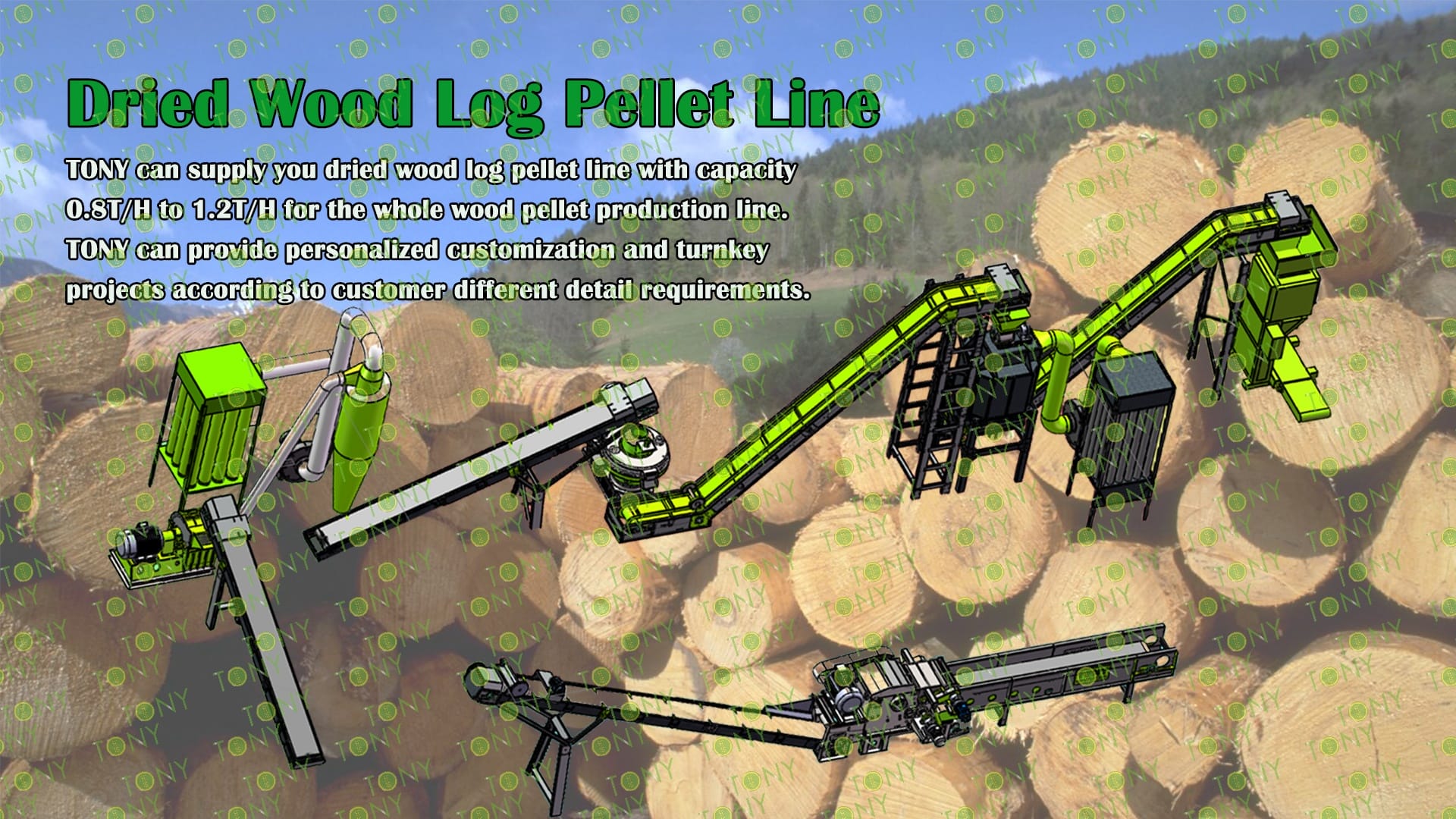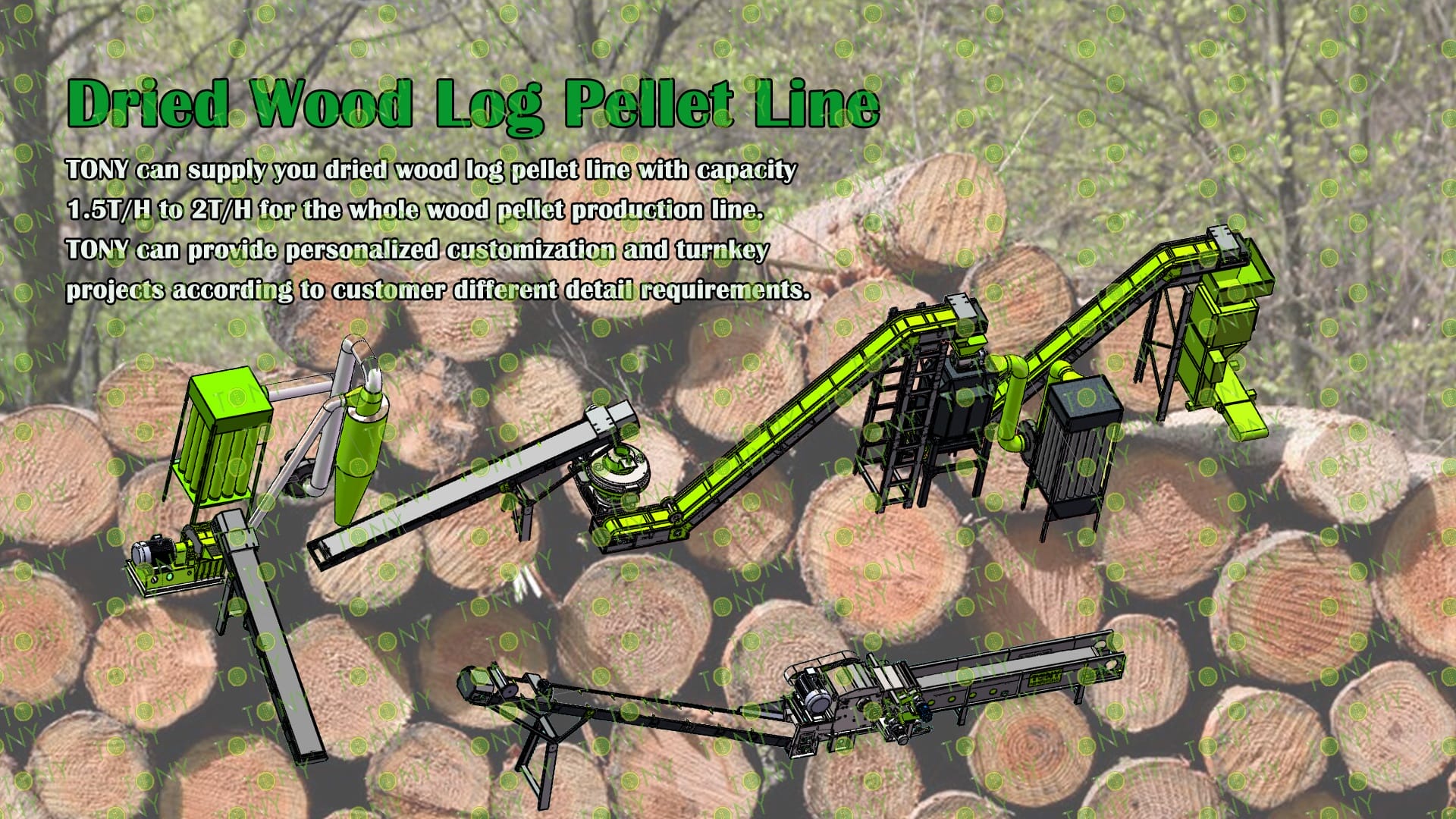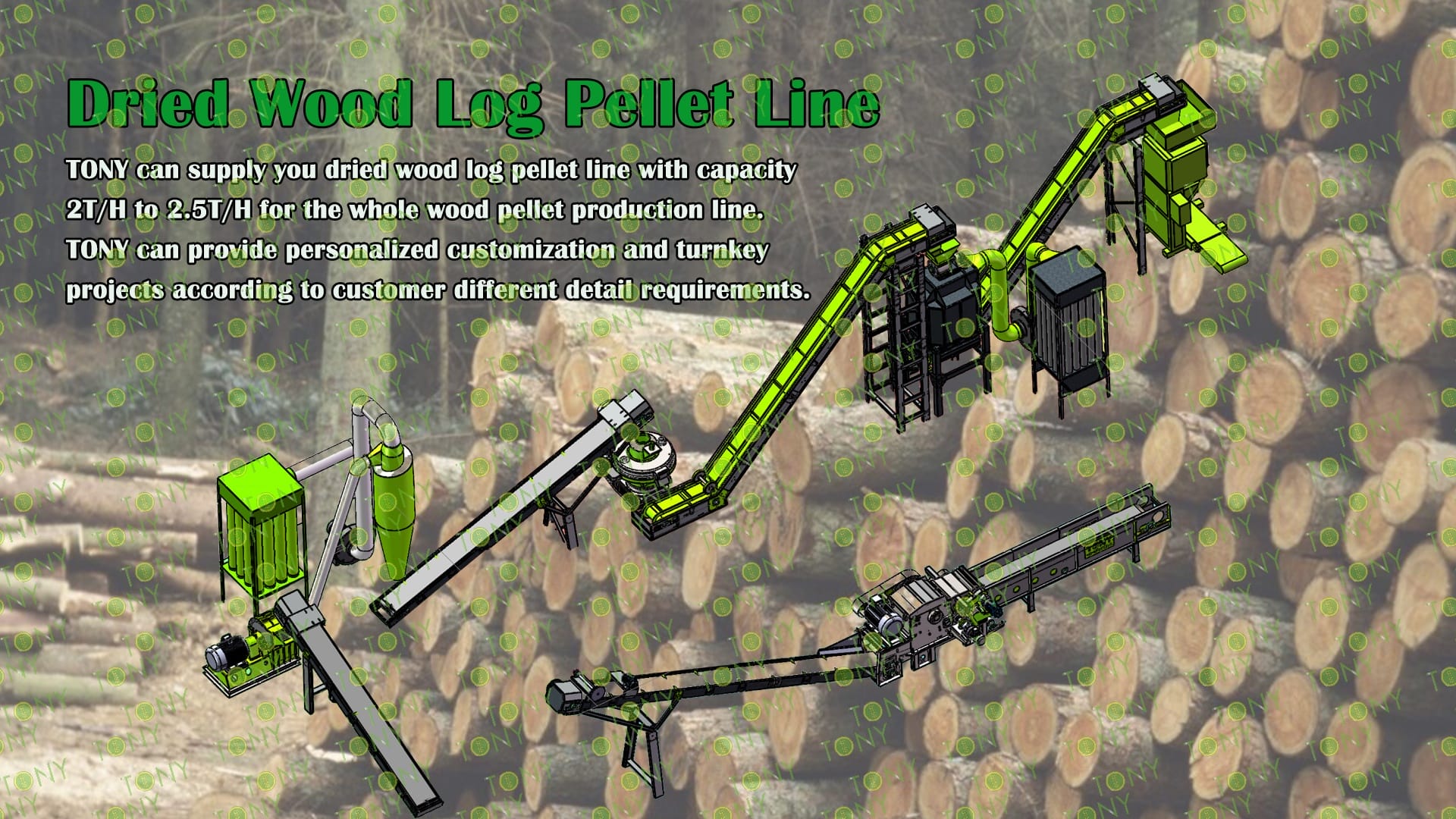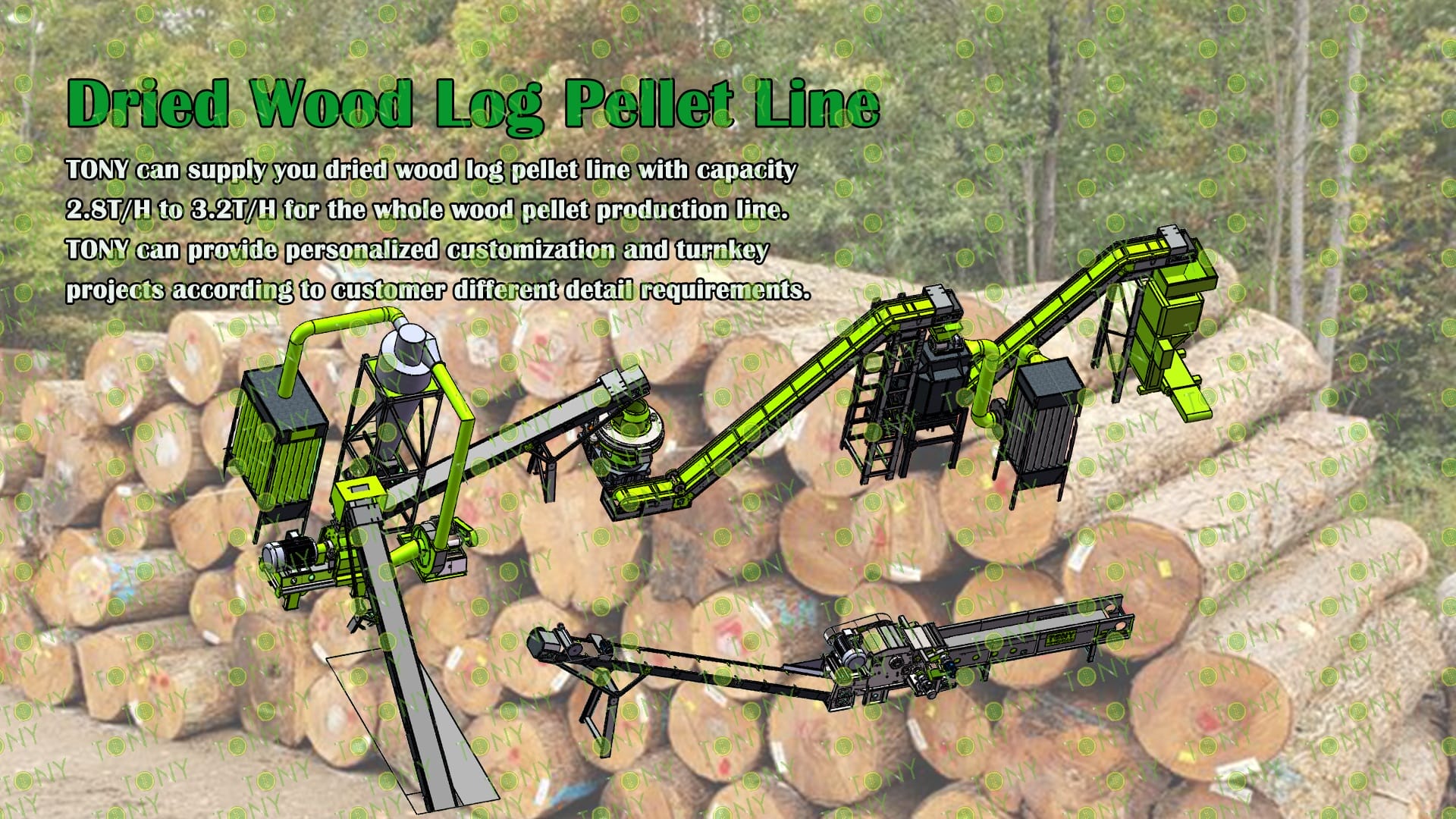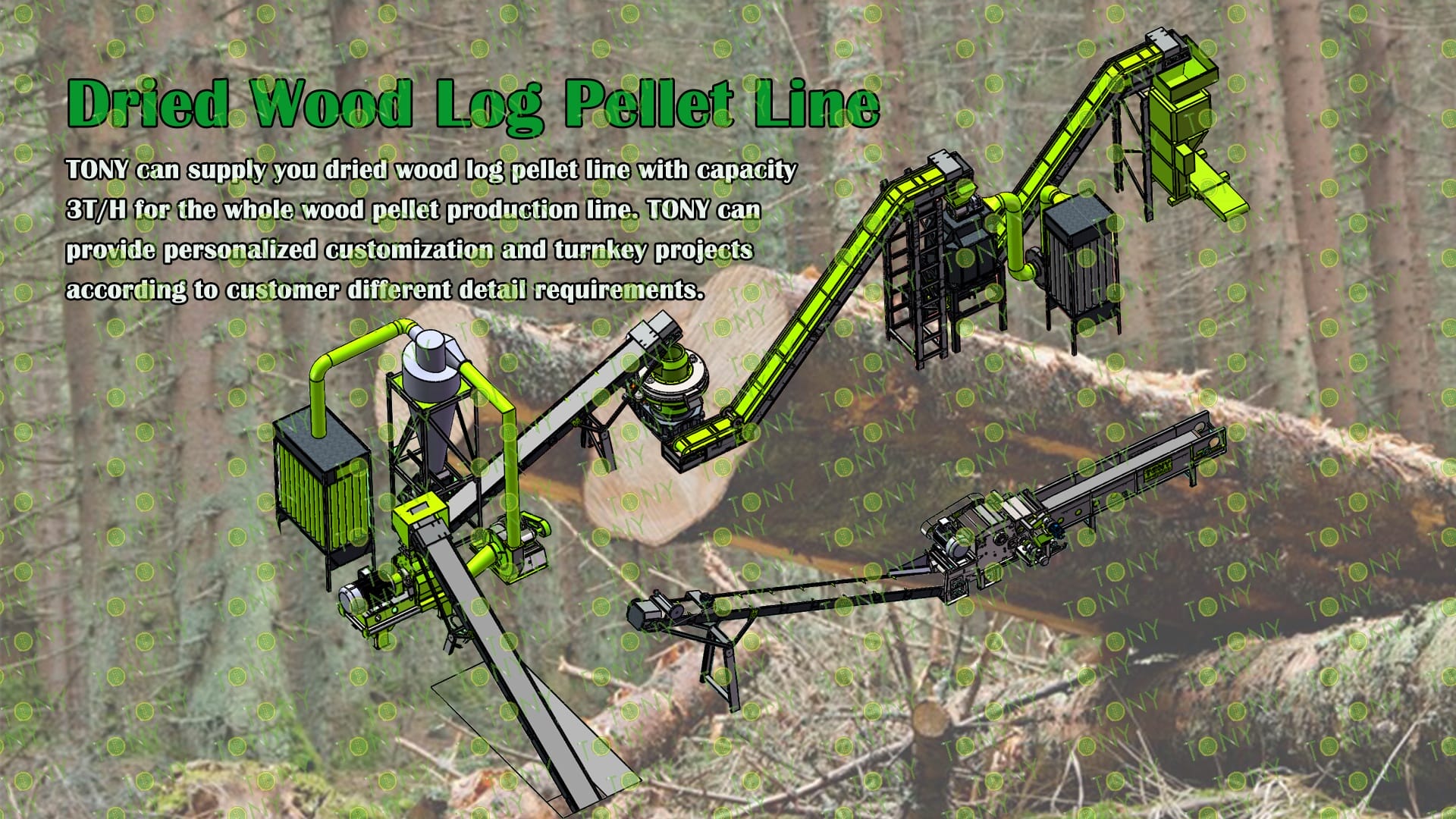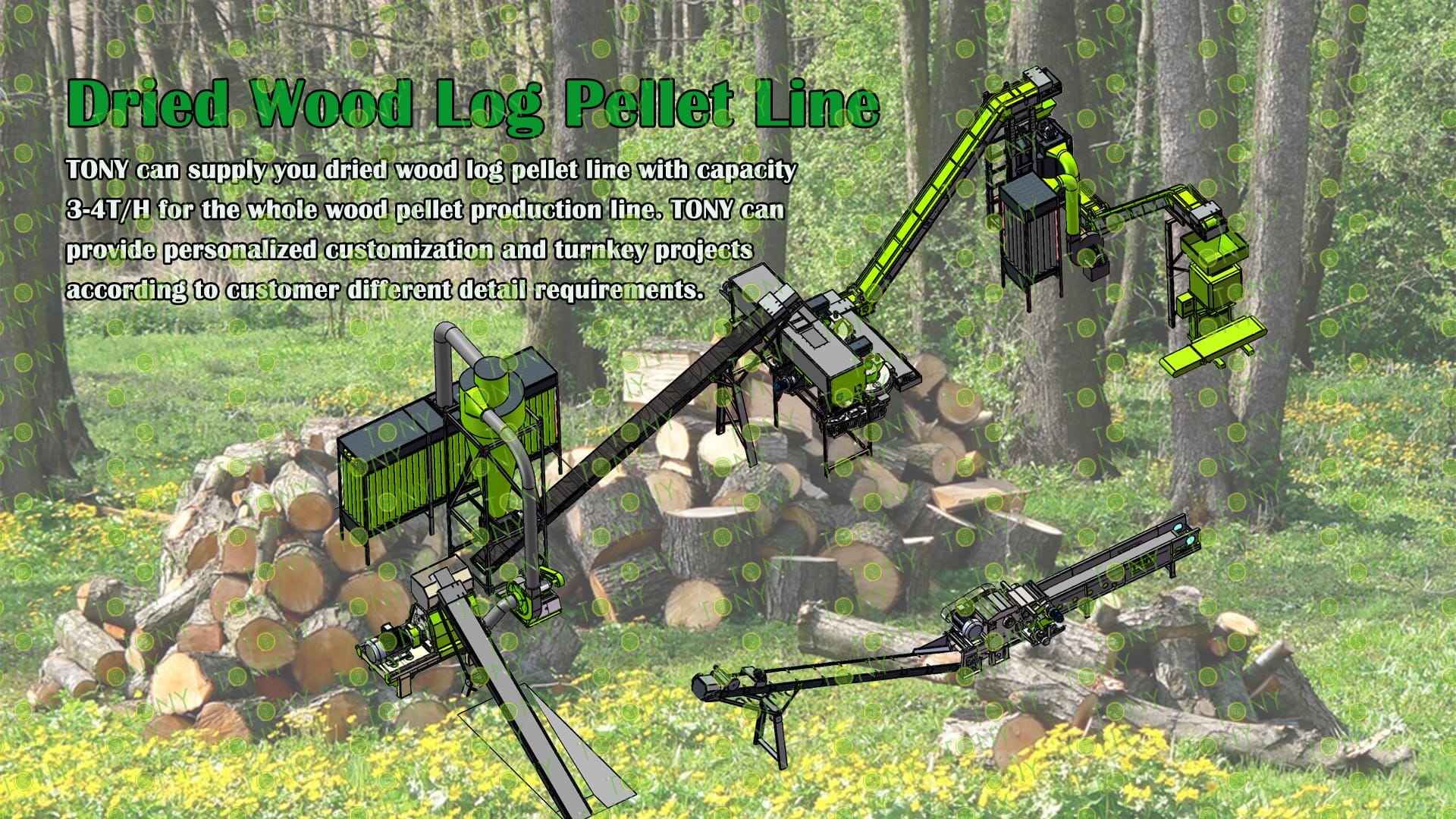





















Project Brief Introduction:
1.Product:Dried Wood Log Pellet Line
2.Capacity:12-14T/Hour
3.TONY Brand 12-14Ton /Hour Dried Wood Log Pellet Line Project Process
4.Main Machine: Comprehensive Chipper , Hammer Mill, TONY Pellet Machine TYJ860-Ⅲ-220KW, Pellet Cooler, Packing Machine And Belt Conveyors
5.Total Power: About 1750KW
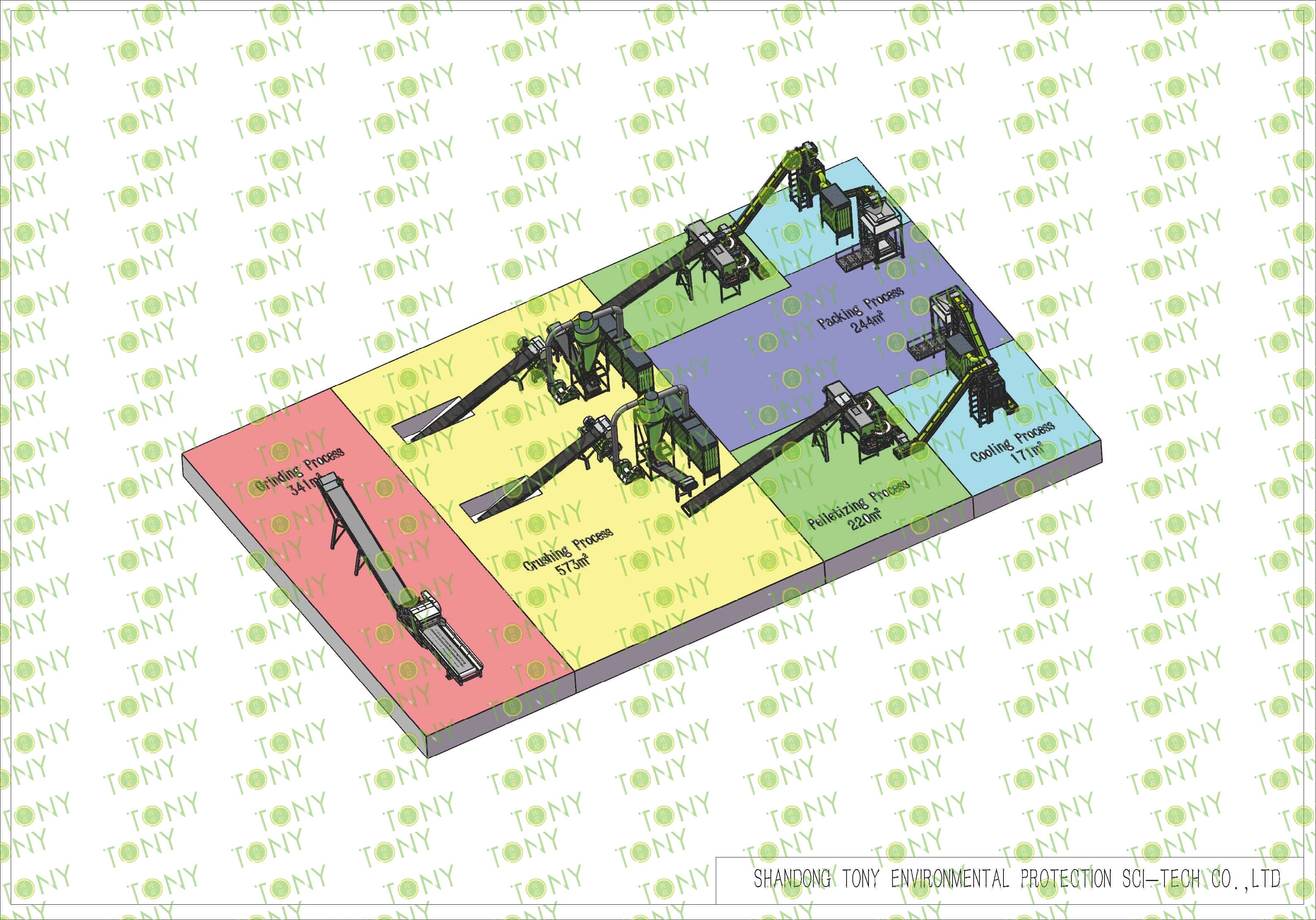
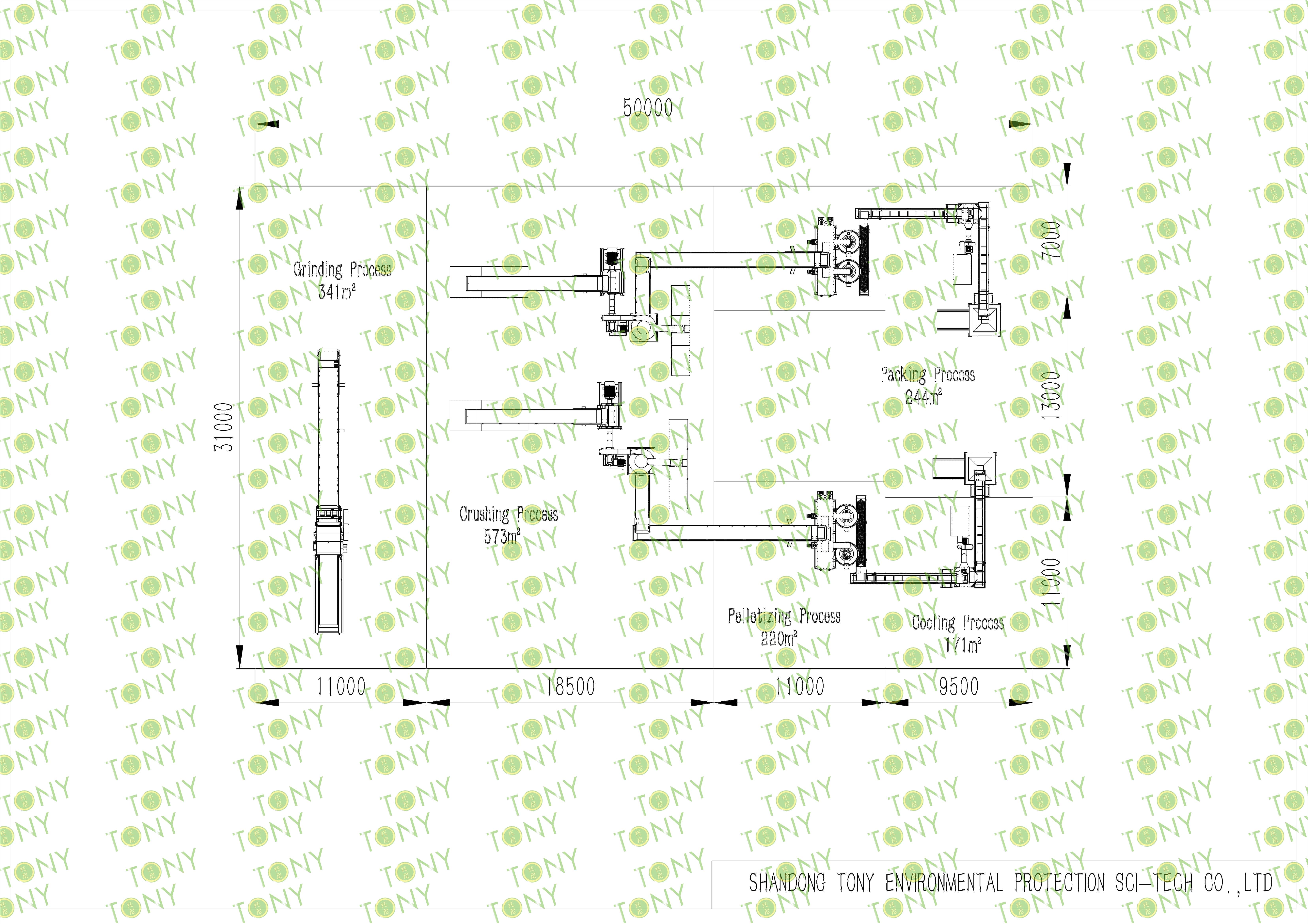
6.Need Area: About 1550㎡ L: 50M W: 31M H: 6.517M
Project Layout For Customer:
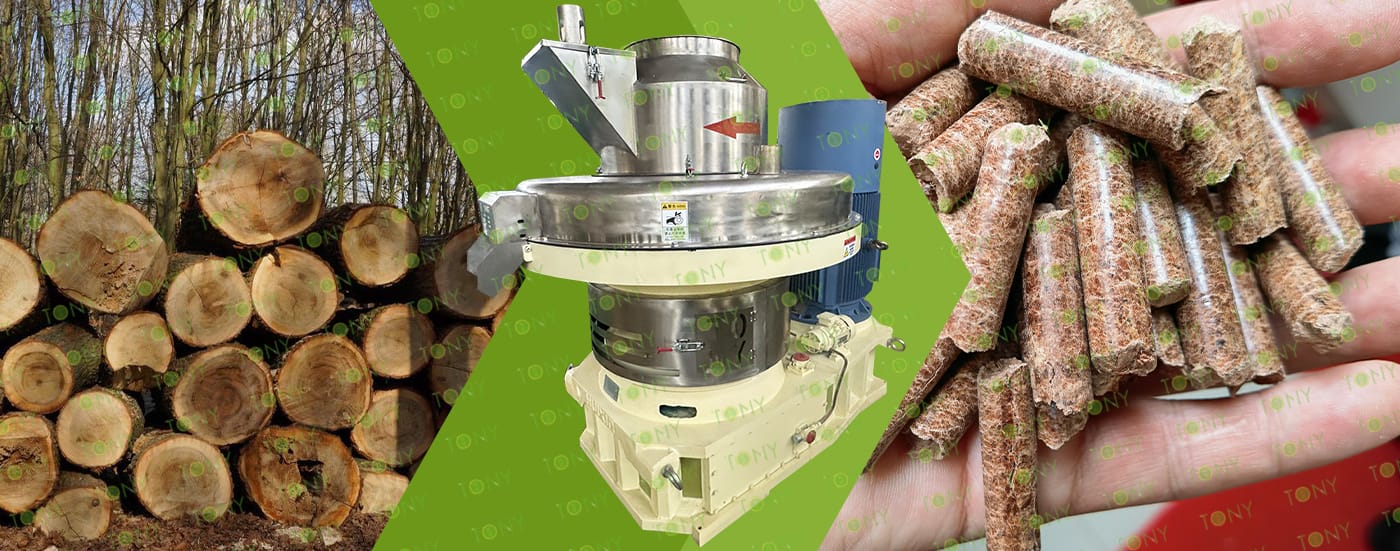
1.The working principle of dried wood log biomass pellet processing equipment
Dry wood biomass pellet processing equipment operates by converting dry wood waste (such as sawdust, shavings, and wood chips) into high-density, regularly shaped biomass pellet fuel through a series of physical processes. This process relies on mechanical extrusion and the natural bonding of lignin, eliminating the need for additional adhesives. The dry wood biomass pellet processing process can be summarized as follows: raw material pretreatment → extrusion molding → post-processing. Because the raw material is "dry wood" (with a moisture content typically controlled at 10%-15%), deep drying is not required. Instead, the process focuses on densifying the material through mechanical force and utilizing the heat generated during processing to activate the bonding properties of lignin, ultimately forming stable pellets.
2.Characteristics of dried wood log biomass pellet processing equipment
(1)Environmental protection and energy saving, in line with the concept of green production
Low pollution emissions: No wastewater is generated during the processing process. Only a small amount of waste gas may be generated during the drying process (if necessary), but it can be effectively purified by the supporting dust removal equipment (such as cyclone separators, bag dust collectors), which meets environmental protection standards.
Relatively low energy consumption: Since the raw materials are already dried, the high-energy-consuming deep drying process is eliminated; and the pelletizing process uses extrusion friction to generate heat, without the need for additional heating (or only auxiliary heating), and the overall energy consumption is lower than that of wet material processing equipment.
Outstanding environmental attributes of the product: The biomass pellet fuel produced has low carbon emissions when burned (approximately "carbon neutral"), and the sulfur and nitrogen content is much lower than that of coal. It can replace fossil fuels, reduce environmental pollution, and contribute to the "dual carbon" goal.
(2)High degree of automation and easy operation and maintenance
Automatic control system: The complete set of equipment is usually equipped with a PLC control system, which can realize the linkage control of raw material transportation, feeding, pelletizing, cooling, screening and other links, and automatically monitor parameters such as raw material moisture content, pellet temperature, equipment load, etc., reducing manual intervention. Easy-to-maintain design: Core components (such as ring dies, rollers, and blades) are made of high-strength, wear-resistant materials (such as alloy steel) with a long service life. The modular structure makes it easy to disassemble, replace, and repair, reducing downtime and maintenance costs.
Complete safety protection: The equipment is equipped with safety devices such as overload protection, temperature alarm, and emergency stop button, which can effectively avoid damage caused by raw material impurities (such as metal blocks) or equipment failure, ensuring production safety.
3.Application scenarios of dried wood log biomass pellet processing equipment
(1)Professional Biomass Pellet Plants
These are core sites for large-scale wood pellet production, typically equipped with complete production lines, with daily output ranging from a few to dozens of tons. These products are supplied to industrial boilers, power plants, distributors, and other facilities.
(2)Wood Processing Plant Supporting Production
Furniture factories and wood-based panel factories generate large quantities of sawdust and scraps. These plants can be equipped with small-scale pellet processing equipment to convert these waste materials into pellets for their own use (e.g., factory heating and wood drying) or for external sale, thus realizing "waste resource utilization."
(3)Agricultural Cooperative/Forest Farm Ancillary Processing
Tree branches and wood waste from fruit tree pruning are crushed and processed into pellets for use in the cooperative's greenhouses, for heat preservation in livestock farms, and for heating nearby farmers.
(4)Home/Small Workshop Production
Rural areas or individual operators utilize local wood resources to produce pellets, primarily for heating nearby farmers or small commercial establishments (such as guesthouses). This approach is suitable for small-scale, localized sales.

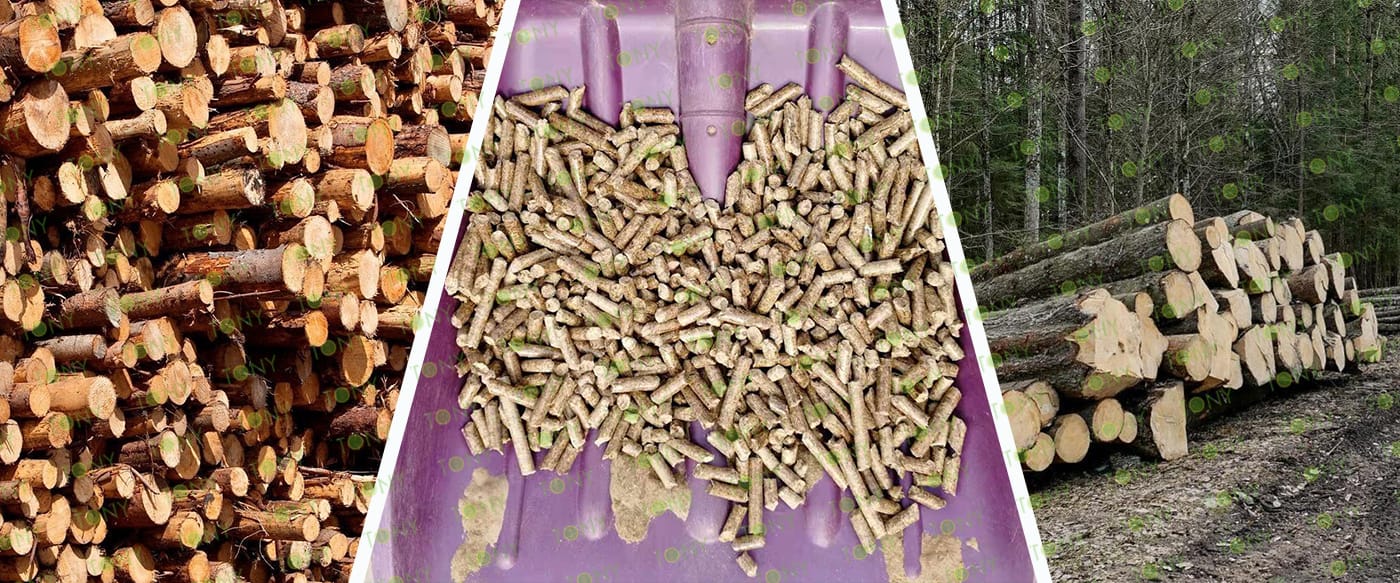
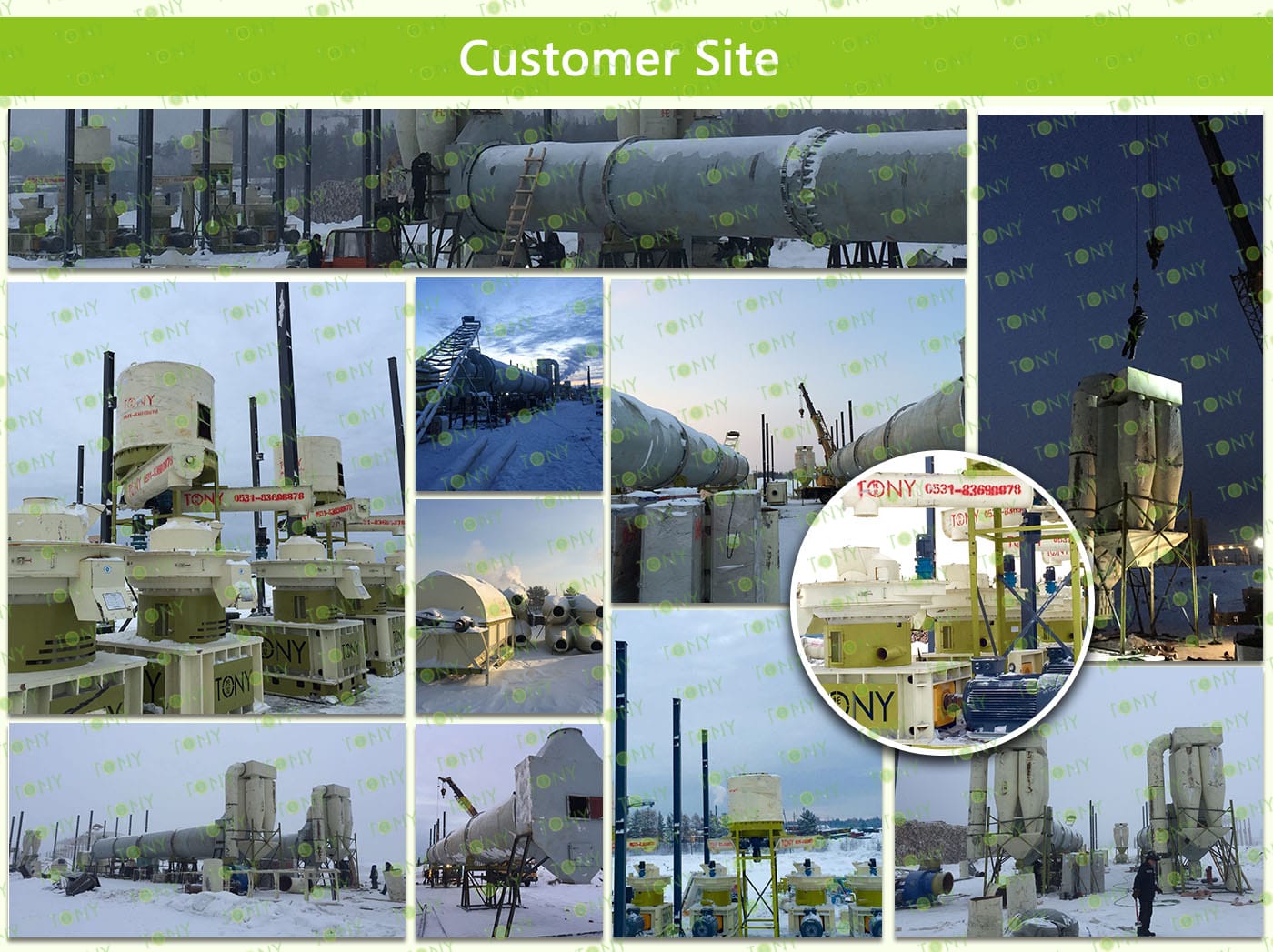
TONY Brand 12-14Ton/Hour Dried Wood Log Pellet Manufacturing Plant can take dried wood, various types of wood - related biomass materials, such as branches, small - diameter logs, and wood shavings, with dried wood as the main raw material. After pretreatment and processing, it is solidified into high - density wood pellet fuel. This fuel is an ideal substitute for coal and oil and plays a role in energy conservation and emission reduction. At present, it has been widely used in regions rich in wood resources.
1. Capacity: 12-14Ton/Hour
2. Raw materials: Dried wood logs , branches, small - diameter logs, twigs, etc.
3. Moisture: Dried type, about 10-15%.
4. Application: All kinds of wood - based biomass materials suitable for pellet production.
Suitable customers: Green energy companies, forestry enterprises, and private wood - processing workshops that have advantages in wood raw materials.
5. Finished Pellets Markets: Large power plants ,domestic heating, industrial heating, combustion heat, heating systems, boiler rooms, school canteens, foundry heat sources.

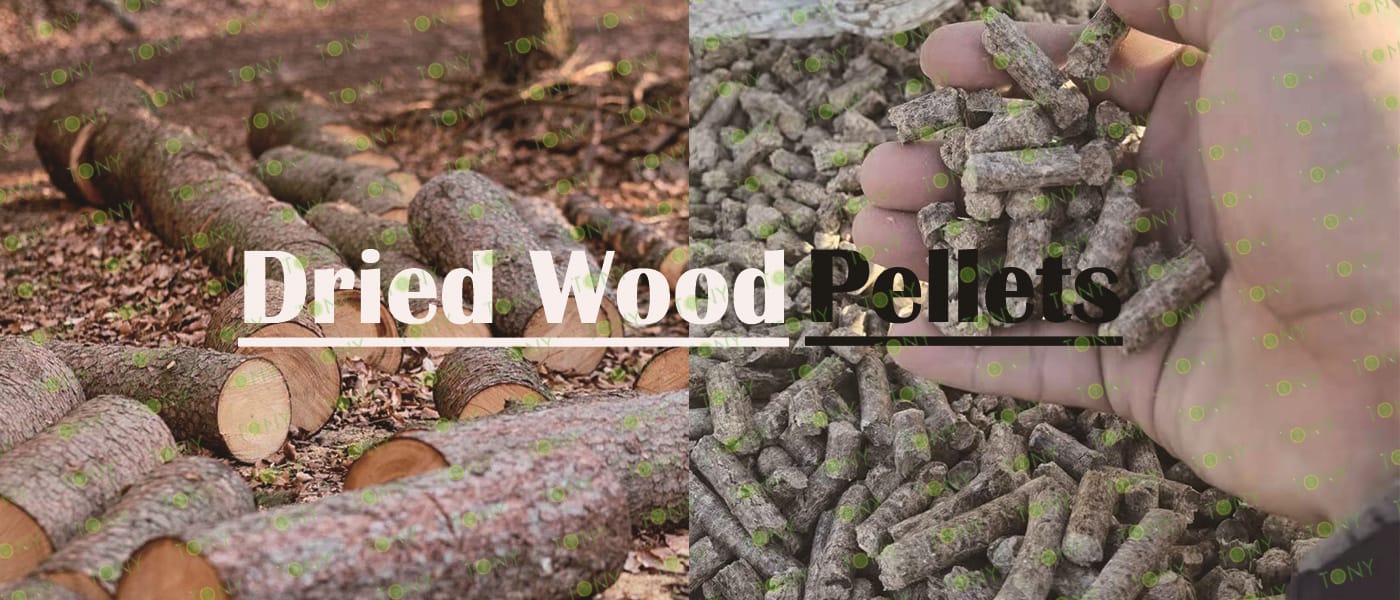
1. Project Name: Dried Wood Log Pellet Production Line
2. Raw Material: All kinds of Dried wood log
3. Moisture Content of Raw Material: 10-15%
4. Capacity: 12-14 tons per hour
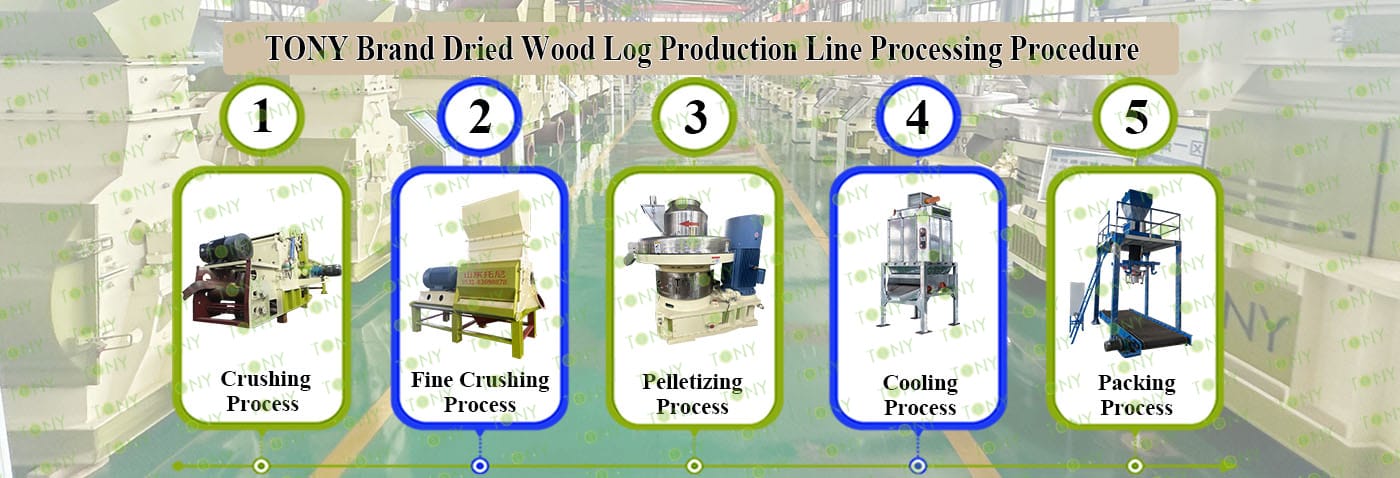
5. Process: Crushing Process - Fine Crushing Process - Pelletizing Process - Cooling Process - Packing Process
6. Main Equipment: Comprehensive Chipper TPC1400-600-200KW, Effective Hammer Mill-TFD85-220-220KW, TONY Pellet Machine TYJ860-Ⅲ-220KW, Pellet Cooler, Ton Packing Machine and Belt Conveyors

|
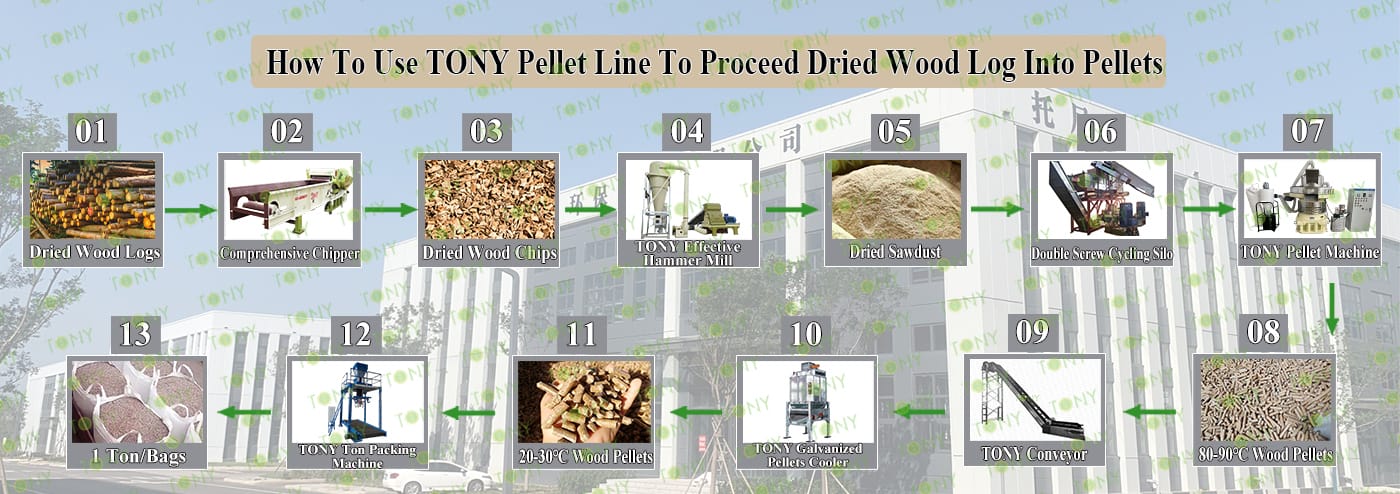
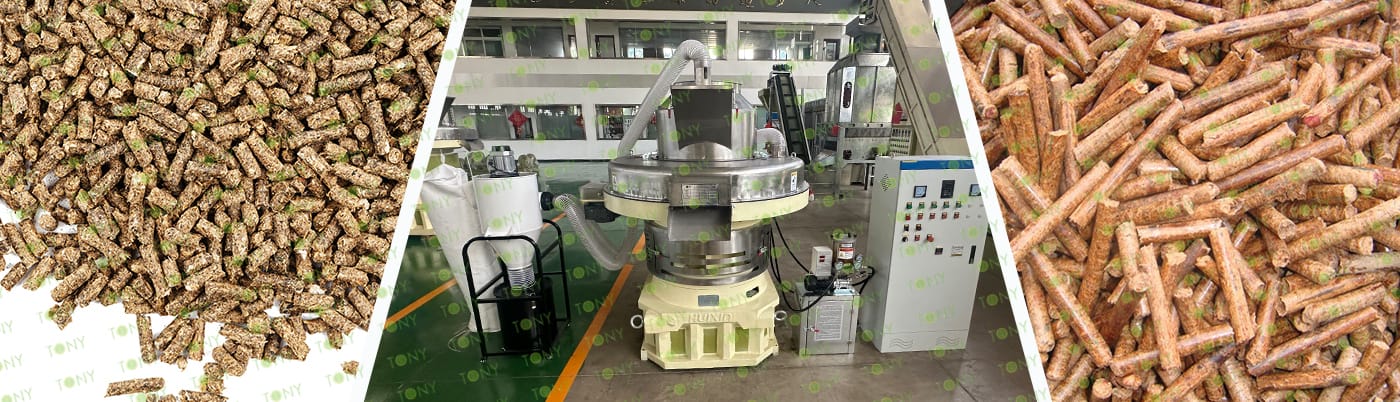
How to use the TONY pellet production line to make pellets from dried wood log? The process mainly includes the following steps and equipment: 1. Use TONY comprehensive chipper to cut dried wood log with a diameter of less than 30cm into wood chips 25 - 55 mm in length. 2. Use TONY effective hammer mill to crush the 25-55 mm wood chips into 8-14 mm sawdust. 3. Use TONY vertical ring die pellet machine to produce pellets with a diameter of 6-8 mm. 4. Use TONY galvanized cooler to cool the pellets from 80-90°C to 20-30°C. 5. Use TONY ton packing machine to pack the pellets into bags, each weighing 1 ton. For more detailed information and quotations, you can contact TONY. TONY can provide all the above - mentioned products at highly competitive prices and with excellent quality. |
|
|||||||||||||||||||||||||||||||||||||||||||||
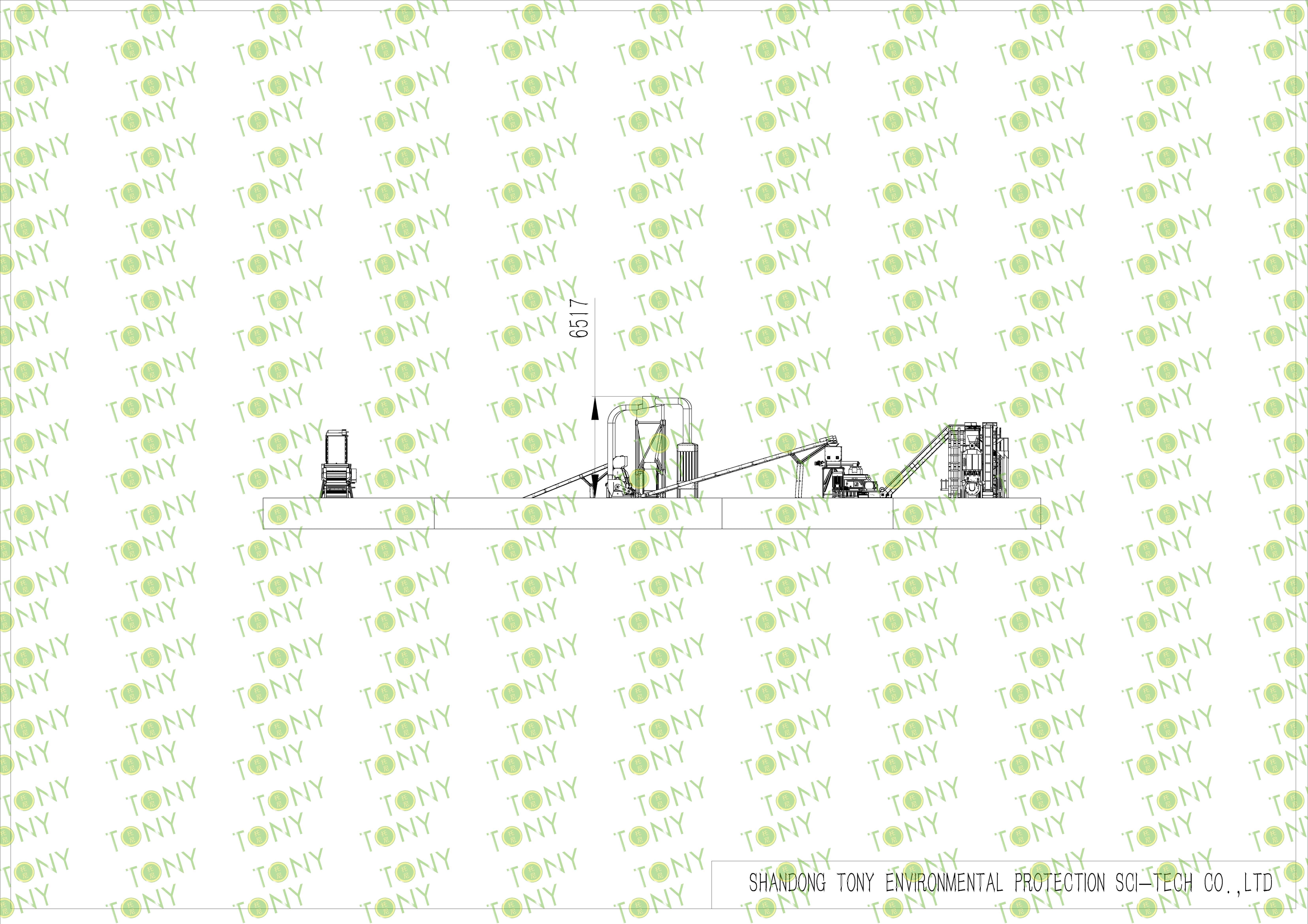
| Next, TONY Will Introduce To You All The Necessary Machinery That Will Be Used For The Whole Pellet Production Line. Some Machines Can Be Custom - Made By Customers According To Different Customers' Detailed Demands. Contact TONY For More Details, Including Quotation And Layout. | ||
 |
 |
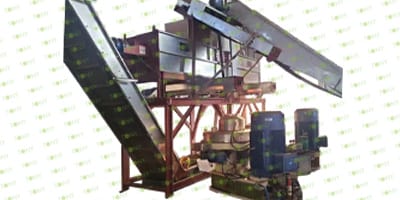 |
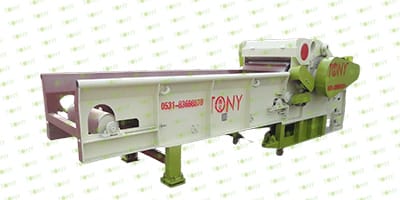
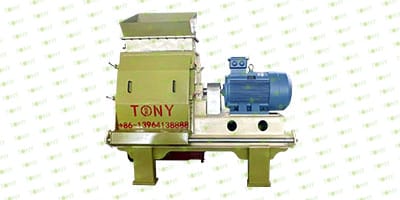
| Comprehensive Chipper | Effective Hammer Mill | Double Screw Cycling Silo |
| 1.To Grind Wood Logs φ ≤35cm Into25-55mm Wood Chips. 2.Model: TPC1400-600-200KW With 6 Blades*1set 3.Capacity:14-20Ton/Hour. |
1.To Crush 25-55mm Wood Chips Into 8-14mm Sawdust. 2.Model: TFD85-220-220KW*2sets 3.Capacity: 7-8Ton/Hour/Set |
1.To Stroage Sawdust Before Pellet Machine; Adjust The Speed Of Sawdust Entering The Pellet Machine 2.Model: TLC-7*2sets 3.Capacity:6-7Ton/Hour/Set |
 |
 |
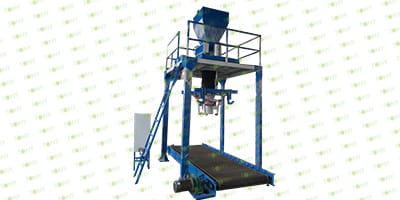 |
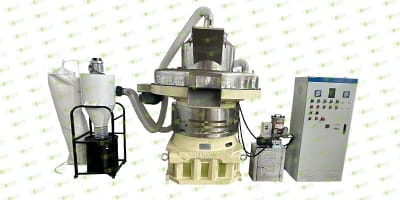
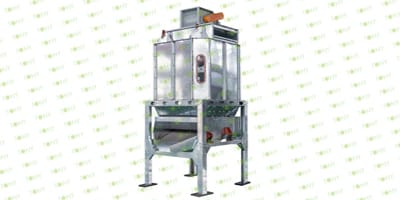
| Vertical Ring Die Sawdust Pellet Machine | Galvanized Pellets Cooler | Ton Packing Machine |
| 1.To Press Dry Sawdust Into 6-8mm Biomass Pellets 2.Model: TYJ860-III-220KW*4sets 3.Capacity:3-4Ton/Hour/Set 4.New 304SS Type |
1.To Cool Pellets From 80-90℃ Into 20-30℃ 2.Model: TCN-4*2sets 3.Capacity:12-14Ton/Hour |
1.To Pack Pellets Into 1Ton/Bags. 2.Model: TBD*2sets 3.Capacity: 12-14Ton/Hour |
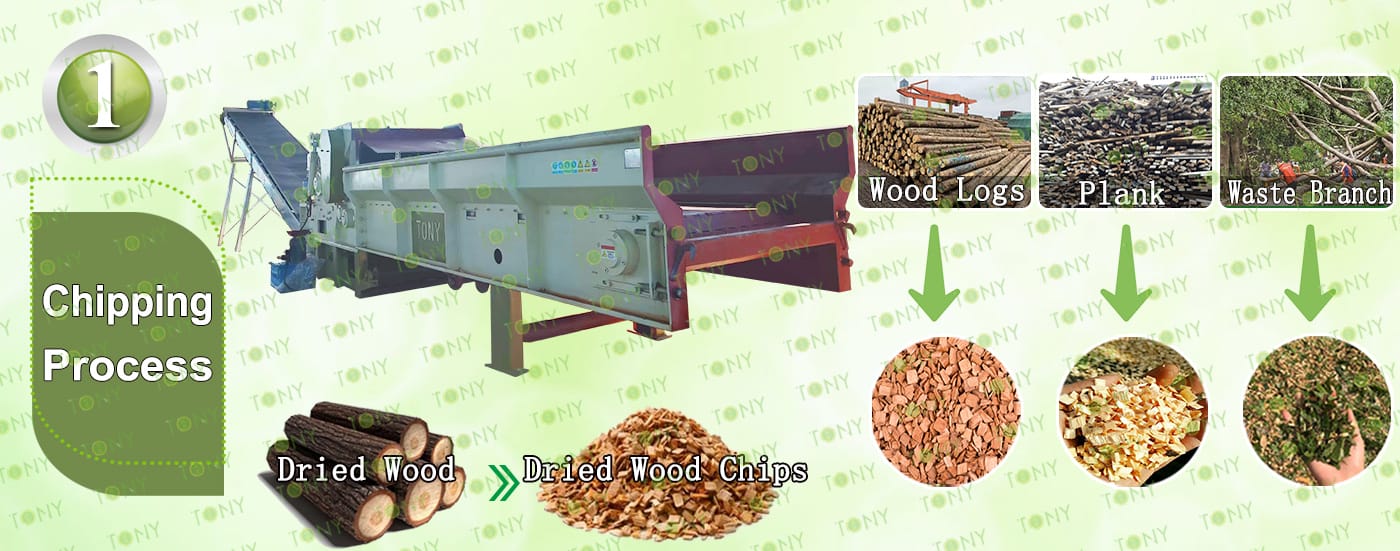
1.Wood Chipping Process:
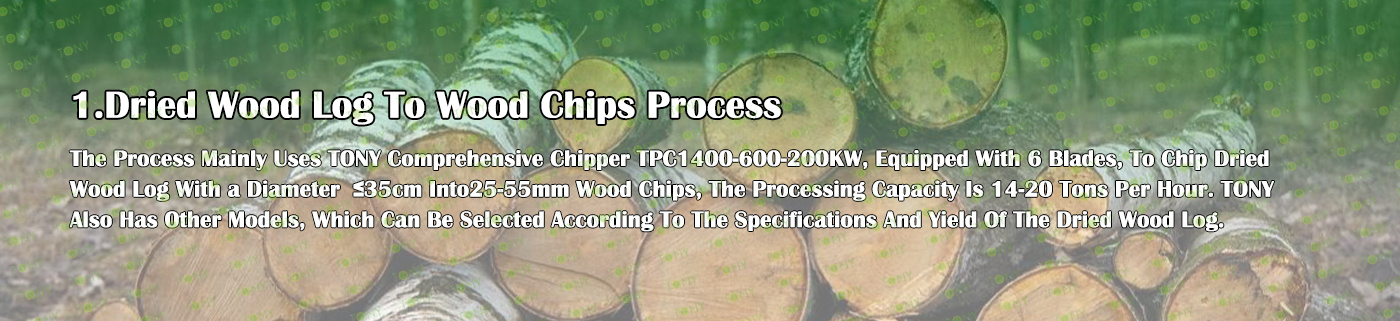
A.This process is mainly used to grind the wood logs whose diamater is under 35cm into wood chips with size 25-55mm. The finish wood chips size can be adjustable by changing different sizes of screeners and adding flying knives inside the wood chipper.
B.TONY brand TPC1400-600 model with 6 flying blades type
C.Capacity:14-20Ton/Hour.
Main Parts:
(1)TONY's Comprehensive Chipper.
(2)Feed And Discharge Belt Frequency Control To Prevent Card Material
(3)Hydraulic System Control Can Be Used For Thicker Materials
(4)Electronic Control System Allows The Equipment To Be Used Normally
Contact Tony For More Details With Quotation

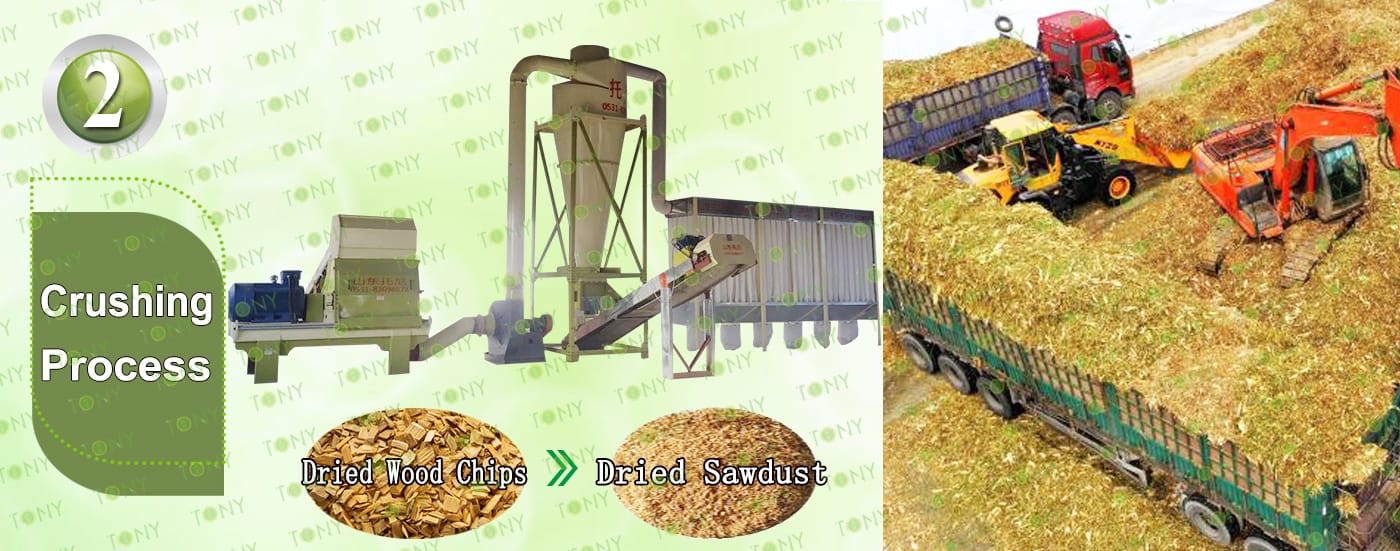
2.Wood Chips Fine Crushing Process:
A.This process is mainly used to crush 25-55mm wood chips into 8-14mm sawdust.
B.Capacity:12-14Ton/Hour.
C.TONY brand effective hammer mill TFD85-220-220KW*2sets
Main Parts:
(1)TONY Effective Hammer Mill.
(2)Galvanized Dust Collector.
(3)Sawdust Transportation Fan Blower.
(4)Cyclone With Airlock.
(5)Electrical Cabinets.

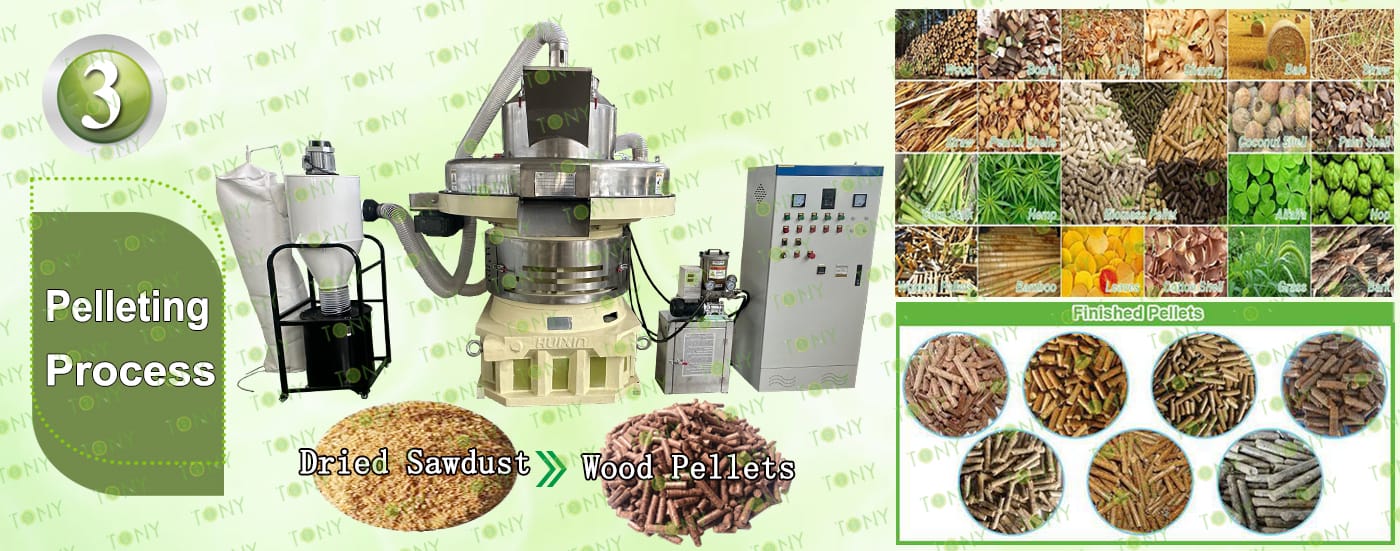
3.Pelletizing Process:
A.This process is mainly used to to product pellets into φ6-8mm.
B.Capacity:12-14Ton/Hour.
C.TONY brand vertical ring die pellet machine TYJ860-III-220KW*4sets
D.Double screw cycling silo is added above the pellet machine, which has the advantages of saving space, saving labor, intelligently controlling the feeding speed, not easy to block the material, and improving production efficiency.
Main Parts:
(1)TONY's New Vertical Ring Die Pellet Machine.
(2)Cyclone And Bags Dust Collectors.
(3)Automatic Lubrication System.
(4)Electrical Cabinets.
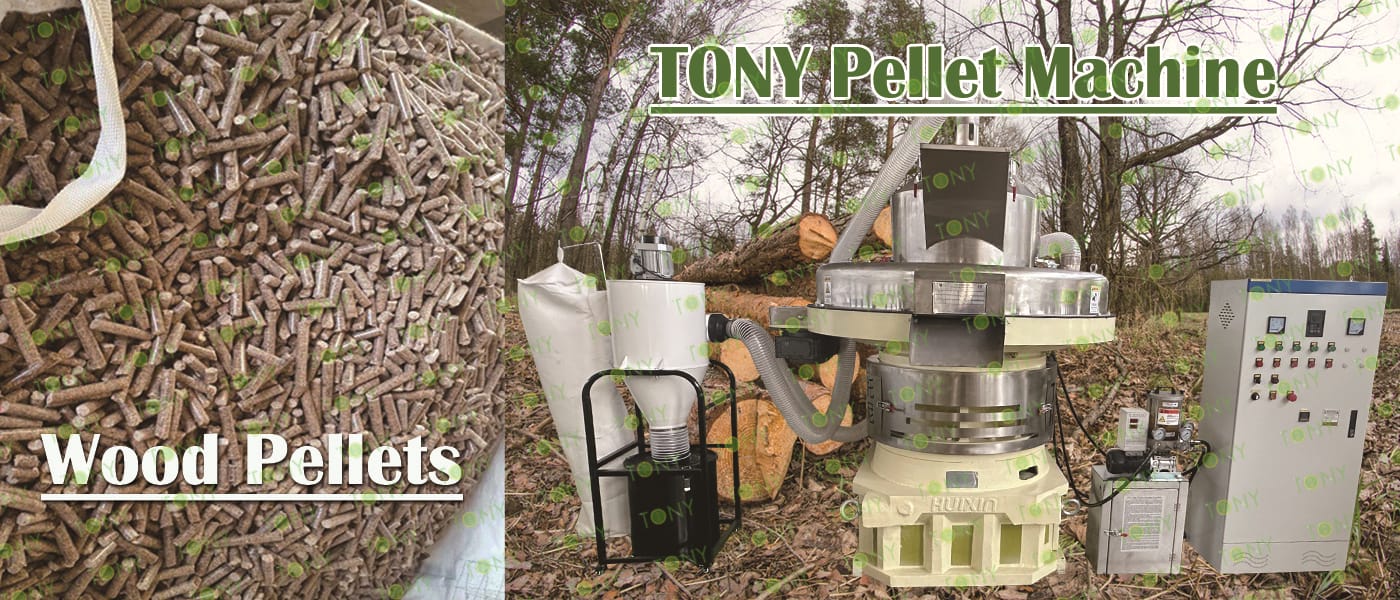
You can chose TONY new type SS304 pellet machine
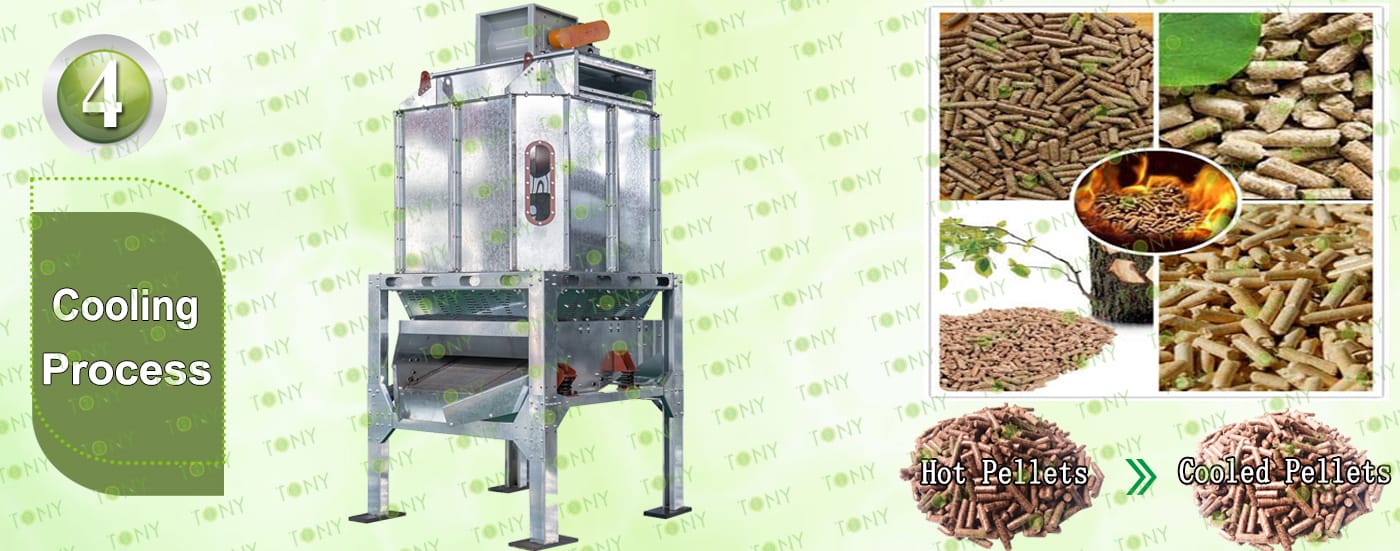
4.Cooling Process:
A.This process is mainly used to cool pellets from 80-90℃ to 20-30℃
B.2 sets of TONY galvanized cooler separator with capacity 12-14Ton/Hour
Main Parts:
(1)TONY's Galvanized Cooler Separator With Vibrating Screen.
(2)Cyclone And Bags Dust Collectors.
(3)Fan Blower.
(4)Connect Pipes.

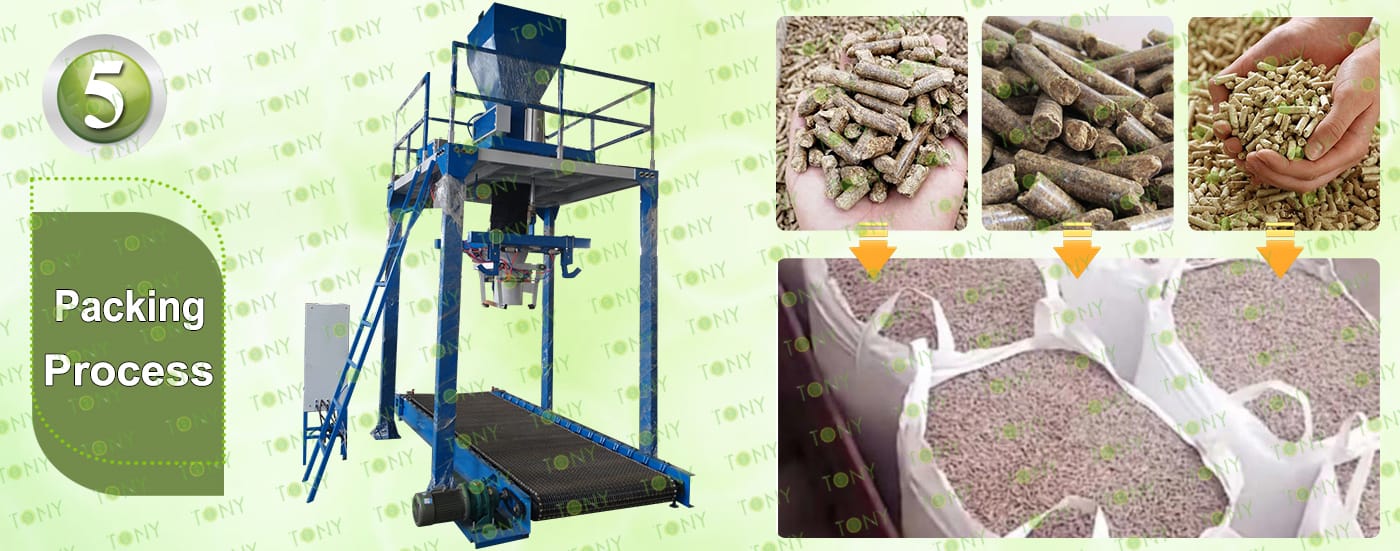
5.Packing Process:
A.This process is mainly used to pack pellets into 1ton/bags.
B.2 sets of TONY ton packing machine
Main Parts:
(1)TONY Ton Packing Machine
(2)Electronic Platform Scale Metering System
(3)Automatic Tare, Zero, and Drop Correction Functions
(4)Feeding System Features Fast, Medium, and Slow Feeding Speeds to Ensure Measuring Accuracy


1.Market Prospects and Project Advantages of Dry Wood Processing Biomass Pellets
Driven by global environmental protection trends and growing demand for clean energy, processing dry wood into biomass pellet fuel has become a highly promising business opportunity. As a coal alternative, biomass pellet fuel continues to see growing market demand, boasting a calorific value of up to 4,000 kcal/kg. Meanwhile, the utilization rate of wood processing residues is less than 30%, leaving a significant unmet market demand for biomass pellet fuel. This presents a vast market opportunity for entrepreneurs.
This project also boasts core advantages such as policy support (environmental protection industries) and readily available raw materials (abundant waste from the construction and furniture industries), demonstrating its potential to replace coal.
2.Project Details of Dry Wood Processing Biomass Pellets
Project Process: First, dry wood is crushed into sawdust in a crusher. These sawdust are then fed directly into a pellet mill to be processed into biomass pellet fuel.
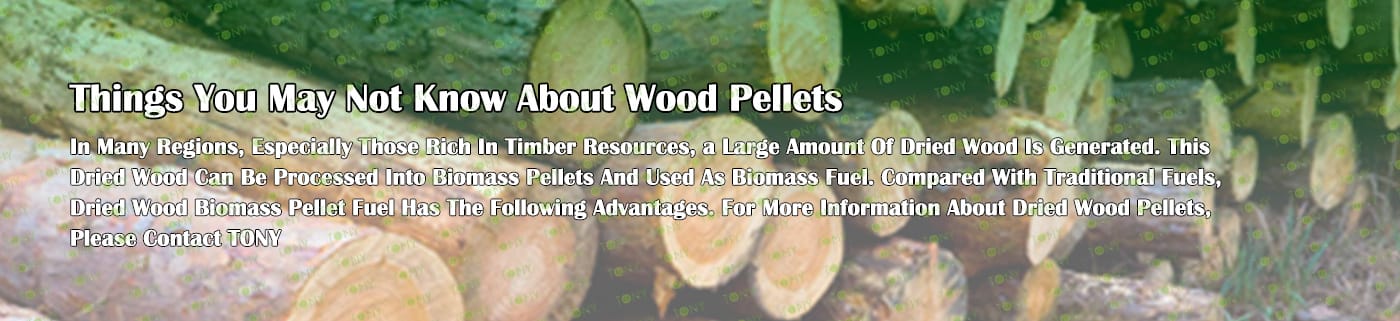
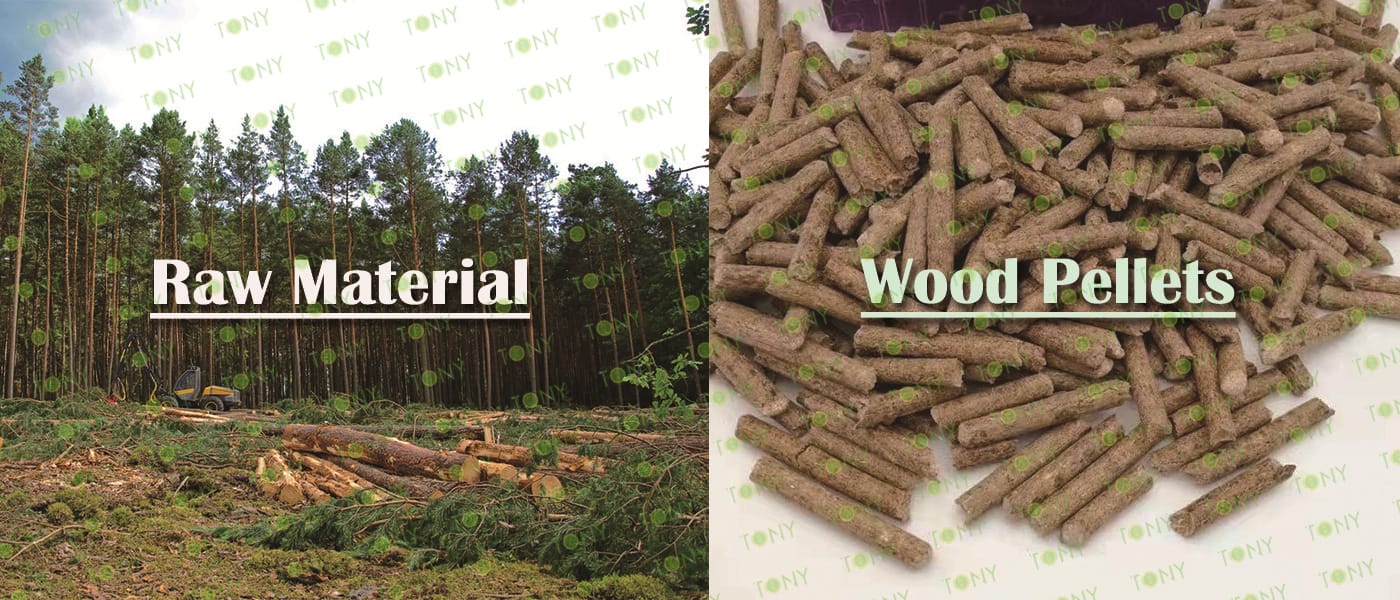
Wood pellets offer outstanding combustion performance and environmental advantages.
1.High and Stable Calorific Value
The calorific value of dry wood pellets is typically 4,000-4,500 kcal/kg (depending on the wood type; hardwoods like oak can reach 4,500 kcal, while softwoods like pine reach approximately 4,200 kcal). This is close to high-quality bituminous coal (4,500-5,500 kcal) and significantly higher than straw pellets (3,000-3,500 kcal).
2.Complete Combustion, Low Ash
Due to their high density and uniform structure, they provide ample air contact during combustion, achieving a complete burnout rate exceeding 95%. Residual ash is only 1%-3% (compared to approximately 5%-10% for straw pellets), reducing the need for frequent cleaning (industrial boilers can be cleaned every 10-15 days of continuous operation).
3.Easy to ignite, stable flame
Compared to raw coal, dry wood pellets are highly flammable (can be ignited with an open flame) and produce no deflagration or black smoke (high-quality pellets burn virtually smokelessly). Flame temperatures can reach 800-1000°C, making them suitable for applications requiring a stable heat source (such as food drying and industrial steam generation).
4.Low carbon emissions, nearly "carbon neutral"
The carbon dioxide absorbed during wood growth is roughly balanced by the amount released during combustion. Lifecycle carbon emissions are only 1/10 of those from coal, and nitrogen oxide emissions are over 50% lower than coal, meeting the requirements of the "dual carbon" policy.
5.Low pollutants
Sulfur content is ≤ 0.05% (compared to the typical 0.5%-3% for coal), and dust can be treated with simple collection devices.
6.Recyclable waste
The ash from combustion is rich in potassium, calcium, and other elements and can be returned to the fields as organic fertilizer, completing a closed "fuel-ash-fertilizer" cycle. It is particularly suitable for use in agricultural production areas.




2025 Tony Machinery - All Rights Reserved. Map