




















1.The working principle of dried rice husk biomass pellet processing equipment
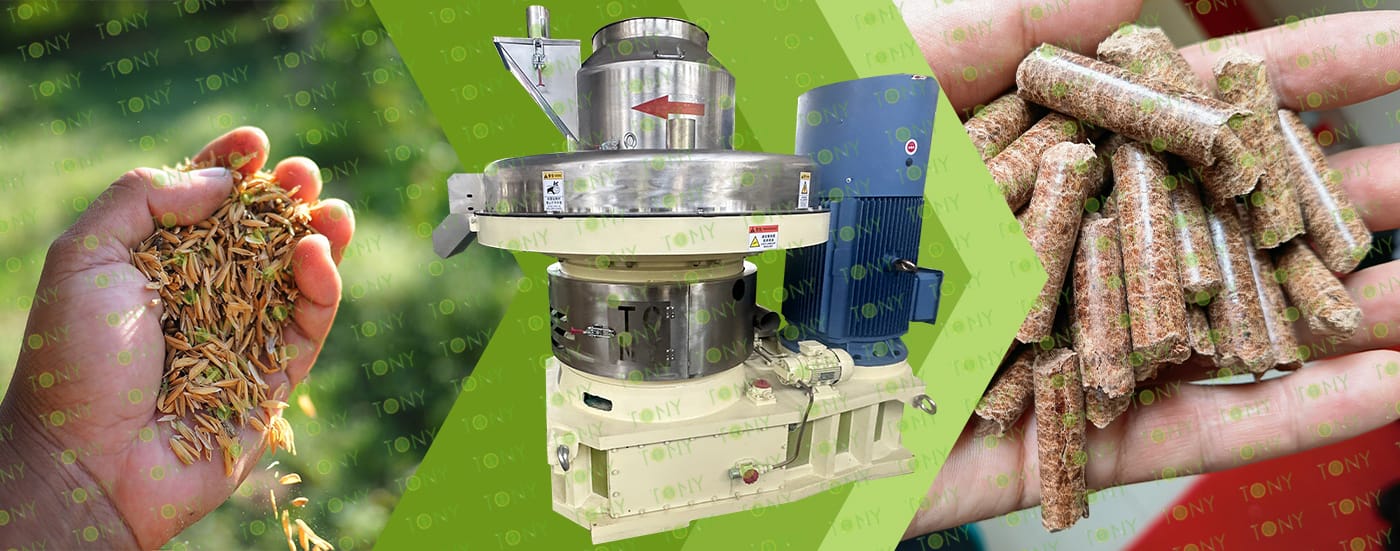
(1)Forming:Fiber reorganization and densification under mechanical extrusion are key steps in pelleting. Its core principle is "high-pressure extrusion + wood fiber self-adhesion." The lignin in the rice husk (a natural binder that softens under pressure and frictional heat) works with moisture to tightly bind the fibers, forming pellets with a fixed shape.
(2)Core Component:Forming Machine – "Ring Die Pelletizer" – More adaptable to dry materials and less prone to clogging.
During extrusion, the intense friction between the rice husk and the inner wall of the die and the roller surface generates frictional heat of 60-90℃. This temperature softens the lignin in the rice husk (lignin's softening point is approximately 70-100℃). Simultaneously, moisture forms "liquid bridges," binding the dispersed fibers together, laying the foundation for subsequent forming.
2.Characteristics of dried rice husk biomass pellet processing equipment
(1)Wear-resistant and impact-resistant design, adapted to rice husk hardness:
Rice husks are hard (containing a siliceous outer shell). The molds and pressure rollers are made of highly wear-resistant materials (such as alloy steel, carburized and quenched), with a hardness of HRC55-60 or higher, which can resist the wear and impact of rice husks and extend the service life of vulnerable parts. The surface of the pressure rollers mostly adopts an anti-slip toothed or grooved design to enhance the gripping force on the rice husks and avoid the "slippage and non-feeding" problem caused by the hollow and smooth nature of rice husks.
(2)Precise temperature control, ensuring glue-free molding:
Equipped with an independent temperature control system, it meets the need for softening of lignin in rice husks, eliminating the need for adhesives and achieving "natural bonding molding," reducing costs and being environmentally friendly.
The mold aperture is mostly 6-12mm (8mm is commonly used), ensuring that the rice husks are fully compressed and densified within the aperture, with a particle density of 1.1-1.3g/cm³, resulting in higher combustion efficiency.
(3)Compact structure and convenient operation and maintenance:
Most adopt a vertical ring die structure (common in small and medium-sized production lines, offering high output and strong stability), occupying a small area and offering flexible installation, suitable for rural cooperatives, small processing plants, and other similar settings.
Core components (die, pressure roller) are easy to disassemble; daily cleaning and replacement of wear parts require no complex tools, resulting in low maintenance costs; some equipment is equipped with an automatic lubrication system to reduce mechanical wear.
(4)Wide output adaptability and reasonable energy consumption:
The model can be flexibly selected based on the raw material supply; the motor power is reasonably matched, lower than the energy consumption of mining and transporting ordinary fossil fuels such as coal and natural gas.
3.Application scenarios of dried rice husk biomass pellet processing equipment
Processing equipment provides fuel (as an alternative to coal and oil) for factory boilers and kilns, such as steam boilers in textile and food processing plants, and heating kilns in the ceramics and building materials industries. Stable pellet production ensures energy supply.
Power Generation:Biomass power plants require large quantities of standardized pellets as fuel. Large-scale processing equipment can meet the stringent requirements of power plants for pellet calorific value and density, ensuring efficient combustion and stable power generation.
Residential Heating:For pellets used in domestic fireplaces and space heaters, processing equipment must control the size and hardness of the pellets to suit domestic combustion equipment. The precision of the equipment's production directly impacts the user experience with these pellets.
Environmental Protection and Waste Management:In waste and wastewater treatment plants, processing equipment converts organic waste (such as sludge and food waste) into fuel pellets for resource recovery. Corrosion-resistant and clogging-resistant designs are crucial.

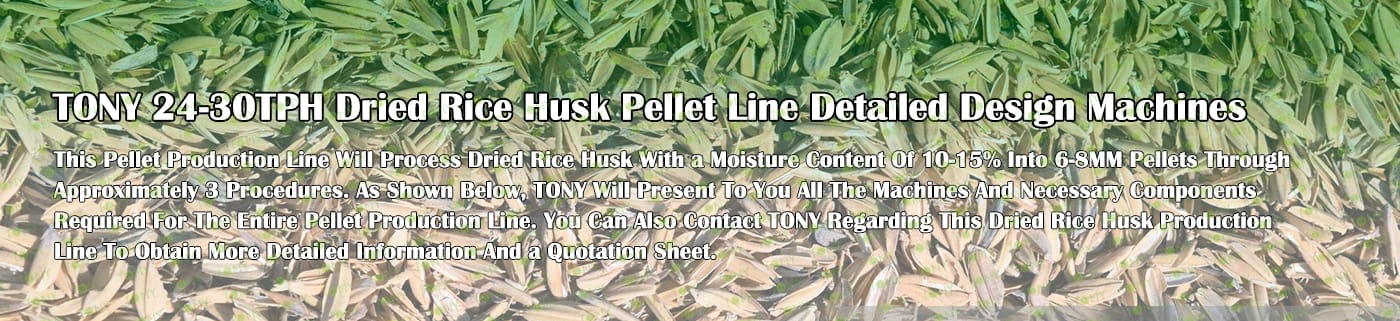
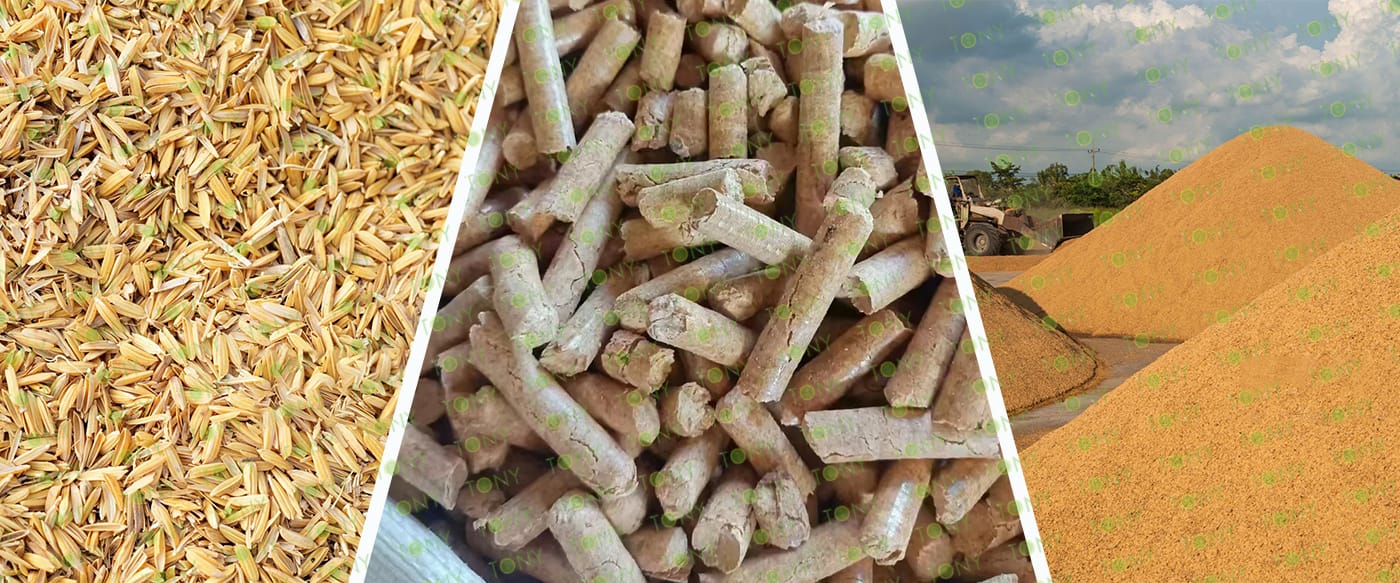
TONY Brand 24-30TPH Dried Rice Husk Pellet Line can process dried rice husk and various biomass materials into biomass pellets. The core of the rice husk biomass pellet production line is to take advantage of the characteristics of rice husks—lightweight, high in silicon, and low in agglomeration—and transform agricultural waste rice husks into standardized biomass fuel through customized pretreatment and pelleting processes. This fuel is widely applicable to rice-growing areas and energy demand scenarios.The core significance of the rice husk biomass pellet production line is to realize the resource utilization, reduction and low-carbon utilization of rice husk waste, which not only solves the problem of agricultural solid waste pollution, but also provides a clean option for energy structure transformation, and has economic, environmental and social value.
1. Capacity: 24-30Ton/Hour
2. Raw materials: Dried rice husk
3. Moisture: About 10-15%
4. Application: All kinds of biomass materials suitable for pellet production.
Suitable customers: Green energy companies, large farms, private growers and other customers with advantages in raw materials.
5. Finished Pellets Markets: Large power plants, domestic heating, industrial heating, combustion heat, heating heating, boiler room, school canteen, foundry heat source.
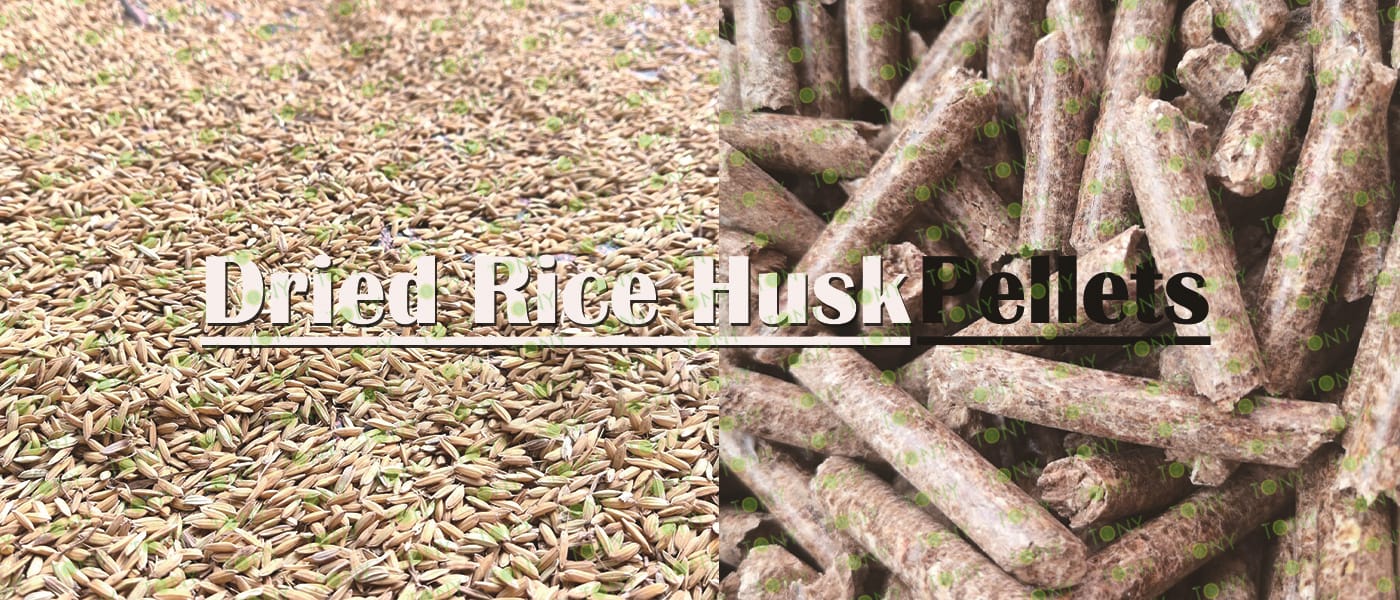
1. Project Name: Dried Rice Husk Pellet Production Line
2. Raw Material: Dried rice husk
3. Moisture Content of Raw Material:10-15%
4. Capacity: 24-30TPH
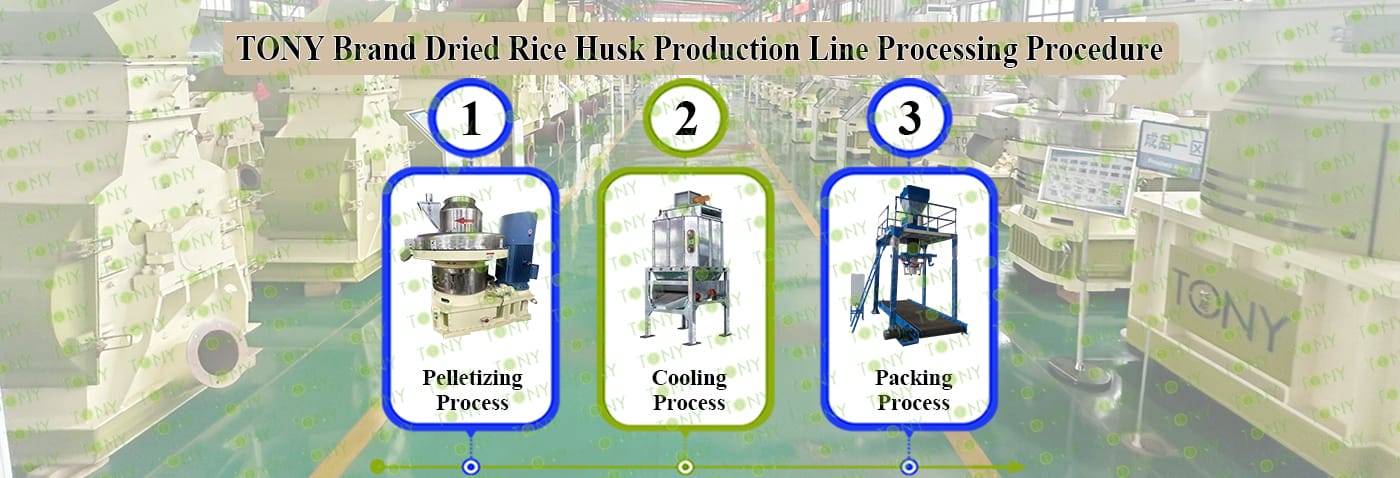
5. Process:Pelletizing Process - Cooling Process - Packing Process
6. Main Equipment:TONY Pellet Machine-TYJ860-III-280KW, Galvanized Pellets Cooler, Ton Packing Machine and Belt Conveyors

|
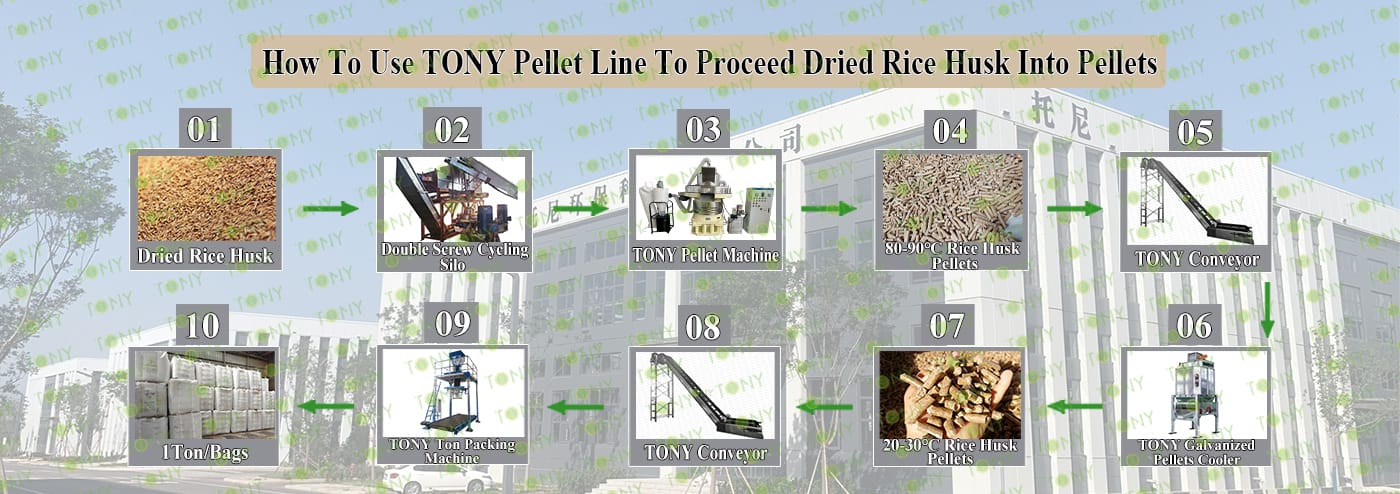
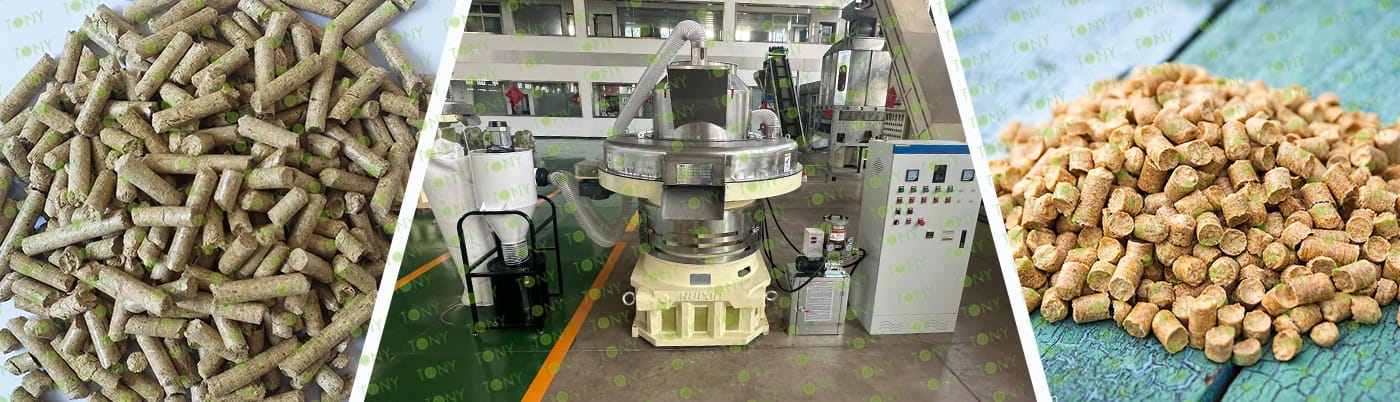
How To Use TONY Pellet Line To Proceed From Dried Rice Husk Into Pellets? It mainly contains the following steps and machines as following: 1.Use TONY vertical ring die pellet machine to products pellets with φ6-8mm. 2.Use TONY galvanized pellets cooler to cool pellets from 80-90℃ to 20-30℃. 3.Use TONY ton packing machine to pack the pellets into 1 ton/bags. You can contact TONY to get for more details information and quotation. TONY can supply you all the products as above with competitive price and excellent quality. |
|
|||||||||||||||||||||||||||||||||||
| Next, TONY Will Introduce To You All The Necessary Machinery That Will Be Used For The Whole Pellet Production Line. Some Machines Can Be Custom - Made By Customers According To Different Customers' Detailed Demands. Contact TONY For More Details, Including Quotation And Layout. | |||
 |
 |
 |
 |
| Double Screw Cycling Silo | Vertical Ring Die Pellet Machine | Galvanized Pellets Cooler | Ton Packing Machine |
| 1.To Storage Rice Husk Before Pellet Machine; Adjust The Speed Of Rice Husk Entering The Pellet Machine 2.Model: TLC-35*2Sets 3.Capacity:12-15Ton/Hour/Set |
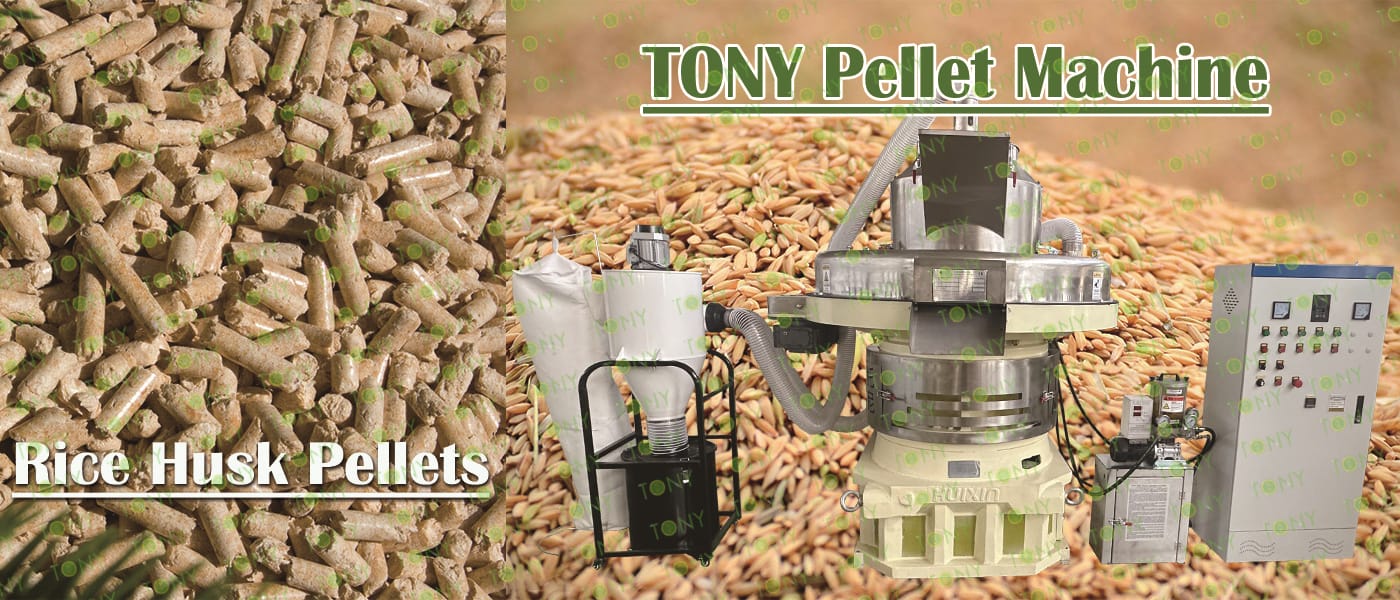
1.To Press Rice Husk Into 6-8mm Biomass Pellets 2.Model: TYJ860-III-280KW*6Sets 3.Capacity:4-5Ton/Hour/Set 4.New 304SS Type |
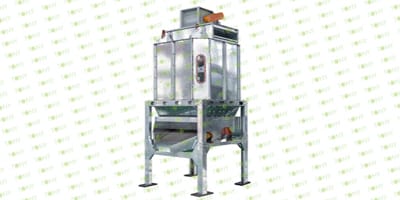
1.To Cool Pellets From 80-90℃ to 20-30℃ 2.Model:TCN-10*2Sets 3.Capacity:24-30Ton/Hour |
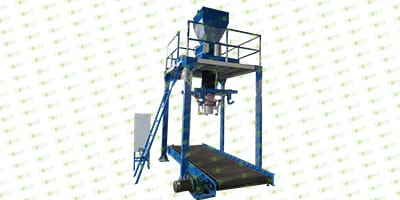
1.To Pack Pellets Into 1 Ton/Bags. 2.Model: TBD* 2Sets 3.Capacity:24-30Ton/Hour |

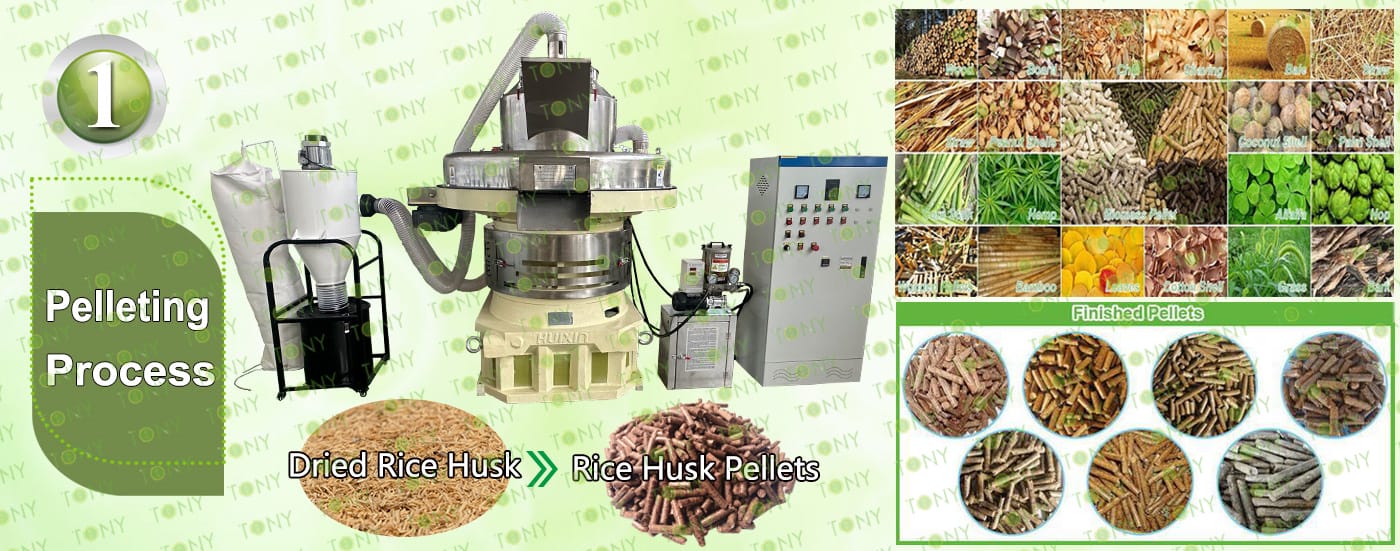
1.Pelletizing Process:
A.This process is mainly used to products pellets with φ6-8mm.
B.TONY brand vertical ring die pellet machine TYJ860-Ⅲ-280KW *6sets
C.Capacity:24-30tons/hour.
D.Double Screw Cycling Silo is added above the pellet machine, which has the advantages of saving space, saving labor, intelligently controlling the feeding speed, not easy to block the material, and improving production efficiency.
Main Parts:
(1)TONY New Vertical Ring Die Pellet Machine.
(2)Cyclone And Bags Dust Collectors.
(3)Bearings Automatic Lubrication System.
(4)Electrical Cabinets.
For more equipment details and information, you can contact TONY

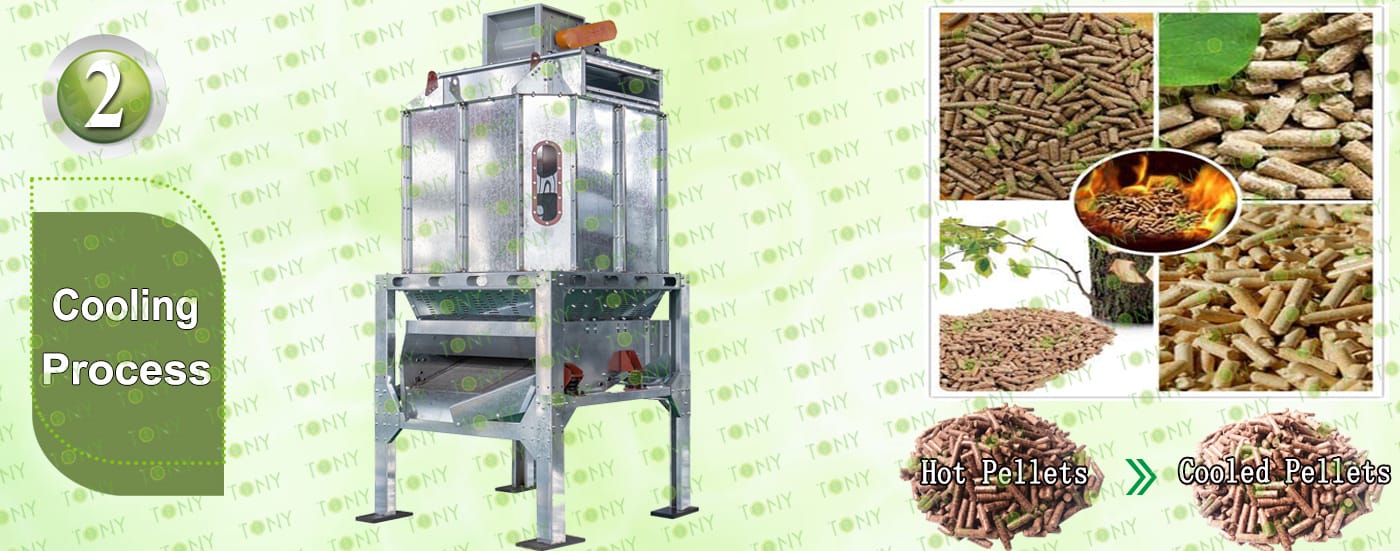
2.Cooling Process:
A.This process is mainly used to cool pellets from 80-90℃ to 20-30℃
B.TONY brand galvanized pellets cooler*2sets
C.Capacity:24-30tons/hour.
Main Parts:
(1)TONY's New Galvanized Pellets Cooler Separator With Vibrating Screen.
(2)Cyclone and bags dust collectors.
(3)Fan Blower.
(4)Connect Pipes.

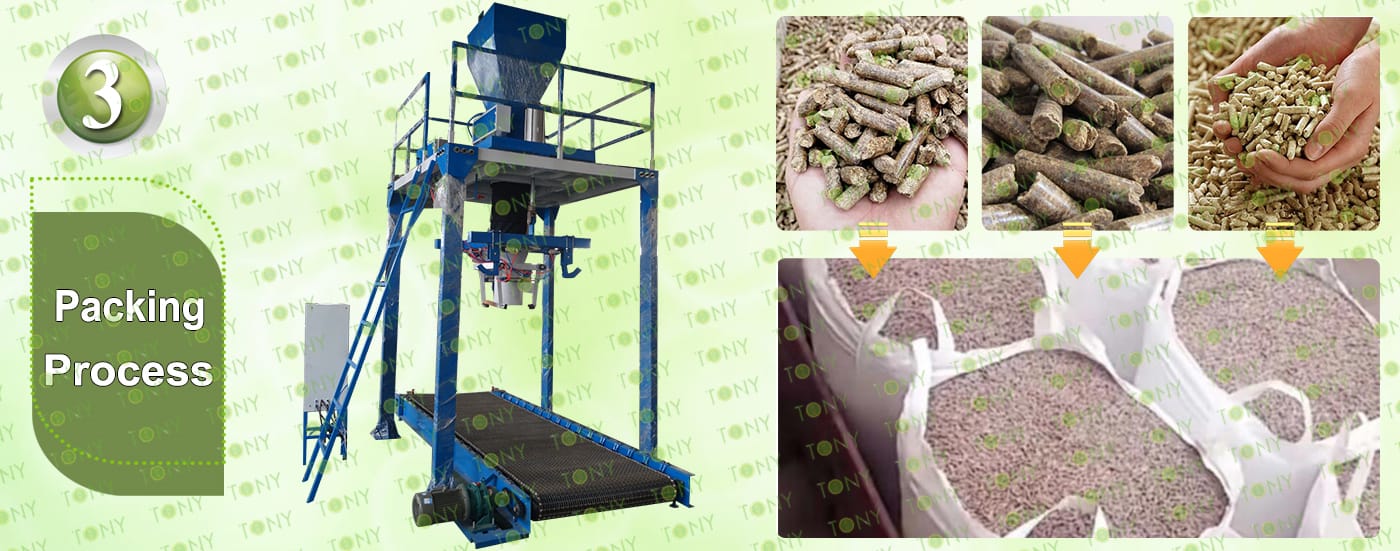
3.Packing Process:
A.This process is mainly used to pack pellets into 1ton/bags.
B.Capacity:24-30tons/hour.
C.TONY band ton packing machine*2 sets
Main Parts:
(1)TONY Ton Packing Machine
(2)Electronic Platform Scale Metering System
(3)Automatic Tare, Zero, and Drop Correction Functions
(4)Feeding System Features Fast, Medium, and Slow Feeding Speeds to Ensure Measuring Accuracy

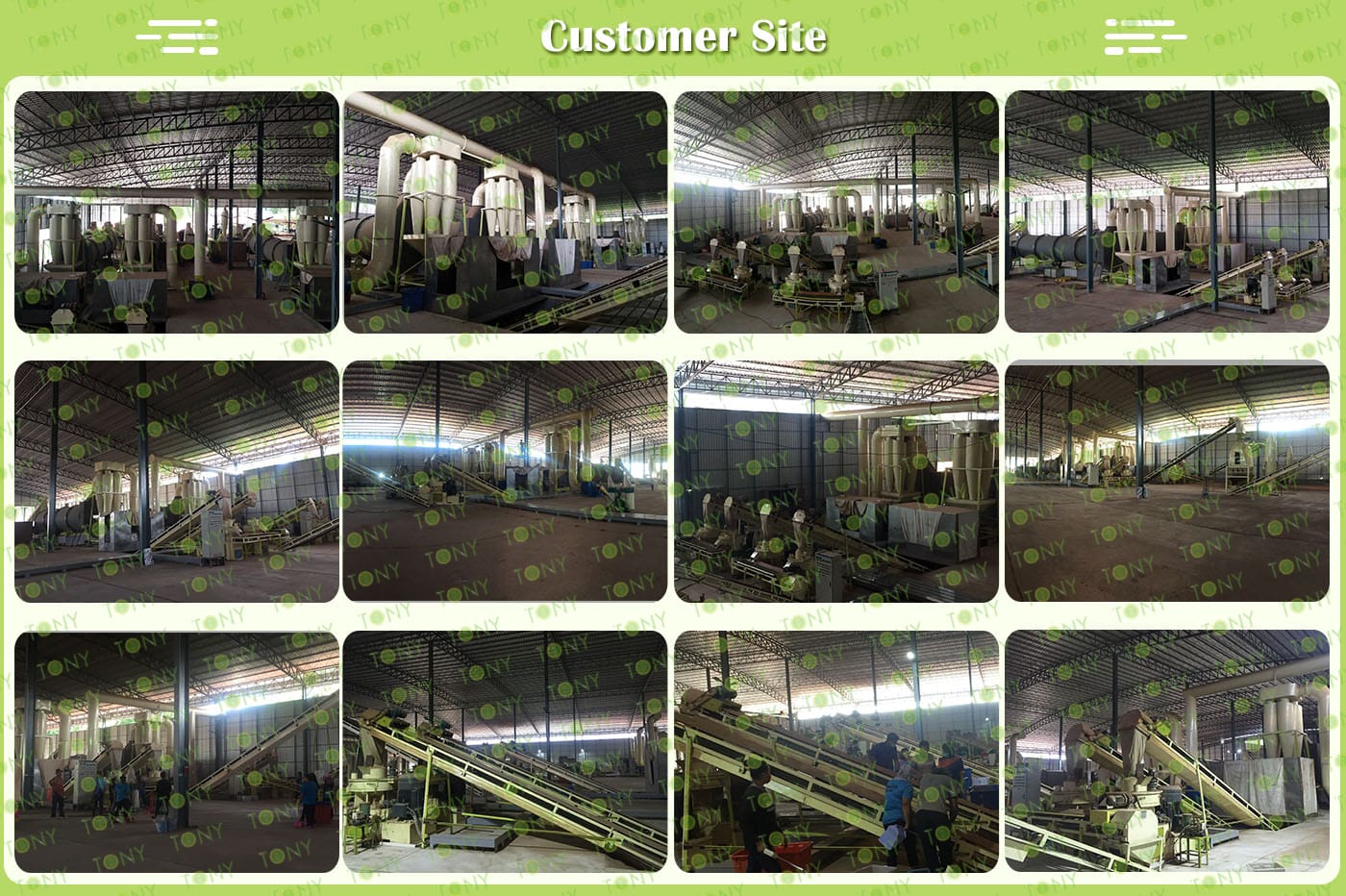
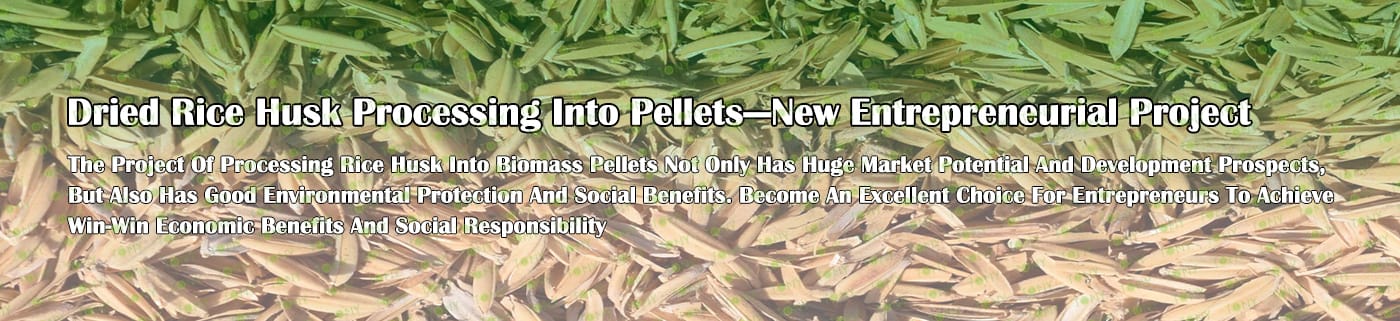
The rice husk biomass pellet project is a resource utilization project that uses agricultural waste (rice husks) as raw material and processes it into high-density biomass fuel. Its core advantages lie in the easy availability of raw materials, strong policy support, and stable market demand, making it suitable for implementation in major rice-producing areas. It can be divided into three models: small-scale family workshops, medium-sized township processing plants, and large-scale industrial production lines.
Project Foundation – Raw Material Supply
1.Sources of Raw Materials:
Primarily from rice processing plants (0.2 tons of rice husks are produced for every ton of rice processed), large-scale rice planting cooperatives, or individual farmers.
2.Raw Material Requirements:
A stable annual supply must be ensured. Small-scale projects (10 tons of pellets per day) require approximately 15,000 tons of rice husks annually; medium-sized projects (30 tons per day) require over 45,000 tons annually.
3.Raw Material Costs:
The purchase price of rice husks is usually low. It is recommended to control the transportation radius within 50 kilometers; otherwise, transportation costs will increase significantly.
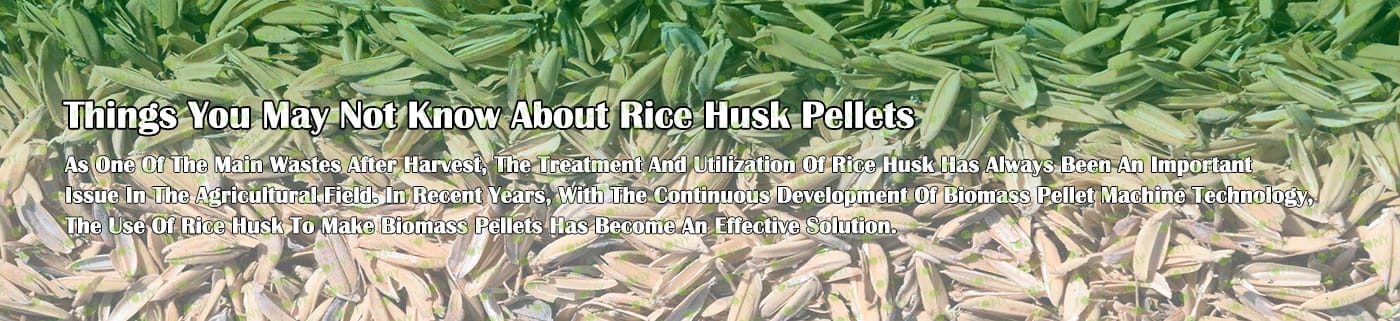
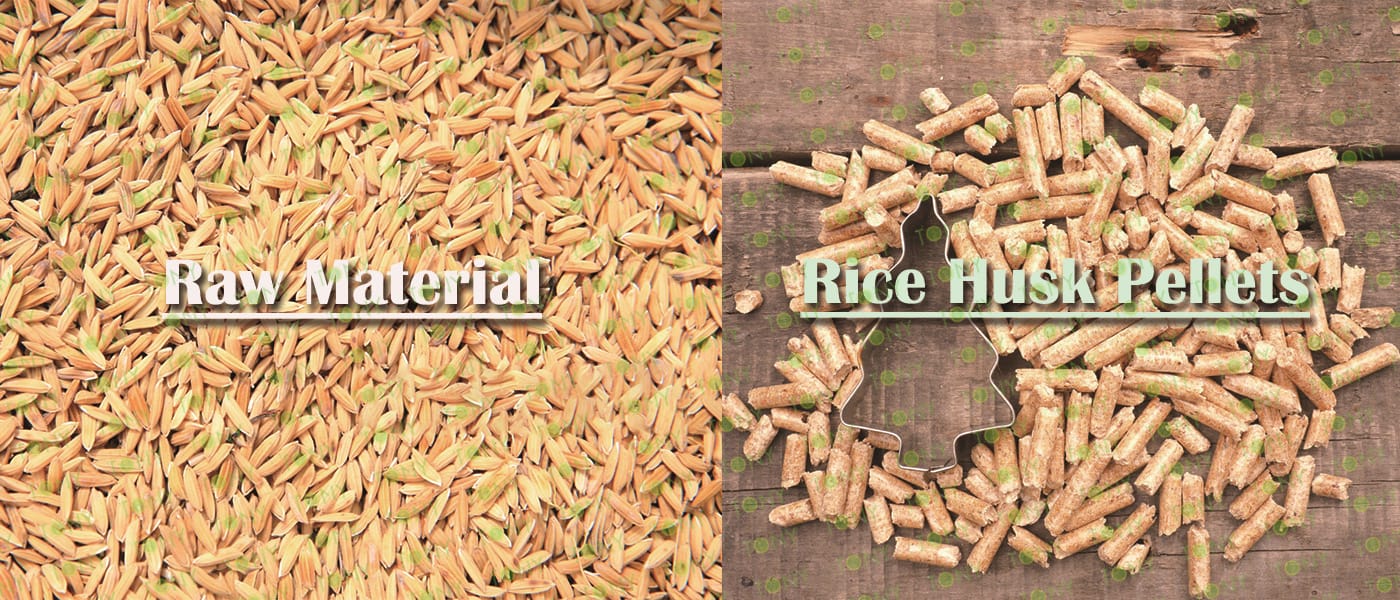
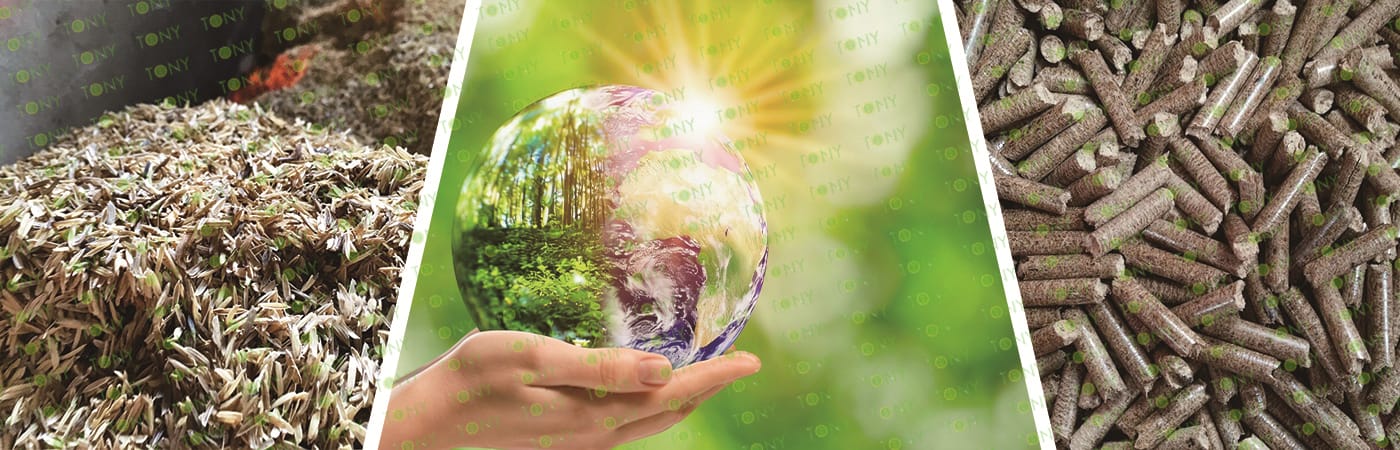
As a biomass energy source, rice husk pellets possess significant environmental benefits and energy efficiency. Environmentally, their production process involves no chemical additives, and combustion is smokeless and odorless, causing no pollution and meeting environmental protection requirements. Compared to traditional coal, their carbon dioxide emissions are 97.91% lower, sulfur dioxide emissions are 99.15% lower, and nitrogen dioxide emissions are 72.09% lower, achieving near-zero pollution emissions. Furthermore, their raw materials are primarily agricultural and forestry waste, such as branches, sawdust, straw, and rice husks, all renewable energy sources, effectively achieving resource recycling. In terms of energy efficiency, rice husk pellet fuel has a calorific value of 3400-4000 kcal/kg, and when using a dedicated biomass heater, its thermal efficiency can reach over 85%, exhibiting high energy density.




2025 Tony Machinery - All Rights Reserved. Map