




















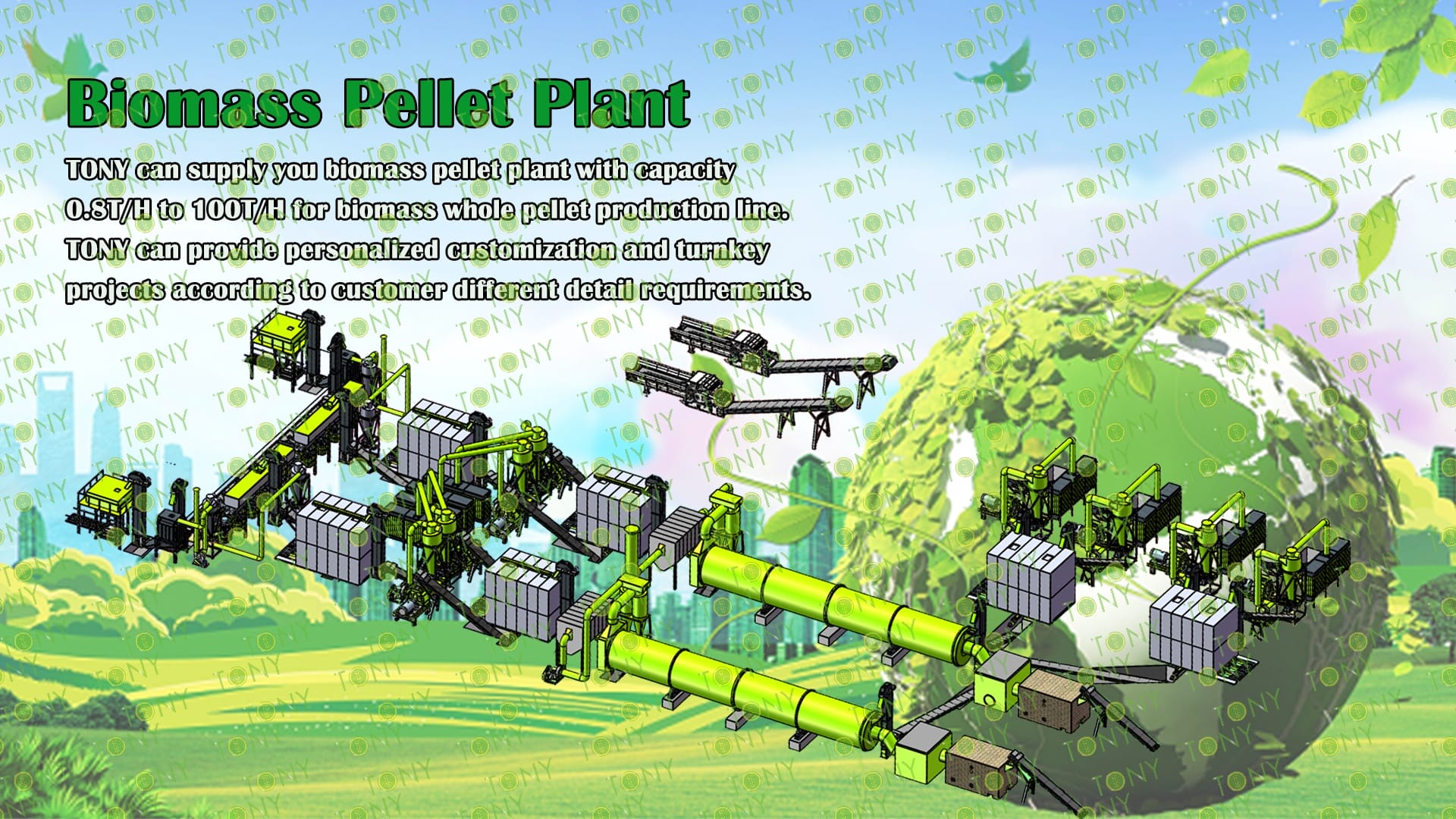
Project Brief Introduction:
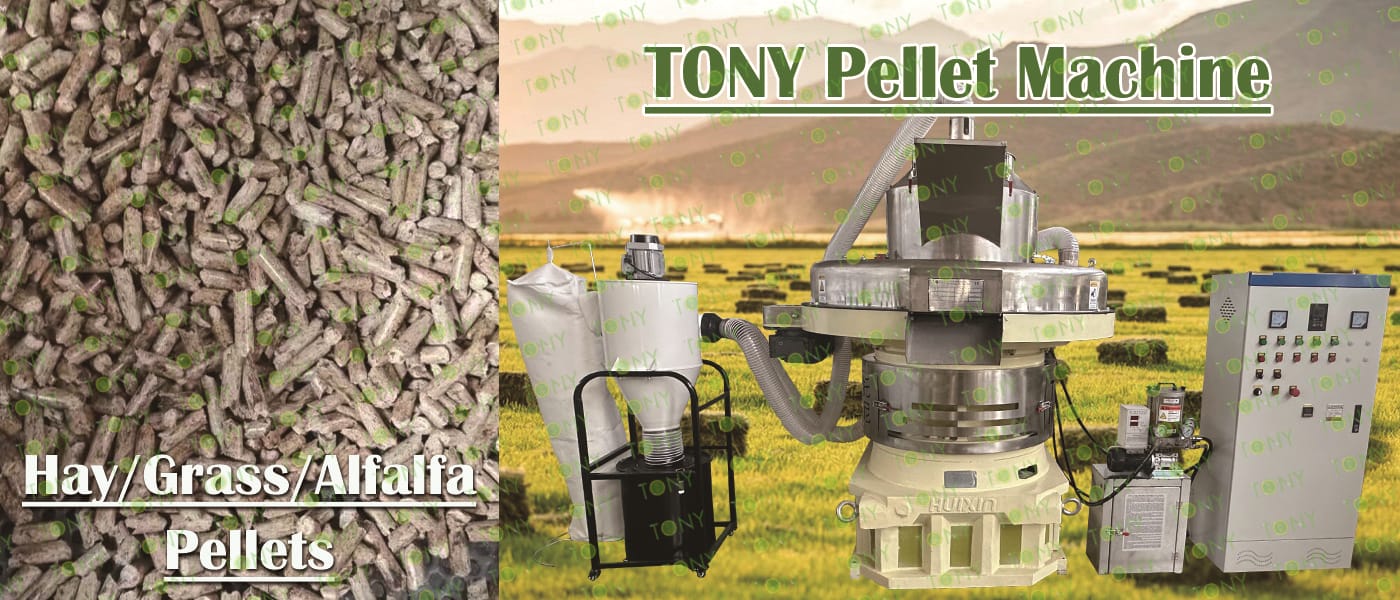
1.Product:Wet Hay/Grass/Alfalfa Pellet Line
2.Capacity:12-14Ton/Hour
3.TONY Brand 12-14Ton /Hour Wet Hay/Grass/Alfalfa Pellet Line Project Process
4.Main Machine: Straw Cutter,Hammer Mill,Rotary Drum Dryer,TONY Pellet Machine TYJ860-Ⅲ-220KW,Pellets Cooler,Packing Machine And Belt Conveyors
5.Total Power: About 1850KW
6.Need Area: About ㎡ L: M W: M H: M
Project Layout For Customer:
图片
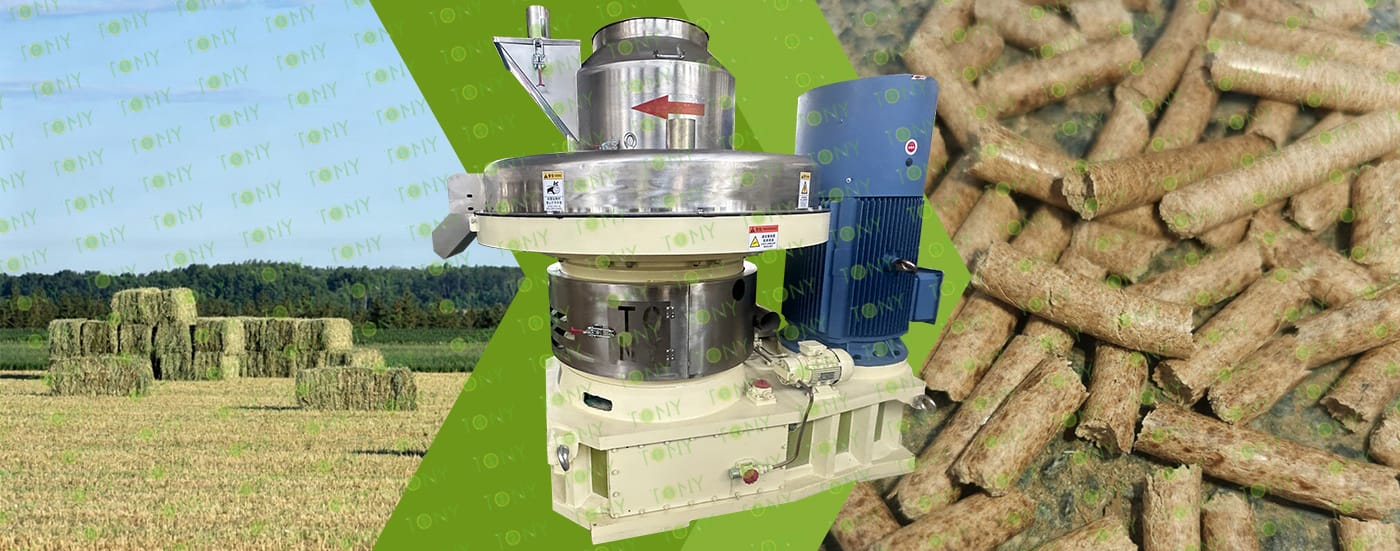
1.The working principle of wet hay/grass/alfalfa biomass pellet processing equipment
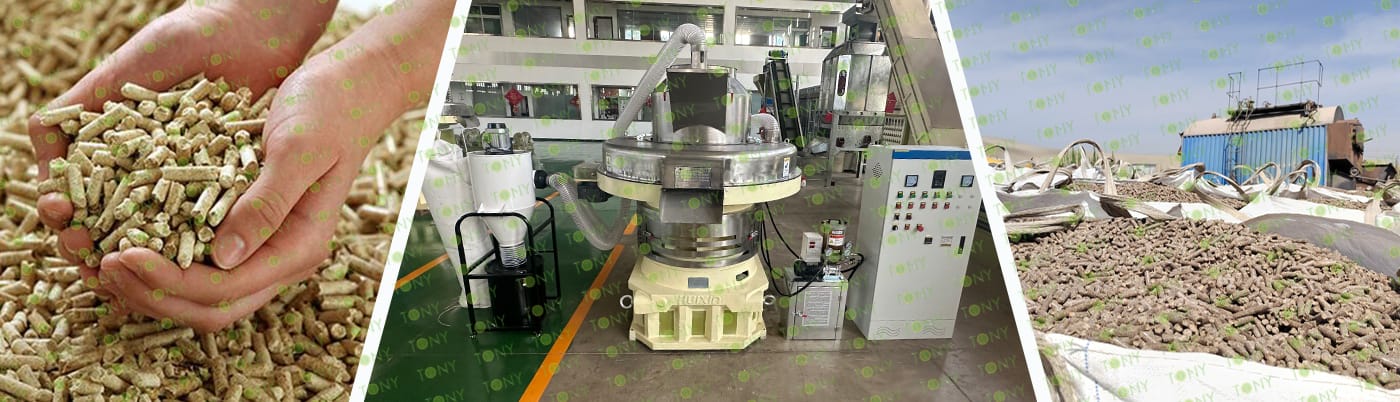
(1)Extrusion molding:The pre-treated material enters the core components of the pelletizer - the ring die and the roller group. The ring die is a ring-shaped metal mold with uniform small holes (usually 6-12mm in diameter). The roller group rotates at high speed inside the ring die, forcing the material into the small holes of the ring die. The material is subjected to high temperature (heat generated by extrusion friction) and high pressure in the small holes, and the cellulose, hemicellulose and other components inside are slightly softened to form a compact column.
(2)Cutting and cooling:After the column is extruded from the other side of the ring die, it is cut into pellets of a set length (usually 3-10mm) by a cutter. The temperature of the pellets just extruded is relatively high (about 70-90℃) and needs to be cooled to room temperature by a cooler (mostly countercurrent type) to further reduce the moisture content and prevent the pellets from mold.
2.Characteristics of wet hay/grass/alfalfa biomass pellet processing equipment
Wet straw pellet processing equipment is a special equipment designed for pelletizing grass raw materials (such as wheat straw, rice straw, etc.) with a high moisture content (usually 15%-40%). Its core features are designed around the three core needs of "adaptability to high-moisture raw materials", "efficient molding" and "reduced pretreatment costs". It can directly process wet straw with a moisture content of 15%-40%, greatly reducing the energy consumption and time cost of pretreatment. Pellet molding is achieved through mechanical extrusion heat generation. The core principle is "fiber softening + physical bonding". During the extrusion process, the friction between the straw and the pressure roller and ring die generates heat, which can soften the wax layer and hemicellulose in the grass (playing a natural bonding role) without the need to add exogenous adhesives such as starch and clay, ensuring the "pure natural properties" of the pellets (suitable for feed and biomass fuel scenarios).
3.Application scenarios of wet hay/grass/alfalfa biomass pellet processing equipment
(1)Economic Benefits
The use of hay, weeds, and dead grass as biomass pellet fuel raw materials is due to their plentiful availability and low cost. Even after factoring in other costs such as fuel and power, wages and benefits, and equipment depreciation, the overall cost remains low. The price of hay pellets is currently rising, which can bring significant economic benefits to customers.
(2)Environmental Benefits
Improper handling of hay can pollute the environment to a certain extent. Pellets made from hay, burned in a dedicated gasification boiler, have a thermal efficiency of up to 81%. Carbon dioxide and sulfur dioxide emissions are near zero. It can replace non-renewable fuels such as coal and oil, while also reducing the environmental impact of waste.
(3)Social Benefits
The completion of the hay pellet production line will not only increase income, but also create jobs and reduce unemployment. Furthermore, this product can replace non-renewable energy sources, addressing the energy crisis and contributing to the establishment of a sustainable energy system and the promotion of economic development.
Biomass pellet fuel is energy-efficient and environmentally friendly, conserving non-renewable resources, and alleviating electricity and oil shortages. With the continuous promotion and application of biomass fuels, the demand for biomass pellet fuels will inevitably increase significantly in the future, and the market prospects are very broad.
1.The working principle of wet hay/grass/alfalfa biomass pellet processing equipment
(1)Extrusion molding:The pre-treated material enters the core components of the pelletizer - the ring die and the roller group. The ring die is a ring-shaped metal mold with uniform small holes (usually 6-12mm in diameter). The roller group rotates at high speed inside the ring die, forcing the material into the small holes of the ring die. The material is subjected to high temperature (heat generated by extrusion friction) and high pressure in the small holes, and the cellulose, hemicellulose and other components inside are slightly softened to form a compact column.
(2)Cutting and cooling:After the column is extruded from the other side of the ring die, it is cut into pellets of a set length (usually 3-10mm) by a cutter. The temperature of the pellets just extruded is relatively high (about 70-90℃) and needs to be cooled to room temperature by a cooler (mostly countercurrent type) to further reduce the moisture content and prevent the pellets from mold.
2.Characteristics of wet hay/grass/alfalfa biomass pellet processing equipment
Wet straw pellet processing equipment is a special equipment designed for pelletizing grass raw materials (such as wheat straw, rice straw, etc.) with a high moisture content (usually 15%-40%). Its core features are designed around the three core needs of "adaptability to high-moisture raw materials", "efficient molding" and "reduced pretreatment costs". It can directly process wet straw with a moisture content of 15%-40%, greatly reducing the energy consumption and time cost of pretreatment. Pellet molding is achieved through mechanical extrusion heat generation. The core principle is "fiber softening + physical bonding". During the extrusion process, the friction between the straw and the pressure roller and ring die generates heat, which can soften the wax layer and hemicellulose in the grass (playing a natural bonding role) without the need to add exogenous adhesives such as starch and clay, ensuring the "pure natural properties" of the pellets (suitable for feed and biomass fuel scenarios).
3.Application scenarios of wet hay/grass/alfalfa biomass pellet processing equipment
(1)Economic Benefits:The use of hay, weeds, and dead grass as biomass pellet fuel raw materials is due to their plentiful availability and low cost. Even after factoring in other costs such as fuel and power, wages and benefits, and equipment depreciation, the overall cost remains low. The price of hay pellets is currently rising, which can bring significant economic benefits to customers.
(2)Environmental Benefits:Improper handling of hay can pollute the environment to a certain extent. Pellets made from hay, burned in a dedicated gasification boiler, have a thermal efficiency of up to 81%. Carbon dioxide and sulfur dioxide emissions are near zero. It can replace non-renewable fuels such as coal and oil, while also reducing the environmental impact of waste.
(3)Social Benefits:The completion of the hay pellet production line will not only increase income, but also create jobs and reduce unemployment. Furthermore, this product can replace non-renewable energy sources, addressing the energy crisis and contributing to the establishment of a sustainable energy system and the promotion of economic development.
Biomass pellet fuel is energy-efficient and environmentally friendly, conserving non-renewable resources, and alleviating electricity and oil shortages. With the continuous promotion and application of biomass fuels, the demand for biomass pellet fuels will inevitably increase significantly in the future, and the market prospects are very broad.
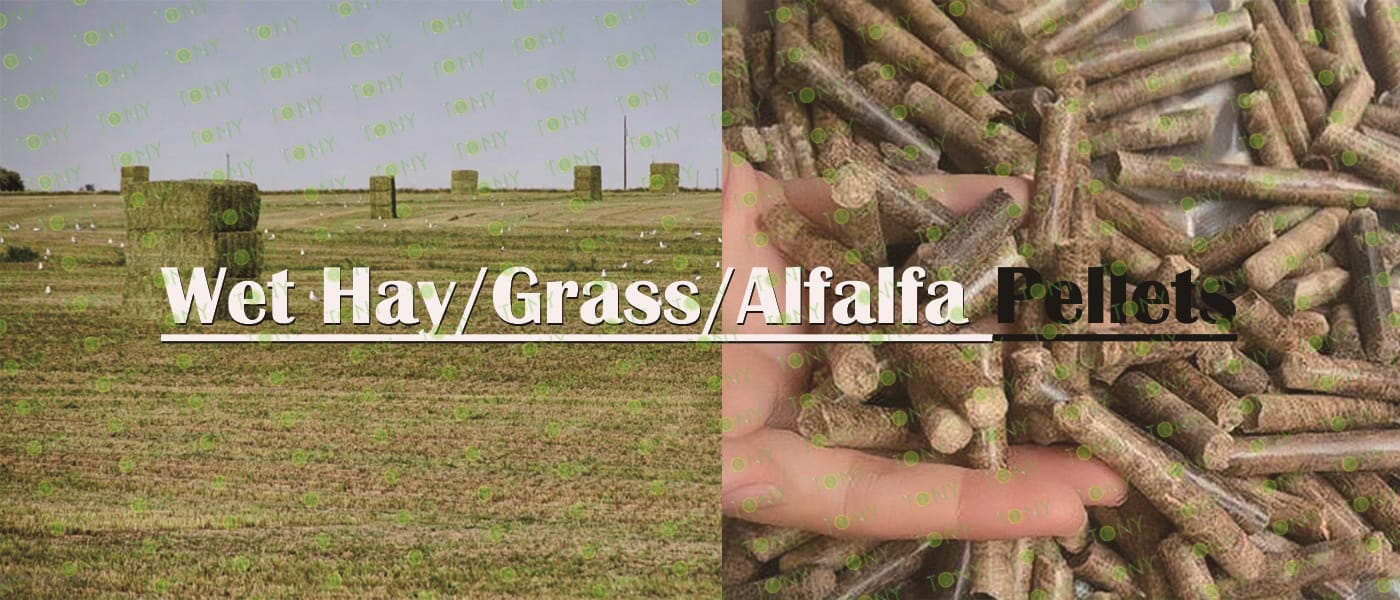
1. Project Name: Wet Hay/Grass/Alfalfa Production Line
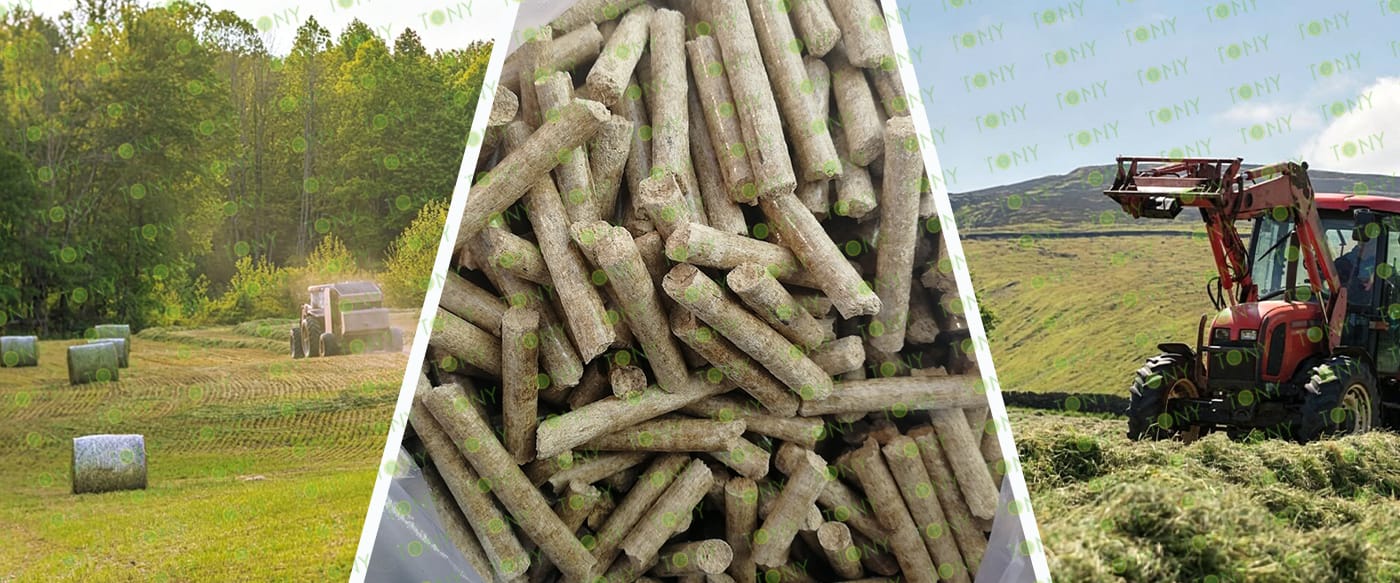
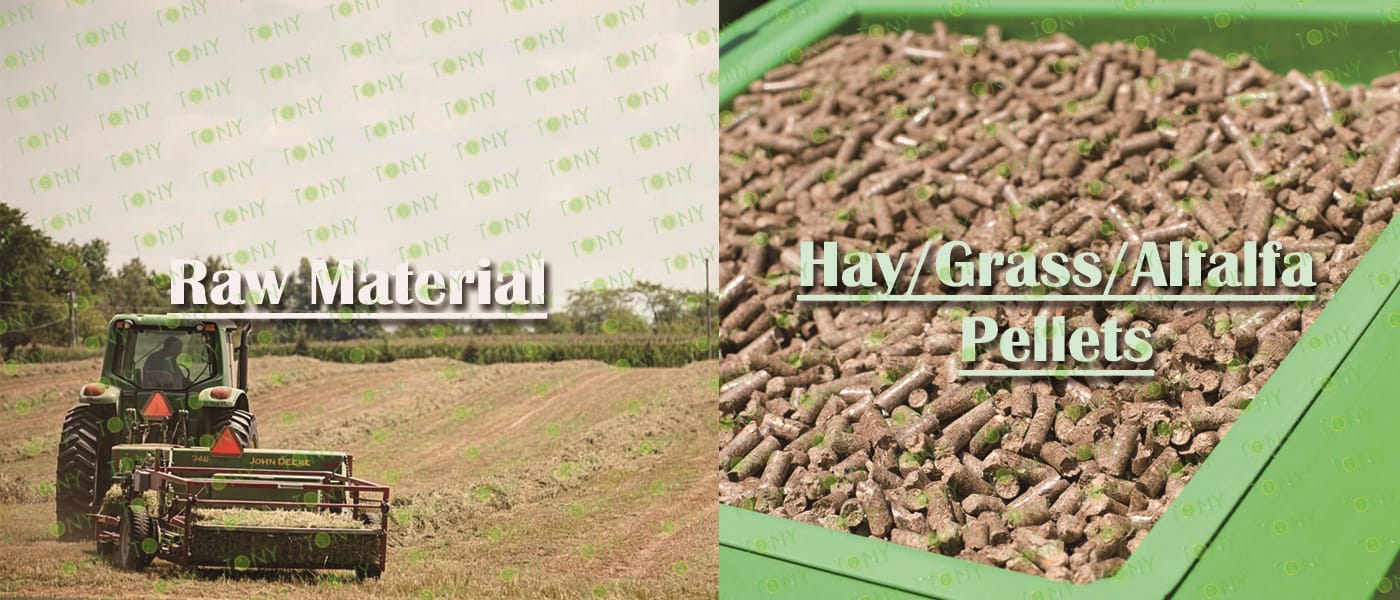
2. Raw Material: Bales of Wet Hay/Grass/Alfalfa
3. Moisture Content of Raw Material: 30-35%
4. Capacity: 12-14TPH
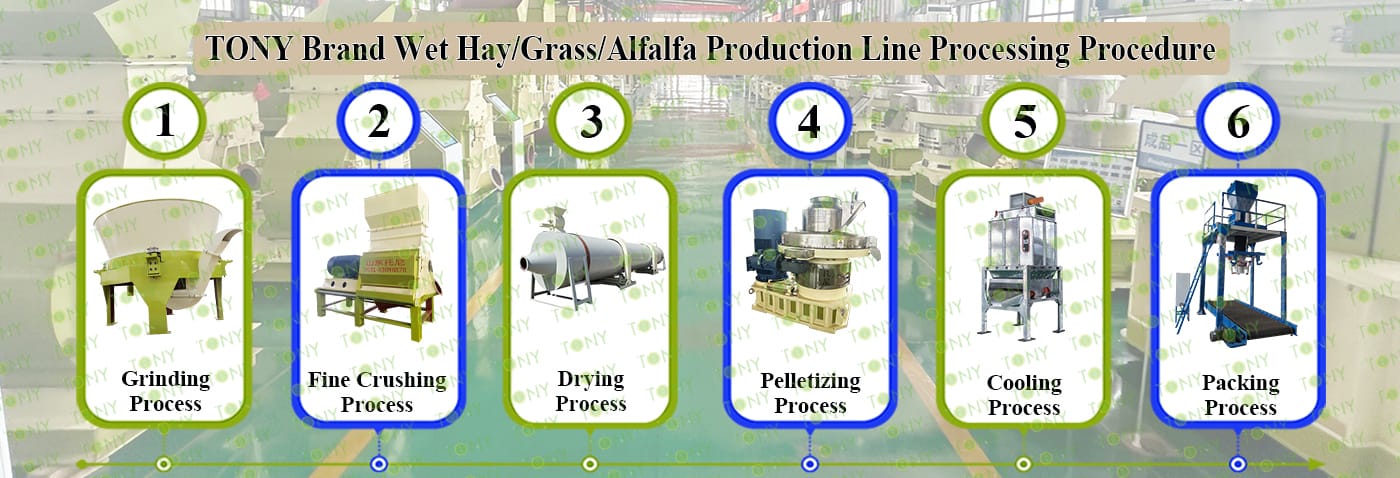
5. Process: Grinding Process - Fine Crushing Process - Drying Process-Pelletizing Process - Cooling Process - Packing Process
6. Main Equipment: Straw Cutter -TPX2500-110KW, Effective Hammer Mill- TFD85-220-220KW, Rotary Drum Dryer-2-24m ,TONY Pellet Machine-TYJ860-III-220KW, Galvanized Pellets Cooler, Ton Packing Machine and Belt Conveyors

|
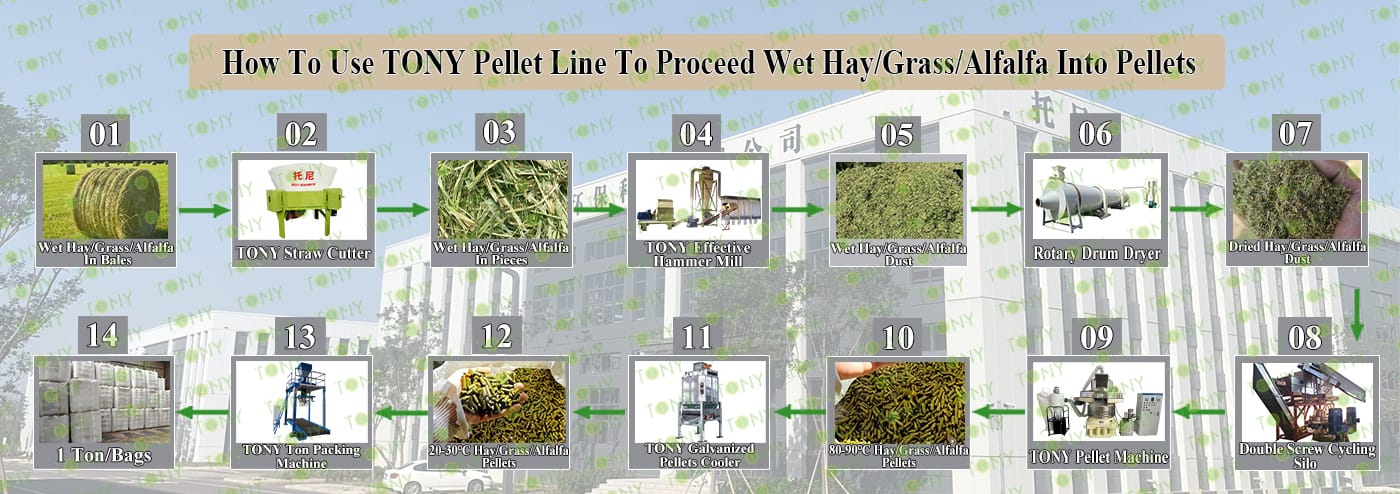
How To Use TONY Pellet Line To Proceed From Wet Hay/Grass/Alfalfa Into Pellets? It mainly contains the following steps and machines as following: 1.Use TONY straw cutter to grind wet hay/grass/alfalfa bales φ ≤2.2m into 60-70mm wet hay/grass/alfalfa pieces. 2.Use TONY effective hammer mill to crush 60-70mm wet hay/grass/alfalfa pieces into 8-14mm wet hay/grass/alfalfa dust. 3.Use TONY rotary drum dryer to dry the 30-35% wet hay/grass/alfalfa dust into 10-15% dried hay/grass/alfalfa dust 4.Use TONY vertical ring die pellet machine to products pellets with φ6-8mm. 5.Use TONY galvanized pellets cooler to cool pellets from 80-90℃ to 20-30℃. 6.Use TONY ton packing machine to pack the pellets into 1 ton/bags. You can contact TONY to get for more details information and quotation. TONY can supply you all the products as above with competitive price and excellent quality. |
|
||||||||||||||||||||||||||||||||||||||||||||||||||

图片
图片
| Next, TONY Will Introduce To You All The Necessary Machinery That Will Be Used For The Whole Pellet Production Line. Some Machines Can Be Custom - Made By Customers According To Different Customers' Detailed Demands. Contact TONY For More Details, Including Quotation And Layout. | |||
 |
 |
 |
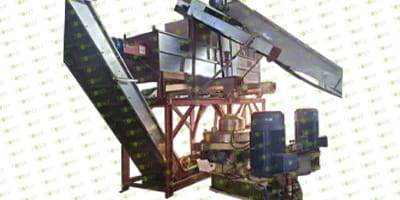 |
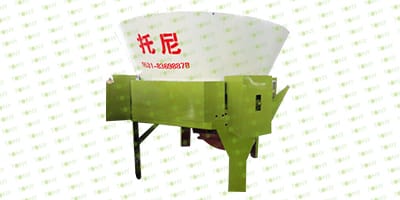
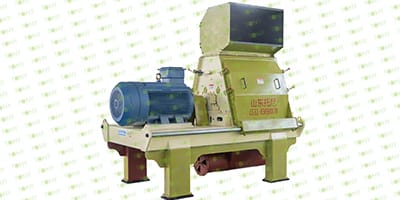
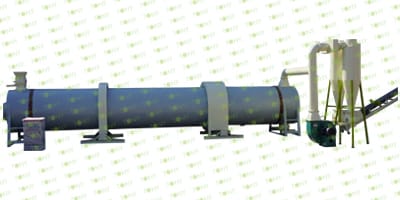
| Straw Cutter | Effective Hammer Mill | Rotary Drum Dryer | Double Screw Cycling Silo |
| 1.To Grind Wet Hay/Grass/Alfalfa Bales Diameter ≤2.2 m Into 60-70mm Wet Hay/Grass/Alfalfa Pieces 2.Model:TPX2500-110KW*3Sets 3.Capacity:4-5Ton/Hour/Set |
1.To Crush 60-70mm Wet Hay/Grass/Alfalfa Pieces Into 8-14mm Wet Hay/Grass/Alfalfa Dust. 2.Model: TFD85-220-220KW*2Sets 3.Capacity:7-8Ton/Hour/Set |
1.To Dry The 30-35% Hay/Grass/Alfalfa Dust Into 10-15% Hay/Grass/Alfalfa Dust 2.Model: THGD2-24*2Sets 3.Capacity:6-7Ton/Hour/Set |
1.To Storage Hay/Grass/Alfalfa Dust Before Pellet Machine;Adjust The Speed Of Hay/Grass/Alfalfa Dust Entering The Pellet Machine 2.Model: TLC-7*2Sets 3.Capacity:6-7Ton/Hour/Set |
 |
 |
 |
 |
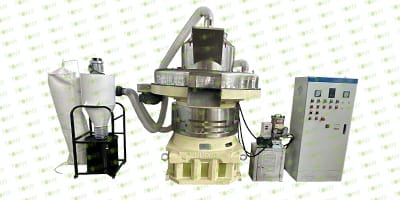
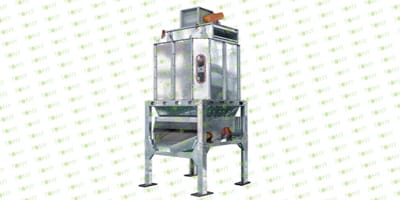
| Vertical Ring Die Pellet Machine | Galvanized Pellets Cooler | Ton Packing Machine | Belt Conveyor |
| 1.To Press Hay/Grass/Alfalfa Dust Into 6-8mm Biomass Pellets 2.Model: TYJ860-III-220KW*4Sets 3.Capacity:3-3.5Ton/Hour/Set 4.New 304SS Type |
1.To Cool Pellets From 80-90℃ to 20-30℃ 2.Model:TCN-4*2Sets 3.Capacity:12-14Ton/Hour |
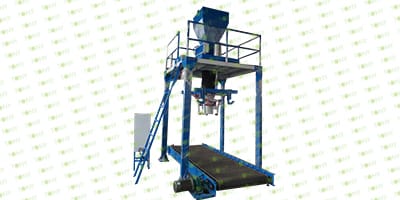
1.To Pack Pellets Into 1 Ton/Bags. 2.Model: TBD*2Sets 3.Capacity: 12-14Ton/Hour |
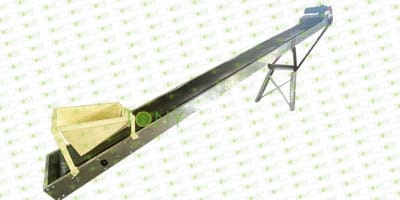
1.To Transport Hay/Grass/Alfalfa Pieces,Hay/Grass/Alfalfa Dust,Pellets. 2.Width: 80cm*12sets 3.Capacity:Designed With The Whole Line |
图片
1.Grinding Process
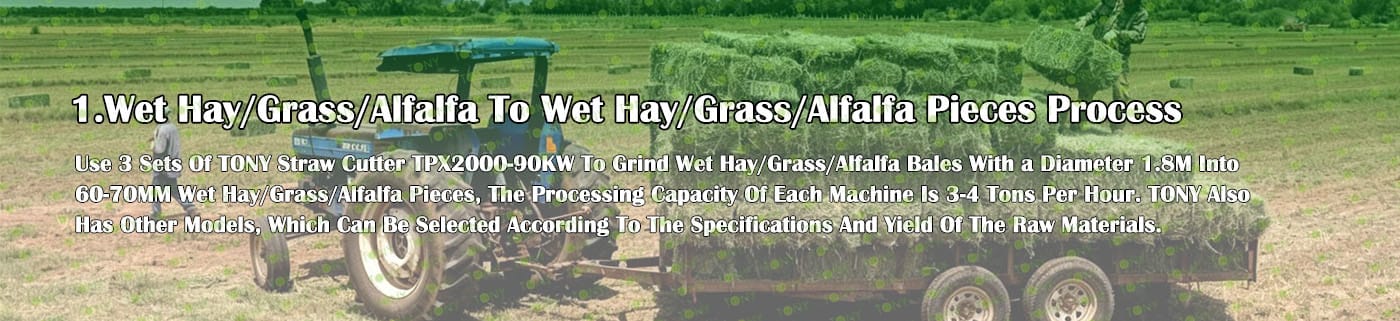
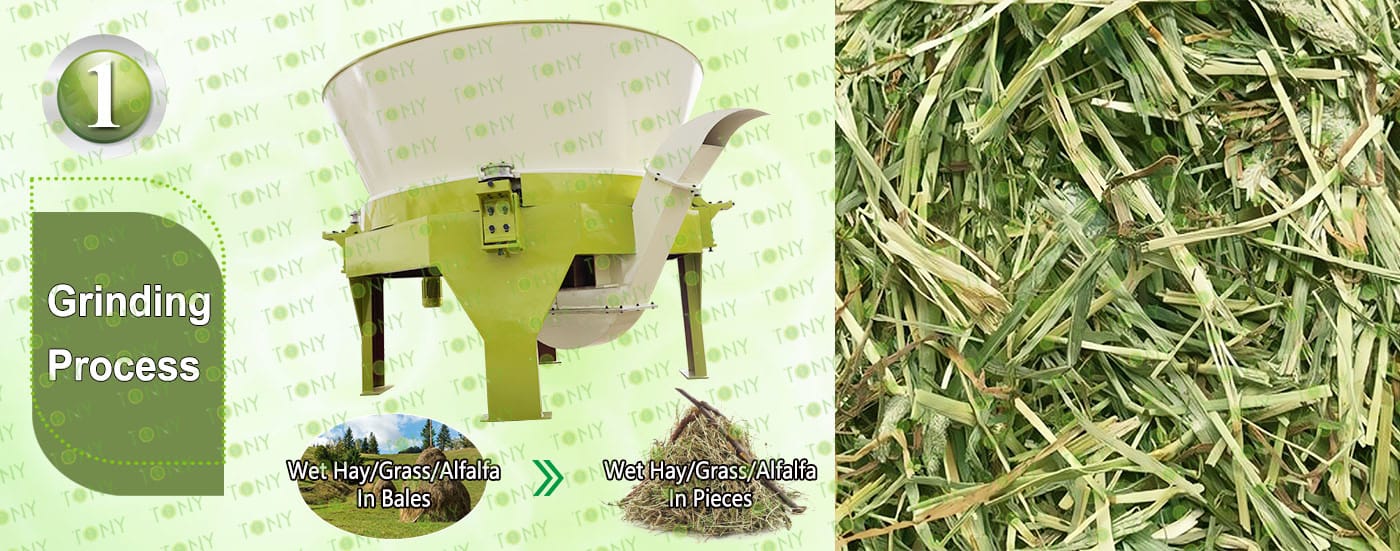
A.The process is mainly used to grind wet hay/grass/alfalfa within 2.2m in diameter into wet hay/grass/alfalfa pieces. The rotary cutting mode of the outer chain of the gear, the rotary cutting rotor blade is sharp, and the blade types are various, which can be rotated to cut various bales of grass with different diameters, different thicknesses, different lengths and different water contents
B.TONY brand straw cutter TPX2500-110KW models *3sets
C.Capacity:4-5ton/hour/set
Main Parts:
(1)Tony's New Straw Cutter
(2)Enlarged Turntable
(3)Rotary Cutting System
(4)Drive system
(5)Electrical Cabinet.

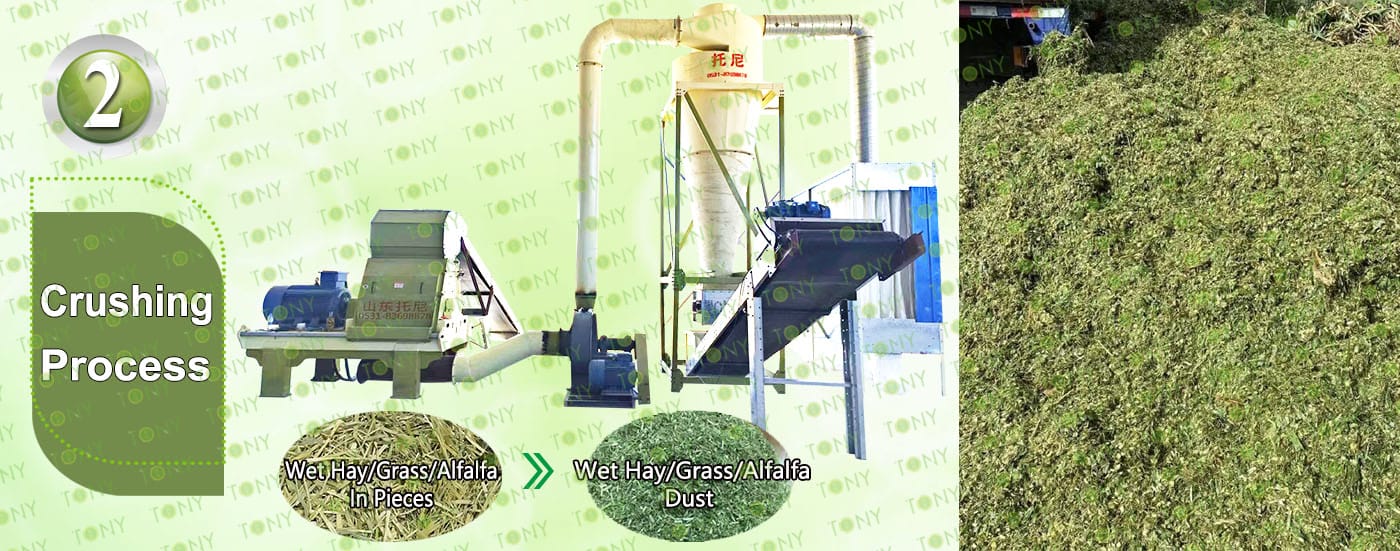
2.Fine Crushing Process
A. The process is mainly used to crush 60-70mm wet hay/grass/alfalfa pieces into 8-14mm wet hay/grass/alfalfa dust.
B.TONY brand effective hammer mill TFD85-220-220KW *2sets
C.Capacity: 12-14tons/hour.
Main parts:
(1)TONY Effective Hammer Mill
(2)Galvanized Dust Collector.
(3)Sawdust Conveying Fan.
(4)Cyclone With Airlock.
(5)Electrical Cabinet.
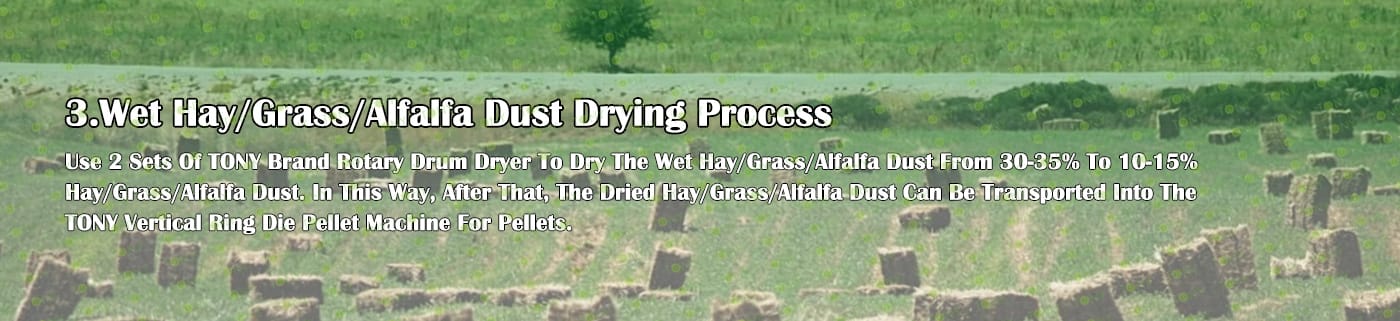
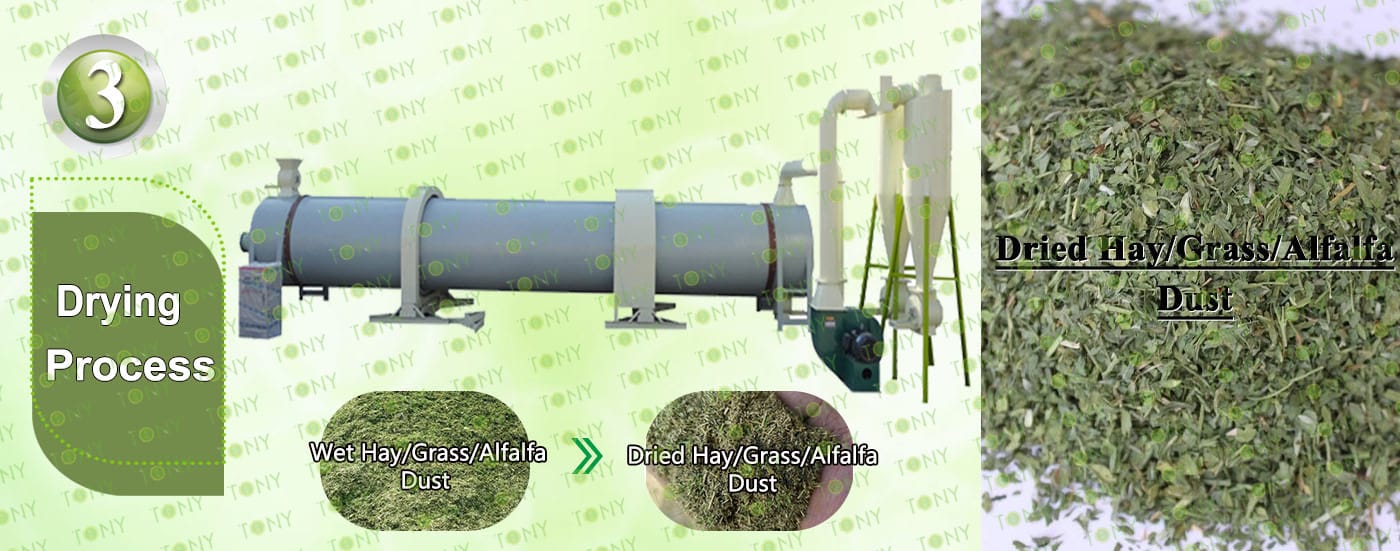
3.Drying Process:
A.This process is mainly used to dry the hay/grass/alfalfa dust from 30-35% to 10-15%.
B.Capacity: 12-14tons/hour.
C.TONY use 2 sets of 2*24m rotary drum dryer for this process,TONY hot stove is made of firebrick pan, shell with H steel plate as the frame. There are 3 layers of fire blocking device inside, which can effectively prevent the fire from entering the tumble dryer.Customers can choose to use waste wood, biomass pellets, natural gas, etc. as fuel for the hot air furnace
TONY dryer use spiral tube material, and is not easy to deform.Unlike other manufacturers with iron plate splicing welding, very easy to deformation.
Main Parts:
(1)TONY's Rotary Drum Dryer Main Body.(Reducers With Motors and Pips)
(2)TONY's Hot Stove.
(3)Fan Blower+Cyclone With Airlock.

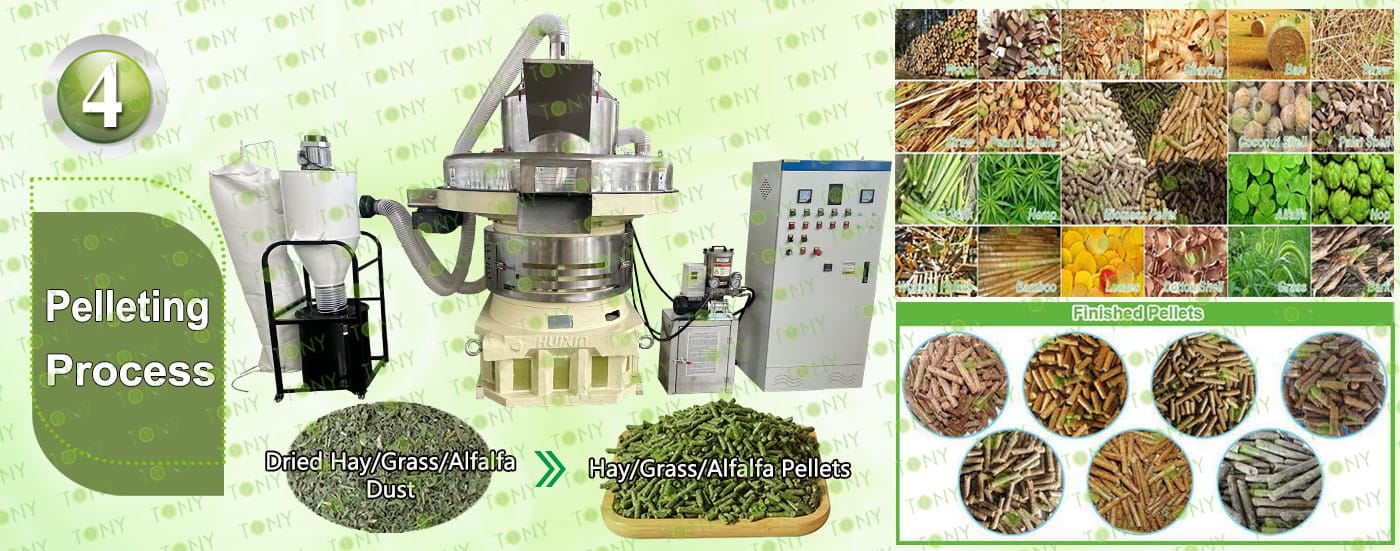
4.Pelletizing Process:
A.This process is mainly used to products pellets with φ6-8mm.
B.TONY brand vertical ring die pellet machine TYJ860-Ⅲ-220KW *4sets
C. Capacity:12-14tons/hour.
D.Double Screw Cycling Silo is added above the pellet machine, which has the advantages of saving space, saving labor, intelligently controlling the feeding speed, not easy to block the material, and improving production efficiency.
Main Parts:
(1)TONY New Vertical Ring Die Pellet Machine.
(2)Cyclone And Bags Dust Collectors.
(3)Bearings Automatic Lubrication System.
(4)Electrical Cabinets.
For more equipment details and information, you can contact TONY
5.Cooling Process:
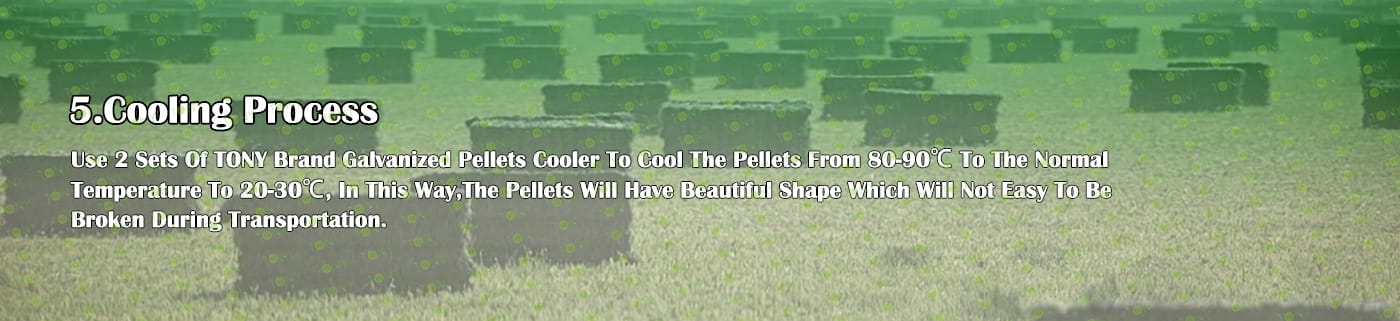
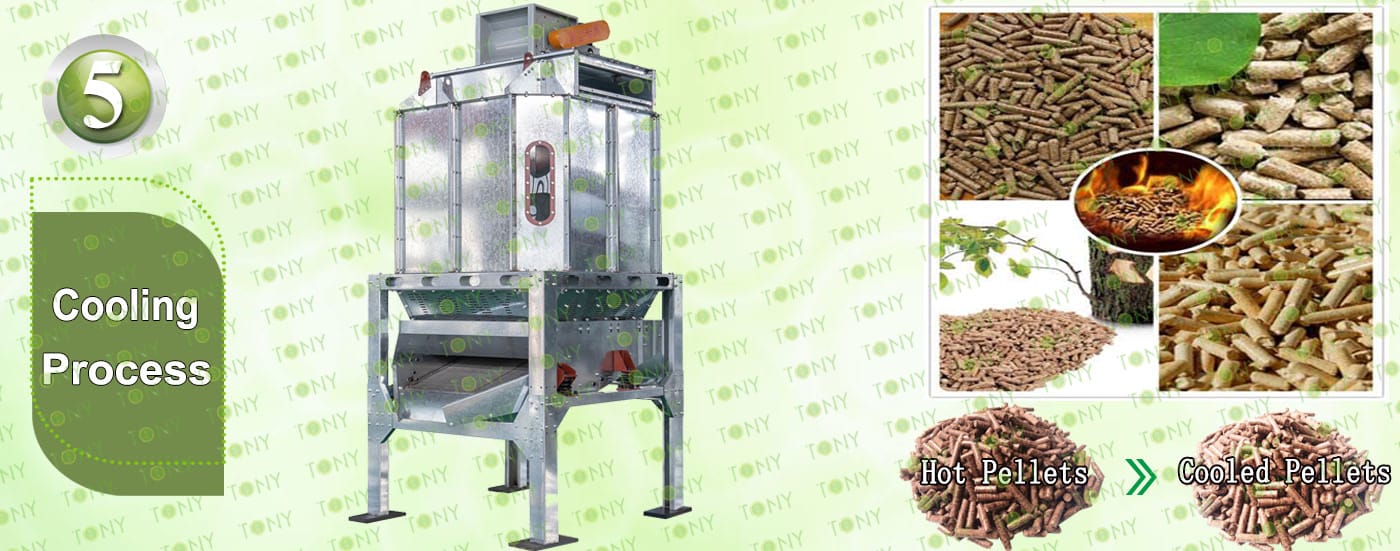
A.This process is mainly used to cool pellets from 80-90℃ to 20-30℃
B.TONY brand galvanized pellets cooler*2Sets
C.Capacity:12-14tons/hour.
Main Parts:
(1)TONY's new Galvanized Pellets Cooler Separator With Vibrating Screen.
(2)Cyclone and bags dust collectors.
(3)Fan Blower.
(4)Connect Pipes.

6.Packing Process:
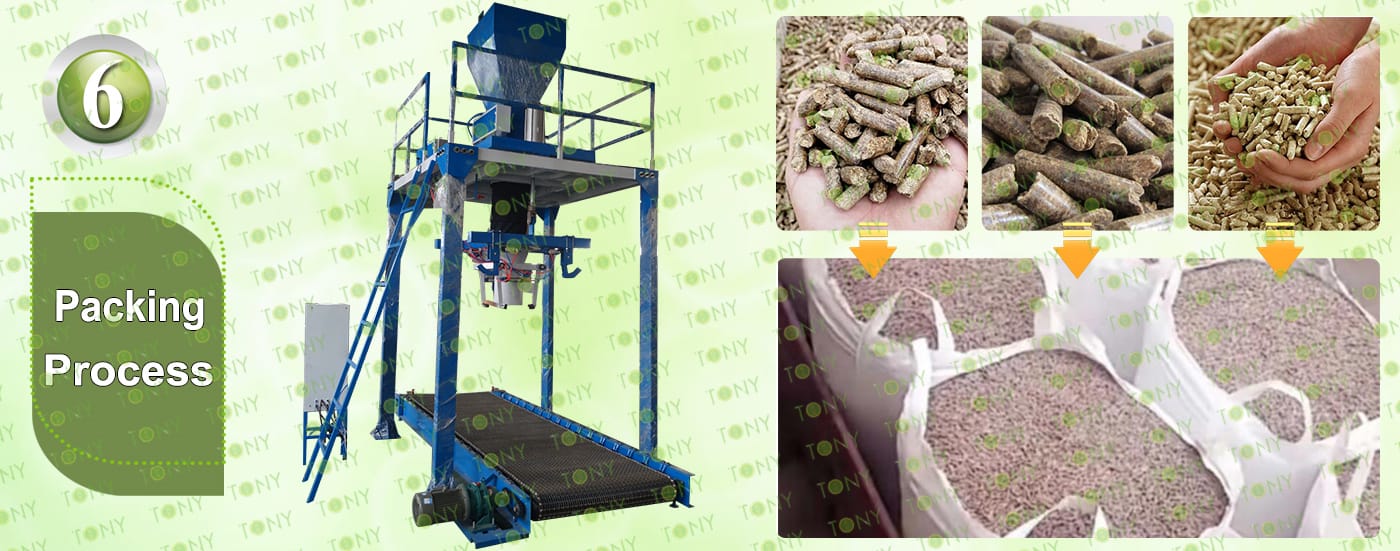
A.This process is mainly used to pack pellets into 1Ton/Bags.
B.TONY brand ton packing machine*2sets
C.Capacity: 12-14tons/hour.
Main Parts:
(1)TONY Ton Packing Machine
(2)Electronic Platform Scale Metering System
(3)Automatic Tare, Zero, and Drop Correction Functions
(4)Feeding System Features Fast, Medium, and Slow Feeding Speeds to Ensure Measuring Accuracy


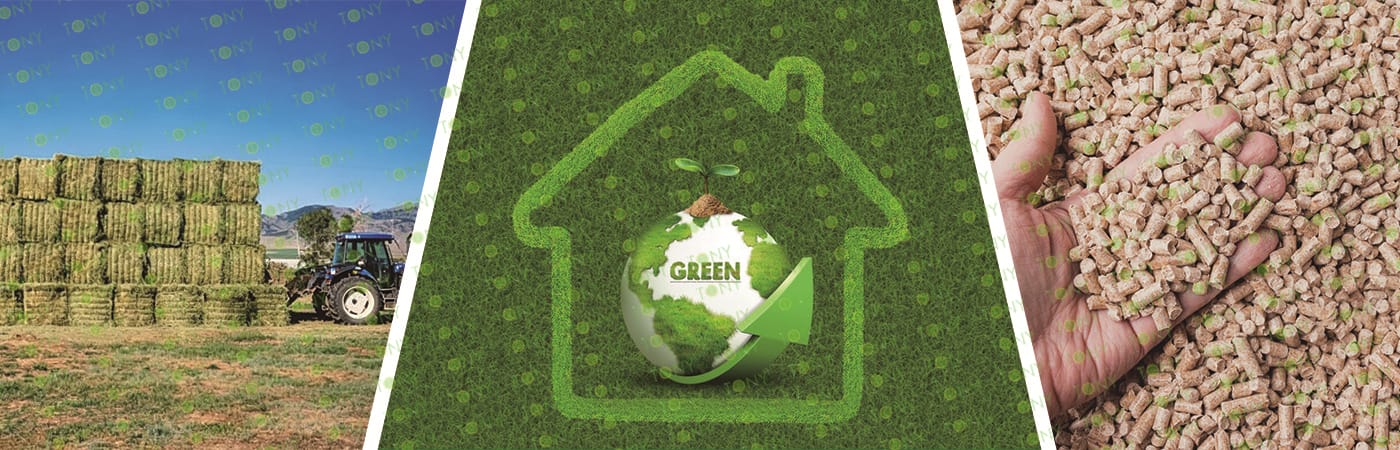
The wet straw biomass pellet project uses pretreatment technology to convert agricultural waste into clean fuel, achieving both environmental and economic benefits. The global energy transition is driving the development of renewable energy, and biomass pellets are encouraged as a clean fuel. Globally, biomass resources such as agricultural straw and forestry waste are abundant. Wet straw processing can reduce resource waste and lower reliance on fossil fuels. Replacing fossil fuels like coal reduces air pollution and contributes to the "dual carbon" goals. Some regions can actively apply for renewable energy subsidies and environmental project funding to reduce initial investment pressures. Long-term purchase agreements can also be signed with farmers and cooperatives to ensure a stable supply of raw materials. Overall, this project can address resource waste while replacing fossil fuels, contributing to the green transition of the energy structure.
Economic and Application Advantages—High Cost and Application Adaptability
1.Low Raw Material Cost:
Grass resources such as alfalfa are abundant, especially in growing areas. The purchase price of raw materials is generally lower than that of wood materials, and they can be purchased locally, reducing transportation costs.
2.Low Barrier to Use:
The pellets have a regular shape and require no complex pretreatment. They can be directly integrated into existing biomass combustion equipment (such as pellet stoves and biomass boilers) without requiring large-scale equipment modifications, making them a low-cost alternative to traditional fuels (such as coal and liquefied petroleum gas).
3.Potential for Added Value:
By adjusting the processing technology (such as controlling protein retention), some grass pellets can be used as roughage for livestock, or further extracted for fiber and active ingredients, expanding their application and increasing the product's added value.

2025 Tony Machinery - All Rights Reserved. Map