




















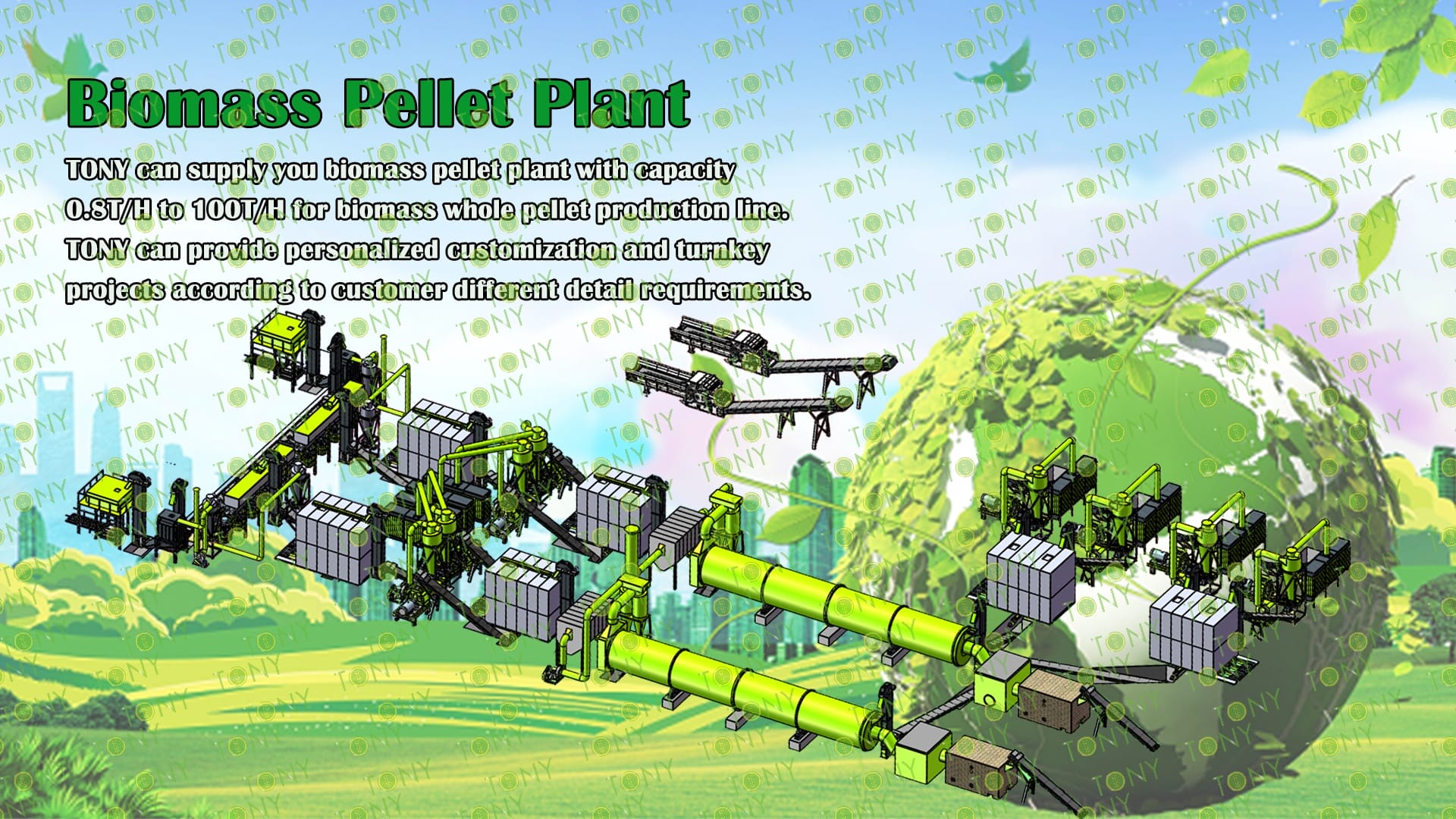
Project Brief Introduction:
1.Product:Dried Rice Husk Pellet Line
2.Capacity:15-18Ton /Hour
3.TONY Brand 15-18Ton/Hour Dried Rice Husk Pellet Line Project Process
4.Main Machine: TONY Pellet Machine TYJ760-Ⅲ-160KW,Pellets Cooler,Packing Machine And Belt Conveyors
5.Total Power: About 1060KW
6.Need Area: About ㎡ L: M W: M H: M
Project Layout For Customer:
3D图3
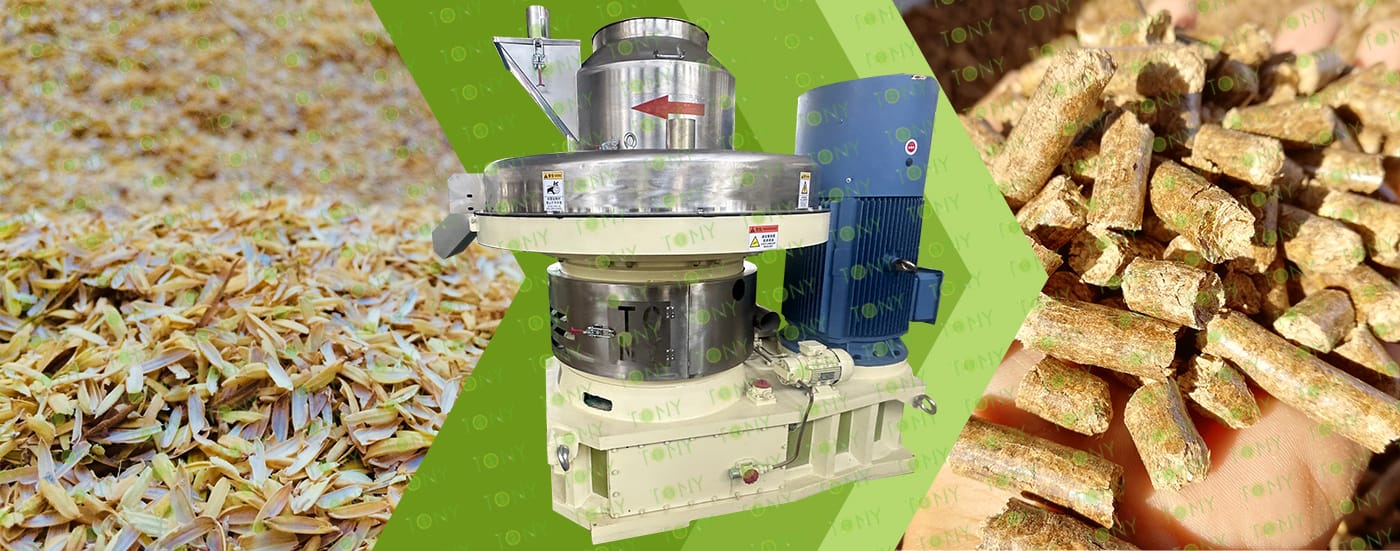
1.The working principle of dried rice husk biomass pellet processing equipment
The core principle of rice husk processing equipment for biomass pellets is to mechanically compress the rice husk to soften the lignin, solidifying the loose raw material into high-density pellets. This primarily relies on the extrusion molding mechanism of a ring die structure.
Biomass pellet mills (such as ring die pellet mills) are the core equipment for processing rice husks. Their principle is based on "extrusion molding." The die and pressure rollers work together to force the raw material into the die orifice under high pressure. During this process, the lignin in the rice husk softens due to frictional heat, acting as a natural binder to solidify the pellets. The freshly produced pellets reach a temperature of 80-90℃ and need to be cooled to room temperature to prevent spontaneous combustion.
2.Characteristics of dried rice husk biomass pellet processing equipment
(1)Wide adaptability to raw materials:It can process various coarse fiber materials such as rice husks, sawdust, and straw, and is especially optimized for lightweight raw materials such as rice husks.
(2)High molding efficiency:It adopts a centrifugal high-efficiency design, and the rotation of the pressure rollers ensures uniform material distribution, resulting in a high one-time molding rate and full granules.
(3)Optimized structural design:The mold is vertically arranged, ensuring vertical feeding without clogging and good heat dissipation; an independent dust removal device improves the quality of the production environment.
3.Application scenarios of dried rice husk biomass pellet processing equipment
(1)Biomass Power Plants/Cogeneration:Some biomass power plants mix rice husk pellets with sawdust and straw pellets for combustion to generate electricity or for cogeneration (simultaneous power and heating). Rice husk pellets have a calorific value of 4000-4500 kcal/kg, meeting the requirements of power plant boilers, and are considered renewable energy, thus eligible for new energy subsidies.
(2)Rice Husk Solid Waste Treatment Centers:Centralized solid waste treatment centers are built in industrial parks or production areas with multiple small rice mills to collect scattered rice husks. Processing these husks using pelletizing equipment solves the problems of mold and incineration pollution caused by accumulated rice husks, and converts the waste into marketable energy products, achieving a win-win situation of "environmental protection + economic benefits."
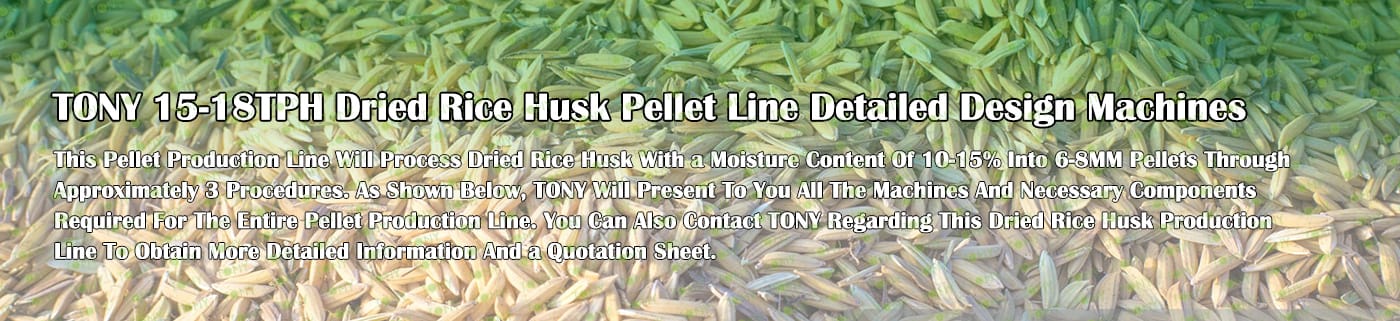
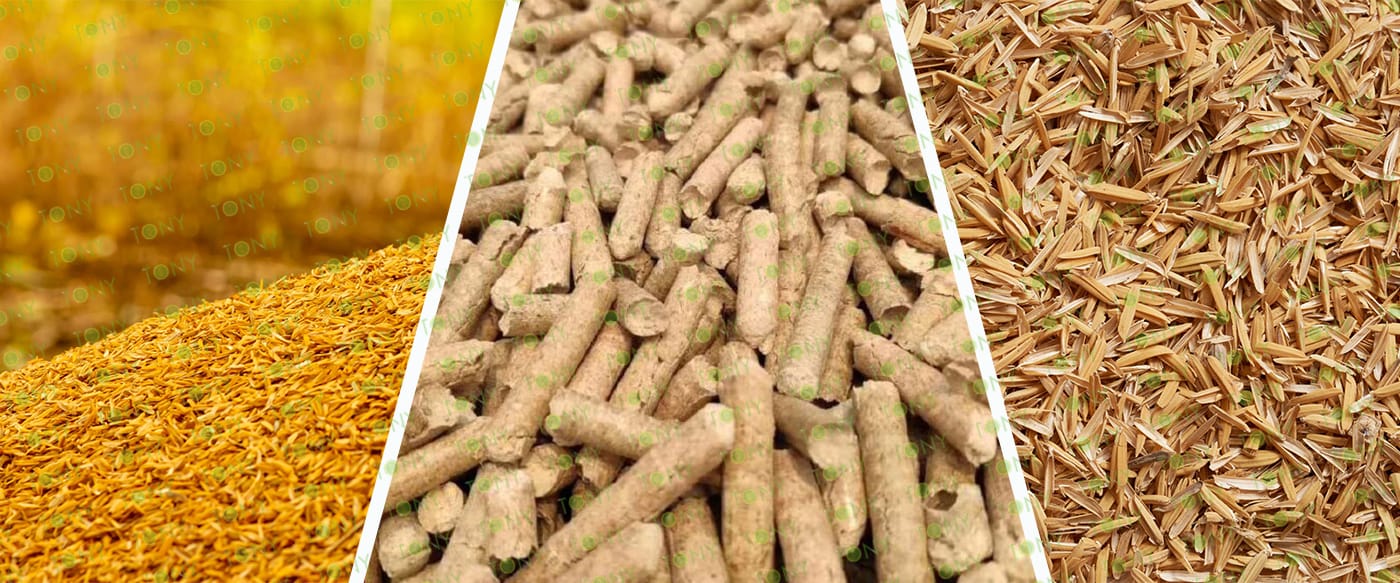
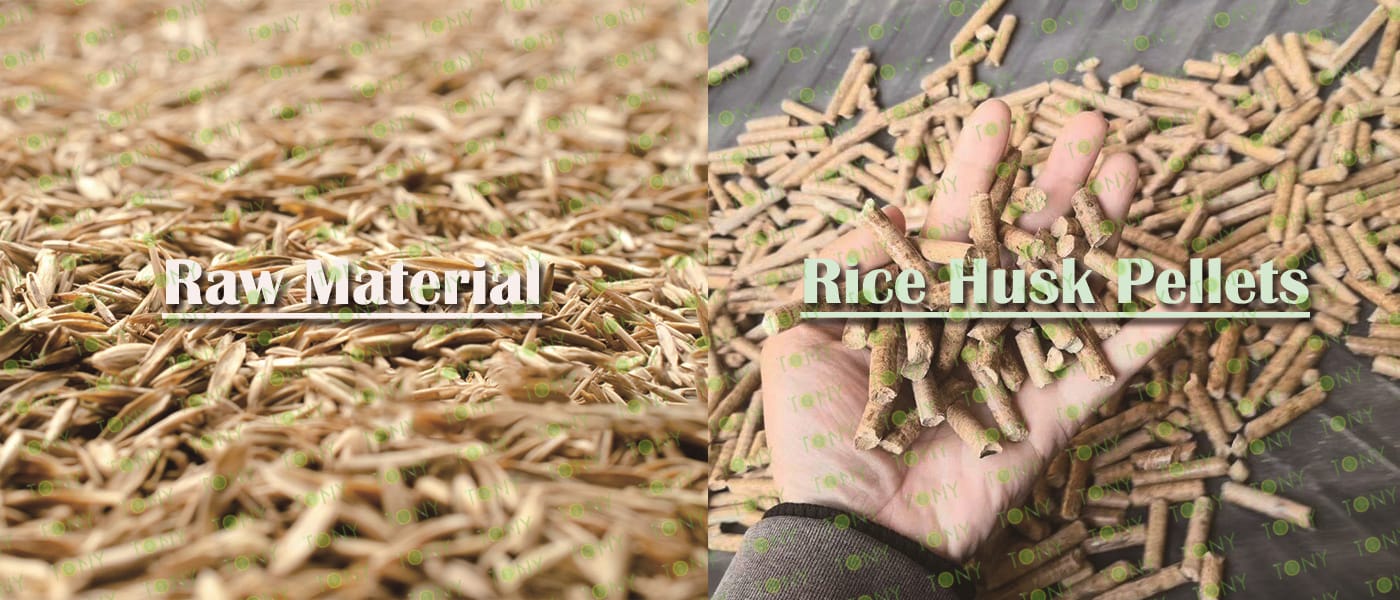
TONY Brand 15-18TPH Dried Rice Husk Pellet Line can process dried rice husk and various biomass materials into biomass pellets. The core of the rice husk biomass pellet production line is to take advantage of the characteristics of rice husks—lightweight, high in silicon, and low in agglomeration—and transform agricultural waste rice husks into standardized biomass fuel through customized pretreatment and pelleting processes. This fuel is widely applicable to rice-growing areas and energy demand scenarios.The core significance of the rice husk biomass pellet production line is to realize the resource utilization, reduction and low-carbon utilization of rice husk waste, which not only solves the problem of agricultural solid waste pollution, but also provides a clean option for energy structure transformation, and has economic, environmental and social value.
1. Capacity: 15-18Ton/Hour
2. Raw materials: Dried rice husk
3. Moisture: About 10-15%
4. Application: All kinds of biomass materials suitable for pellet production.
Suitable customers: Green energy companies, large farms, private growers and other customers with advantages in raw materials.
5. Finished Pellets Markets: Large power plants, domestic heating, industrial heating, combustion heat, heating heating, boiler room, school canteen, foundry heat source.
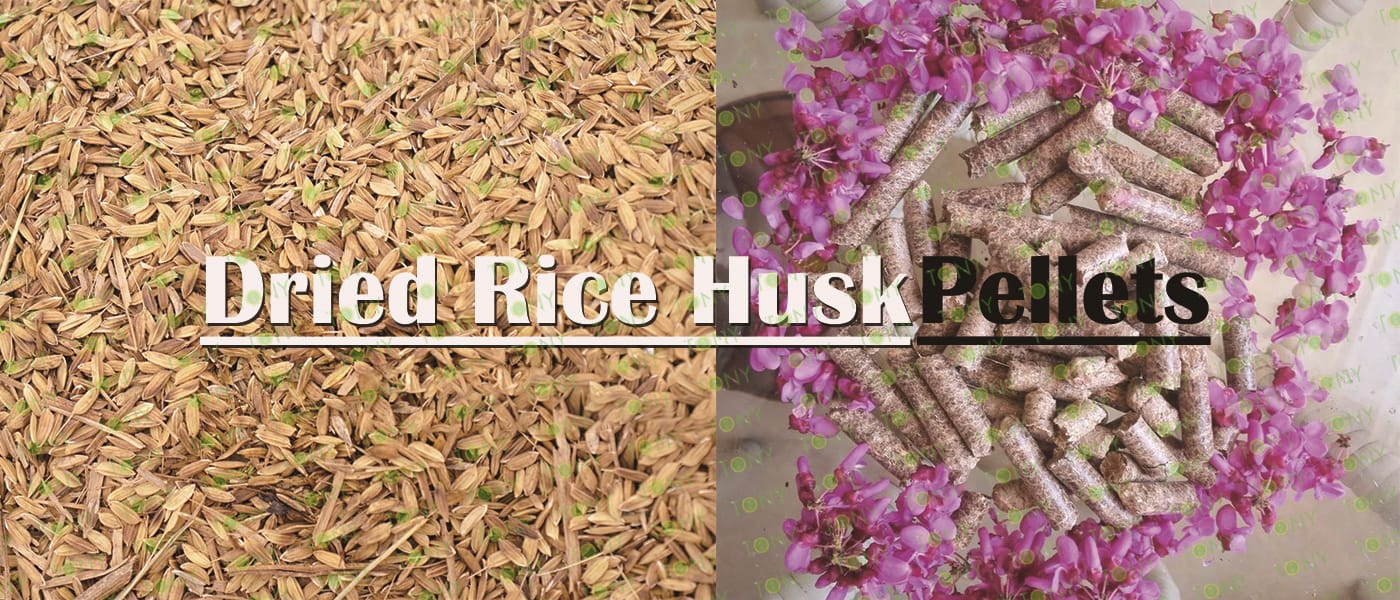
1. Project Name: Dried Rice Husk Pellet Production Line
2. Raw Material: Dried rice husk
3. Moisture Content of Raw Material:10-15%
4. Capacity: 15-18TPH
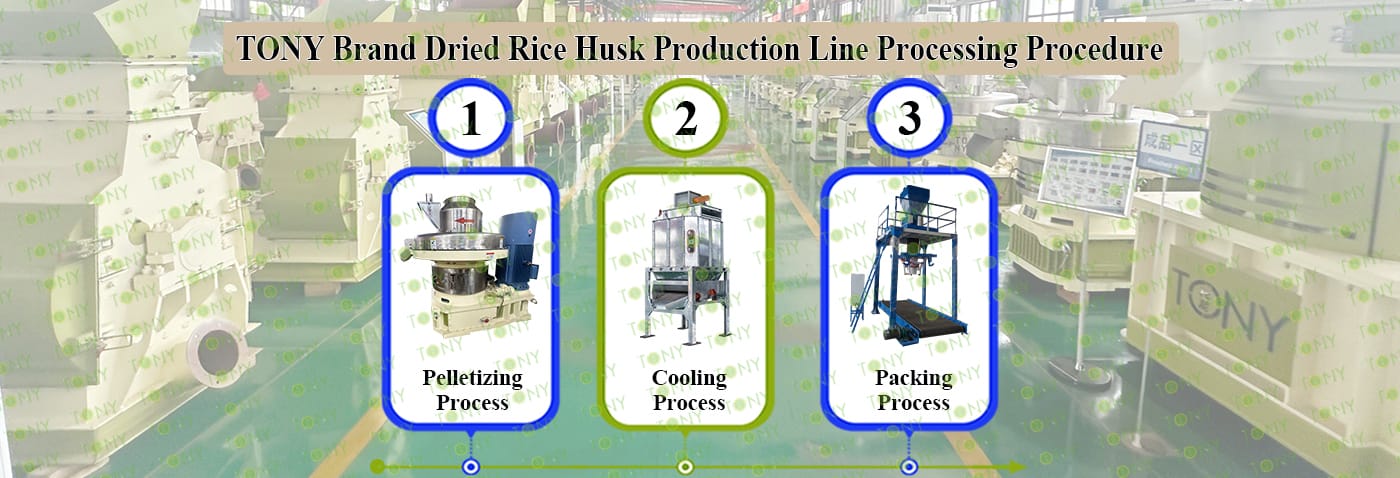
5. Process: Pelletizing Process - Cooling Process - Packing Process
6. Main Equipment: TONY Pellet Machine-TYJ760-III-160KW, Galvanized Pellets Cooler, Ton Packing Machine and Belt Conveyors

|
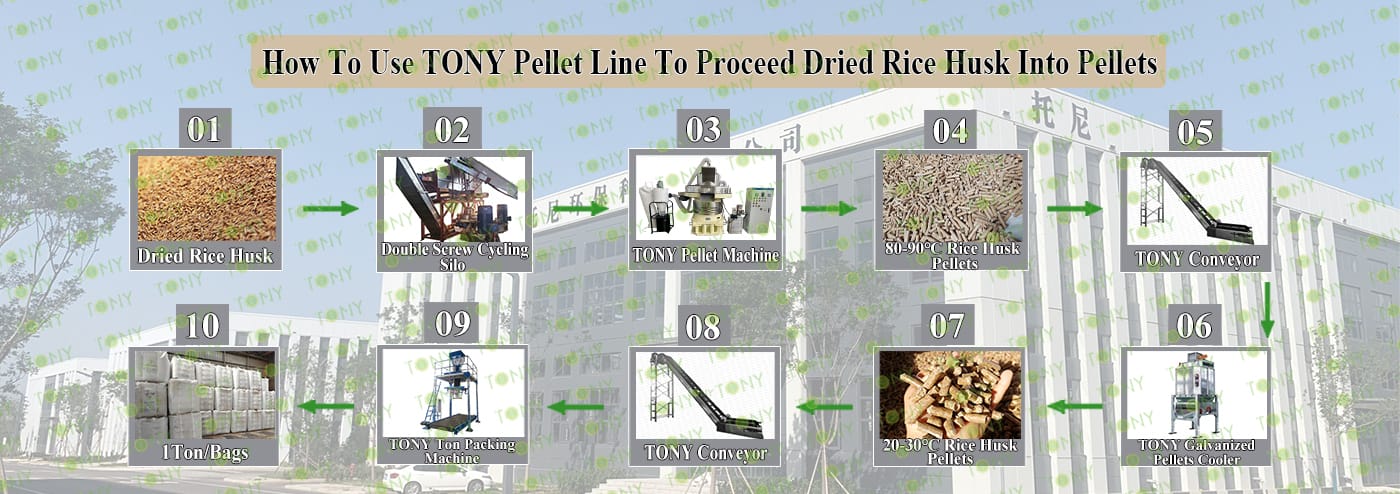
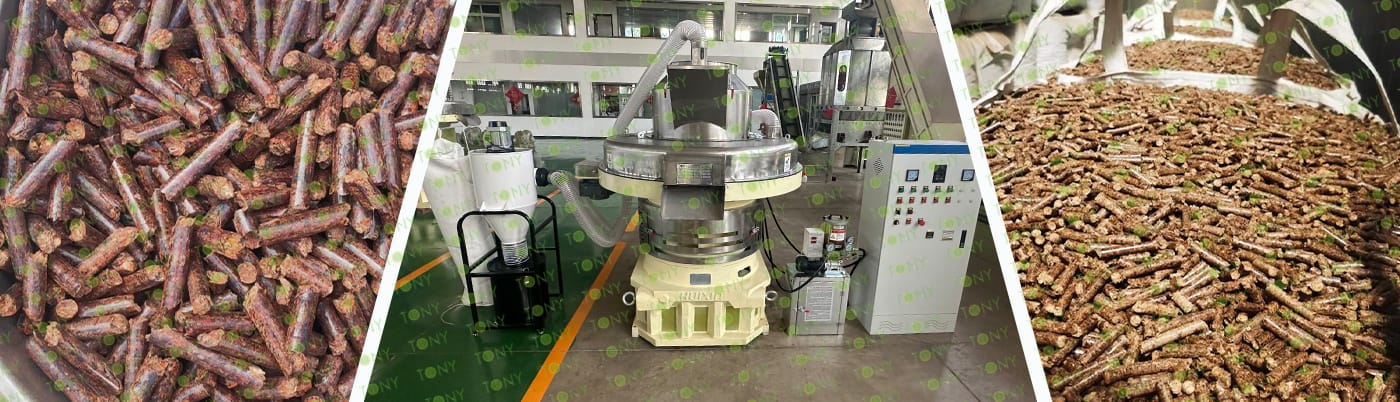
How To Use TONY Pellet Line To Proceed From Dried Rice Husk Into Pellets? It mainly contains the following steps and machines as following: 1.Use TONY vertical ring die pellet machine to products pellets with φ6-8mm. 2.Use TONY galvanized pellets cooler to cool pellets from 80-90℃ to 20-30℃. 3.Use TONY ton packing machine to pack the pellets into 1 ton/bags. You can contact TONY to get for more details information and quotation. TONY can supply you all the products as above with competitive price and excellent quality. |
|
|||||||||||||||||||||||||||||||||||
3D图 图1-长宽
3D图 图2-高
| Next, TONY Will Introduce To You All The Necessary Machinery That Will Be Used For The Whole Pellet Production Line. Some Machines Can Be Custom - Made By Customers According To Different Customers' Detailed Demands. Contact TONY For More Details, Including Quotation And Layout. | |||
 |
 |
 |
 |
| Double Screw Cycling Silo | Vertical Ring Die Pellet Machine | Galvanized Pellets Cooler | Ton Packing Machine |
| 1.To Storage Rice Husk Before Pellet Machine; Adjust The Speed Of Rice Husk Entering The Pellet Machine 2.Model: TLC-9*2Sets 3.Capacity:15-18Ton/Hour/Set |
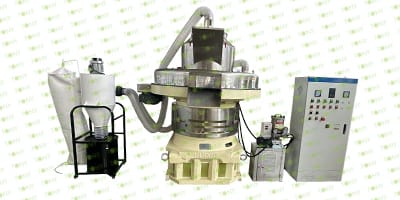
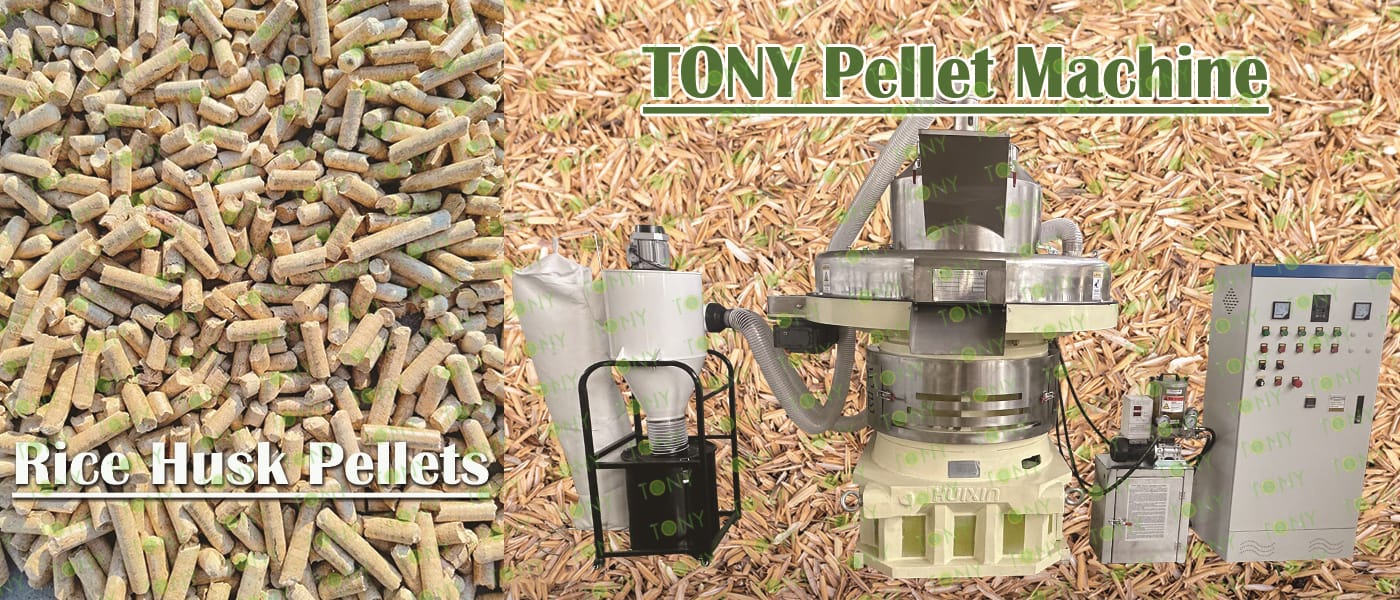
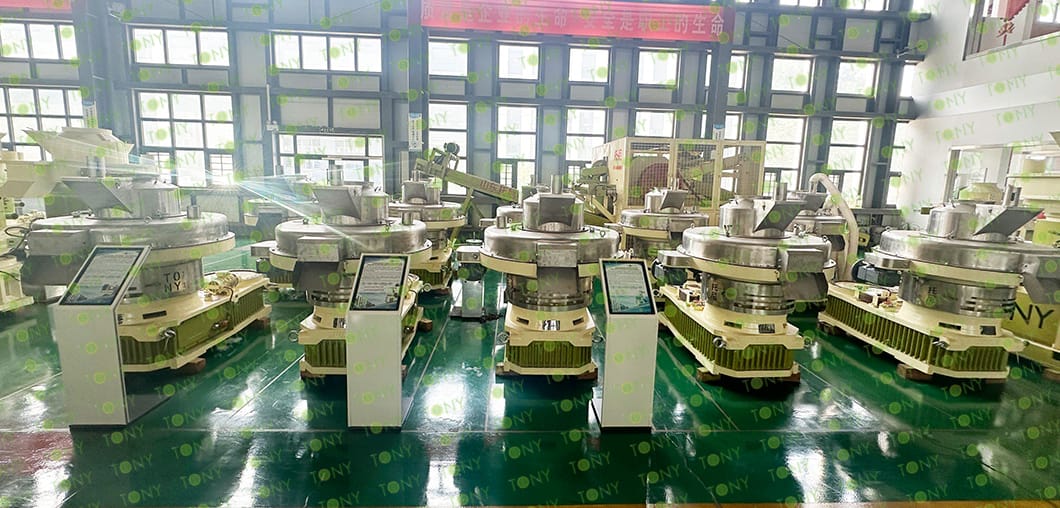
1.To Press Rice Husk Into 6-8mm Biomass Pellets 2.Model: TYJ760-III-160KW*6Sets 3.Capacity:2.5-3Ton/Hour/Set 4.New 304SS Type |
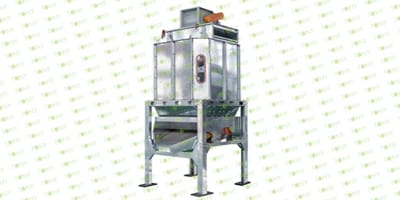
1.To Cool Pellets From 80-90℃ to 20-30℃ 2.Model:TCN-4*2Sets 3.Capacity:15-18Ton/Hour |
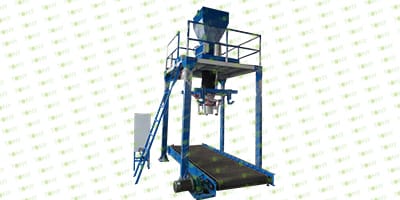
1.To Pack Pellets Into 1 Ton/Bags. 2.Model: TBD* 2 Sets 3.Capacity:15-18Ton/Hour |
3D图 图3
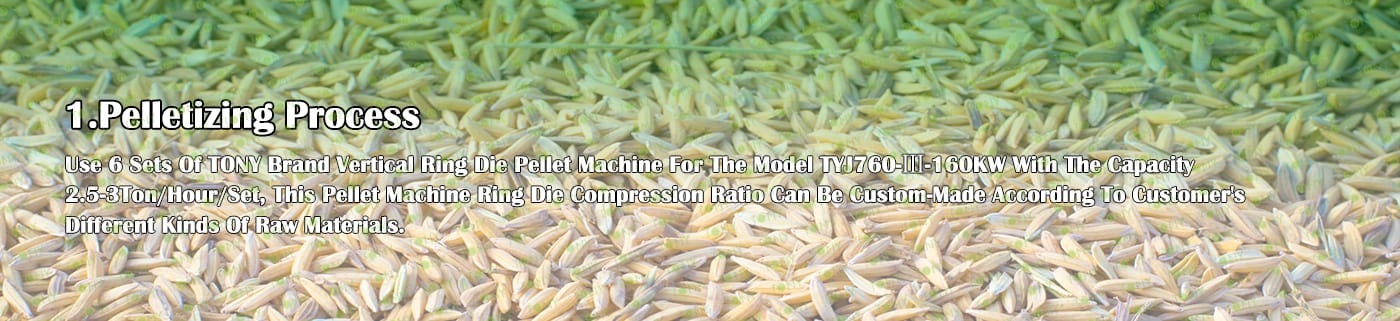
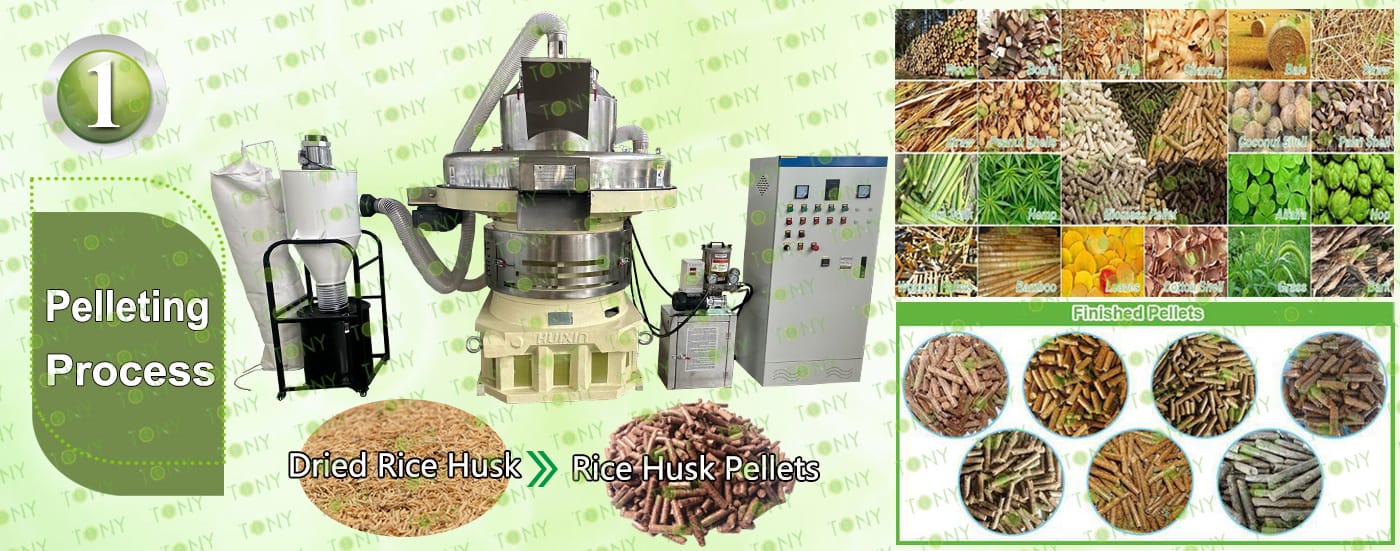
1.Pelletizing Process:
A.This process is mainly used to products pellets with φ6-8mm.
B.TONY brand vertical ring die pellet machine TYJ760-Ⅲ-160KW *6sets
C.Capacity:15-18tons/hour.
D.Double Screw Cycling Silo is added above the pellet machine, which has the advantages of saving space, saving labor, intelligently controlling the feeding speed, not easy to block the material, and improving production efficiency.
Main Parts:
(1)TONY New Vertical Ring Die Pellet Machine.
(2)Cyclone And Bags Dust Collectors.
(3)Bearings Automatic Lubrication System.
(4)Electrical Cabinets.
For more equipment details and information, you can contact TONY
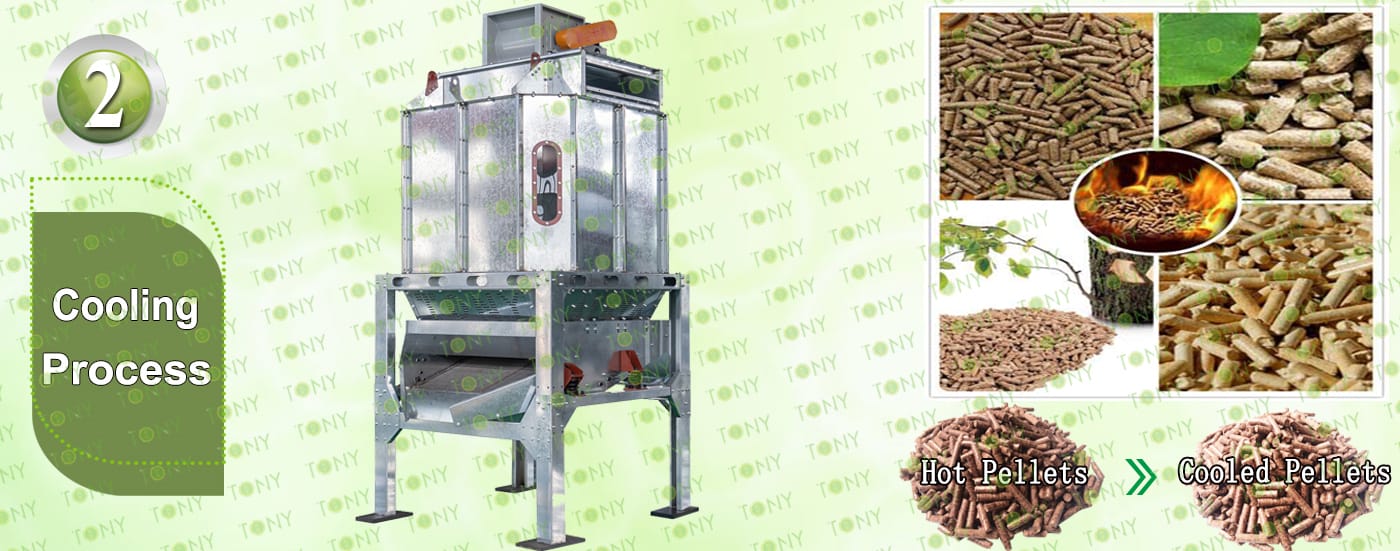
2.Cooling Process:
A.This process is mainly used to cool pellets from 80-90℃ to 20-30℃
B.TONY brand galvanized pellets cooler*2sets
C.Capacity:15-18tons/hour.
Main Parts:
(1)TONY's New Galvanized Pellets Cooler Separator With Vibrating Screen.
(2)Cyclone and bags dust collectors.
(3)Fan Blower.
(4)Connect Pipes.
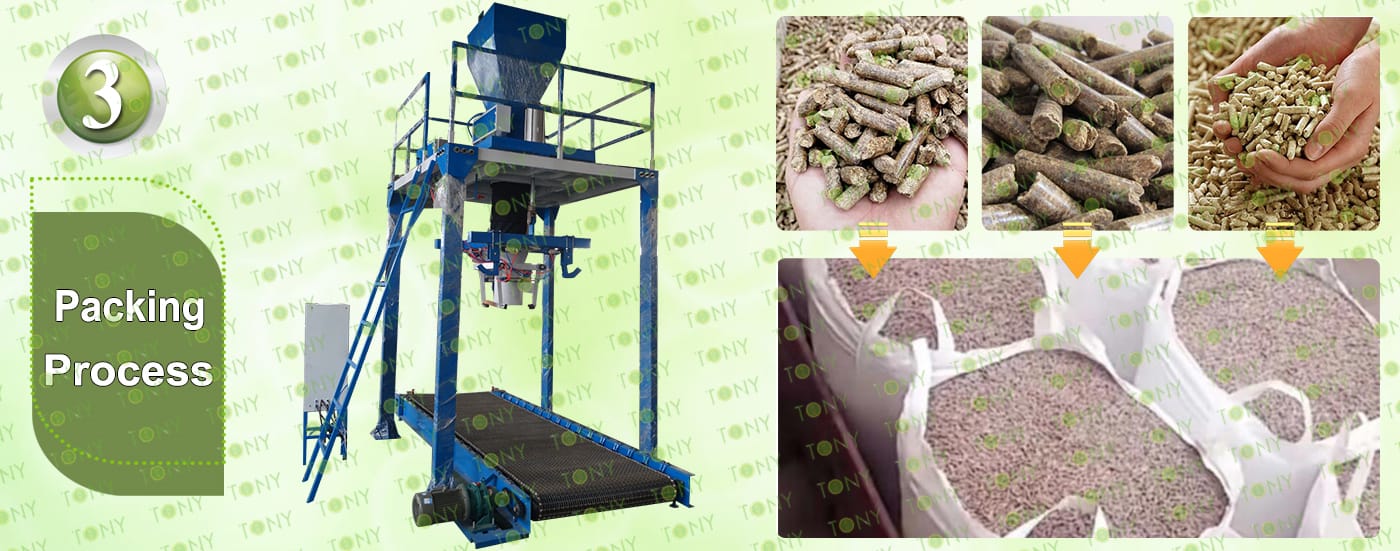
3.Packing Process:
A.This process is mainly used to pack pellets into 1ton/bags.
B.Capacity:15-18tons/hour.
C.TONY band ton packing machine*2 sets
Main Parts:
(1)TONY Ton Packing Machine
(2) Electronic Platform Scale Metering System
(3)Automatic Tare, Zero, and Drop Correction Functions
(4)Feeding System Features Fast, Medium, and Slow Feeding Speeds to Ensure Measuring Accuracy

Market Advantages of Rice Husk Biomass Pellets Projects: Rigid Demand, Multiple Application Scenarios, and Low Competition
1.Diverse and Stable Demand Scenarios:
The product can simultaneously meet the needs of three major scenarios: industrial, residential, and energy. In the industrial sector (food factories, chemical plants), it replaces coal and natural gas as boiler fuel, with stable demand (mostly long-term contracts of 1-3 years). In the residential sector (rural heating, agritourism), demand is increasing year by year due to rising environmental awareness. In the energy sector (biomass power plants), demand is subject to mandatory policy constraints (some regions require biomass to account for ≥30% of power generation fuel), and the market capacity continues to expand.
2.Strong Product Competitiveness:
Rice husk pellets have a calorific value of 4000-4500 kcal/kg, close to that of medium-quality coal, but produce no sulfur emissions during combustion (sulfur dioxide emissions <50 mg/m³, only 1/10 of coal), and the ash can be used as organic fertilizer, meeting environmental protection requirements. At the same time, its price is only 2/3 of the cost of the equivalent calorific value of natural gas and 80% of that of coal, making it extremely cost-effective in industrial substitution scenarios.
3.Less regional competition pressure:
Rice husk raw materials have obvious "regional attributes" (concentrated only in rice producing areas). Processing projects are mostly located in the raw material producing areas, and products can be sold locally without long-distance transportation (particles are easily broken during long-distance transportation). This can effectively avoid cross-regional competition, and the market share within the region is easy to stabilize.
1.Environmental friendliness:
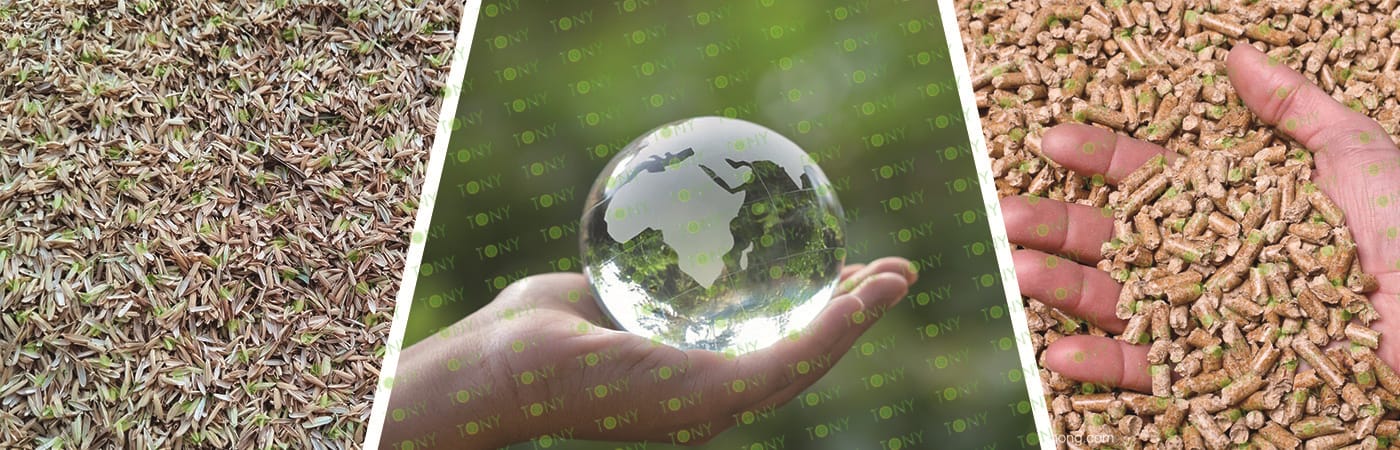
During the combustion of rice husk biomass pellets, the emission of harmful substances is significantly lower than the national standard. Its main components are C-H organic matter, and the flue gas contains no particulate carbon or SO2. SO2 and CO emissions are close to zero, and the smoke is less smoky, significantly reducing air pollution and carbon dioxide emissions.
2.Economic efficiency:
In practical use, rice husk biomass pellet fuel has a calorific value comparable to coal, but due to its easy combustion and reduced fuel waste, it has a certain advantage in operating costs. Furthermore, the price of rice husk biomass pellet fuel is relatively stable, helping to reduce production costs for enterprises.
3.Sustainability:
Rice husk biomass pellet fuel is derived from biomass resources such as crop straw and forestry waste. These resources are renewable and do not cause environmental damage. The ash from the combustion of rice husk biomass pellet fuel can be used as fertilizer, promoting new plant growth and entering a new cycle, ensuring a continuous supply and sustainable use of biological resources.
4.Combustion Performance:
Rice husk biomass pellet fuel has better ignition properties than coal, making it easier to start and significantly shortening the start-up time. During combustion, rice husk biomass pellet fuel maintains a stable combustion state, with a continuous combustion time 8-10 times longer than that of soft, loose materials.
2025 Tony Machinery - All Rights Reserved. Map