




















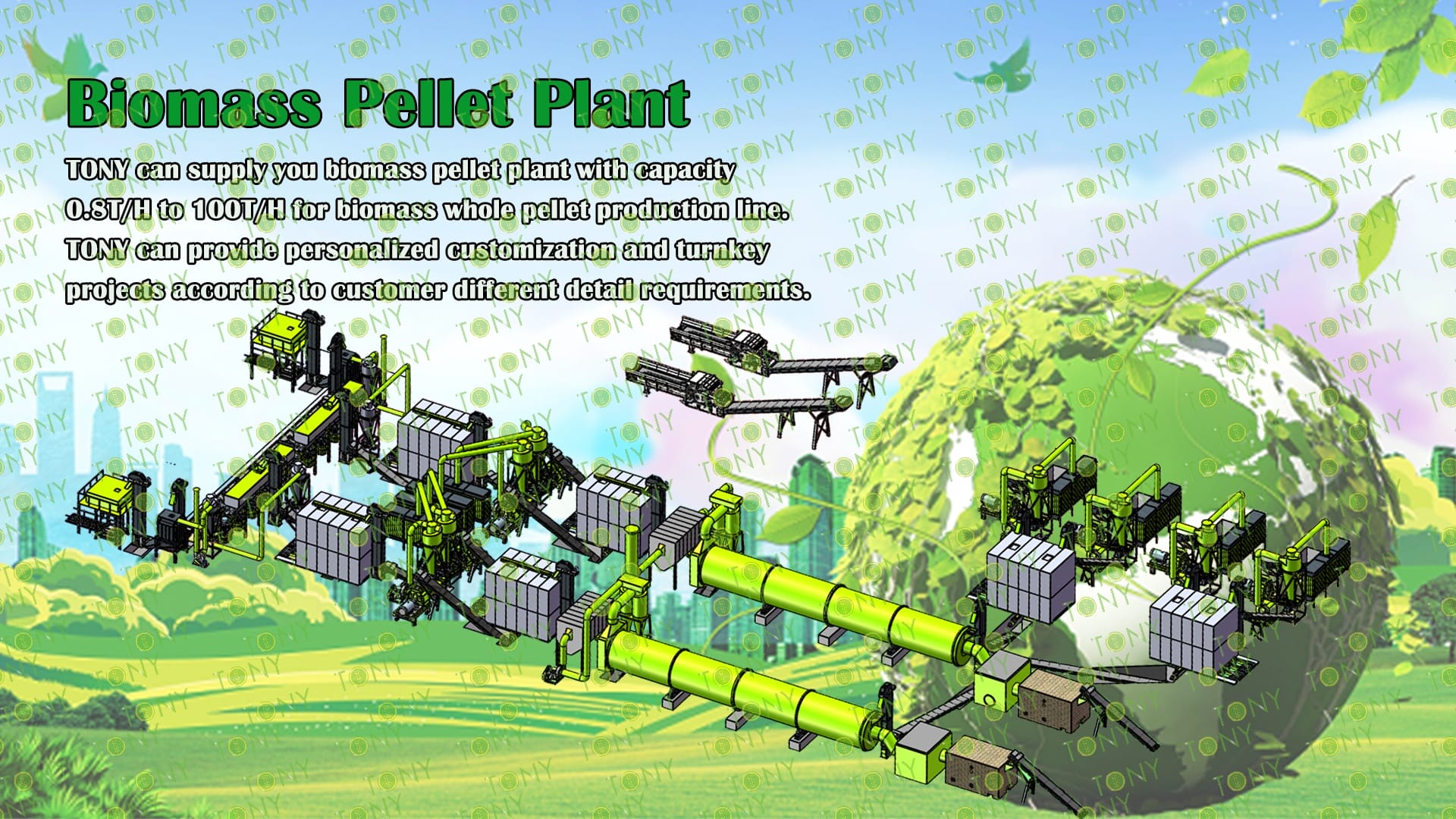
Project Brief Introduction:
1.Product:Wet Hay/Grass/Alfalfa Pellet Line
2.Capacity:9-10.5Ton/Hour
3.TONY Brand 9-10.5Ton /Hour Wet Hay/Grass/Alfalfa Pellet Line Project Process
4.Main Machine: Straw Cutter,Hammer Mill,Rotary Drum Dryer,TONY Pellet Machine TYJ860-Ⅲ-220KW,Pellets Cooler,Packing Machine And Belt Conveyors
5.Total Power: About 1500KW
6.Need Area: About ㎡ L: M W: M H: M
Project Layout For Customer:
图片
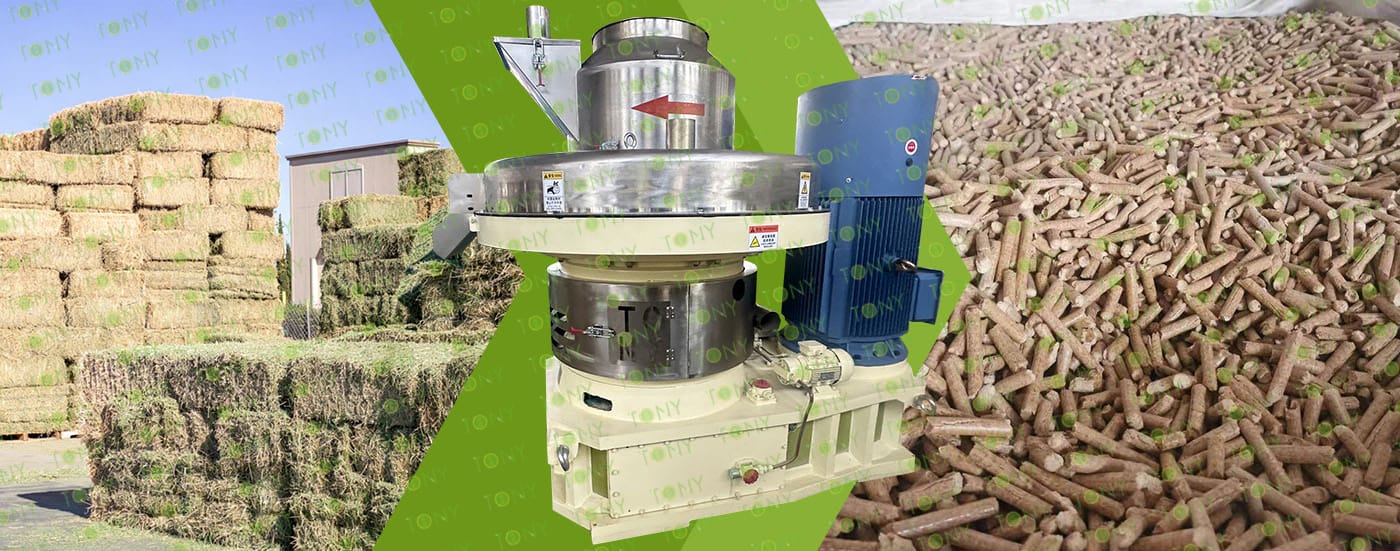
1.The working principle of wet hay/grass/alfalfa biomass pellet processing equipment
The core principle of wet hay/grass/alfalfa processing equipment is to compress moist hay into pellets through mechanical pressure. The key equipment is the ring die pellet mill, which needs to be combined with pretreatment processes such as crushing and drying.
2.Characteristics of wet hay/grass/alfalfa biomass pellet processing equipment
(1)Continuous Design:Adapted to the "not suitable for long-term storage" characteristic of wet materials, it is equipped with conveyor belts, bucket elevators, and other conveying equipment to achieve continuous operation throughout the entire process of "cleaning - crushing - drying - pelletizing - cooling - screening," preventing the wet materials from accumulating and deteriorating in intermediate stages.
(2)Comprehensive Environmental Support:To address the exhaust gas from the drying process, which contains dust from the drying equipment, a cyclone dust collector + bag filter is required (to handle the dust generated during drying) to meet environmental emission requirements. This is a component that does not require significant configuration in a dry material granulation line.
(3)Energy Consumption and Cost:High initial investment, moderate operating energy consumption.
(4)Equipment Investment:It requires an additional drying system compared to a dry material line, resulting in higher overall equipment purchase and installation costs.
(5)Operating Energy Consumption:The drying process consumes heat (accounting for 40%-60% of total energy consumption), but the subsequent granulation process, due to the moisture content of the material, has lower extrusion resistance than dry materials, resulting in relatively lower motor energy consumption. Overall, energy consumption exhibits a "high at the beginning, flat at the end" characteristic.
3.Application scenarios of wet hay/grass/alfalfa biomass pellet processing equipment
(1)Application Scenarios:Fuel plants are typically located near hay/grass/alfalfa producing areas (to ensure raw material supply). Production lines are large-scale, and the processed pellet fuel is sold externally in packaged or bulk form.
(2)Reasons for Suitability:If biomass fuel plants purchase hay/grass/alfalfa, the raw material cost is high. Drying and pelletizing the hay using their own equipment can reduce raw material costs. Simultaneously, the produced pellet fuel (calorific value approximately 16-18 MJ/kg) can be supplied to industrial boilers, biomass power plants, etc.
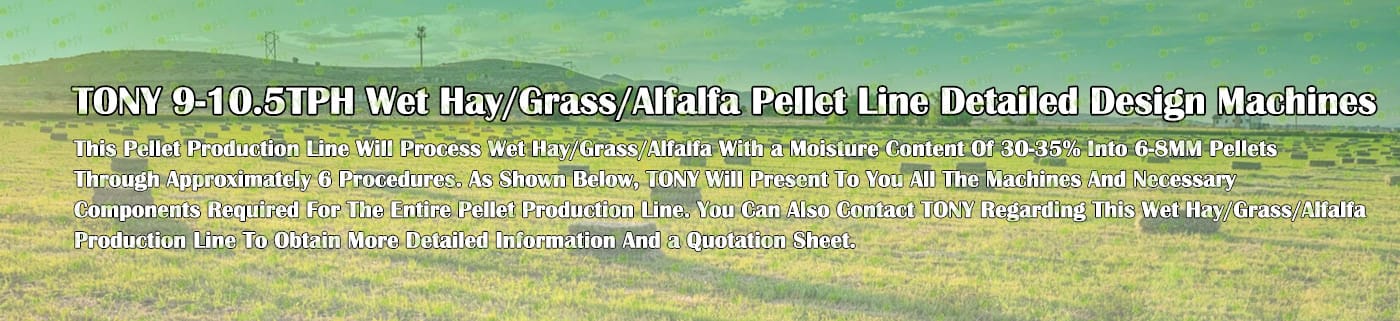
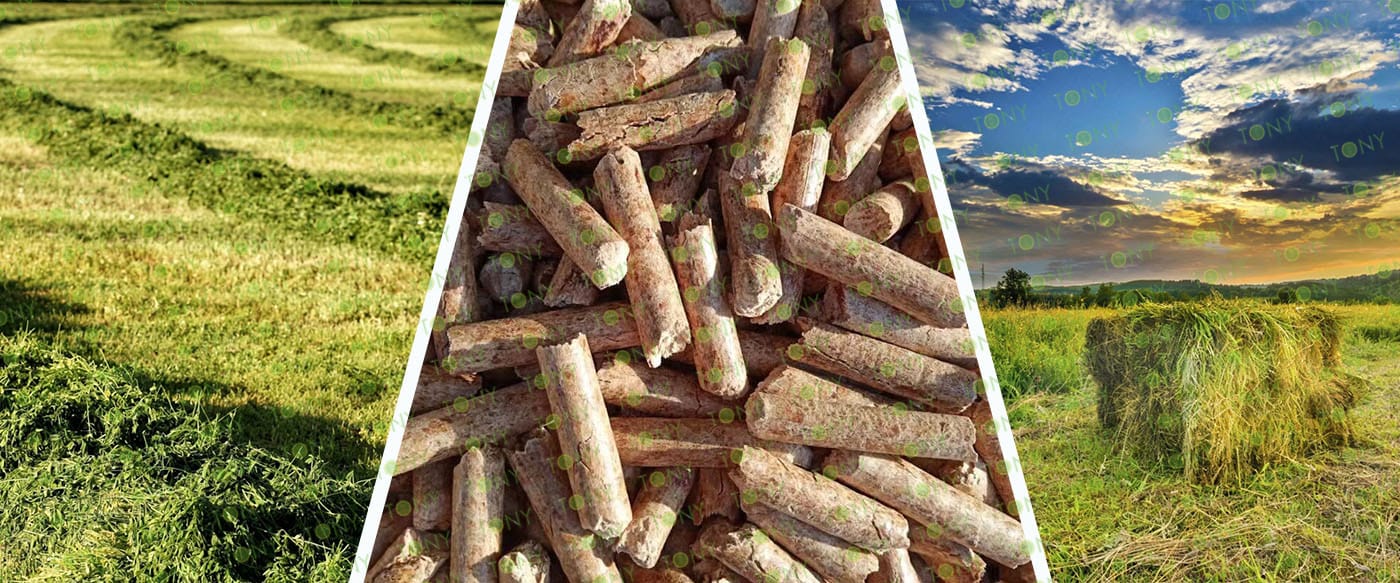
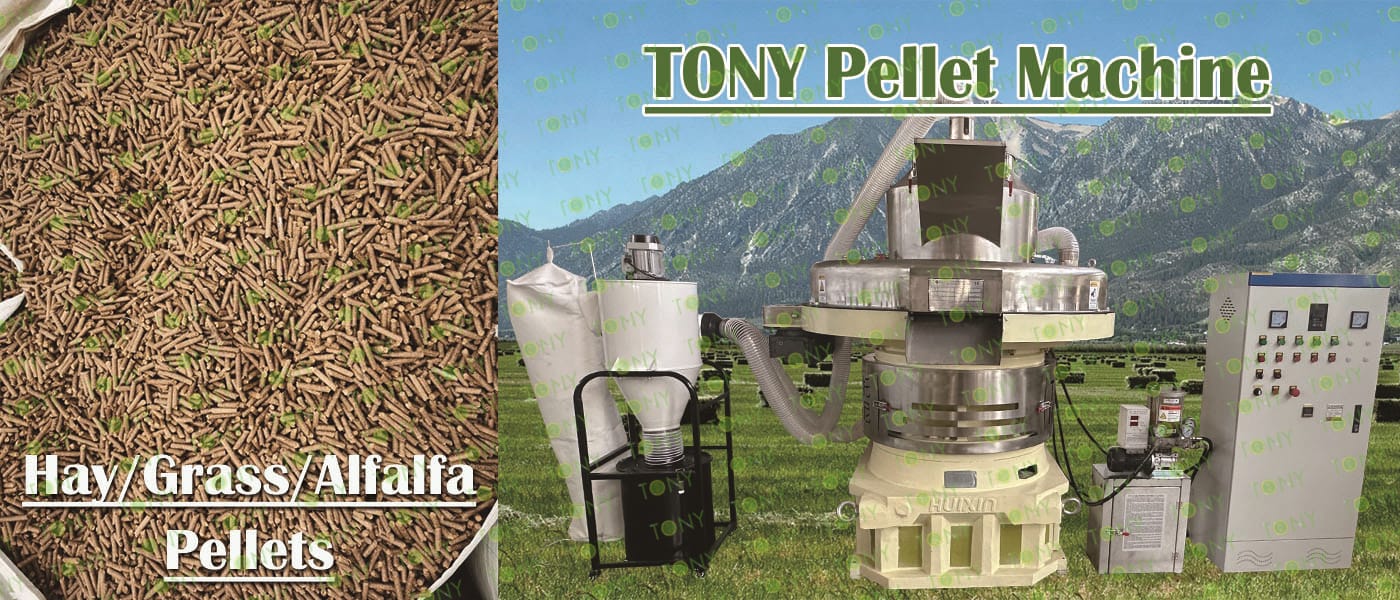
TONY Brand 9-10.5TPH Wet Hay/Grass/Alfalfa Line can process wet grass and various biomass materials related to agricultural waste into biomass pellets. Grass processing into biomass pellets has a wide range of uses .As fuel: grass pellet fuel can be used as boiler fuel for power plants, industrial boilers, civil heating and other fields. Its calorific value is similar to coal, but the price is lower, and the combustion process produces fewer pollutants, is a more environmentally friendly fuel. As feed: grass pellets processed by grass pellet machine can be used as feed for livestock. This method can make full use of grass, reduce feed costs, and also help solve the problem of grass disposal. These uses can not only effectively use agricultural waste, reduce environmental pollution, but also create economic benefits and promote sustainable agricultural development.
1. Capacity: 9-10.5Ton/Hour
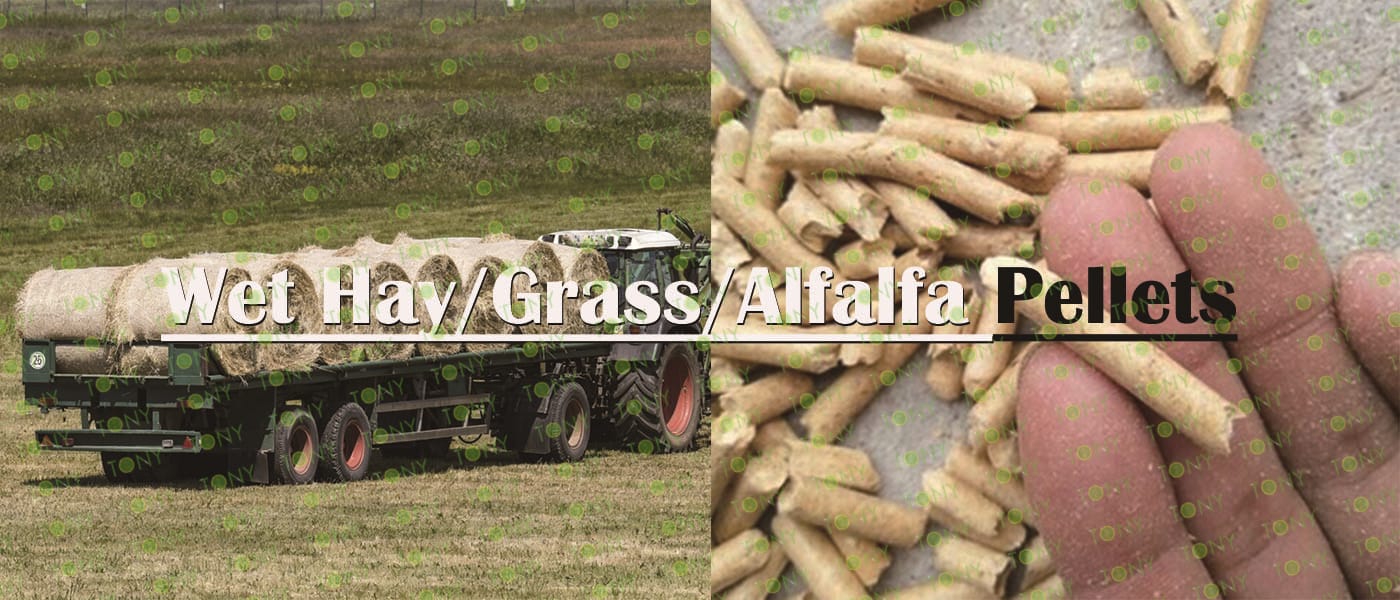
2. Raw materials: Wet Hay/Grass/Alfalfa
3. Moisture: About 30-35%
4. Application: All kinds of biomass materials suitable for pellet production.
Suitable customers: Green energy companies, agricultural cooperatives, and small - scale rural processing units that have ready access to wet grass and related agricultural residues.
5. Finished Pellets Markets: Large power plants, domestic heating systems in rural and suburban areas, industrial heating facilities in rural - based industries, combustion heat applications in local manufacturing units, heating systems in rural schools and community centers, boiler rooms in small - scale rural enterprises, and canteens in rural educational institutions.,farms, feed mills.
1. Project Name: Wet Hay/Grass/Alfalfa Production Line
2. Raw Material: Bales of Wet Hay/Grass/Alfalfa
3. Moisture Content of Raw Material: 30-35%
4. Capacity: 9-10.5TPH
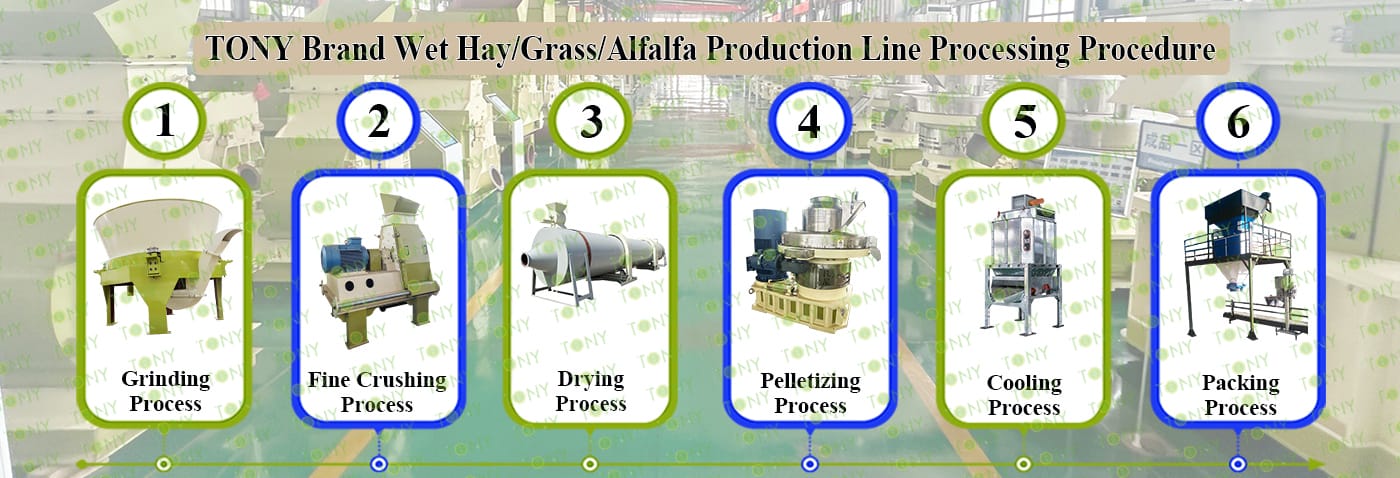
5. Process: Grinding Process - Fine Crushing Process - Drying Process-Pelletizing Process - Cooling Process - Packing Process
6. Main Equipment: Straw Cutter -TPX2000-90KW, Effective Hammer Mill- TFD75-132-132KW, Rotary Drum Dryer-3-24m ,TONY Pellet Machine-TYJ860-III-220KW, Galvanized Pellets Cooler, Double Packing Machine and Belt Conveyors

|
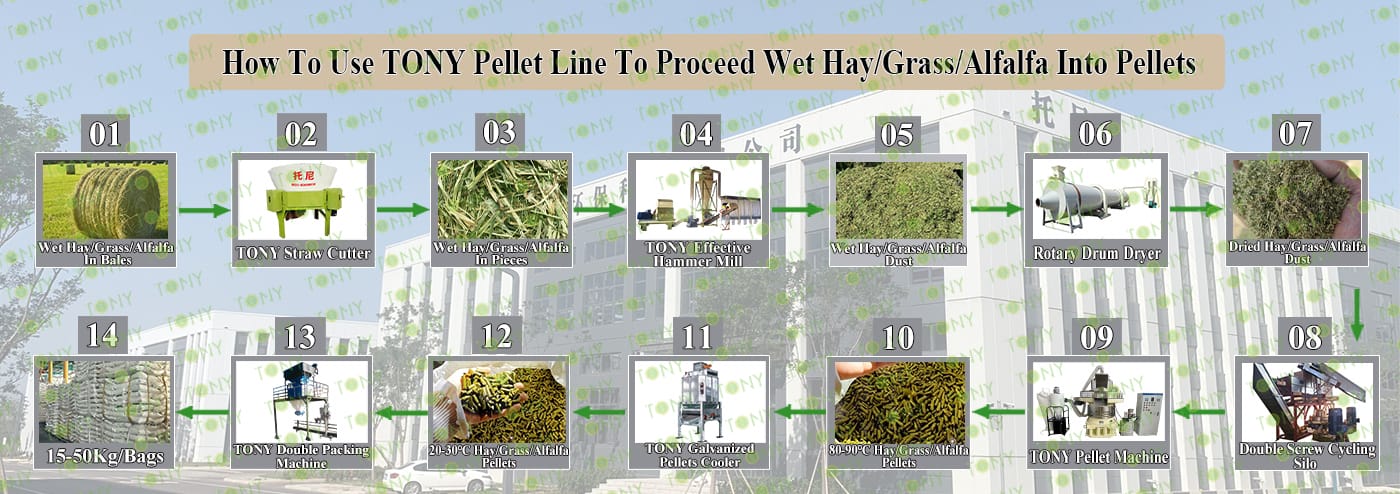
How To Use TONY Pellet Line To Proceed From Wet Hay/Grass/Alfalfa Into Pellets? It mainly contains the following steps and machines as following: 1.Use TONY straw cutter to grind wet hay/grass/alfalfa bales φ ≤1.8m into 60-70mm wet hay/grass/alfalfa pieces. 2.Use TONY effective hammer mill to crush 60-70mm wet hay/grass/alfalfa pieces into 8-14mm wet hay/grass/alfalfa dust. 3.Use TONY rotary drum dryer to dry the 30-35% wet hay/grass/alfalfa dust into 10-15% dried hay/grass/alfalfa dust 4.Use TONY vertical ring die pellet machine to products pellets with φ6-8mm. 5.Use TONY galvanized pellets cooler to cool pellets from 80-90℃ to 20-30℃. 6.Use TONY double packing machine to pack the pellets into 15-50kg/bags. You can contact TONY to get for more details information and quotation. TONY can supply you all the products as above with competitive price and excellent quality. |
|
||||||||||||||||||||||||||||||||||||||||||||||||||
图片
图片
| Next, TONY Will Introduce To You All The Necessary Machinery That Will Be Used For The Whole Pellet Production Line. Some Machines Can Be Custom - Made By Customers According To Different Customers' Detailed Demands. Contact TONY For More Details, Including Quotation And Layout. | |||
 |
 |
 |
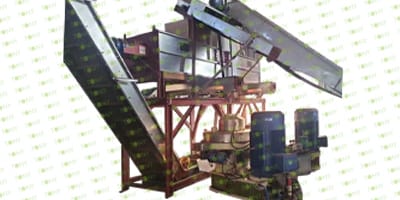 |
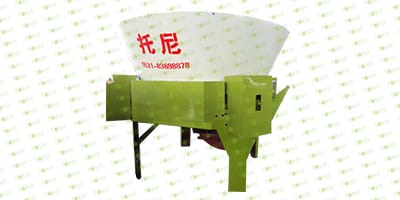
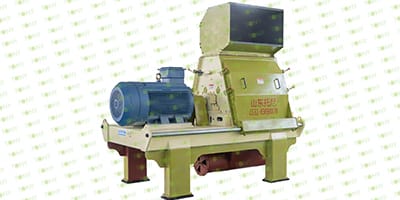
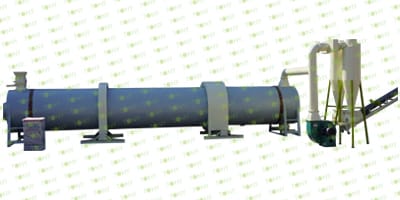
| Straw Cutter | Effective Hammer Mill | Rotary Drum Dryer | Double Screw Cycling Silo |
| 1.To Grind Wet Hay/Grass/Alfalfa Bales Diameter ≤1.8 m Into 60-70mm Wet Hay/Grass/Alfalfa Pieces 2.Model:TPX2000-90KW*3Sets 3.Capacity:3-4Ton/Hour/Set |
1.To Crush 60-70mm Wet Hay/Grass/Alfalfa Pieces Into 8-14mm Wet Hay/Grass/Alfalfa Dust. 2.Model: TFD75-132-132KW*2Sets 3.Capacity:4-5Ton/Hour/Set |
1.To Dry The 30-35% Hay/Grass/Alfalfa Dust Into 10-15% Hay/Grass/Alfalfa Dust 2.Model: THGD3-24*1Set 3.Capacity:9-10.5Ton/Hour/Set |
1.To Storage Hay/Grass/Alfalfa Dust Before Pellet Machine;Adjust The Speed Of Hay/Grass/Alfalfa Dust Entering The Pellet Machine 2.Model: TLC-10*1Set 3.Capacity:9-10.5Ton/Hour/Set |
 |
 |
 |
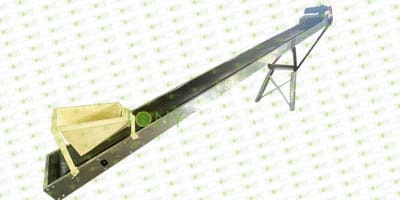 |
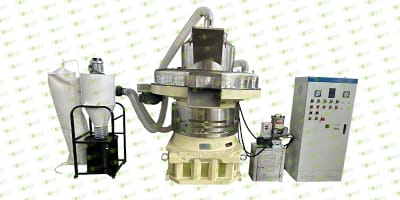
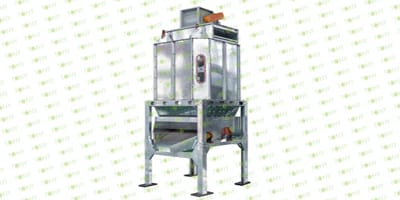
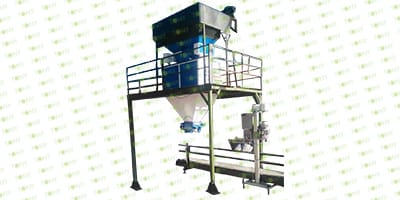
| Vertical Ring Die Pellet Machine | Galvanized Pellets Cooler | Double Packing Machine | Belt Conveyor |
| 1.To Press Hay/Grass/Alfalfa Dust Into 6-8mm Biomass Pellets 2.Model: TYJ860-III-220KW*3Sets 3.Capacity:3-4Ton/Hour/Set 4.New 304SS Type |
1.To Cool Pellets From 80-90℃ to 20-30℃ 2.Model:TCN-10*1Set 3.Capacity:9-10.5Ton/Hour |
1.To Pack Pellets Into 15-50KG/Bags. 2.Model: TPZ-50*1Set 3.Capacity: 9-10.5Ton/Hour |
1.To Transport Hay/Grass/Alfalfa Pieces,Hay/Grass/Alfalfa Dust,Pellets. 2.Width: 80cm*8Sets 3.Capacity:Designed With The Whole Line |
图片
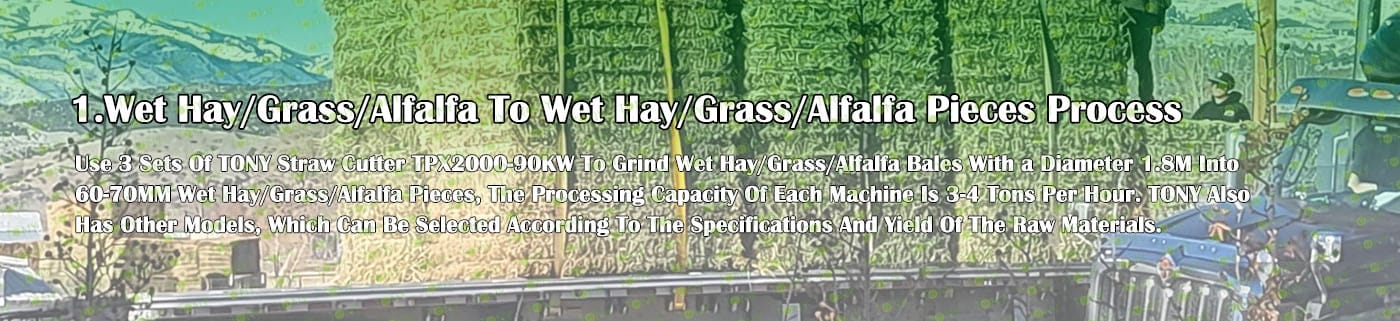
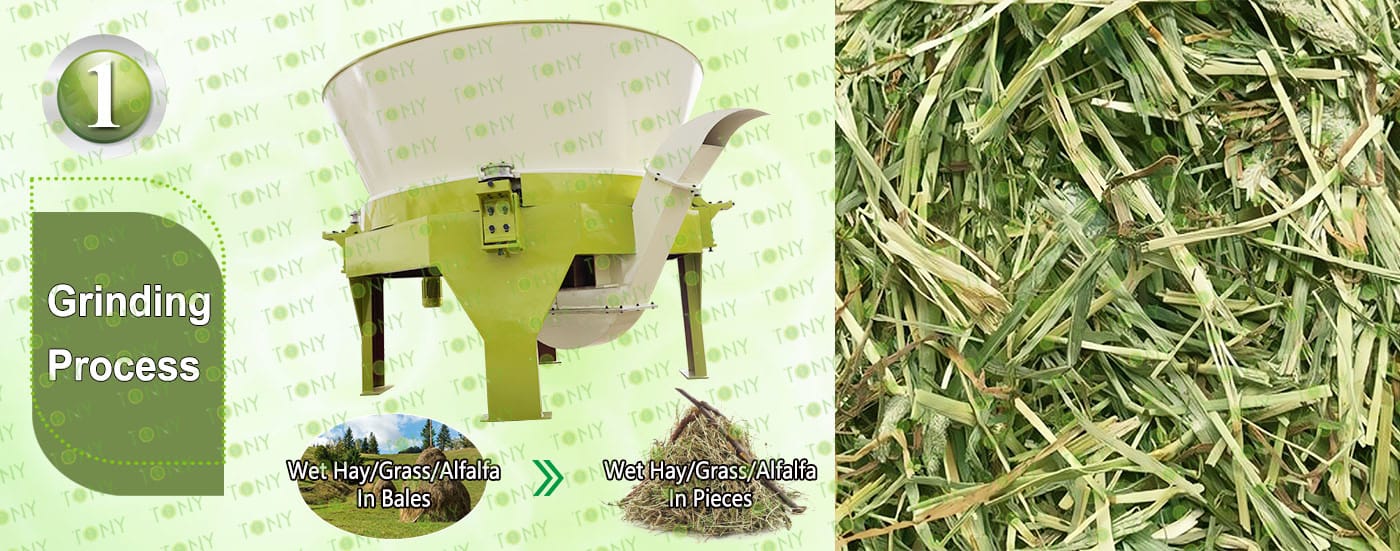
1.Grinding Process:
A.The process is mainly used to grind wet hay/grass/alfalfa within 1.8m in diameter into wet hay/grass/alfalfa pieces. The rotary cutting mode of the outer chain of the gear, the rotary cutting rotor blade is sharp, and the blade types are various, which can be rotated to cut various bales of grass with different diameters, different thicknesses, different lengths and different water contents
B.TONY brand straw cutter TPX2000-90KW models *3sets
C.Capacity:3-4ton/hour/set
Main Parts:
(1)Tony's New Straw Cutter
(2)Enlarged Turntable
(3)Rotary Cutting System
(4)Drive system
(5)Electrical Cabinet.
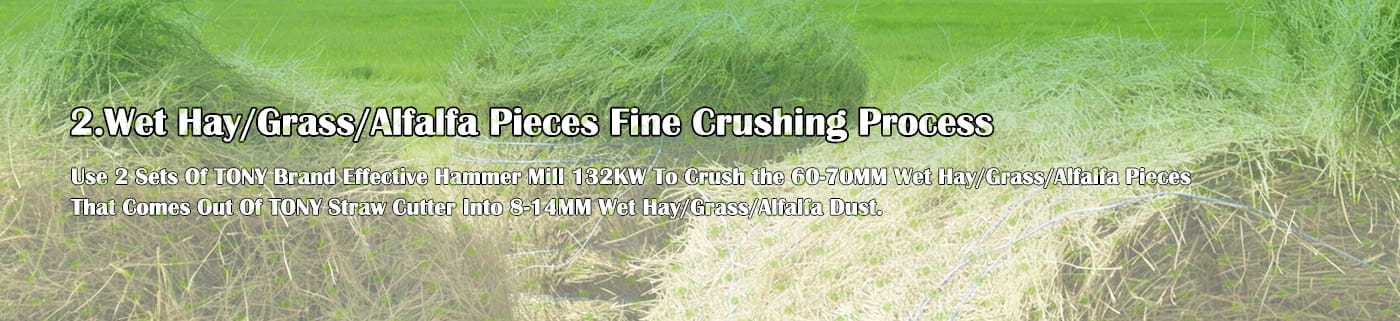
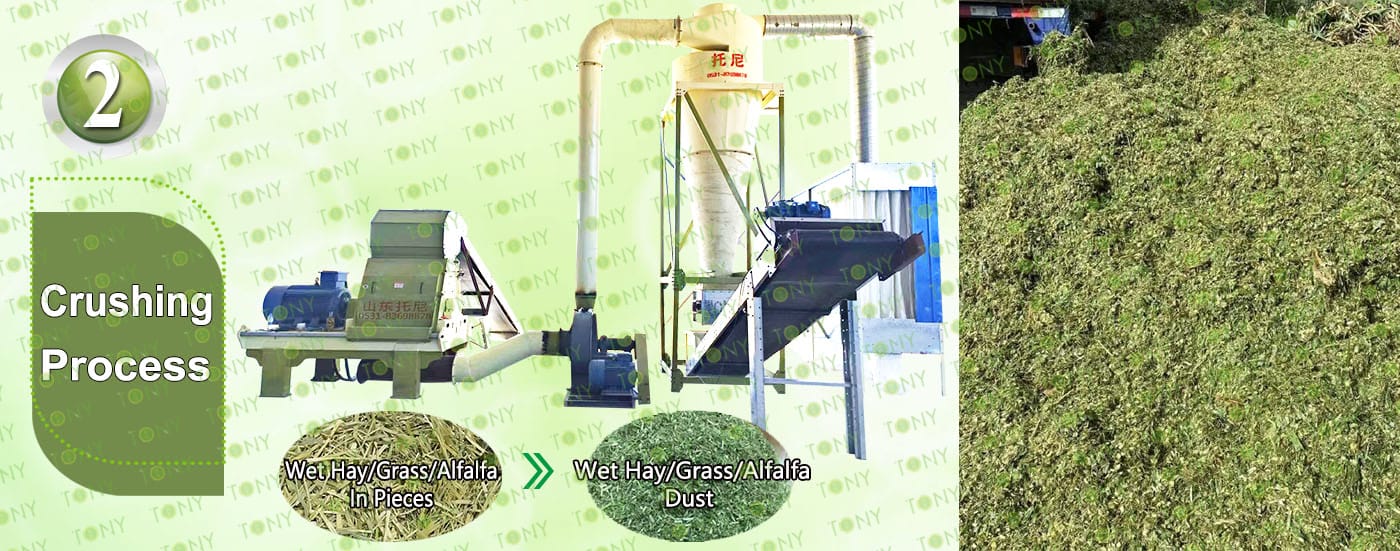
2.Fine Crushing Process:
A. The process is mainly used to crush 60-70mm wet hay/grass/alfalfa pieces into 8-14mm wet hay/grass/alfalfa dust.
B.TONY brand effective hammer mill TFD75-132-132KW *2sets.
C.Capacity: 9-10.5tons/hour.
Main parts:
(1)TONY Effective Hammer Mill
(2)Galvanized Dust Collector.
(3)Sawdust Conveying Fan.
(4)Cyclone With Airlock.
(5)Electrical Cabinet.
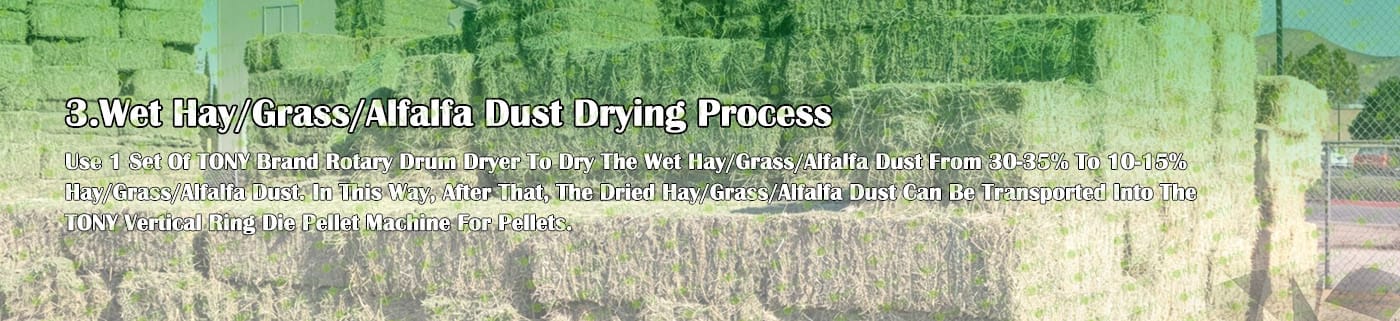
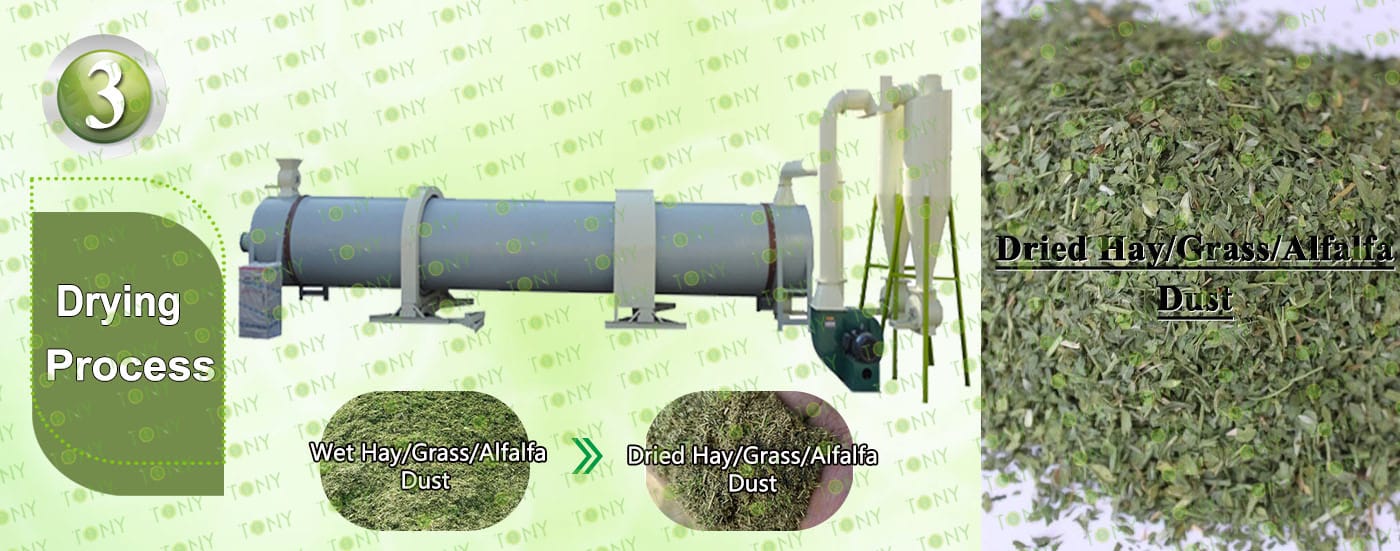
3.Drying Process:
A.This process is mainly used to dry the hay/grass/alfalfa dust from 30-35% to 10-15%.
B.Capacity: 9-10.5tons/hour.
C.TONY use 1set of 3*24m rotary drum dryer for this process,TONY hot stove is made of firebrick pan, shell with H steel plate as the frame. There are 3 layers of fire blocking device inside, which can effectively prevent the fire from entering the tumble dryer.Customers can choose to use waste wood, biomass pellets, natural gas, etc. as fuel for the hot air furnace
TONY dryer use spiral tube material, and is not easy to deform.Unlike other manufacturers with iron plate splicing welding, very easy to deformation.
Main Parts:
(1)TONY's Rotary Drum Dryer Main Body.(Reducers With Motors and Pips)
(2)TONY's Hot Stove.
(3)Fan Blower+Cyclone With Airlock.
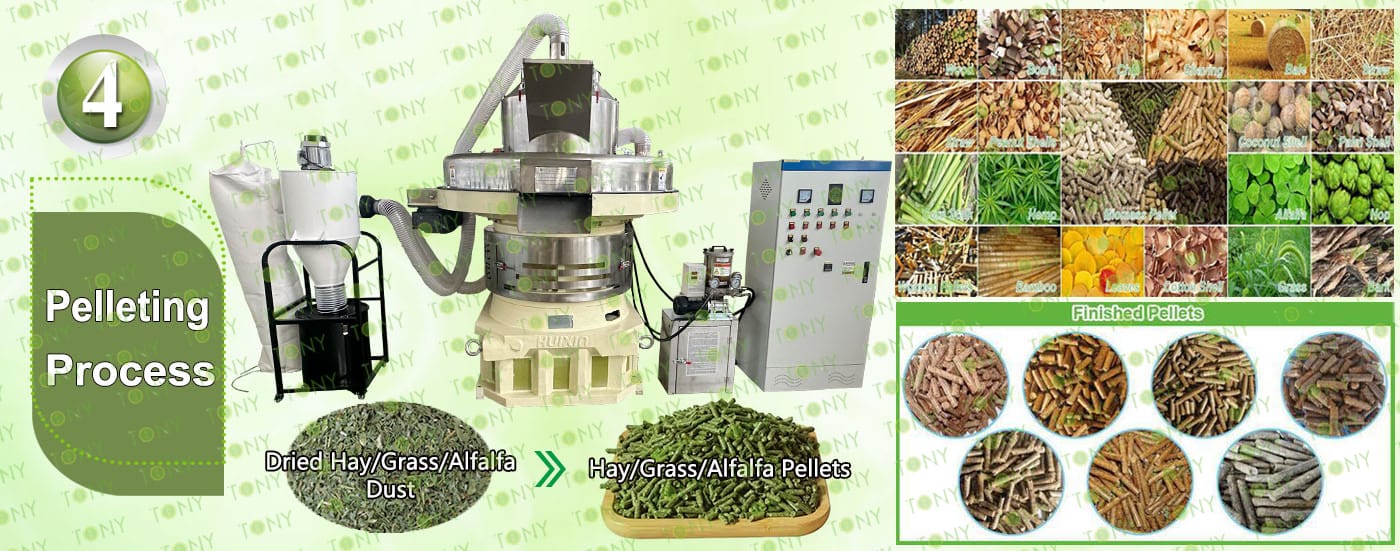
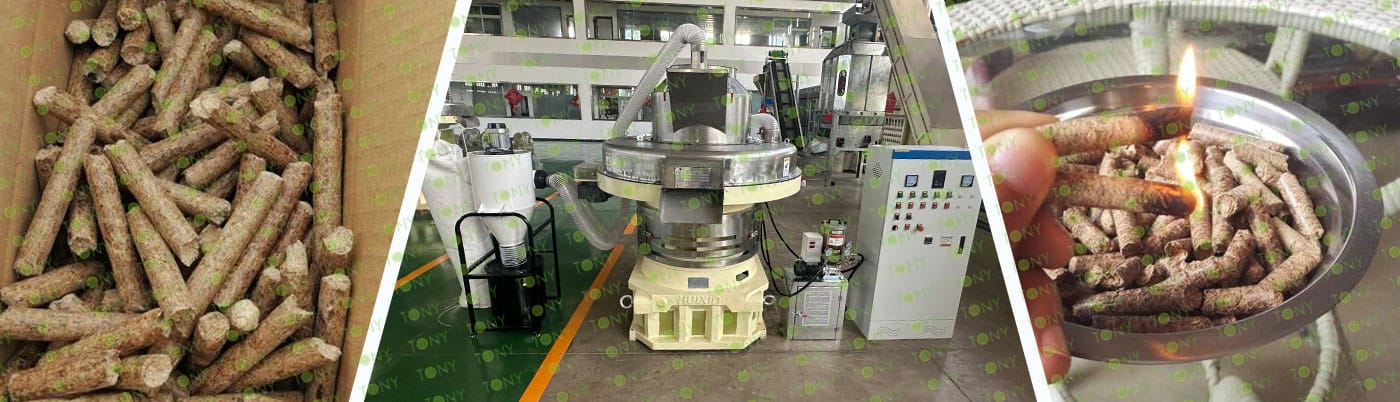
4.Pelletizing Process:
A.This process is mainly used to products pellets with φ6-8mm.
B.TONY brand vertical ring die pellet machine TYJ860-Ⅲ-220KW*3sets
C. Capacity:9-10.5tons/hour.
D.Double Screw Cycling Silo is added above the pellet machine, which has the advantages of saving space, saving labor, intelligently controlling the feeding speed, not easy to block the material, and improving production efficiency.
Main Parts:
(1)TONY New Vertical Ring Die Pellet Machine.
(2)Cyclone And Bags Dust Collectors.
(3)Bearings Automatic Lubrication System.
(4)Electrical Cabinets.
For more equipment details and information, you can contact TONY
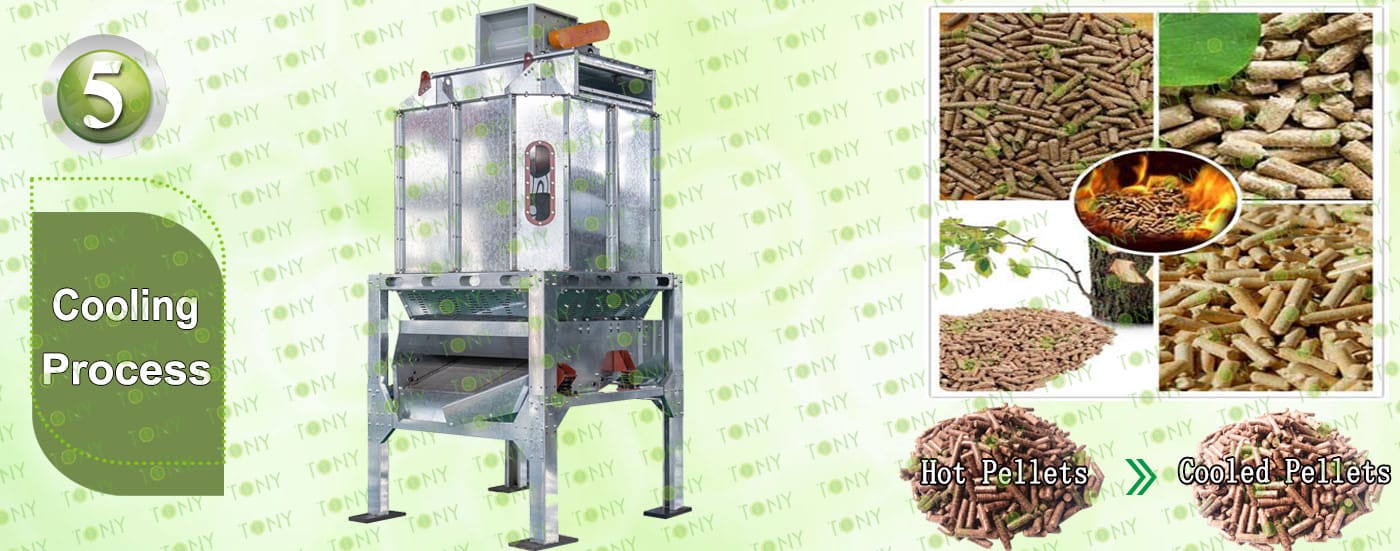
5.Cooling Process:
A.This process is mainly used to cool pellets from 80-90℃ to 20-30℃
B.TONY brand galvanized pellets cooler*1set
C.Capacity:9-10.5tons/hour.
Main Parts:
(1)TONY's new Galvanized Pellets Cooler Separator With Vibrating Screen.
(2)Cyclone and bags dust collectors.
(3)Fan Blower.
(4)Connect Pipes.
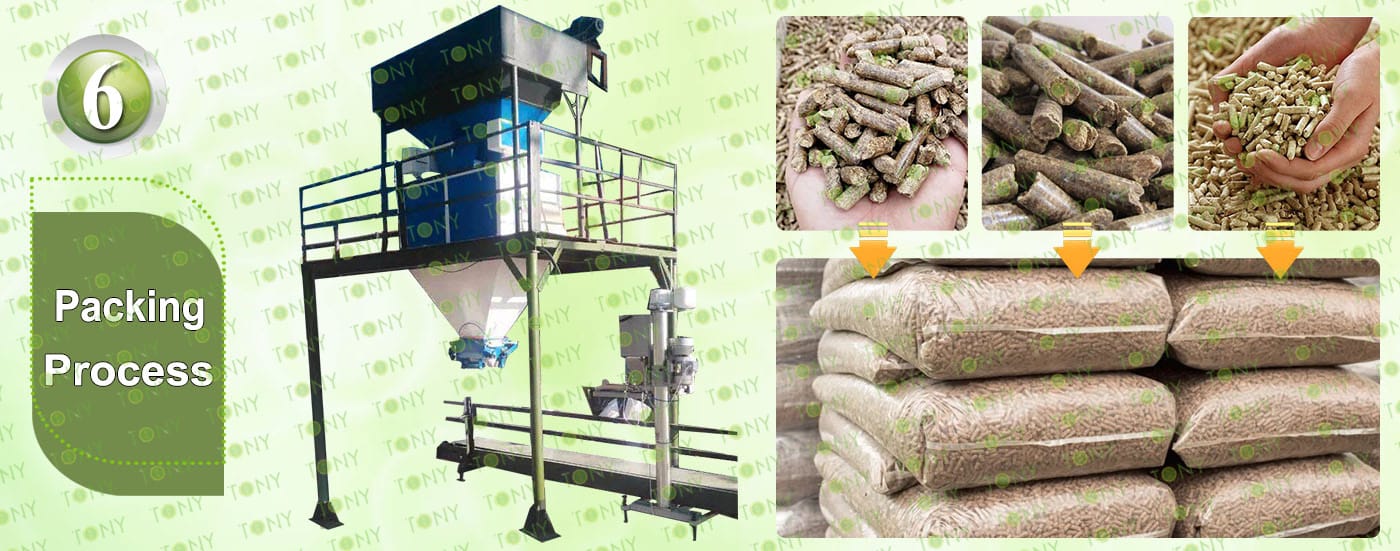
6. Packing Process:
A.This process is mainly used to pack pellets into 15-50KG/Bags.
B.TONY brand double packing machine* 1set.
C.Capacity:9-10.5tons/hour.
Main Parts:
(1)TONY's New Double Packing Machine.
(2)Sew Machine, buyer Can Also Chose Hot Seal Machine For Chosen,To Confirm With TONY For The Price Difference.
(3)Bags Transportation Conveyors.
(4)Feeding Inlet Silo.
(5)Electrical Cabinets.

Advantages of Raw Materials for Wet Hay/Alfalfa/Grass Processing Biomass Pellets Projects:
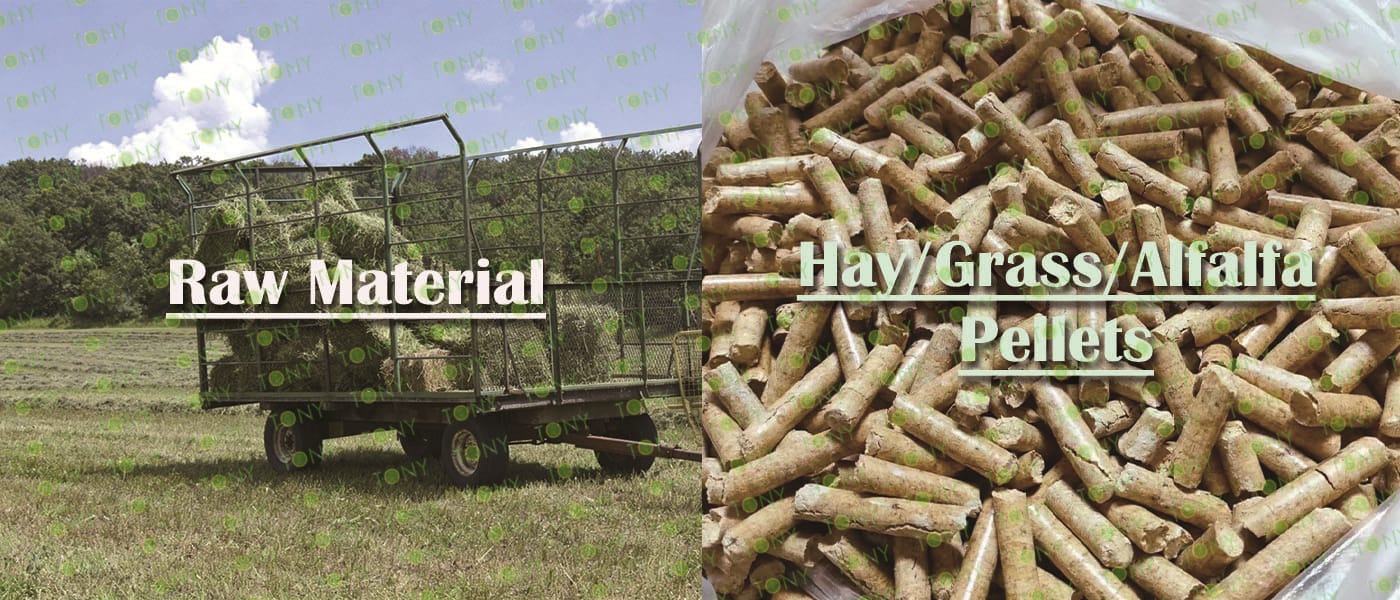
1.Wide and Easy-to-Obtain Sources:
Alfalfa is widely cultivated in many regions and is compatible with other grasses such as corn stalks and wheat straw, ensuring a stable supply and eliminating reliance on scarce resources.
2.Flexible Cost Structure:
Wet alfalfa can be purchased directly from the field at a lower price; while hay has a slightly higher purchase price, it reduces energy costs in the drying process, allowing for adjustments to the raw material ratio based on season and region to optimize costs.
3.Addresses Environmental Pain Points:
Directly utilizing field grasses or agricultural waste avoids environmental pollution caused by straw burning and hay mold, turning waste into treasure.
Cost Advantages – Easy-to-Obtain Raw Materials, Controllable Overall Costs:
1.Low Raw Material Costs and Wide Range of Sources:
Alfalfa is grown on a large scale in many regions, and hay can be purchased locally. It is also compatible with other agricultural waste such as corn stalks and wheat straw. The purchase price of raw materials is usually lower than that of other biomass raw materials such as wood and bamboo.
2.Low Storage and Transportation Costs:
Grass raw materials are loose and bulky. After being processed into pellets, the density increases to 1.1-1.3 g/cm³, reducing the volume by 5-8 times. This reduces storage space requirements and lowers long-distance transportation costs by 30%-50%, while also preventing the raw materials from becoming damp and deteriorating.
3.Low Replacement Costs:
It can be directly integrated into existing biomass combustion equipment (such as household pellet stoves and industrial boilers) without requiring large-scale equipment modifications. The barrier to replacing traditional fuels such as coal and liquefied petroleum gas is low.

2025 Tony Machinery - All Rights Reserved. Map