




















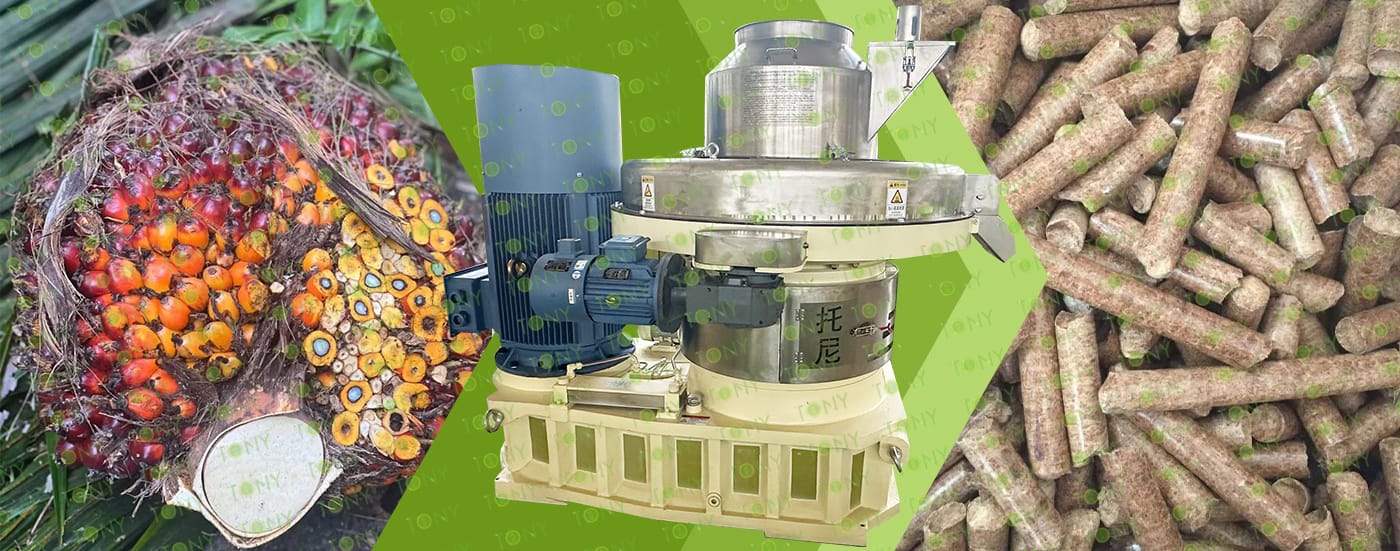
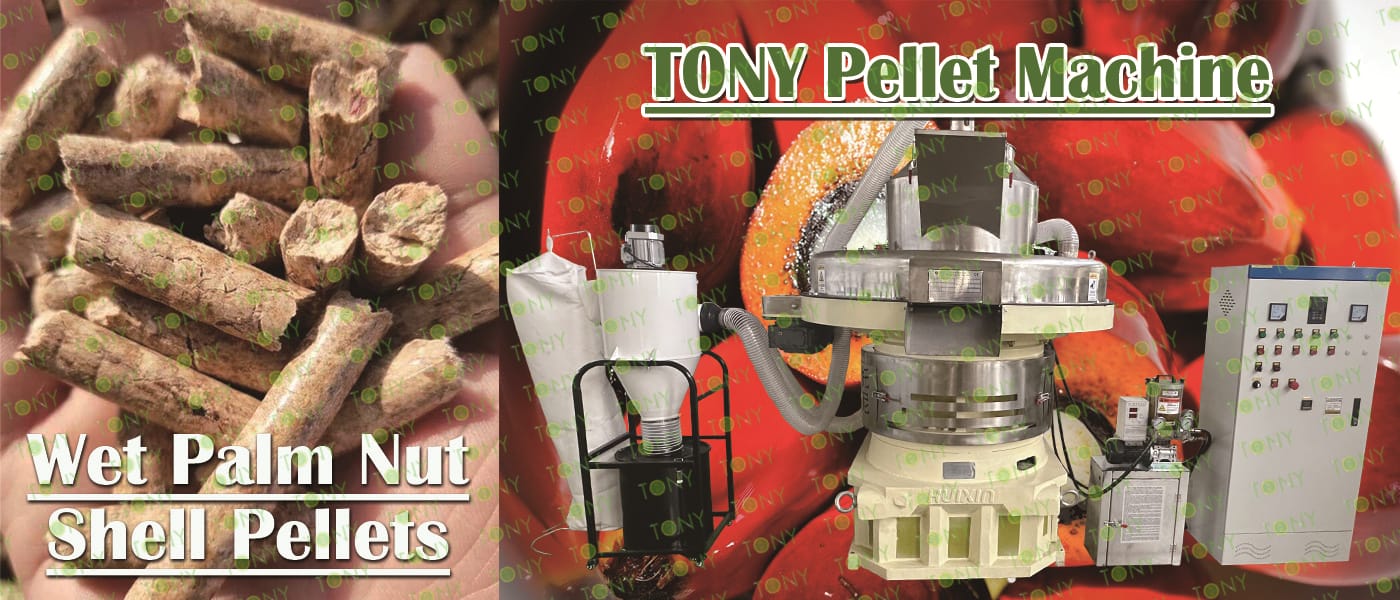
1.The working principle of wet palm nut shell biomass pellet processing equipment
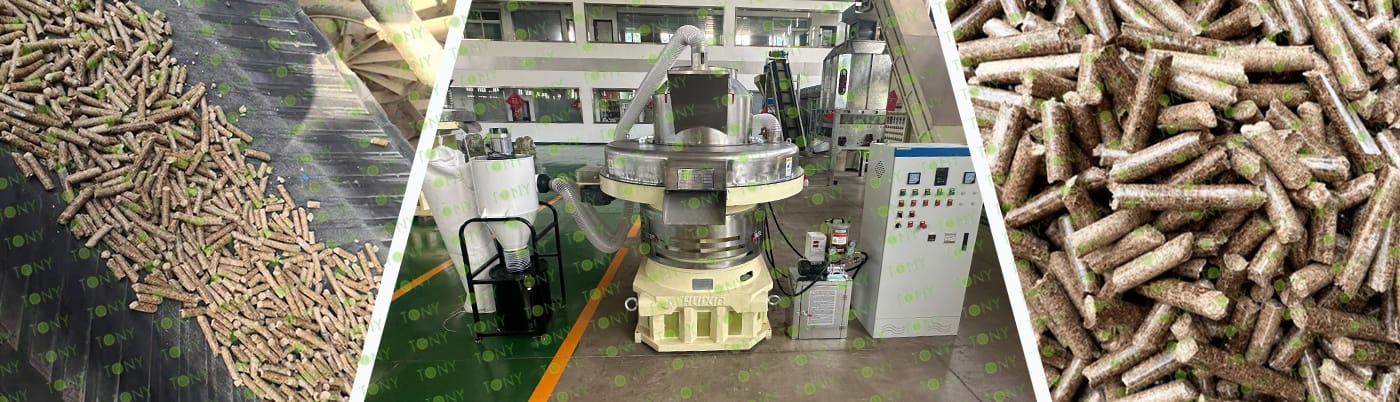
The pellet mill is a key piece of equipment, with the vertical ring die pellet mill being the mainstream choice. Its operating principle is as follows:
(1)Static die + rotating pressure roller:Material enters the pelleting chamber through vertical feeding. The pressure roller, under centrifugal force, evenly presses the material into the ring die holes, preventing blockage.
(2)High-temperature and high-pressure molding:The material is subjected to extrusion and friction within the die, generating heat (temperatures can reach 80-100℃). Lignin softens and binds the fibers, forming cylindrical pellets with a density of 0.8-1.4 t/m³.
(3)Die characteristics:A double-layer vertical die is used, with hole diameters of 6-10 mm available. Wear-resistant materials (such as high-alloy steel) extend the lifespan, and the molding rate reaches over 99.5%.
2.Characteristics of wet palm nut shell biomass pellet processing equipment
(1)Corrosion and Wear-Resistant Treatment of Key Components:Components in contact with wet nut shells, such as the drying cylinder, feed pipe, and granulation chamber, are made of 304 stainless steel or treated with an anti-corrosion coating to prevent rusting from prolonged contact with damp raw materials, thus extending the equipment's service life (the overall design life of the machine can reach 8-10 years, 2-3 years longer than ordinary equipment).
(2)Overload Protection Mechanism:The granulator motor is equipped with an overload protector. When uncrushed hard impurities (such as small stones) are mixed into the raw material, the motor can automatically cut off the power, preventing damage to the pressure rollers and molds due to instantaneous impact. A manual cleaning door is also provided for quick removal of impurities, reducing downtime for maintenance.
(3)Sealed Dustproof Design:Dust-generating processes such as the dryer and pulverizer employ a fully sealed shell + negative pressure dust removal device. This prevents palm nut shell powder from flying and polluting the environment, and also prevents dust from entering precision components such as the motor and bearings, reducing the risk of malfunction.
3.Application scenarios of wet palm nut shell biomass pellet processing equipment
Enterprises with Self-Supply Energy Needs – Decentralized Application Primarily for Self-Use
Some enterprises have stable heat or electricity needs and can obtain sufficient quantities of wet palm nut shells. They will independently configure equipment to form a closed loop of "raw materials - processing - self-use," reducing energy costs.
(1)Palm oil deep processing enterprises:
Such as large palm oil refineries and palm kernel processing plants, wet palm nut shells are a "byproduct" of their own production. After being processed into pellets, they can be directly used in the plant's steam boilers (providing high-temperature steam required for refining), workshop heating, or power supply for employee living areas. Compared to using natural gas or raw coal, energy costs can be reduced by 30%-40%.
(2)Small and medium-sized industrial enterprises in tropical regions:
Such as tropical fruit processing plants (mango and pineapple drying) and timber processing plants (board drying). These enterprises have a continuous and stable demand for heat energy. If there are palm plantations or processing bases nearby, they will use equipment to convert wet palm nut shells into fuel, replacing expensive commercial energy, while also meeting the local environmental protection policy requirements for "clean energy use."
(3)Large-scale plantations/farms:
Some large palm plantations or integrated farms will be equipped with small equipment (1-2 tons per hour) to process the wet palm nut shells produced in the park into granules for power supply of irrigation system, heating of farm greenhouses, or to provide domestic heat for staff dormitories in the park, so as to realize the energy cycle of "self-production and self-sales".

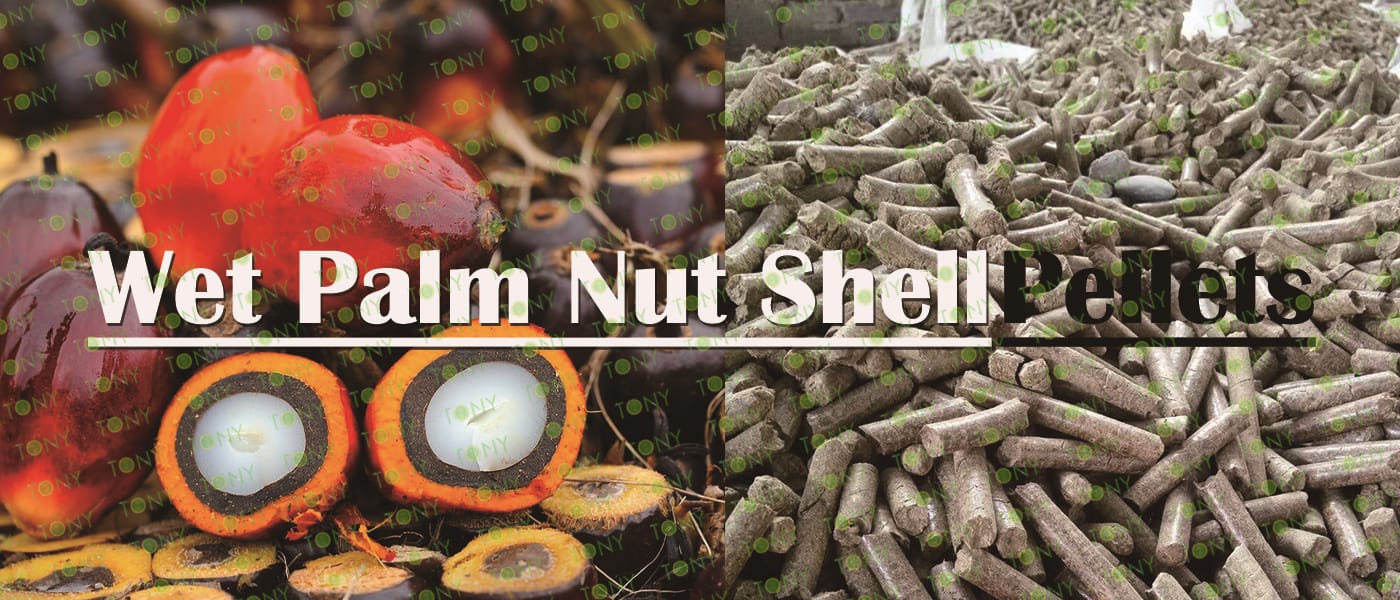
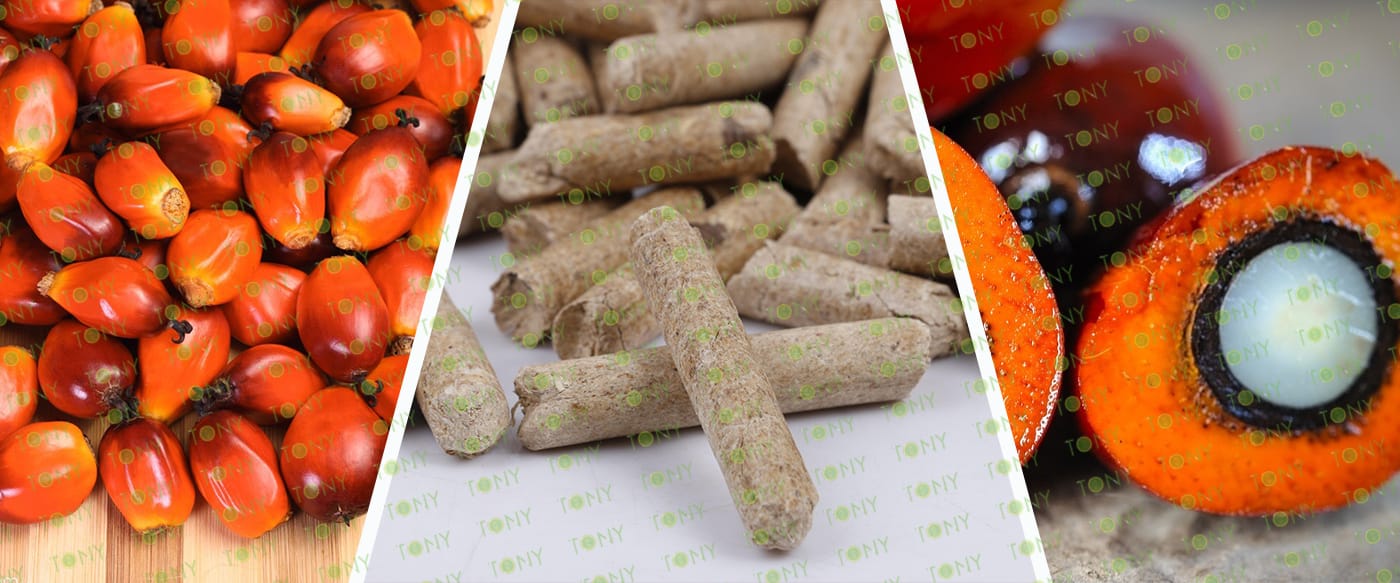
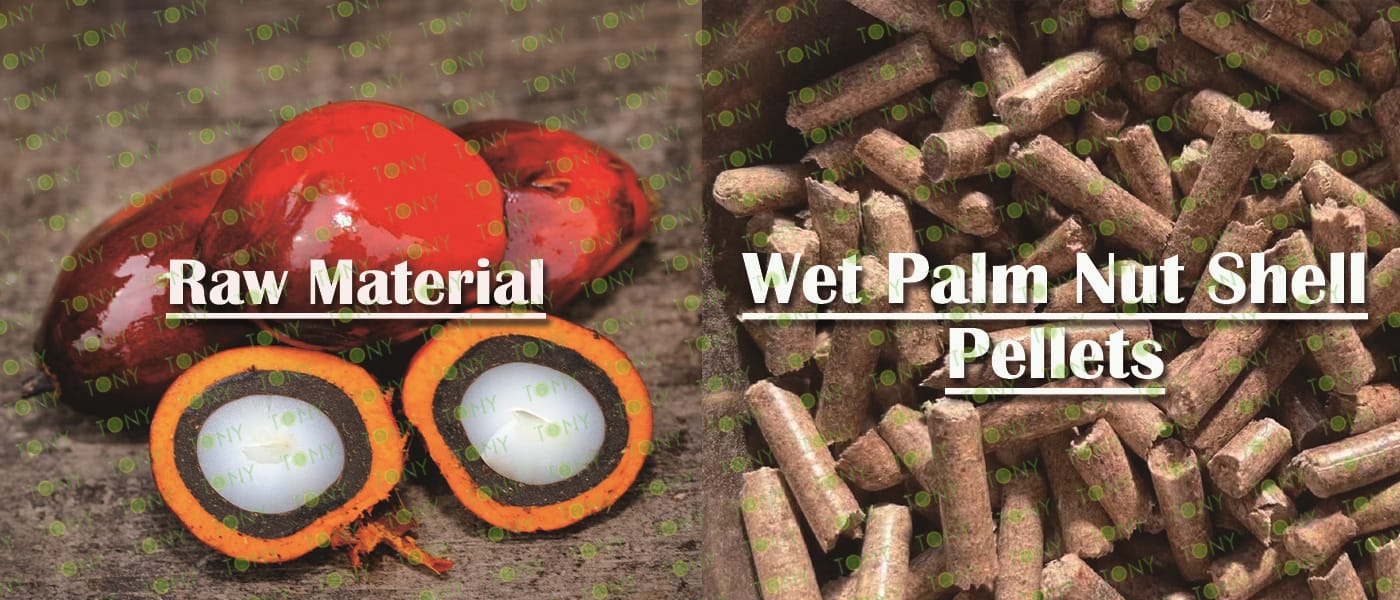
TONY Brand 80-100Ton/Hour Wet Palm Nut Shell Pellet Manufacturing Plant can take wet palm nut shell into biomass pellets.Palm nut shells are a high-density raw material with a calorific value of 4000-4500 kcal/kg, exhibiting good strength and resistance to breakage after molding. Processing palm fruit shells into biomass pellets represents the recycling of agricultural waste, resulting in low carbon emissions. Furthermore, the raw material is widely available and inexpensive. It can replace coal in boiler combustion, power generation, and heating, making it suitable for both industrial and residential applications. The technology for processing Palm nut shells shells into biomass pellets is mature and highly feasible, making it a high-quality biomass energy raw material.
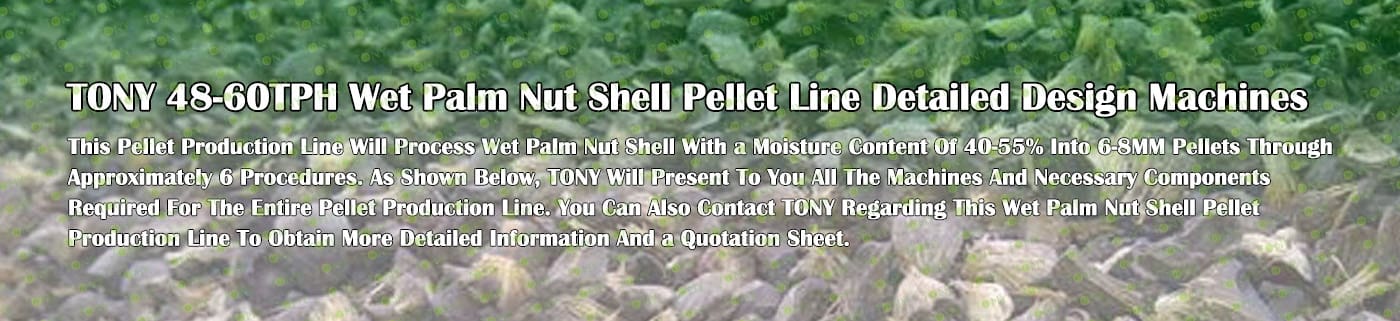
1. Capacity: 80-100Ton/Hour
2. Raw materials: Wet Palm Nut Shell
3. Moisture: Wet type, about 40-55%.
4. Application: All kinds of biomass materials suitable for pellet production.
Suitable customers: Processing palm nut shells into biomass pellets is suitable for individuals or entities with raw material resources, targeting the energy alternative market, and possessing basic facilities and capital. Examples include palm growers/cooperatives, biomass energy entrepreneurs, existing biomass processing companies, businesses with heating/power generation needs, and investors in the environmental protection sector.
5. Finished Pellets Markets: Large power plants ,domestic heating, industrial heating, combustion heat, heating systems, boiler rooms, school canteens, foundry heat sources.
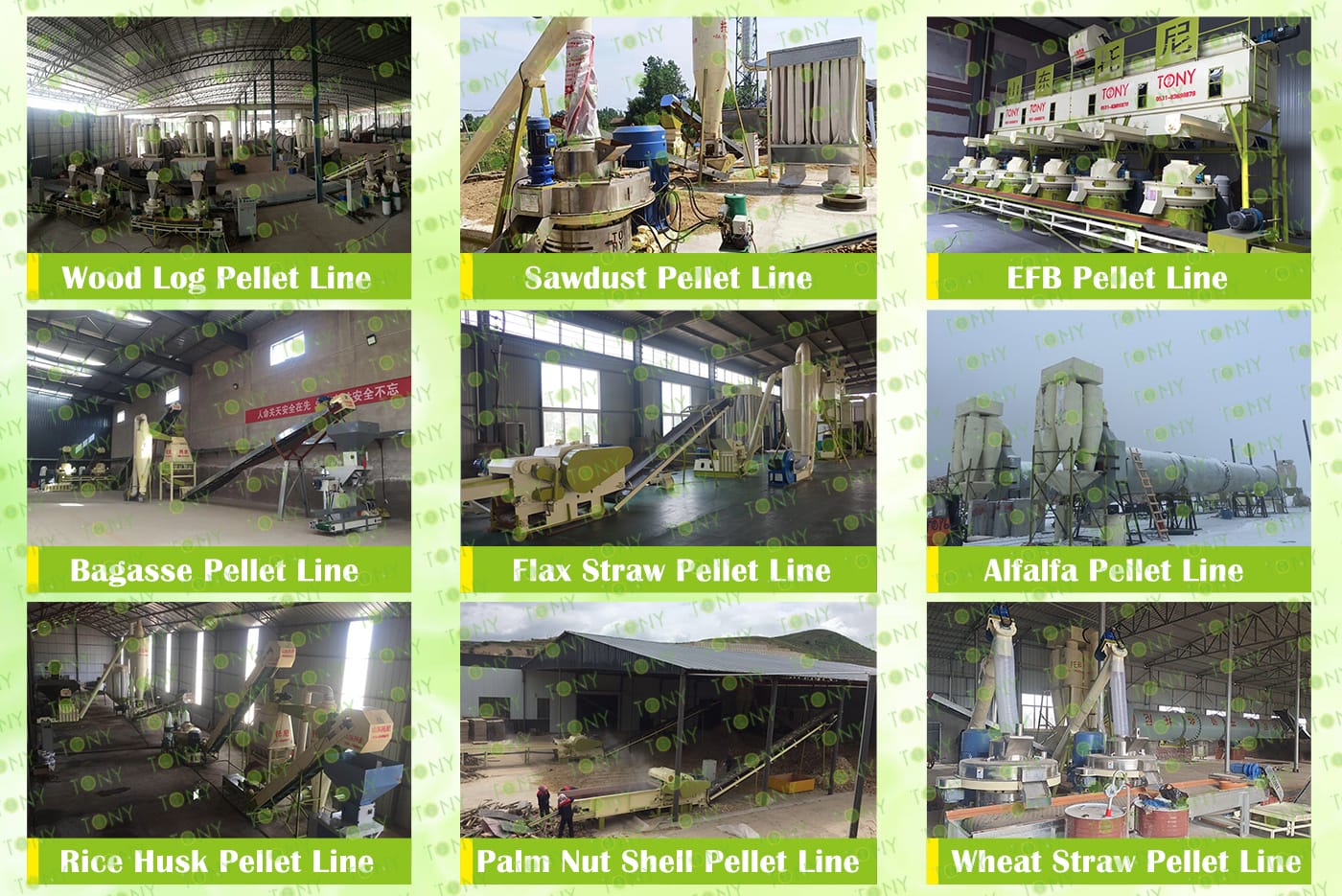
1. Project Name: Wet Palm Nut Shell Pellet Production Line
2. Raw Material: All kinds of Wet Palm Nut Shell
3. Moisture Content of Raw Material: 40-55%
4. Capacity: 80-100TPH
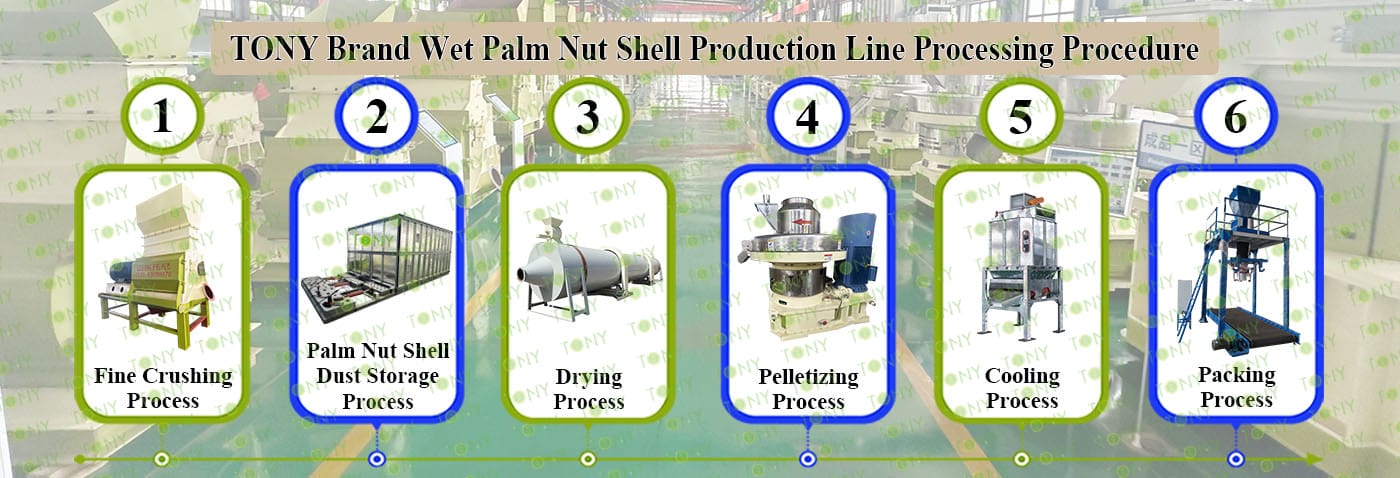
5. Process: Fine Crushing Process - Palm Nut Shell Dust Storage Process - Drying Process - Pelletizing Process - Cooling Process - Packing Process
6. Main Equipment:Effective Hammer Mill-TFD1600-500KW, TONY Large Hydraulic Storage Silo,Rotary Drum Dryer-3.5-28m, TONY Pellet Machine- TYJ860-Ⅲ-280KW, Galvanized Pellets Cooler, Ton Packing Machine and Belt Conveyors

|
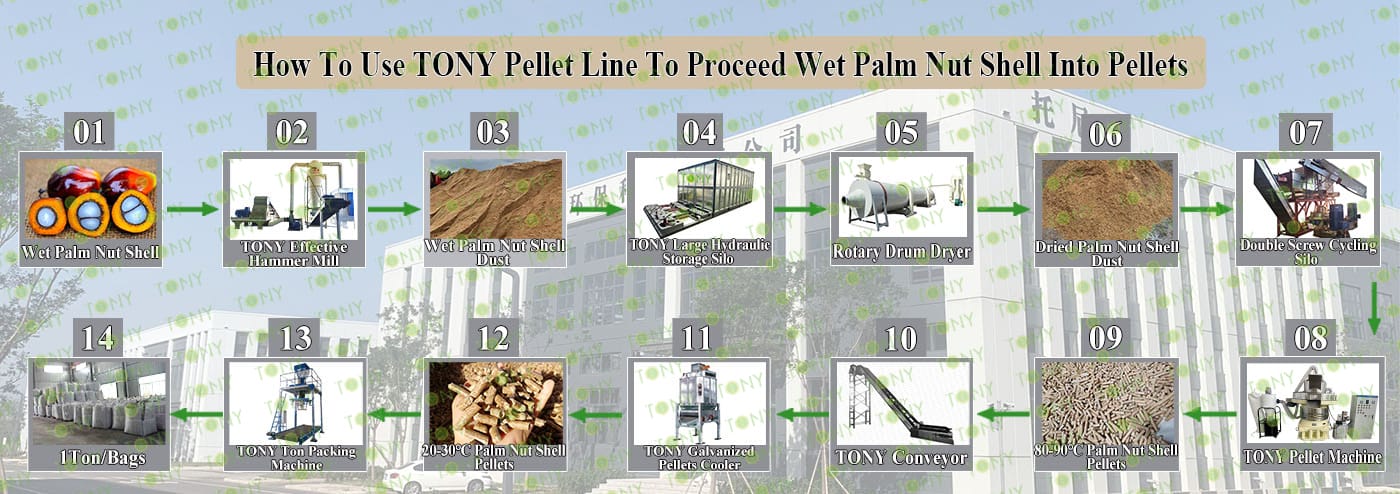
How To Use TONY Pellet Line To Proceed From Wet Palm Nut Shell Into Pellets? It mainly contains the following steps and machines as following: 1.Use TONY effective hammer mill to crush the palm nut shell into 8-14 mm palm nut shell dust. 2.Use TONY large hydraulic storage silo to storage 8-14 mm palm nut shell dust. 3.Use TONY rotary drum dryer to dry the 40-55% wet palm nut shell dust into 10-15% dried palm nut shell dust 4.Use TONY vertical ring die pellet machine to products pellets with φ6-8mm. 5.Use TONY galvanized pellets cooler to cool pellets from 80-90℃ to 20-30℃. 6.Use TONY ton packing machine to pack the pellets into 1ton/bags. For more detailed information and quotations, you can contact TONY. TONY can provide all the above - mentioned products at highly competitive prices and with excellent quality. |
|
||||||||||||||||||||||||||||||||||||||||||||||||||
| Next, TONY Will Introduce To You All The Necessary Machinery That Will Be Used For The Whole Pellet Production Line. Some Machines Can Be Custom - Made By Customers According To Different Customers' Detailed Demands. Contact TONY For More Details, Including Quotation And Layout. | ||
 |
 |
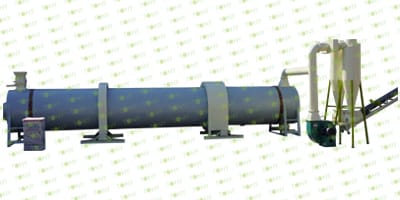 |
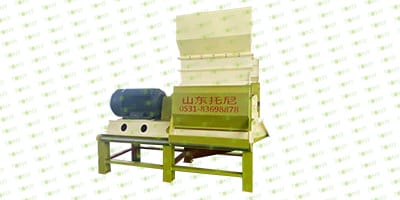
| Effective Hammer Mill | Large Hydraulic Storage Silo | Rotary Drum Dryer |
| 1.To Crush Palm Nut Shell Into 8-14mm Palm Nut Dust. 2.Model: TFD1600-500KW*6Sets 3.Capacity:18-20Ton/Hour/Set |
1.To Storage Palm Nut Shell Dust Before Dryer Control Palm Nut Shell Dust Flow Entering The Dryer Model: TCY-40*6Sets 2.TONY Uses Galvanized Material |
1.To Dry The 40-55% Palm Nut Shell Dust Into 10-15% Palm Nut Shell Dust. 2.Model: THGD3.5-28*6Sets 3.Capacity:12-17Ton/Hour/Set |
 |
 |
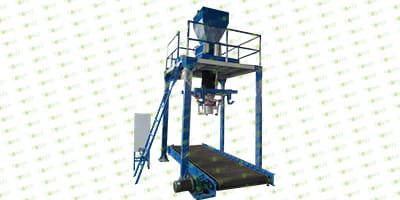 |
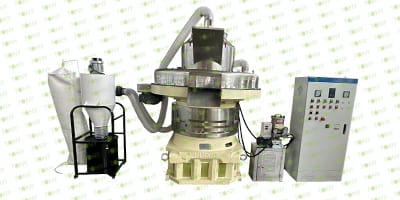
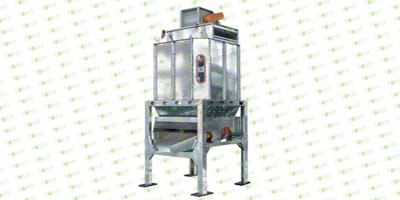
| Vertical Ring Die Pellet Machine | Galvanized Pellets Cooler | Ton Packing Machine |
| 1.To Press Dry Palm Nut Shell Dust Into 6-8mm Biomass Pellets 2.Model: TYJ860-III-280KW*20Sets 3.Capacity:4-5Ton/Hour/Set 4.New 304SS Type |
1.To Cool Pellets From 80-90℃ Into 20-30℃ 2.Model: TCN-10*6Sets 3.Capacity:80-100Ton/Hour |
1.To Pack Pellets Into 1Ton/Bags 2.Model: TBD*6 sets 3.Capacity:80-100Ton/Hour |

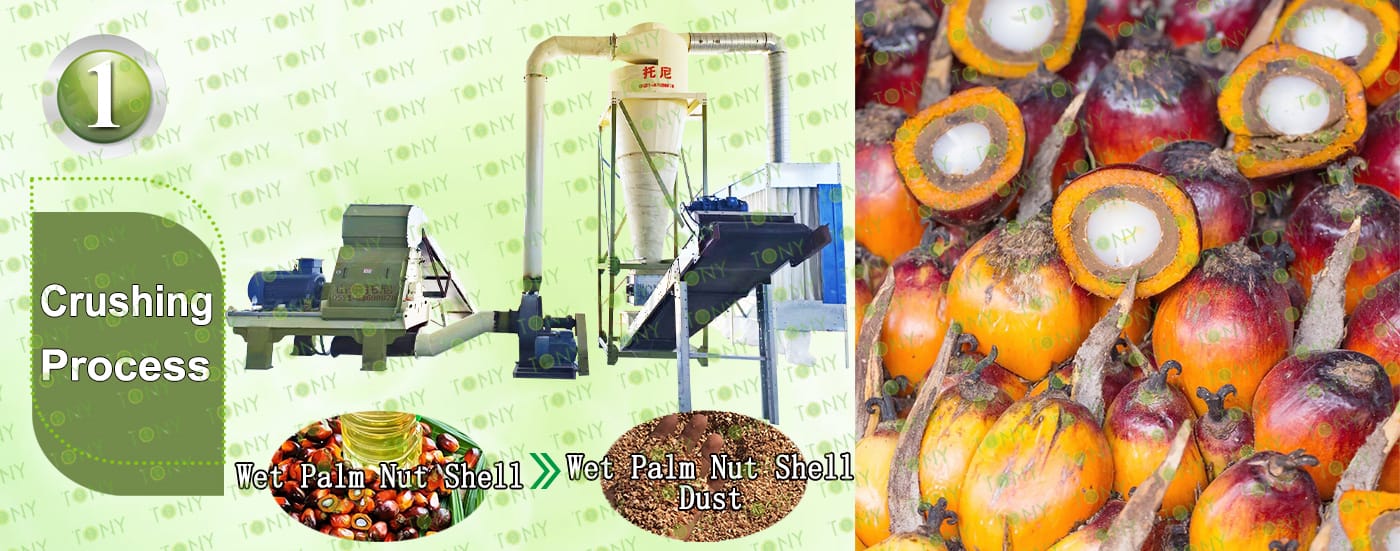
1.Palm Nut Shell Fine Crushing Process:
A.This process is mainly used to crush palm nut shell into 8-14mm palm nut shell dust.
B.Capacity:80-100Ton/Hour.
C.TONY brand effective hammer mill TFD1600-500KW*6sets
Main Parts:
(1)TONY Effective Hammer Mill.
(2)Galvanized Dust Collector.
(3)Sawdust Transportation Fan Blower.
(4)Cyclone With Airlock.
(5)Electrical Cabinets.
2.Palm Nut Shell Dust Storage Process:
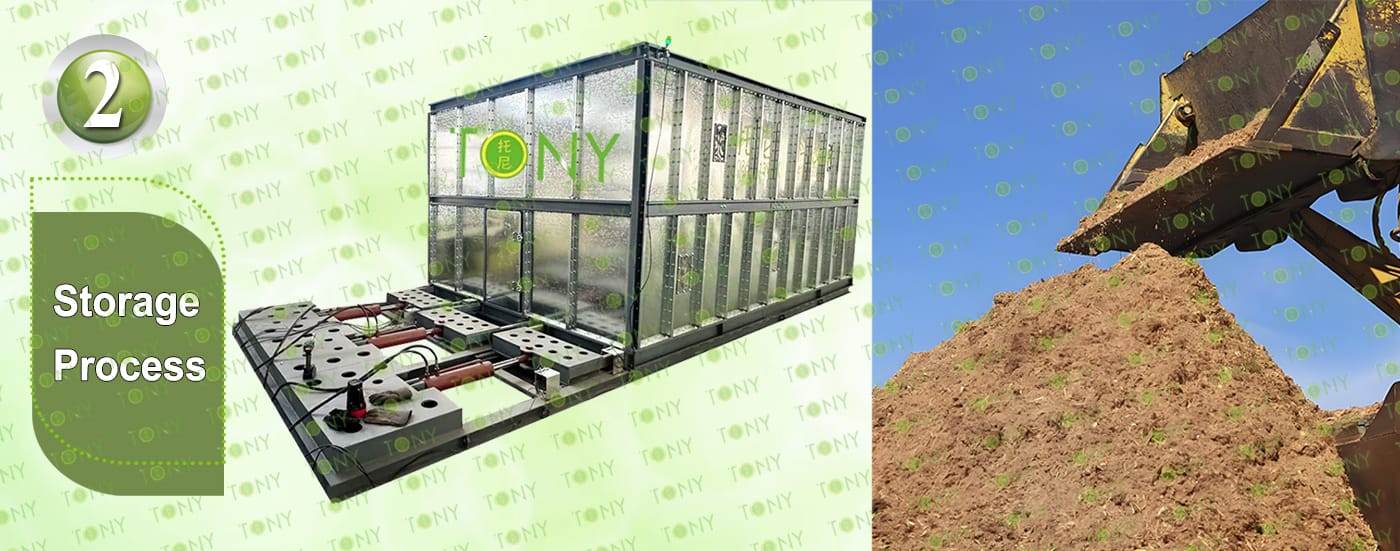
A. This process is mainly used to storage the palm nut shell dust that comes out of the hammer mill.It is hydraulic galvanized storage bin which is more stalbe and palm nut shell dust in it is not easy to be blocked.
B. TONY Brand Large Hydraulic Storage Silo to storage the palm nut shell dust that comes out of the hammer mill.This process can be optional by customer.If customer do not chose the storage bin,he can storage the palm nut shell dust on the ground directly which may need some labour.
Main Parts:
(1)TONY's New Large Hydraulic Storage Silo.
(2)With Screws Inside The Storage Bin To Prevent Palm Nut Shell Dust Blocked.
3.Palm Nut Shell Dust Drying Process:
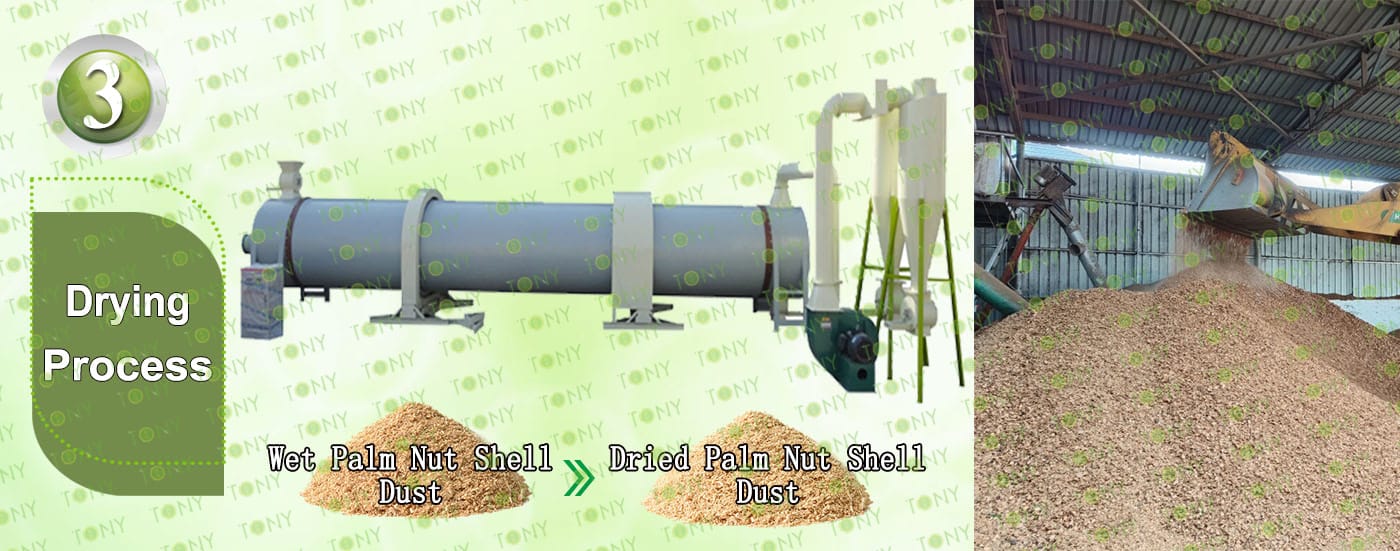
A.This process is mainly used to dry the palm nut shell dust from 40-55% to 10-15%.
B.Capacity:80-100Ton/Hour.
C.TONY use 6 sets of 3.5*28m rotary drum dryer for this process, TONY hot blast stove is made of firebrick pan, shell with H steel plate as the frame. There are 3 layers of fire blocking device inside, which can effectively prevent the fire from entering the tumble dryer.Customers can choose to use waste wood, biomass pellets, natural gas, etc. as fuel for the hot air furnace
TONY dryer use spiral tube material, and is not easy to deform.
Unlike other manufacturers with iron plate splicing welding, very easy to deformation.
Main Parts:
(1)TONY's Rotary Drum Dryer Main Body. (Reducers With Motors and Pips.)
(2)TONY's Hot Stove.
(3)Fan Blower+Cyclone With Airlock.
4.Pelletizing Process:
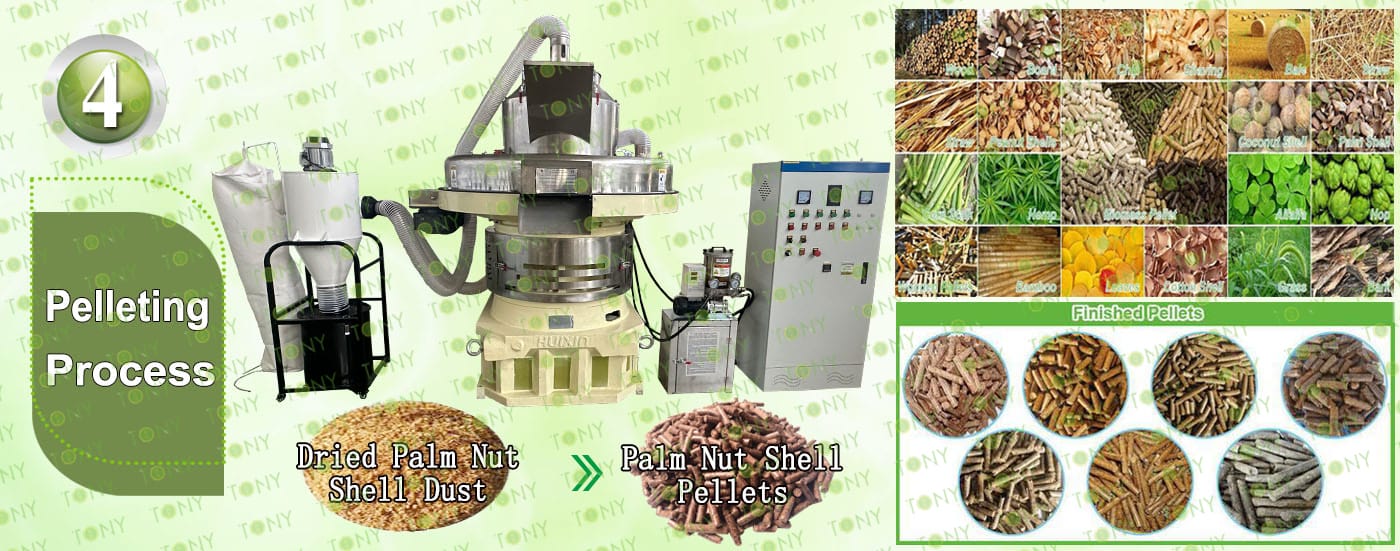
A.This process is mainly used to to product pellets into φ6-8mm.
B.Capacity:80-100Ton/Hour.
C.TONY brand vertical ring die pellet machine TYJ860-Ⅲ-280KW*20sets
D.Double Screw Cycling Silo is added above the pellet machine, which has the advantages of saving space, saving labor, intelligently controlling the feeding speed, not easy to block the material, and improving production efficiency.
Main Parts:
(1)TONY's New Vertical Ring Die Pellet Machine.
(2)Cyclone And Bags Dust Collectors.
(3)Automatic Lubrication System.
(4)Electrical Cabinets.
You can chose TONY new type SS304 pellet machine
5.Cooling Process:
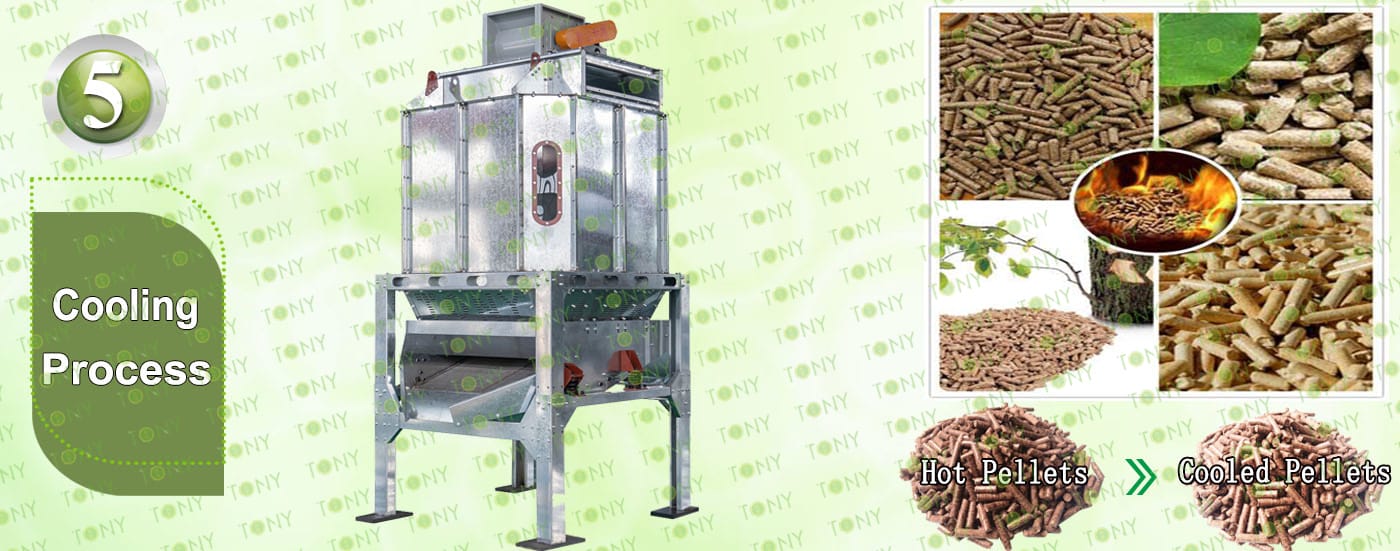
A.This process is mainly used to cool pellets from 80-90℃ to 20-30℃
B.Capacity:80-100Ton/Hour.
C.TONY brand galvanized cooler separator*6 sets
Main Parts:
(1)TONY's Galvanized Cooler Separator With Vibrating Screen.
(2)Cyclone And Bags Dust Collectors.
(3)Fan Blower.
(4)Connect Pipes.

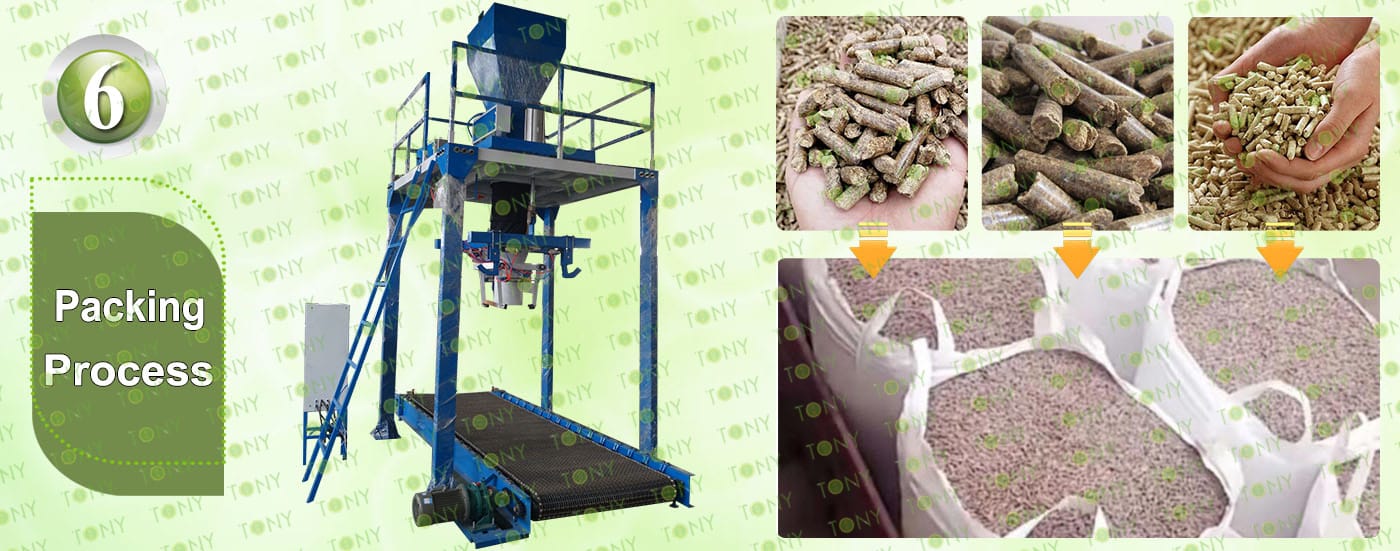
6.Packing Process:
A.This process is mainly used to pack pellets into 1 ton/bags.
B.Capacity:80-100Ton/Hour.
C.TONY brand ton packing machine*6 sets
Main Parts:
(1)TONY Ton Packing Machine
(2)Electronic Platform Scale Metering System
(3)Automatic Tare, Zero, and Drop Correction Functions
(4)Feeding System Features Fast, Medium, and Slow Feeding Speeds to Ensure Measuring Accuracy

Core Conditions for Palm Nut Shell Processing into Biomass Pellets Projects: Three Foundations Determining Feasibility
The key to project success lies in the matching of raw materials, policies, and funding; all three are indispensable.
1.Raw Material Supply:
The project needs to be located in a concentrated palm fruit processing area (e.g., within 30 kilometers of a palm oil mill) to ensure a daily supply of 15-50 tons of wet palm nut shells (depending on the production line). Wet palm nut shells are mostly waste from palm oil mills and can initially be obtained for free or at a low price (a small transportation fee may be required in some areas). Long-term cooperation agreements are necessary to lock in supply and prevent supply disruptions.
2.Policies and Site:
The project must comply with local environmental policies, obtaining environmental impact assessment filing and a business license. The site needs to include a raw material storage area (rain and moisture protection), a production area, and a finished product warehouse, with a total area of approximately 5-15 mu (for a production line of 1-5 tons per hour). It must be far from residential areas to reduce noise and dust impacts. Some tropical regions offer subsidies for biomass projects (e.g., equipment purchase subsidies, production subsidies); applications can be made in advance to reduce costs.
3.Capital Investment:
Project investment fluctuates with production capacity, with a small-scale production line requiring approximately one million yuan (including equipment, site rental, and initial raw materials). Funds must cover equipment procurement (60%-70%), working capital (raw material reserves, labor), and contingency costs.
1.Environmental Impact: Low Emissions, Aligning with Green Trends
The combustion process contains no sulfur or phosphorus, producing no polluting gases such as sulfur dioxide or phosphorus pentoxide. Dust emissions are low, with a Ringelmann blackness level of less than 1, meeting environmental standards in most regions.
As a renewable energy source, the carbon dioxide absorbed during its growth cycle is essentially balanced with the carbon emissions released during combustion, achieving "carbon neutrality" and aligning with global energy transition and dual-carbon policies.
The entire process is pollution-free. From raw material processing to pellet combustion, it places no additional burden on the environment, avoiding the ecological damage caused by traditional fuels (such as coal) during mining and transportation.
2.Practical Application: Convenient Storage and Transportation, High Adaptability
Low storage and transportation costs. The pellets have a regular shape and high density (the natural density of the raw material reaches 1.1, and is even higher after pelleting). Their small size and resistance to breakage reduce storage space requirements, and long-distance transportation costs are more than 30% lower than loose biomass.
With a wide range of applications, it can replace coal and natural gas in industrial power generation and heating, serve as a domestic fuel for barbecues and fireplaces, and be used in energy conversion fields such as biomass gasification.
It boasts low operating costs, with inexpensive raw materials and high combustion efficiency. For the same heat demand, its overall operating cost is significantly lower than traditional fossil fuels, offering a significant cost-performance advantage.


2025 Tony Machinery - All Rights Reserved. Map