





















Biomass pellets, as a new type of clean and environmentally friendly fuel, have become a highly cost-effective micro-entrepreneurial project with considerable profit potential due to the readily available and inexpensive raw materials and strong market demand. Its core advantage lies in the wide availability and convenient sourcing of raw materials, which are found almost everywhere in urban and rural areas, eliminating the need for high procurement costs and truly turning waste into treasure.
The raw materials for producing biomass pellets are all common agricultural and forestry waste and scraps. Corn stalks, rice husks, peanut shells, and fallen leaves readily available in rural areas, as well as sawdust, wood strips, bark scraps from forest farms and furniture factories, and even waste wood from demolished old houses can all be used as raw materials. Previously, these wastes were mostly burned on-site or discarded indiscriminately, wasting resources and polluting the environment. Now, they can be recycled at low prices, and in some areas, even collected for free. The raw material acquisition has virtually no barriers to entry, and the supply is sufficient and stable, eliminating the problem of shortages.
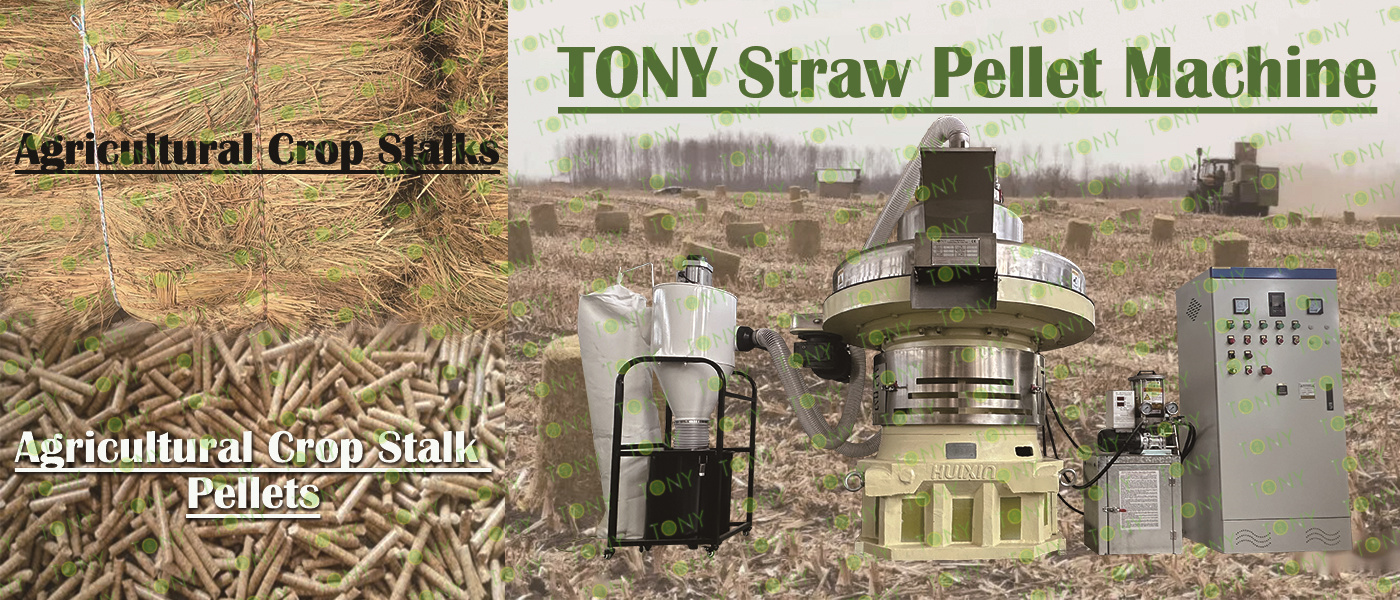
Sufficient and inexpensive raw materials provide the project with a strong cost advantage. The purchase price of these agricultural and forestry wastes is extremely low, far lower than that of traditional energy sources such as coal and natural gas. After simple processes such as crushing, drying, and pressing, they can be processed into standardized biomass pellet fuel. The finished pellets have stable calorific value, are clean and environmentally friendly, and are low in carbon and sulfur, aligning with environmental protection and energy-saving policies. They are widely used in industrial boilers, factory heating, and residential heating, and market demand continues to rise.
From a profitability perspective, this project is highly profitable. The overall processing technology is simple, equipment investment is moderate, and labor costs are low, resulting in extremely low overall production costs. Meanwhile, the market price of the finished product is stable, with ample profit margins. Furthermore, thanks to environmental policy support, product sales are not a concern, inventory turnover is fast, and capital recovery is efficient. With its core advantages of comprehensive raw material coverage, low cost, and high inelastic demand, the biomass pellet processing industry offers low risk and stable returns, making it a highly promising green and profitable project.