





















The primary advantage of biomass pellet fuel lies in the ability to source raw materials locally and produce them at low cost. As a renewable, clean energy source, it effectively addresses the issues of high costs, heavy pollution, and resource depletion associated with traditional fuels, making it ideal for adoption by small- and medium-sized processing enterprises as well as agricultural and livestock operations.
Pellet fuel relies on a diverse range of raw materials—primarily agricultural and forestry waste—allowing for production tailored to local conditions and resources. Common rural residues such as corn stalks, wheat straw, rice straw, peanut shells, and cotton stalks; forestry by-products like sawdust, wood shavings, branches, bark, and offcuts; and industrial residues such as spent mushroom substrate, herbal medicine dregs, and sugarcane bagasse can all serve as feedstock. Previously, these materials were often burned on-site or discarded haphazardly—practices that wasted resources and caused significant environmental pollution. Now, however, they are transformed into valuable products through recovery and processing, with raw material sourcing virtually unconstrained by geography.
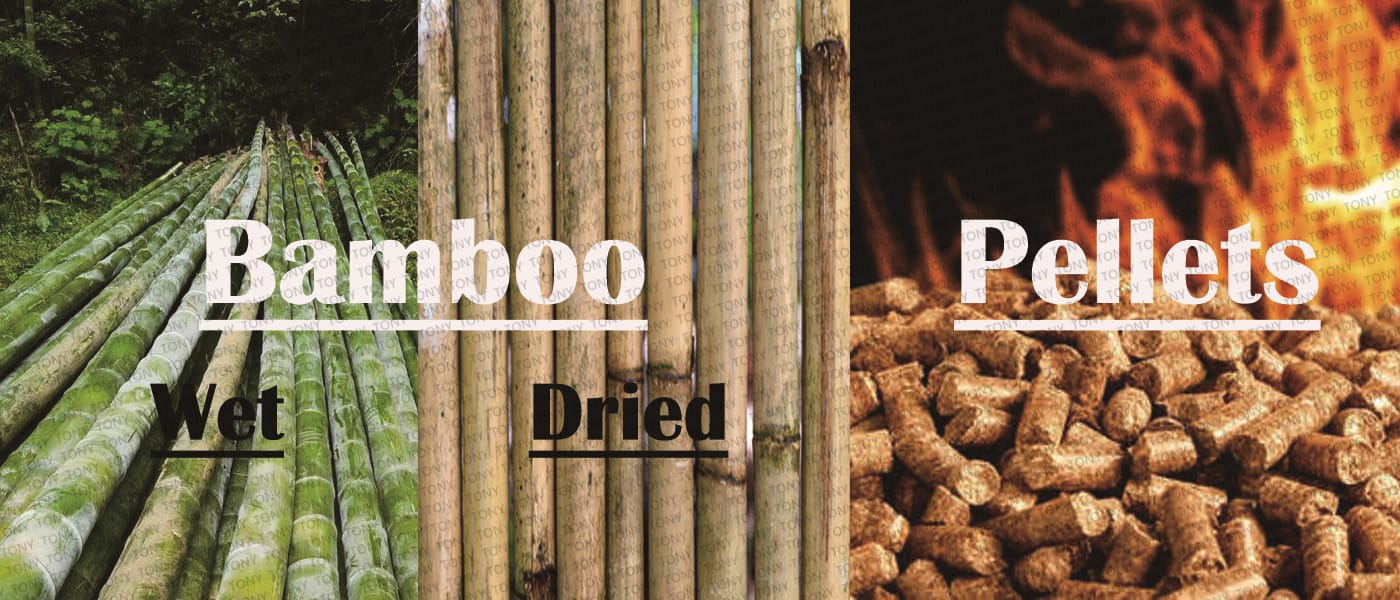
Leveraging the advantage of local sourcing, pellet fuel production costs are significantly reduced. Enterprises avoid the high expense of purchasing finished fuels, instead sourcing waste materials from the immediate vicinity, which minimizes procurement and transportation costs. Furthermore, the raw materials—derived from annually renewable crops and ongoing forestry maintenance—offer a continuous, inexhaustible supply. Unlike non-renewable energy sources such as coal and petroleum, biomass pellets demonstrate exceptional sustainability.
Once processed through crushing, drying, and compression molding, the resulting pellets are compact, dense, and possess a stable calorific value. They are convenient to store and transport, burn cleanly without pollution, and generate emissions far lower than traditional coal. This process not only solves the challenge of agricultural and forestry waste disposal and improves the rural environment but also provides a low-cost heat source for heating systems, drying operations, and industrial boilers. Thanks to the core advantages of local sourcing, low cost, and renewability, biomass pellet fuel has emerged as a high-quality alternative energy source that delivers both environmental benefits and economic value.