





















I. Common Pitfalls in Model Selection
1. Larger feed size does not equate to higher output
For the same crusher model, feeding large, whole logs too quickly can easily cause jams or burn out the motor; conversely, processing fine branches at full load for extended periods doubles the wear rate of the hammers, actually reducing effective capacity.
2. Dry and wet materials require different setups
Dry, hard wood is suitable for standard hammer crushers; wet wood and logs with bark are sticky and tend to clog standard screens, requiring larger screen apertures, forced feeding mechanisms, or a pre-processing rotary dryer.
3. Do not skip the two-stage process (chipping followed by pulverizing)
Directly pulverizing raw logs into fine particles causes excessive equipment wear; chipping first and then pulverizing can extend the service life of hammers and screen plates by two to three times.
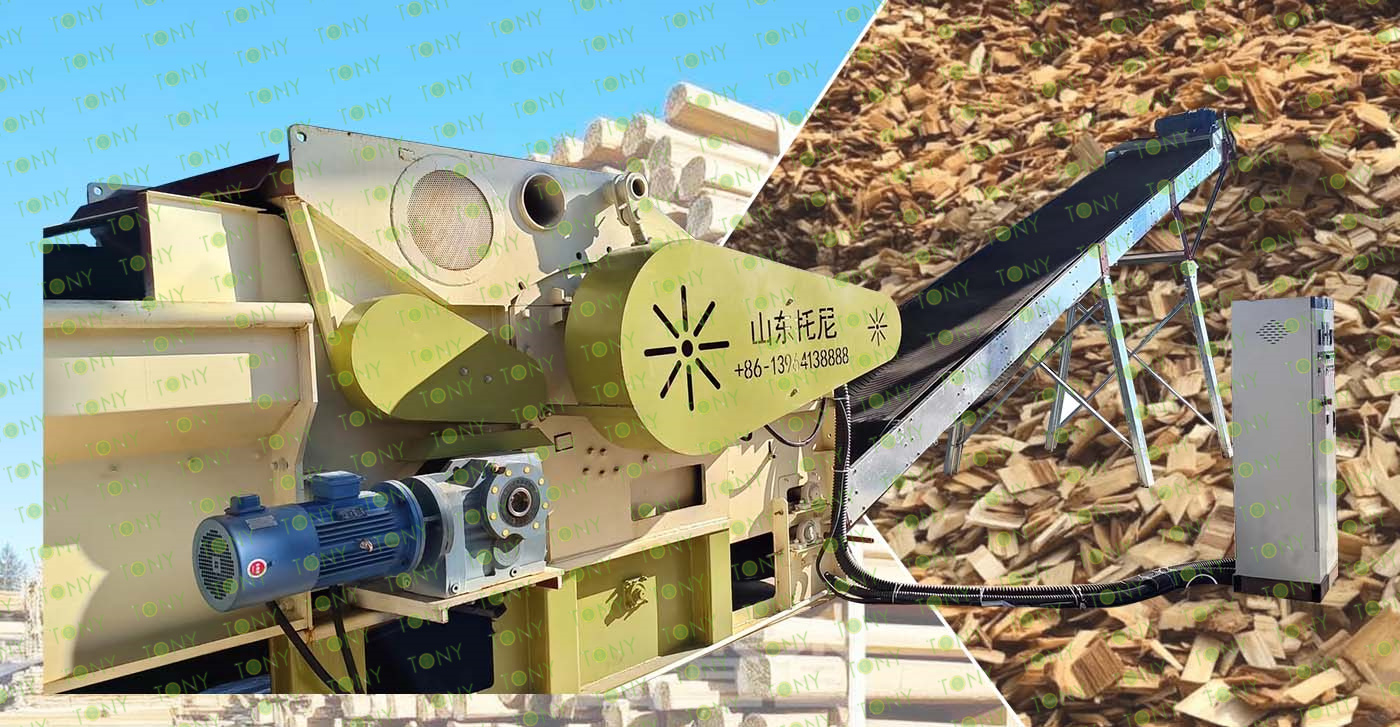
II. Functions of Hidden Design Features
1. Machine body counterweighting does more than just ensure stability
A heavy casing absorbs the impact of wood, reduces vibration, and lowers the risk of bearing or main shaft failure; lightweight, low-cost machines with thin casings are prone to deformation during prolonged operation.
2. The dual structure (chipping knives + hammers) is a key differentiator
Single chipping knives are ideal for coarse chipping, producing uniform chunks; single hammer setups focus on fine pulverizing; dual-function models handle logs, branches, and offcuts, making them suitable for biomass pellet production lines.
3. Bottom screen aperture determines the end-product application
Smaller screen apertures yield finer material, suitable for pelletizing; larger apertures produce wood chips for power plants or board manufacturers; failure to replace damaged screens leads to a mix of coarse and fine particles, hindering subsequent drying and pelletizing.
III. Tips for Saving on Wear Parts
Hammers can be flipped over after one side wears down, nearly doubling the service life of a single set.
Wood containing mud, sand, or stones can easily crack the hammers; installing a debris-removal drum before the feed inlet significantly reduces the cost of replacing parts.
Wood with high bark or resin content tends to stick to the rotor; cleaning the machine once per shift prevents rotor imbalance and violent vibration.