





















Biomass pellets are solid fuels produced by crushing, drying, and extruding agricultural and forestry waste—such as straw, sawdust, bamboo chips, rice husks, tree branches, and forestry residues. Their core advantage lies in their ability to replace coal, natural gas, and firewood across residential, commercial, and industrial sectors, while offering benefits in environmental protection, cost-efficiency, and logistics. The following sections detail their advantages, applications, limitations, and a comparison with traditional fuels.
1.Cost-effective with readily available raw materials
The raw materials consist of agricultural and forestry waste, which can be procured at very low prices; they offer modest savings compared to coal and are 30%–60% cheaper than natural gas, diesel, or electricity.
Sourcing materials locally—from rural areas, wood processing plants, or agricultural bases—transforms waste into fuel, enabling resource recovery and avoiding fines associated with straw burning.
2. Stable combustion performance and ease of use
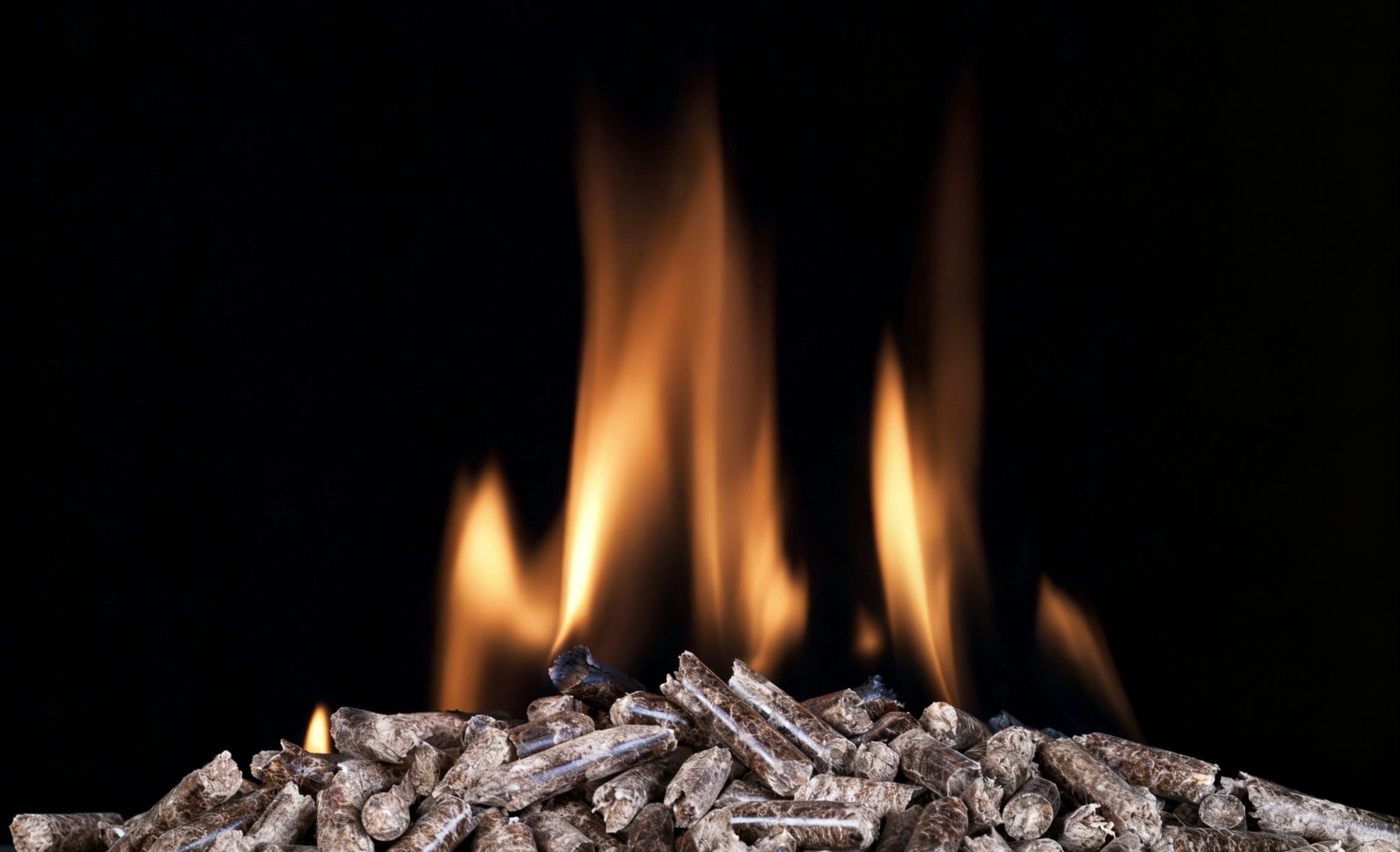
High-density compression reduces volume to just one-eighth that of loose straw or sawdust, ensuring a stable calorific value (4,200–4,800 kcal for sawdust pellets; 3,200–3,800 kcal for straw pellets).
They produce minimal ash and no smoke, maintaining an even flame; automated boilers handle feeding, temperature control, and ash removal, eliminating the need for frequent manual refueling and saving labor compared to burning firewood.
Clinkering is manageable; high-quality pellets leave only 3%–8% ash residue, which can be used as organic fertilizer, thereby avoiding the burden of solid waste disposal.
3.Hassle-free storage and transportation
These rigid, cylindrical pellets come in moisture-proof, waterproof packaging, allowing for indoor storage of up to six months without molding or rotting.
They generate no loose dust during loading or handling; bagged pellets are stackable and require significantly less warehouse space than loose straw or firewood.
Standardized bagging minimizes losses during truck transport and keeps long-distance distribution costs under control.
4.Environmentally compliant and policy-friendly
Classified as renewable, clean energy with a zero-net-carbon cycle; permitted for use even in regions with coal bans.
Emissions of sulfur dioxide and nitrogen oxides are far lower than those of coal, eliminating the need for complex desulfurization equipment; small processing plants and guesthouses need not worry about environmental inspections.
Comprehensive straw utilization projects benefit from subsidies for agricultural machinery and boiler retrofitting, reducing initial investment and operating costs.
5. Highly versatile with broad equipment compatibility
Compatible with a full range of established equipment: residential heating stoves, commercial hot water boilers, industrial steam boilers, hot air furnaces, biomass fireplaces, and pellet heaters; low barriers to entry for retrofitting existing facilities.