





















Amid the dual demands of global energy restructuring and ecological conservation, biomass pellet machine are becoming a critical link between energy supply and ecological protection. By converting agricultural and forestry waste into clean biomass pellet fuel, they alleviate the pressure of traditional energy shortages while addressing the environmental challenges of waste disposal, striking a precise balance between energy conservation and ecological protection.
I. Breaking the Energy Dilemma: Efficient Conversion from "Waste" to "Energy"
In the traditional energy system, overreliance on fossil fuels (coal and oil) not only faces the risk of resource depletion but also exacerbates energy security concerns. The advent of biomass pellet machines has enabled a significant leap in the conversion of dispersed agricultural and forestry waste (straw, wood chips, rice husks, etc.) into energy.
Supplementing energy supply: One ton of biomass pellet fuel has a calorific value of approximately 4,000-4,500 kcal, replacing 0.8 tons of standard coal. It is widely used in industrial heating, power generation, and residential heating.
Energy Structure Optimization: Biomass pellets are a renewable energy source, and their carbon emissions when burned are close to "carbon neutral" (the amount of carbon dioxide absorbed by plant growth is essentially balanced by the amount released during combustion). This reduces reliance on fossil fuels like coal and natural gas, and promotes the transition to a low-carbon, diversified energy structure.
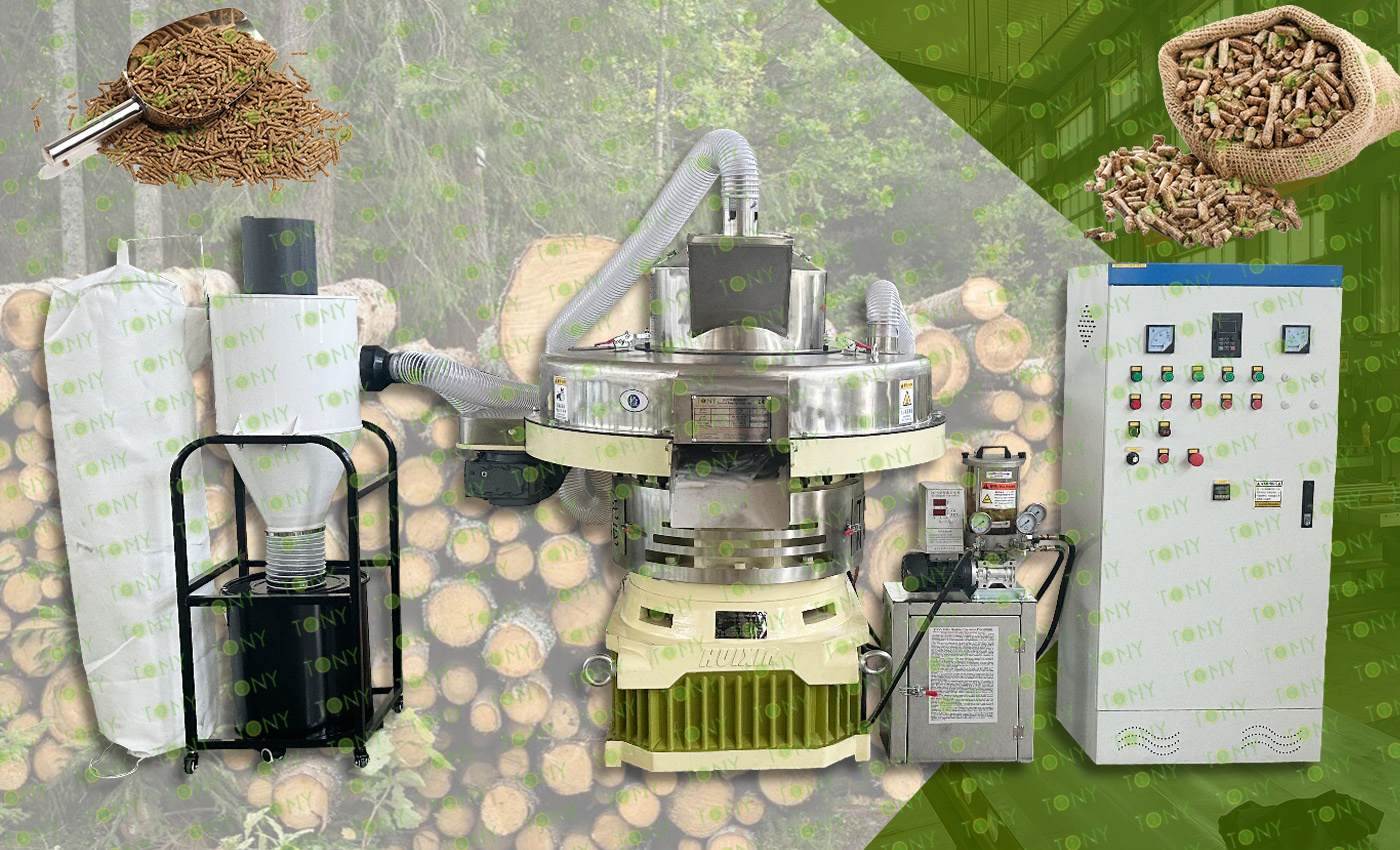
II. Protecting Ecological Balance: Transforming from a "Pollution Source" to an "Environmental Contributor"
Agricultural and forestry waste was once an "invisible threat" to the ecological environment: open-air straw burning led to frequent smog, wood chip accumulation posed a fire hazard, and agricultural residues polluted soil and water sources. Biomass pellet machines transform these "pollutants" into "resources" through "resource-based processing," solving the environmental challenges of waste disposal at the source:
Reducing Environmental Pollution: Crop straw is converted into pellets, reducing straw burning and directly reducing PM2.5 emissions. Protecting Land and Forests: Wood pellets are primarily made from logging residues and furniture scraps, rather than felled trees. This not only increases wood utilization (from 50% to over 90%) but also reduces damage to natural forests. Furthermore, the dust and exhaust gas generated during pellet production can be treated with environmentally friendly equipment, preventing secondary pollution and achieving a green cycle of "turning waste into treasure."
Contributing to Rural Ecological Revitalization: In rural areas, pellet machines convert "field waste" such as corn cobs and peanut shells into fuel. Farmers can increase their income by selling these raw materials, while also reducing the excessive use of pesticides and chemical fertilizers (some straw can be converted into organic fertilizer), promoting the development of a virtuous cycle in the agricultural ecosystem.