





















Technological advancements in biomass pellet machines are key to achieving an "energy-ecology" balance:
1.Low-energy production:
The new generation of pellet machines utilizes variable-frequency motors and waste heat recovery systems, reducing energy consumption per unit of pelleting by 15%-20%, avoiding the paradox of "consuming energy to produce energy." For example, recycling waste heat in the drying process can reduce raw material drying energy consumption by 30%, lowering both production costs and energy waste.
2.Highly adaptable processing:
By adjusting the die aperture and roller pressure to accommodate different raw material characteristics (such as straw fiber toughness or sawdust moisture content), pellet machines can achieve "multi-purpose" functionality, ensuring efficient conversion of various waste types and avoiding waste or pollution caused by raw material limitations. Full Industrial Chain Circulation:
The ash from pellet combustion is rich in potassium, phosphorus, and other elements, and can be returned to the fields as organic fertilizer, forming a closed loop of "agricultural and forestry waste → pellet fuel → ash → fertilizer → agricultural and forestry planting." This not only ensures energy supply but also nourishes the ecosystem, achieving a balance of "taking from nature, returning to nature."
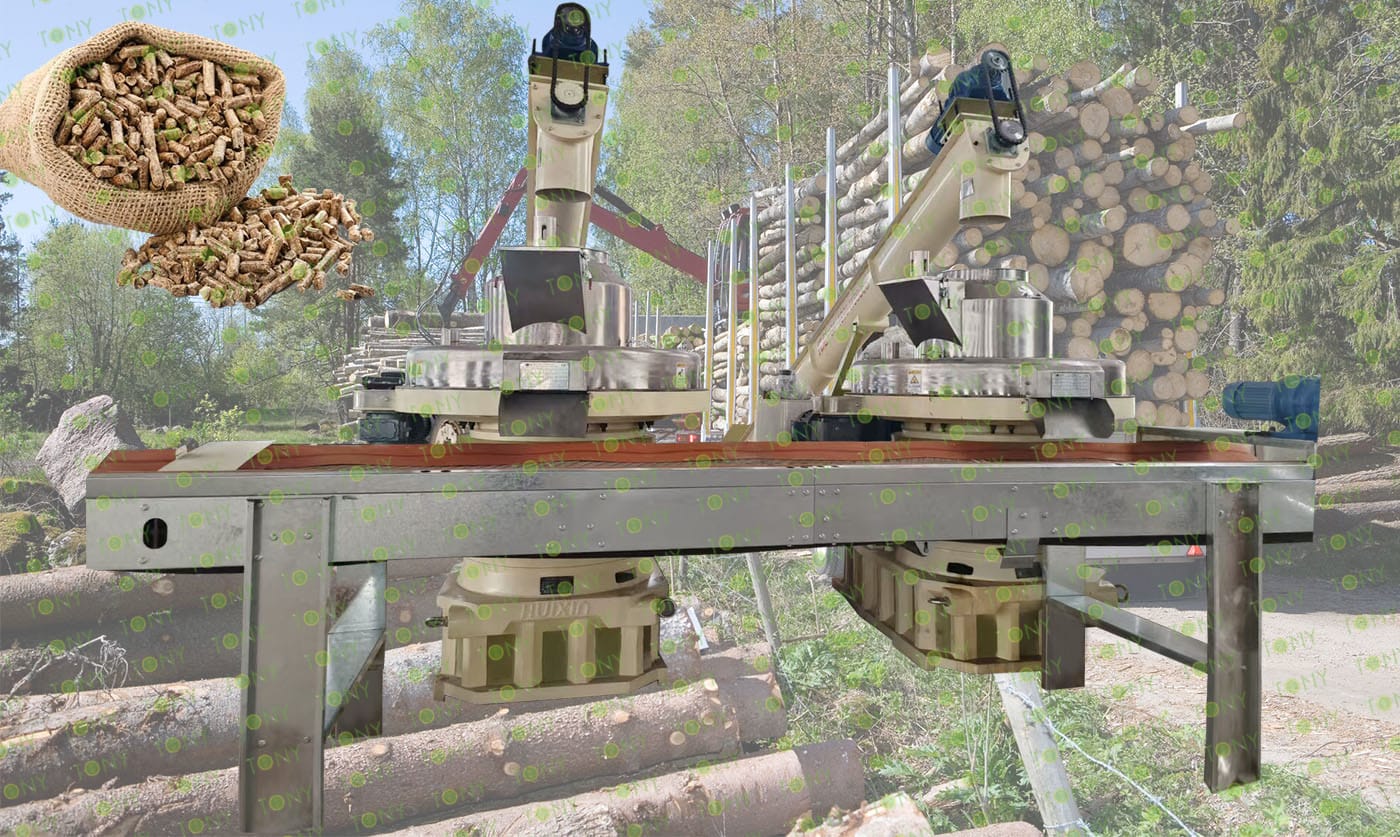
Conclusion
The value of biomass pellet machines lies not only in the technological breakthrough of converting "waste" into "energy," but also in the way they reshape the interaction between humanity and nature—moving from "predatory development" to "circular utilization." It eliminates the need for energy supply at the expense of the environment, allowing ecological protection to generate economic value, and ultimately building a sustainable bridge between "development" and "conservation." Amidst the global energy transition, this balanced approach may hold the key to overcoming both the energy crisis and the ecological dilemma.