





















The price of biomass pellet fuel is influenced by multiple factors, encompassing both upstream links in the supply chain, such as raw materials and production, and downstream and external factors, such as market supply and demand and the policy environment. These factors can be categorized as follows:
1. Raw material cost: The "root" of price fluctuations
Raw material is the core cost of biomass pellet production (accounting for 60%-80% of the total cost), and its price directly determines the basic pricing of pellet fuel:
Raw material type and source: The acquisition cost of different raw materials varies significantly. For example, wood chips (forestry waste) are generally cheaper than straw (taking into account harvesting and transportation costs), while specialized energy crops (such as switchgrass) are more expensive due to their high cultivation costs.
Raw material supply stability: Seasonal supply and demand fluctuate significantly. For example, if crop straw is in ample supply after the autumn harvest, its price will fall; however, if supply decreases in winter and spring, the price may rise. Furthermore, extreme weather (such as floods and droughts) leading to crop yield reductions, or tightening forestry policies (such as logging restrictions), can directly drive up raw material acquisition prices. Transportation and Storage Costs: Raw materials are mostly loose agricultural and forestry waste, which is bulky and low-density, resulting in a high transportation cost (especially in remote areas). If long-distance transportation or winter storage (which requires moisture and fire protection) is required, these costs will be passed on to the price of pellet fuel.
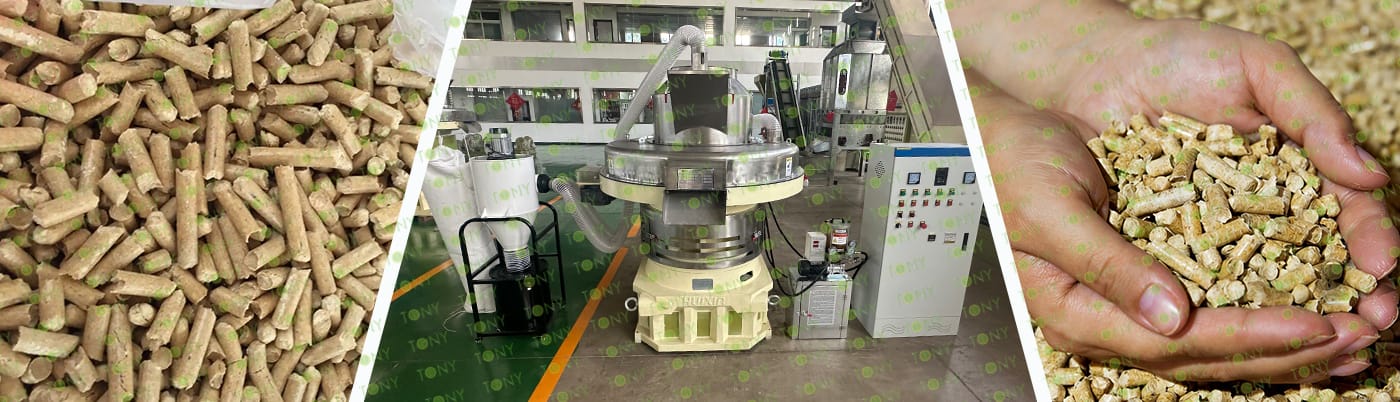
2.Production and Processing Costs: A "Competition" Between Technology and Scale
Energy consumption, equipment wear and tear, labor costs, and other production processes directly impact the final price of pellet fuel:
Processing Complexity: Raw materials require crushing, drying, and pelletizing. If the moisture content of the raw materials is too high (e.g., fresh straw with a moisture content exceeding 30%), drying energy consumption increases (the drying cost per ton of raw material may increase by 50-100 yuan). If the raw materials contain high impurities (e.g., sand and soil), equipment wear and maintenance costs will increase.
Scale Effects: Small processing plants have higher production costs due to low equipment utilization and high unit energy consumption. Large-scale enterprises can reduce unit costs and offer more competitive prices through large-scale raw material procurement and automated production. Energy and Labor Costs: The production process relies on electricity (for pellet mills and dryers). If local electricity prices rise, costs will increase. Small, labor-intensive factories will also be affected by labor wage levels.
3.Market Supply and Demand: A Barometer of Price Fluctuations
Demand-Side Changes: Fluctuations in demand for industrial heating (such as food and textile factories), biomass power generation, and residential heating directly impact prices.
Supply-Side Competition: An excessive number of pellet mills in a region can lead to price competition (especially in areas with abundant raw materials). If pellet mills in some areas reduce supply due to environmental restrictions or equipment maintenance, prices may rise in the short term.
Alternative Energy Price Interactions: Biomass pellets are substitutes for coal, natural gas, and other fuels. If coal prices fall significantly (e.g., if international coal prices fall), some companies may reduce pellet purchases, forcing down pellet prices. Conversely, rising natural gas prices improve the cost-effectiveness of pellets, driving up demand and prices. IV. Policies and the External Environment: Invisible "Leverages"
Different Quality Standards: Pellets for different uses have different quality requirements (e.g., pellets for power generation require an ash content of less than 3%, while pellets for residential use require a calorific value of greater than 4200 kcal). High-quality pellets, due to rigorous screening and meticulous processing, are priced 10%-20% higher than standard pellets.
The price of biomass pellet fuel is a function of raw material costs, production efficiency, market supply and demand, and the policy environment.