





















Clean, environmentally friendly, and low-emission, embodying green and low-carbon development. As a pure natural and renewable green energy source, biomass pellets contain extremely low levels of sulfur and nitrogen. The combustion process produces almost no harmful gases such as sulfides and nitrogen oxides, with smoke and dust emissions far below national environmental standards. There is no black smoke or odor, significantly reducing air pollution. Furthermore, its combustion follows the carbon cycle principle, with the amount of carbon dioxide absorbed during the raw material's growth stage being roughly equal to the amount of carbon released during combustion, achieving near-zero carbon emissions and precisely meeting the requirements of dual-carbon development. The remaining ash after fuel combustion contains no harmful substances and is rich in mineral nutrients, making it recyclable as organic fertilizer for returning to the fields. There is no solid waste residue, achieving green and pollution-free recycling throughout the entire process.
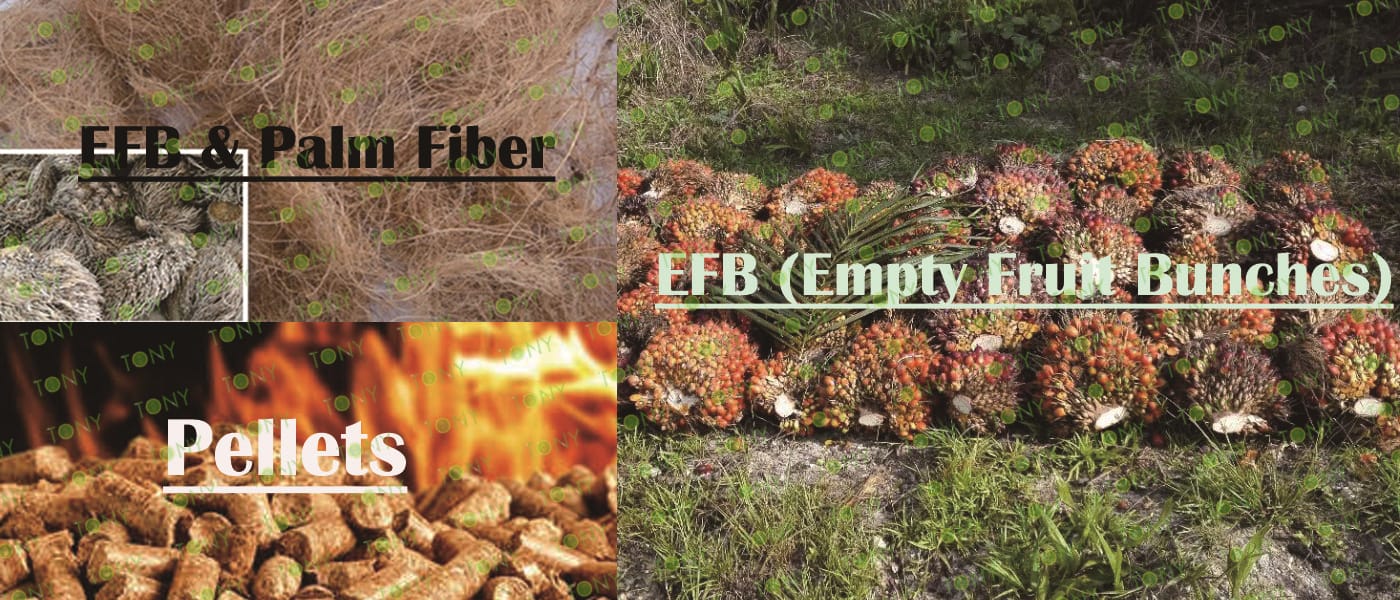
Highly practical and cost-effective, suitable for all scenarios. Standardized pellet fuel has uniform specifications and a compact size, facilitating storage, transportation, and automated feeding. It is compatible with various new energy-saving combustion equipment, resulting in low equipment wear and tear and low maintenance costs. Leveraging the raw material advantages of recycled agricultural and forestry waste, fuel procurement costs are low, and the overall energy cost is far lower than traditional energy sources such as coal and natural gas. This not only solves the environmental problems of agricultural and forestry waste accumulation and incineration but also provides reliable support for enterprises to save energy, reduce costs, and upgrade industries in a green way.
Highly efficient production, green environmental protection. Biomass pellets solidify their energy strength through efficient combustion and practice the low-carbon concept through clean and environmentally friendly methods. They are a modern green energy source that combines economy, practicality, and ecology, making them a core and preferred choice for energy transformation, energy conservation and emission reduction, and solid waste recycling.