





















1. Source materials locally to strictly control transportation distances
Establish a 30-kilometer raw material sourcing radius; coordinate directly with furniture factories, board manufacturers, landscaping operations, and crop growers for on-site pickup to minimize long-haul freight costs.
Sign long-term, all-inclusive waste material agreements with processing plants to lock in low prices and avoid peak-season price hikes.
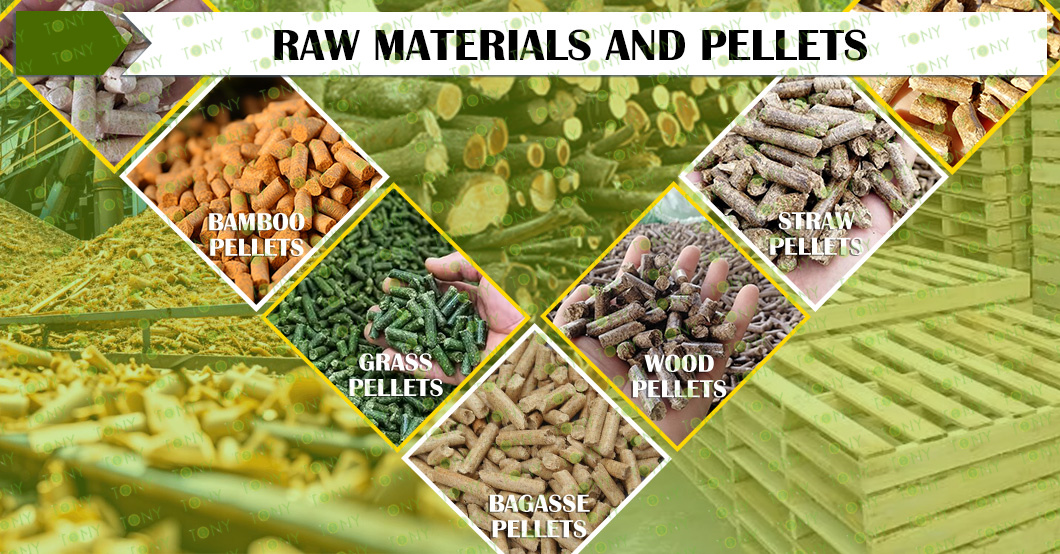
Utilize material blends—such as mixing sawdust with small amounts of straw or rice husks—to balance the average procurement cost.
2. Strictly control raw material moisture content to reduce drying costs at the source
Prioritize sourcing dry materials (e.g., sawdust and wood shavings with 15%–20% moisture) to eliminate the electricity costs associated with full-scale drying.
Air-dry field straw and wet branches before they enter the plant, reducing moisture from 40% to under 25% to cut drying energy consumption by half.
Construct rainproof storage sheds to prevent materials from getting wet or re-absorbing moisture, thereby reducing drying-related losses.
3. Minimize material waste and improve production yield
Install rotary screens and de-stoning machines prior to processing to remove dirt, sand, and stones, preventing material waste and equipment wear.
Avoid long-term stockpiling of wet materials to prevent mold and rot, which lead to material loss.
Optimize material ratios: Sawdust has high lignin content and molds well; blending it with straw reduces the need for binders (quality pellets can be produced without added glue).
4. Stockpile materials strategically to offset seasonal price fluctuations
Stockpile large quantities of straw and sawdust during the autumn harvest and peak timber processing seasons when prices are low; utilize these reserves during the off-season when raw material prices rise, thereby smoothing out the average annual cost.