





















In the pellet business, everyone wants long-term profitability and a stable return on investment, but many people fail due to equipment issues: easily damaged machines, frequent breakdowns, uneven output, expensive consumables, and frequent problems after only six months of use. A single day of downtime for repairs means a day's worth of lost profit. The pellet mills that truly help you make steady profits, in the end, don't compete on price, but on genuine quality.
Most pellet mills on the market may seem similar, but the differences in performance are vast. Inferior equipment is a "one-time investment, repeated expenses," while TONY pellet mills, from material selection and manufacturing processes to assembly and debugging, strictly control quality throughout, embedding durability, stability, and efficiency into every detail. This minimizes breakdowns, downtime, and repairs, ensuring long-term profitability for your business.
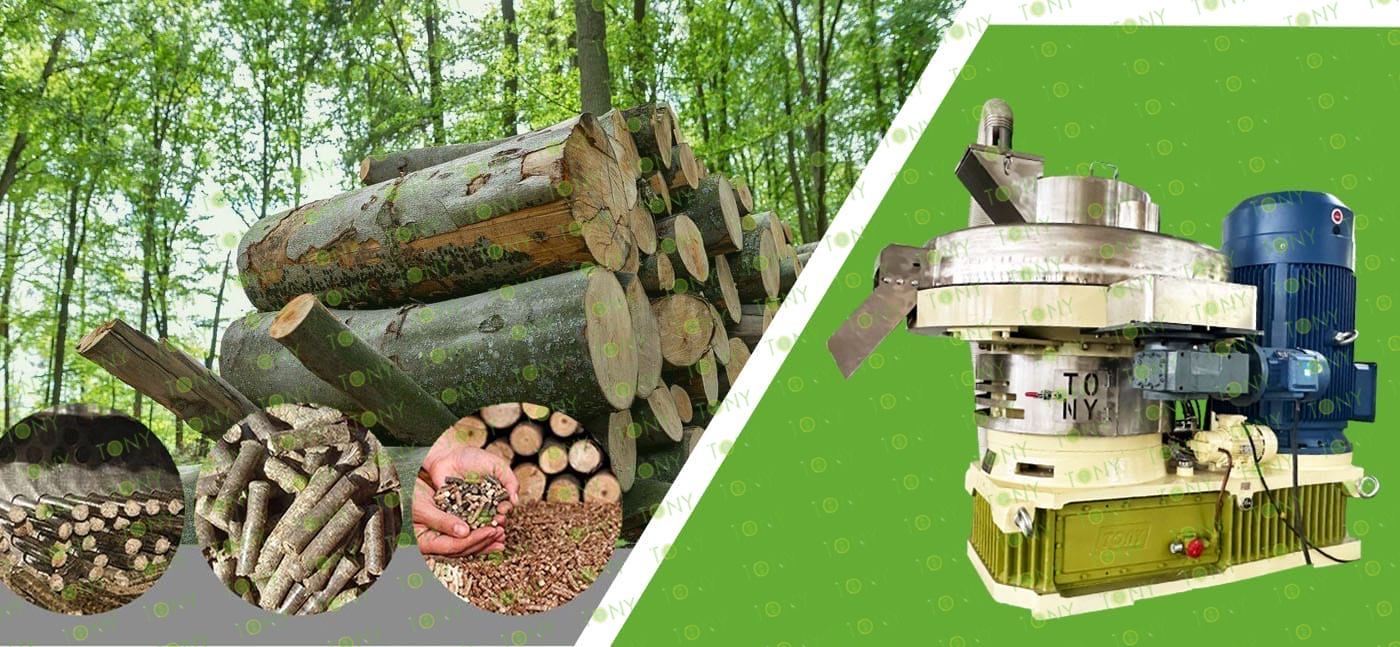
The foundation of equipment quality lies in materials. TONY refuses to use thin-walled construction or substandard steel. The entire machine is constructed from thickened, high-quality steel plates, resulting in a sturdy and robust body with significantly upgraded load-bearing capacity, vibration resistance, and wear resistance. Under prolonged high-load continuous operation, the machine body is resistant to deformation, cracking, and vibration, completely avoiding common problems such as loosening of the machine body, excessive noise, and deviation during operation after long-term production.
The core grinding disc and pressure rollers are made of high-hardness, wear-resistant alloy material, treated with a precision quenching process. This results in high hardness, wear resistance, and impact resistance, ensuring that various materials such as sawdust, straw, rice husks, bamboo powder, and feed ingredients are pressed without slipping, wear, or chipping even after long-term pressing. Compared to ordinary parts, the service life is directly doubled, eliminating the need for frequent consumable replacements and significantly reducing later replacement costs and downtime losses.