





















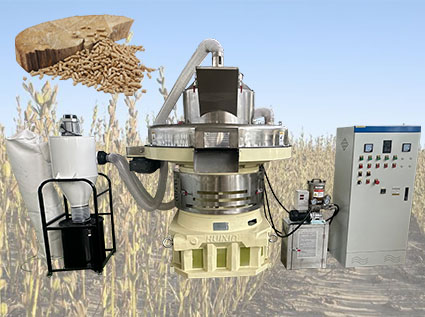
The wood pellet machine industry has seized the opportunity presented by the market's growing popularity of energy-saving and environmentally friendly products. It has vigorously developed and produced highly efficient and energy-saving wood pellet machine equipment, effectively promoting the econom

The wood chip pellet industry is becoming increasingly mature, and there are some established standards. These can be called the common knowledge of pellet machines. Understanding this knowledge is of great help for you when purchasing equipment.1. The output of the fuel pellet machine is measured i
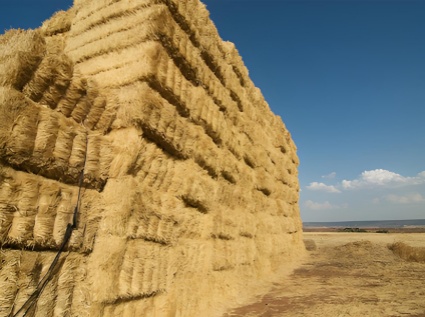
1. Optimize the pre-treatment and processing of raw materialsStrictly screen and remove impurities: Use vibrating screens and magnetic separators to remove soil, sand, and metal impurities from the straw, reducing the inorganic pollutants in the ash.Adjust the raw material ratio: Mix the straw with
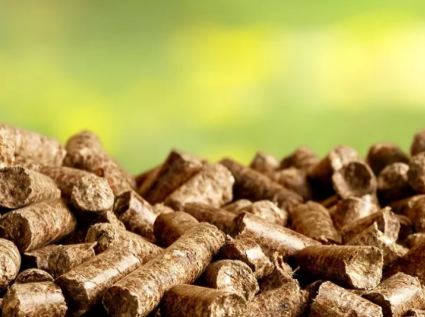
The easy coking of straw pellets fuel during combustion is a common problem in its application, and it is closely related to the characteristics of the raw materials, processing techniques, and combustion conditions.The essence of coking is that some components in the fuel melt, bond, and deposit on

1. The underlying logic of ecological value transformation: The "environmental benefit monetization" function of the pellet machineThe biomass pellet machine is not only a physical conversion device, but also an "converter" of ecological value. Its core mechanism lies in:(1) Quantitative value of po

Because the biomass pellet machine has been widely recognized by users, the market for this machine is particularly active. From the perspectives of our long-term users or new inquiry users, most of them have some misunderstandings.Misconception 1: Many users believe that the biomass pellet machine
2025 Tony Machinery - All Rights Reserved. Map