





















The biggest advantage of biomass pellet production is the abundance, wide availability, and extremely low cost of raw materials!
Many people worry about the scarcity or high cost of raw materials for pellet production. In reality, raw materials are readily available everywhere—in fields, forest farms, and industrial areas. Various agricultural and forestry wastes do not require meticulous selection or expensive procurement. After crushing, drying, and pelletizing, they can all be processed into high-quality biomass fuel pellets.
A complete range of usable raw materials are available:
Wood chips, sawdust, shavings, bamboo shavings, bark, branches, and wood scraps;
Corn stalks, peanut vines, rice straw, wheat straw, cotton stalks, reeds, rice husks, fruit shells, and other agricultural wastes.
All agricultural and forestry wastes, after pre-processing with a complete set of equipment to achieve uniform particle size and standard moisture content, can be extruded into high-density pellets.
This truly achieves on-site sourcing, waste recycling, green environmental protection, low cost, and high returns, turning waste into new energy. It is a reliable and profitable physical processing project.
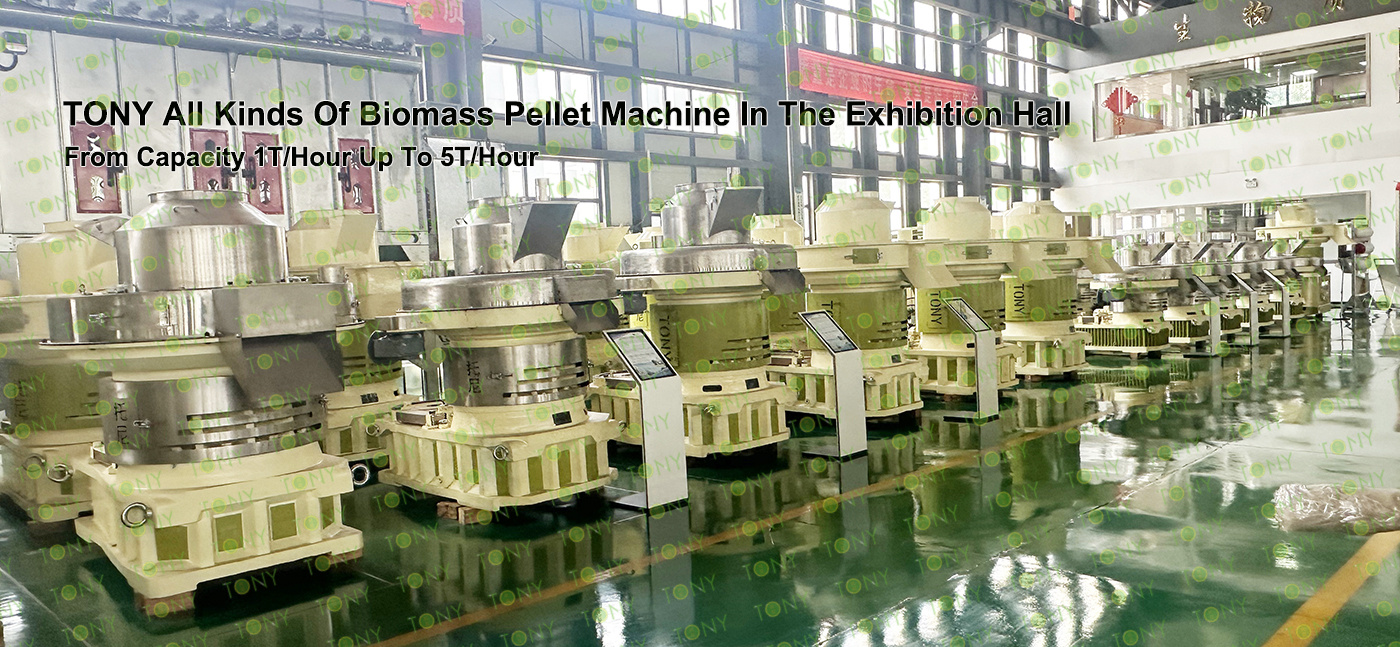
There's no shortage of raw materials for biomass pellet production!
Whether it's tree branches and sawdust, bamboo stalks and bark, or corn stalks, rice straw, and peanut vines, all agricultural and forestry waste can be used to make pellets.
Waste is recycled on-site at extremely low cost. After processing with a complete set of equipment, it can be transformed into clean energy pellets with high calorific value and a wide market.
The fact that agricultural and forestry waste can be utilized truly turns waste into treasure—this is the biggest advantage of biomass pellet projects!