





















Amidst the global energy transition and increasingly stringent environmental regulations, biomass pellet energy is gradually shifting from a "supplementary energy source" to a "mainstay" in the energy sector. The following is a detailed analysis:
Policy support is driving this shift: Policy support is a key driver of the development of biomass pellet energy. Based on this ratio, the demand for biomass pellets is staggering, transforming it from a relatively niche energy source to an indispensable force in the transition from coal-fired power generation to a low-carbon energy source.
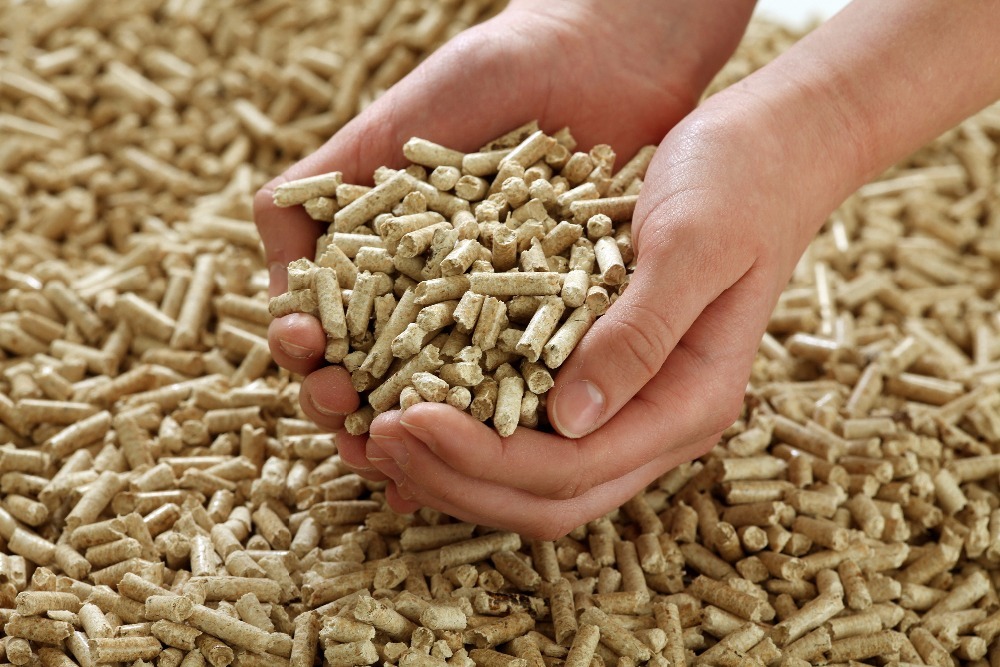
Environmental advantages align with development needs: Biomass pellet energy offers significant environmental advantages. Its combustion process primarily produces carbon dioxide and water, significantly reducing emissions of pollutants such as sulfur dioxide, nitrogen oxides, and dust. Furthermore, because biomass absorbs carbon dioxide during its growth, it achieves near-zero carbon emissions throughout its lifecycle, meeting global climate change mitigation requirements and national environmental protection policies. In the current pursuit of sustainable development, it is more easily promoted and applied, potentially occupying a more prominent position in the energy mix. Technological advancements enhance application value: In recent years, breakthroughs have been made in biomass power generation and conversion technologies, leading to continuous improvements in biomass energy utilization efficiency and a gradual reduction in production costs. For example, continuous optimization and upgrading of technologies such as direct co-firing of biomass pulverizing and indirect co-firing of biomass gasification have enabled more stable and efficient combustion of biomass pellets in coal-fired boilers, improving energy conversion efficiency while also reducing pollutant emissions. These technological advances have broadened the application of biomass pellet energy, making its widespread and efficient use in power generation and heating, laying the technical foundation for its emergence as a leading energy source.
Abundant raw materials ensure a stable supply: Biomass pellets are sourced from a wide range of sources, primarily agricultural and forestry waste such as crop straw and forestry residues, as well as energy crops such as sweet sorghum and switchgrass. These raw materials are renewable; as long as there is sunlight, water, and soil, crops and trees will continue to grow, providing a continuous source of resources for biomass pellet production, fundamentally addressing the issue of sustainable energy supply. Compared to fossil fuels, biomass pellets offer significant advantages in terms of stable and sustainable raw material supply, meeting the needs of large-scale applications. Market demand drives expansion: With the increasing demand for clean energy in industrial heating, residential heating, and power generation, the market demand for biomass pellet energy continues to rise. In the industrial sector, biomass pellets can replace coal and fuel oil to provide heat for industries like wood processing and food processing. In residential heating, their easy-to-use, clean, and smokeless heating stoves offer promising applications in rural areas and fringe urban areas. In power generation, they can be used as fuel in biomass power plants, reducing reliance on fossil fuels. This growing market demand is driving the continued expansion of the biomass pellet energy industry, strengthening its influence in the energy market and establishing the market foundation for its emergence as a major player.
Should you require a biomass pellet machine, please feel free to contact TONY at any time.