





















Biomass pelleting and feed pelleting are currently low-barrier-to-entry, high-return entrepreneurial projects. Waste materials such as sawdust, straw, rice husks, and forage can all be transformed into valuable resources, with stable sales and strong market demand. However, the key to long-term profitability and continuous income is choosing the right pellet mill. Choosing the right equipment is crucial for a stable and profitable business, leading to year-on-year revenue growth.
Many entrepreneurs mistakenly focus solely on purchasing the lowest-priced machine. However, inferior pellet mills have high failure rates, low pellet yields, and high energy consumption, resulting in frequent blockages and downtime for repairs. This not only delays production but also wastes a significant amount of raw materials and increases maintenance costs. While it may seem like you're saving money on the initial purchase, you're actually losing profits. A truly profitable pellet mill is characterized by stability, high efficiency, strong adaptability, and durability.
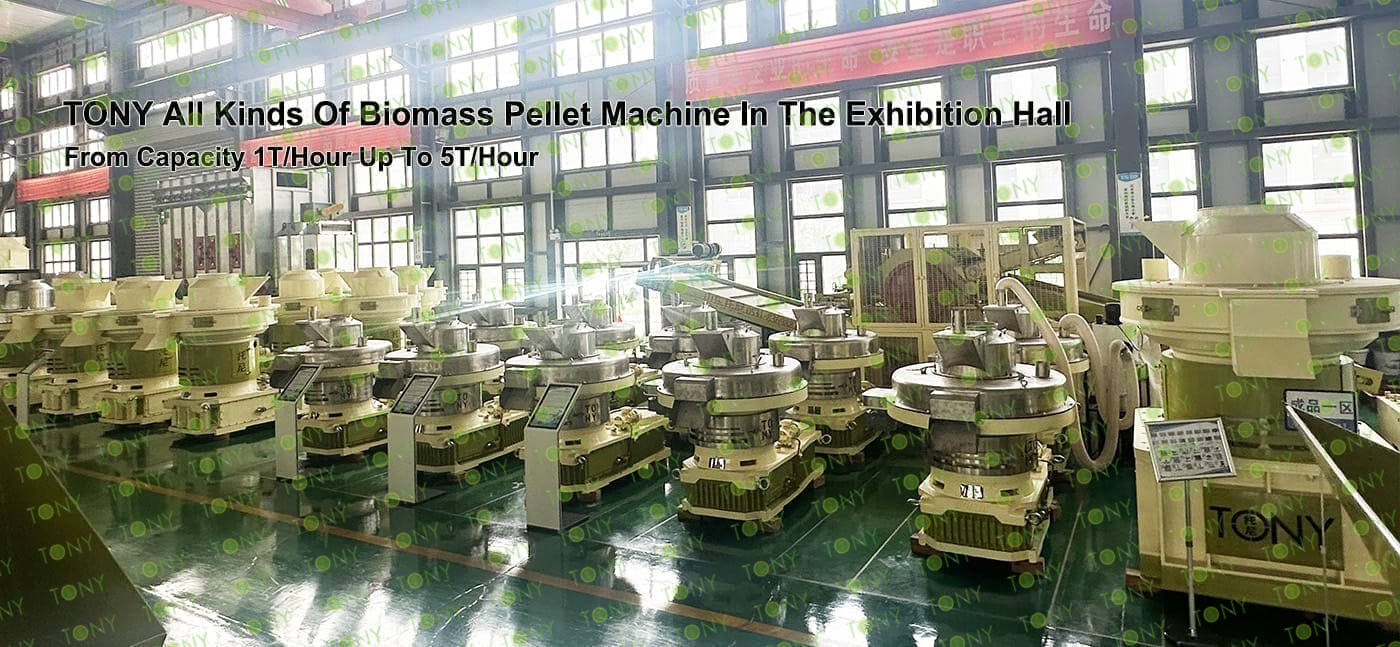
When choosing a pellet mill, the primary consideration should be its compatibility with your raw materials and production capacity. A versatile model is ideal, accommodating a variety of materials such as sawdust, straw, and bamboo and wood scraps. It should allow for flexible adjustments to the die compression ratio and roller clearance to adapt to raw materials with varying moisture content and texture, ensuring high pellet formation rates, uniform pellet density, and high-quality output, guaranteeing a strong market. Secondly, consider the equipment's build quality and energy consumption. A high-quality molino de pelletsfeatures a robust construction, stable transmission, and low power consumption, allowing for continuous operation for extended periods, significantly increasing daily output and boosting overall profitability.
Furthermore, comprehensive after-sales support is essential. Reputable manufacturers provide installation, commissioning, technical guidance, and lifetime maintenance services, ensuring rapid response to equipment malfunctions, preventing prolonged downtime, and guaranteeing stable production line operation year-round. A reliable pellet mill can reduce production costs, improve product quality, and stabilize production capacity, enabling a small investment to generate long-term, stable returns. Choosing the right core equipment and cultivating a deep understanding of the pellet processing industry are key to securing stable business opportunities and continuous profits year after year!