





















Bei der land- und forstwirtschaftlichen Produktion entstehen jedes Jahr große Mengen an Abfallstoffen wie Stroh, Sägemehl, Zweigen, Reishülsen und Bambusspänen. Früher wurden diese Abfälle größtenteils vor Ort verbrannt oder willkürlich aufgeschichtet, was nicht nur Land beanspruchte und die Umwelt verschmutzte, sondern auch eine erhebliche Brandgefahr darstellte und zu einer enormen Ressourcenverschwendung führte. Durch die weit verbreitete Einführung der Biomasse-Pellets-Verarbeitungstechnologie konnten diese vernachlässigten land- und forstwirtschaftlichen Abfälle jedoch vollständig revitalisiert werden, wodurch Abfälle zu Schätzen werden, recycelt werden und zu hochwertigen Ressourcen für die Generierung von grünem Einkommen werden.
Der Kern der Verarbeitung von Biomassepellets ist der Hochdruckextrusions- und Formprozess unter Verwendung speziellerPelletmühle um lose, sperrige und schwer zu lagernde Abfälle aus der Land- und Forstwirtschaft zu hochdichten, brennwertstabilen und vollständig brennbaren Festbrennstoffen zu verarbeiten und zu transportieren. Verarbeitete Biomassepellets haben ein deutlich reduziertes Volumen, was die Langzeitlagerung und den Transport über große Entfernungen erleichtert und die Probleme der Branche, die mit der schwierigen Sammlung und den geringen Verwertungsraten land- und forstwirtschaftlicher Abfälle verbunden sind, vollständig löst. Im Vergleich zur herkömmlichen Kohleverbrennung sind Biomassepellets sauber und umweltfreundlich, haben einen geringen Schwefelgehalt, weniger Rauch und Staub und erzeugen nach der Verbrennung nahezu keine Rückstände, was perfekt den Anforderungen einer umweltfreundlichen und kohlenstoffarmen Entwicklung entspricht.
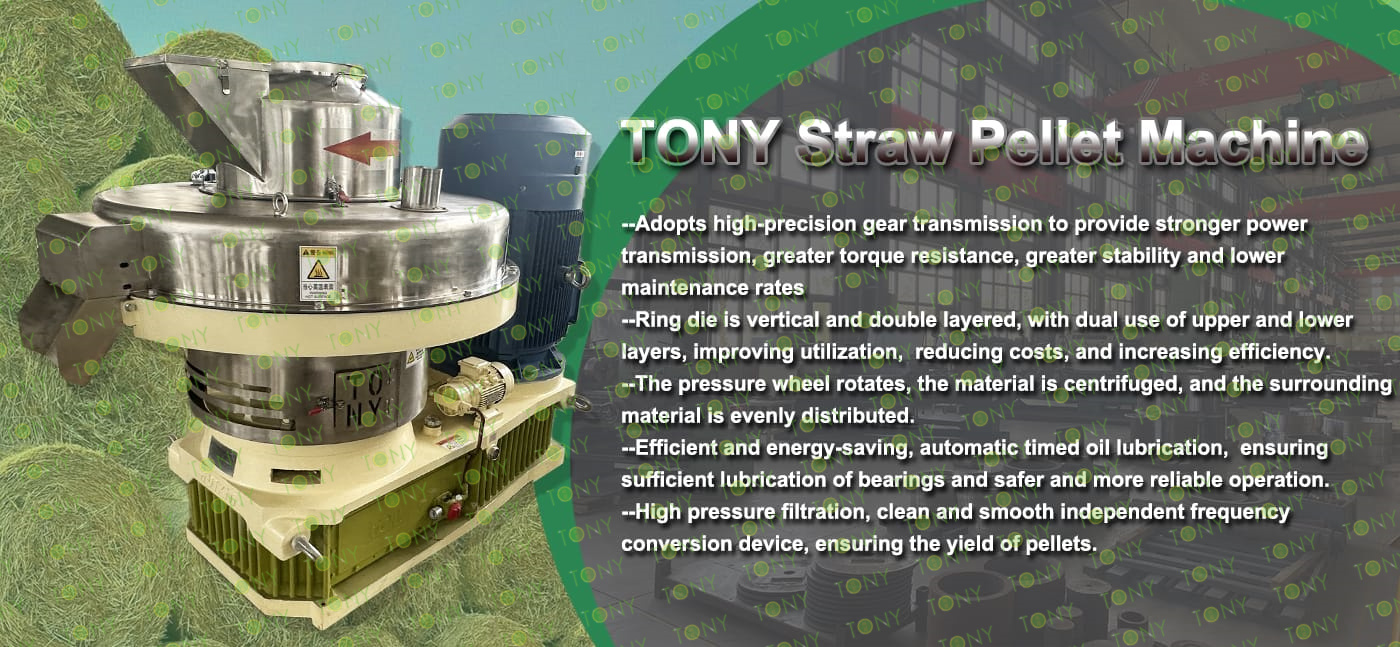
Dieses Verarbeitungsmodell schützt nicht nur die ökologische Umwelt, sondern eröffnet auch einen neuen Weg für ländlichen Wohlstand. Landwirte und Verarbeitungsbetriebe können Materialien vor Ort beschaffen und umliegende land- und forstwirtschaftliche Abfälle recyceln, um sie kostengünstig zu fertigen Pellets zu verarbeiten. Diese Pellets werden in großem Umfang an Heizkessel, industrielle Verbrennungsanlagen, Biomassekraftwerke und andere Anwendungen geliefert, wobei die Marktnachfrage konstant stabil ist. Was ursprünglich Abfallmaterial war, wird in hochwertige Rohstoffe umgewandelt, wodurch die Umweltverschmutzung verringert, ungenutzte land- und forstwirtschaftliche Ressourcen wiederbelebt und die Möglichkeiten für Unternehmertum und Einkommensgenerierung erweitert werden.
Heute ist die Verarbeitung von Biomassepellets zu einer hochwertigen Industrie geworden, die energiesparend, umweltfreundlich und für Land und Leute von Vorteil ist. Durch ausgereifte Verarbeitungstechnologie und ein stabiles Marktsystem haben land- und forstwirtschaftliche Abfälle ihr Schicksal als bloßer Abfall hinter sich gelassen und einen bemerkenswerten Wandel von ungenutztem Abfall zu grüner Energie vollzogen, wodurch eine Win-Win-Situation sowohl für ökologische als auch wirtschaftliche Vorteile erreicht wurde und die Entwicklung einer grünen Kreislaufwirtschaft Fuß gefasst hat.